How Often Should I Change the Oil in My Car and Why
Most drivers should change their oil every 5,000 to 7,500 miles, but the exact oil change frequency depends on your car, oil type, and driving habits. Modern vehicles with synthetic oil can go longer between changes, while older cars or those used in tough conditions need more frequent service. This guide breaks down everything you need to know to keep your engine running strong.
Your car’s engine has hundreds of moving parts. These parts spin, rub, and grind against each other thousands of times every minute. Without clean engine oil, that friction would destroy your engine in a matter of miles.
So how often should you actually change your oil? The answer is not as simple as “every 3,000 miles” like your grandfather might have told you. Modern cars, better oil formulas, and smarter engines have changed the rules. But the basics still matter. In this guide, we will walk you through everything you need to know about oil change frequency, oil types, warning signs, and how to keep your engine healthy for the long haul.
Whether you drive a brand new sedan or a truck with 150,000 miles on the clock, this guide has you covered. Let us dive in.
Key Takeaways
- Standard Interval: Most cars need an oil change every 5,000 to 7,500 miles for conventional oil.
- Synthetic Oil Lasts Longer: Full synthetic oil can extend intervals to 7,500 to 10,000 miles or more.
- Driving Matters: Stop-and-go traffic, towing, and extreme heat shorten your oil life.
- Check Your Manual: Your owner’s manual has the manufacturer’s recommended oil change interval for your specific model.
- Watch for Warning Signs: Dark oil, engine noise, and oil smell inside the car mean it is time for a change.
- Reset After Service: Always reset your oil life monitor after getting an oil change.
- Don’t Skip It: Skipping oil changes leads to engine wear, reduced fuel economy, and costly repairs.
📑 Table of Contents
- Why Oil Changes Matter So Much
- How Often Should You Change Your Oil
- Conventional Oil vs. Synthetic Oil
- Factors That Change Your Oil Change Interval
- How to Know When Your Oil Needs Changing
- Quick Tips for Getting the Most Out of Your Oil Change
- How Mechanics Check Oil Condition
- Common Oil Change Mistakes to Avoid
- How to Choose the Right Oil Change Service
- The Cost of an Oil Change
- Oil Changes for Different Vehicle Types
- Can You Change Your Own Oil
- Final Thoughts on Oil Change Frequency
Why Oil Changes Matter So Much
Think of engine oil as the lifeblood of your car. It does several critical jobs at the same time. First, it lubricates all the metal parts inside your engine. Second, it pulls heat away from hot spots. Third, it catches dirt, metal shavings, and other gunk and carries it to the oil filter where it gets trapped.
Over time, oil breaks down. Heat and exposure to air cause it to oxidize. Additives that protect your engine wear out. The oil gets darker and thicker. When oil degrades, it stops doing its job properly. Dirty oil increases friction, which means more heat, more wear, and eventually engine damage.
This is exactly why sticking to a regular oil change schedule is so important. A fresh oil change is one of the cheapest ways to protect a very expensive engine.
What Happens If You Skip Oil Changes?
Skipping oil changes might not cause problems right away. But over time, the effects add up fast. Here is what can go wrong:
- Engine sludge builds up. Old oil turns into a thick, dark sludge that clogs passages and blocks oil flow.
- Increased engine wear. Metal-on-metal contact wears down bearings, cylinder walls, and other critical components.
- Overheating. Old oil cannot carry heat away effectively, which can lead to warping and cracking of engine parts.
- Reduced fuel economy. Dirty oil creates more drag inside the engine, which means your car uses more gas.
- Costly repairs. A seized engine from neglected oil changes can cost thousands of dollars to fix or even require a full replacement.
The takeaway is simple. A little maintenance now saves you a lot of money and headaches later.
How Often Should You Change Your Oil
The most common question we get is about oil change frequency. The truth is there is no single answer that fits every car. The right interval depends on several factors, including your vehicle type, the oil you use, and how you drive.
As a general rule of thumb, most manufacturers recommend changing conventional oil every 3,000 to 5,000 miles. Synthetic oil can go 7,500 to 10,000 miles between changes. Some newer cars with oil life monitoring systems can even go longer, but you should still check your owner’s manual to be sure.
The Old 3,000-Mile Rule
You have probably heard the advice to change oil every 3,000 miles. This was solid advice for older cars with conventional oil and less efficient engines. Today, most new vehicles can go significantly longer than that. The 3,000-mile rule is still a safe choice if you drive in severe conditions or have an older vehicle.
Manufacturer Recommendations
Every car maker has its own recommended oil change interval. Toyota, Honda, Ford, Chevrolet, and others all publish these numbers in the owner’s manual. For example, many Toyota models recommend oil changes every 5,000 to 10,000 miles depending on the oil type. Always check your specific vehicle’s manual for the official recommendation.
If you are unsure what your car needs, you can always visit your local dealership or trusted mechanic. They can look up your vehicle and tell you the exact oil change schedule it follows.
Conventional Oil vs. Synthetic Oil
Not all engine oil is the same. The type of oil you use directly affects how often you need to change it. Let us break down the two main options.
Conventional Oil
Conventional oil is the traditional type. It is made from crude oil and refined to meet basic engine lubrication needs. It works well for most older vehicles and standard driving conditions. However, conventional oil breaks down faster than synthetic oil. You will typically need to change it every 3,000 to 5,000 miles.
Conventional oil is also more affordable at the time of purchase. If you have an older car with high mileage, conventional oil can be a perfectly fine choice.
Synthetic Oil
Synthetic oil is a lab-designed lubricant that offers superior performance. It resists heat breakdown, flows better in cold weather, and lasts much longer than conventional oil. Many modern cars come filled with synthetic oil from the factory.
With full synthetic oil, you can often go 7,500 to 10,000 miles between changes. Some high-performance synthetic blends even push past that. The tradeoff is a higher upfront cost. But since you change it less often, the total cost over time can be similar.
If you are wondering whether you can push synthetic oil even further, check out our article on can I go 10,000 miles on synthetic oil for a deep dive into this topic.
Synthetic Blend Oil
Synthetic blend oil is a mix of conventional and synthetic oils. It offers better protection than conventional oil alone and costs less than full synthetic. It is a good middle-ground option for drivers who want extra protection without paying the full synthetic price tag.
Factors That Change Your Oil Change Interval
Your driving habits and environment play a big role in how quickly your oil breaks down. Here are the key factors that can shorten or extend your oil change interval.
Severe Driving Conditions
Most car makers define “severe” or “severe service” driving conditions. These include:
- Short trips under 5 miles in cold weather
- Stop-and-go city driving
- Driving in very hot climates
- Towing trailers or carrying heavy loads
- Driving on dusty or gravel roads
- Frequent idling or low-speed driving
If any of these sound like your daily routine, you should change your oil more often. Many experts recommend cutting the standard interval by about 25 to 50 percent for severe driving conditions.
Driving Style
How you drive affects your engine oil. Aggressive driving with rapid acceleration and hard braking puts extra stress on your engine. It also causes oil to heat up more quickly and break down faster. If you like to drive spirited, consider shortening your oil change interval.
Vehicle Age and Mileage
Older vehicles with high mileage tend to burn oil faster and produce more contaminants. If your car has over 100,000 miles, you might want to stick closer to the shorter end of the recommended interval. Fresh oil helps protect worn engine components that are more vulnerable to damage.
How to Know When Your Oil Needs Changing
Even if you follow a mileage-based schedule, it helps to know the physical signs that your oil needs attention. Here are the most common indicators.
Check the Oil Color and Texture
Pop the hood and pull out the dipstick. Fresh oil is amber or light brown and feels smooth. If the oil looks dark brown or black and feels gritty, it is time for a change. Clean oil should flow easily and not feel thick or sludgy.
Listen for Engine Noise
Clean oil keeps engine parts lubricated and quiet. If you start hearing knocking, ticking, or rumbling sounds from the engine bay, old oil might not be providing enough protection. This is especially noticeable when starting the car cold in the morning.
Watch the Oil Pressure Warning Light
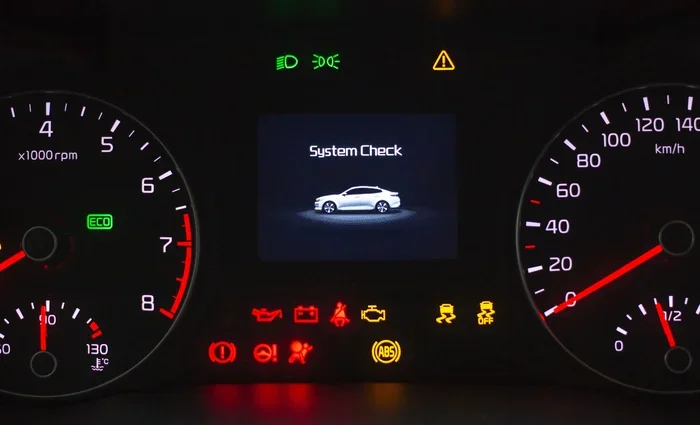
If your dashboard shows an oil pressure warning light, do not ignore it. This could mean your oil level is low or the oil has degraded to the point where it cannot maintain proper pressure. Check your oil level immediately and get it changed if needed.
Notice an Oil Smell Inside the Car
If you smell oil inside the cabin, it could mean you have a leak or the oil level is critically low. Either way, you should address it right away. Low oil levels can cause serious engine damage quickly.
Check the Oil Life Monitor
Many modern cars have an oil life monitoring system that tracks your driving conditions and tells you when it is time for a change. When the display shows that oil life is low or you need service, do not delay. You can learn more about how these systems work and when to reset them in our article on at what percent oil life should you change oil.
Pay Attention to Your Maintenance Light
Some vehicles use a general maintenance reminder light rather than a specific oil monitor. If this light comes on, schedule your oil change soon. For more information on driving with this light on, check out our guide on can I drive with a maintenance required light on in a Toyota.
Quick Tips for Getting the Most Out of Your Oil Change
Follow these simple tips to make every oil change count and protect your engine:
- Use the oil weight your manufacturer recommends. Check your owner’s manual for the correct viscosity grade, such as 0W-20 or 5W-30.
- Replace the oil filter every time. A clogged filter reduces oil flow and contaminates your fresh oil. Many oil change services include a new filter.
- Check your oil level between changes. A quick dipstick check once a month can catch low oil levels before they cause damage.
- Keep a maintenance log. Write down every oil change date and mileage. This helps you stay on track and makes resale easier.
- Reset your oil life monitor after service. If your car has an oil life system, always reset it after an oil change. For step-by-step instructions, see our guide on do you reset after an oil change.
- Ask about transmission fluid. Some oil change services also check other fluids. You can learn more about what mechanics do during an oil change in our article on do mechanics check transmission fluid during an oil change.
How Mechanics Check Oil Condition
When you bring your car in for an oil change, a good technician will do more than just drain the old oil and pour in new oil. Here is what a thorough oil change service typically includes:
- Draining the old oil. The technician removes the drain plug and lets the old oil flow out completely.
- Replacing the oil filter. A new filter catches contaminants and keeps your fresh oil clean longer.
- Inspecting for leaks. The tech checks the drain plug, oil filter, and surrounding areas for any signs of leaks.
- Checking oil level. After adding new oil, the technician uses the dipstick to verify the level is correct.
- Resetting the oil life monitor. Most modern cars require a reset after an oil change to clear the service reminder.
- Visual inspection. Many shops also check under the car for any issues and top off other fluids if needed.
These steps ensure your engine gets the full benefit of a fresh oil change. If a shop skips any of these steps, consider finding a more thorough service provider.
Common Oil Change Mistakes to Avoid
Even with the best intentions, car owners sometimes make mistakes when it comes to oil changes. Here are the most common ones:
- Ignoring the owner’s manual. Every car is different. Follow your specific vehicle’s recommendation, not generic advice from friends.
- Using the wrong oil weight. Using the wrong viscosity can reduce engine protection and affect fuel economy. Always match what your manufacturer specifies.
- Forgetting to reset the oil life monitor. This causes confusion about when the next change is due and can trigger unnecessary service lights.
- Overfilling the oil. Too much oil can cause foaming, reduced lubrication, and even engine damage. Stick to the recommended level on the dipstick.
- Neglecting the oil filter. Reusing an old filter or skipping it entirely lets contaminants circulate through your fresh oil.
- Waiting for warning signs instead of following a schedule. By the time you notice symptoms, the oil may already be too degraded to protect your engine properly.
Avoiding these simple mistakes can extend your engine’s life and save you from expensive repairs down the road.
How to Choose the Right Oil Change Service
Not all oil change services are created equal. Here are some tips for choosing the right provider:
- Look for certified technicians. ASE-certified mechanics have proven their expertise in engine maintenance.
- Check reviews and ratings. Online reviews give you a good sense of service quality and customer satisfaction.
- Ask about the oil and filter brand. Reputable shops use quality oil brands and OEM or high-grade filters.
- Compare prices. Oil change costs vary by location and oil type. You can learn more about pricing and negotiation in our article on can you negotiate the price of an oil change.
- Check if they offer multi-point inspections. A good service includes checking other fluids, tires, brakes, and belts at no extra cost.
Taking a few extra minutes to choose the right service provider pays off in quality workmanship and long-term engine health.
The Cost of an Oil Change
Oil change costs vary depending on the type of oil and where you go. Conventional oil changes typically cost between $35 and $75. Synthetic oil changes usually run $65 to $125. The higher cost for synthetic reflects the better oil quality and longer intervals between changes.
While the upfront cost of synthetic oil is higher, the extended interval means you may need fewer changes per year. Over time, the total cost can be comparable to conventional oil, especially when you factor in the added engine protection.
Remember, an oil change is one of the least expensive maintenance items on your car. Skipping it or stretching intervals too far can lead to engine repairs that cost hundreds or thousands of dollars. The math is clear. Regular oil changes save money in the long run.
Oil Changes for Different Vehicle Types
Different vehicles have different oil change needs. Here is a quick breakdown:
Sedans and Compact Cars
Most sedans and compact cars like the Toyota Corolla or Honda Civic use conventional or synthetic blend oil and need changes every 5,000 to 7,500 miles. These are some of the most common vehicles on the road, and their maintenance schedules are well documented.
Trucks and SUVs
Larger vehicles with bigger engines often require more oil and may need changes more frequently, especially if used for towing or hauling. Always check the owner’s manual for the specific interval.
Luxury and Performance Vehicles
High-performance and luxury cars often require full synthetic oil and may have shorter intervals to protect sensitive engines. These vehicles also tend to have more advanced monitoring systems.
Electric and Hybrid Vehicles
Electric vehicles do not use engine oil, but hybrids still have a combustion engine that needs regular oil changes. If you own a hybrid like the Toyota Prius, check your manual for the specific maintenance schedule.
Can You Change Your Own Oil
Many car owners enjoy doing their own oil changes. It is a great way to save money and learn more about your vehicle. If you are considering a DIY oil change, make sure you have the right tools, a safe workspace, and a plan for disposing of the old oil properly.
For those with a Toyota Corolla, we have a helpful guide on can I change my Corolla S oil myself that walks you through the process step by step.
Final Thoughts on Oil Change Frequency
Oil changes are the backbone of vehicle maintenance. They are simple, affordable, and incredibly effective at protecting your engine. The key is to follow a consistent schedule based on your vehicle, your oil type, and your driving conditions.
Do not rely on generic advice or outdated rules. Check your owner’s manual, pay attention to your car’s warning signs, and choose a trusted service provider. Your engine will thank you with years of reliable performance and better fuel economy.
Whether you stick to a strict mileage schedule or trust your car’s oil life monitoring system, the most important thing is to never skip an oil change. Fresh oil keeps your engine clean, cool, and running smoothly. That is a deal worth making.
For more helpful maintenance tips and car care advice, keep exploring our site. We are here to help you get the most out of your vehicle.
Frequently Asked Questions
How often should I change my oil if I drive short trips?
Short trips under 5 miles are considered severe driving conditions because the engine never fully warms up. In this case, you should change your oil every 3,000 to 5,000 miles. Short trips cause moisture and fuel to build up in the oil, which accelerates degradation.
Can I change my oil every 10,000 miles with synthetic oil?
Yes, many modern vehicles using full synthetic oil can go 7,500 to 10,000 miles between changes. However, always check your owner’s manual first. Some manufacturers recommend shorter intervals even with synthetic oil. You can also refer to our guide on going 10,000 miles on synthetic oil for more details.
Does the oil color tell me when to change?
Oil color is a helpful indicator but not the only one. Fresh oil is amber or light brown. Dark brown or black oil usually means it is time for a change. However, some synthetic oils darken quickly even when they are still effective. Always combine visual checks with your mileage and oil life monitor readings.
What is the difference between an oil change and an oil filter change?
A full oil change includes draining the old oil, replacing the filter, and adding fresh oil. Some quick-lube shops may only change the oil without a new filter, which reduces the effectiveness of the service. Always confirm that both the oil and filter are being replaced.
Should I change my oil before storing my car for winter?
Yes, this is a good practice. Fresh oil has protective additives that are at full strength. Old oil may contain moisture and contaminants that can cause corrosion during long storage. Change the oil before storing your car for an extended period.
Is it okay to mix conventional and synthetic oil?
While it is not harmful to mix the two, it is not ideal either. Mixing oils dilutes the performance benefits of synthetic oil. If you need to top off between changes, use the same type and weight of oil that is already in your engine. For the best results, stick with one oil type consistently.
=== CONCLUSION ===
Knowing how often to change your oil is one of the most important things you can do for your car. Stick to your manufacturer’s recommended oil change interval, choose the right oil type for your driving habits, and watch for warning signs that your engine needs attention. Regular oil changes are a small investment that pays off big in engine longevity, fuel efficiency, and overall vehicle reliability. Keep up with your maintenance schedule, and your car will reward you with years of dependable service.