How Often Should I Change My Fuel Filter And Why It Matters
You should change your fuel filter every 30,000 to 40,000 miles for most vehicles. A dirty fuel filter restricts flow, hurts engine performance, and tanks your gas mileage. Replacing it on schedule is one of the cheapest ways to protect your engine and keep your car running smoothly.
Your car’s fuel filter works behind the scenes every single time you turn the key. It catches dirt, rust, and debris before they reach your engine. But here is the thing most drivers forget about it until something goes wrong.
How often should I change my fuel filter? The answer depends on your vehicle, your driving habits, and the type of fuel you use. Most manufacturers recommend replacing the fuel filter every 30,000 to 40,000 miles. Some newer cars can go up to 60,000 miles. But sticking to a regular fuel filter replacement schedule is one of the easiest ways to keep your car healthy and avoid big repair bills down the road.
In this guide, we will walk you through everything you need to know. You will learn the signs of a dirty fuel filter, what happens when you skip the change, how much the fuel filter cost really is, and whether you can do it yourself at home. Let us get into it.
Key Takeaways
- Replace every 30,000–40,000 miles: Most cars need a fuel filter change within this range, but always check your owner’s manual first.
- It protects your engine: A clean filter stops dirt and debris from reaching sensitive fuel injectors and engine parts.
- Symptoms of a bad filter include rough idling, poor acceleration, and low fuel economy.
- DIY replacement is possible on many vehicles: You can save money by doing it yourself with basic tools.
- Ignoring the filter can lead to expensive repairs: A clogged filter can damage your fuel pump and injectors over time.
- Diesel engines may need more frequent changes: Diesel fuel filters often require replacement at shorter intervals than gasoline ones.
📑 Table of Contents
- What Does a Fuel Filter Do?
- How Often Should I Change My Fuel Filter?
- Signs Your Fuel Filter Needs Replacing
- What Happens If You Never Change Your Fuel Filter?
- Can You Replace a Fuel Filter Yourself?
- Fuel Filter Replacement Cost: What to Expect
- Common Mistakes People Make With Fuel Filters
- Expert Insights: How to Maximize Fuel Filter Life
- Final Thoughts
What Does a Fuel Filter Do?
Think of your fuel filter as a gatekeeper. It sits between the fuel tank and the engine. Every drop of fuel passes through it before reaching the combustion chamber. Its job is simple but critical: filter out contaminants.
Over time, dirt, particles, and sediment build up inside the filter. This creates a blockage. When that happens, your engine does not get the clean fuel it needs. The result? Poor performance, lower gas mileage, and eventually, serious engine damage.
A healthy fuel system depends on clean fuel flow. The filter also protects your fuel injectors. These tiny components spray fuel into the engine at very precise pressures. Even small particles can clog them. And replacing fuel injectors is expensive. So keeping the filter clean is a small step that saves you big money.
Gasoline vs. Diesel Fuel Filters
Not all fuel filters are the same. Gasoline engines use a gasoline filter that catches larger particles. Diesel engines use a finer filter because diesel fuel tends to contain more contaminants. Diesel fuel filter replacement is often needed more frequently than gasoline filter changes.
Some diesel vehicles have two filters: a primary and a secondary filter. The primary filter handles the bulk of the cleaning. The secondary filter catches anything that slips through. Both need regular attention to keep the engine running properly.
How Often Should I Change My Fuel Filter?
This is the question every car owner asks. The short answer is: it depends on your vehicle. The long answer gives you a much clearer picture.
General Guidelines by Vehicle Type
Most car makers suggest a maintenance interval of 30,000 to 40,000 miles for fuel filter replacement. Here is a quick breakdown:
- Older vehicles (pre-2000): Replace every 20,000 to 30,000 miles.
- Modern gasoline cars: Replace every 30,000 to 40,000 miles.
- Newer cars with inline filters: Some can go 50,000 to 60,000 miles.
- Diesel vehicles: Replace every 15,000 to 25,000 miles.
- High-mileage drivers: Consider replacing closer to the lower end of the range.
The best place to start is your owner’s manual. It lists the exact car maintenance schedule for your specific model. If you do not have the manual, a quick search online for your vehicle year, make, and model will give you the answer.
Factors That Affect Filter Replacement Frequency
Several things can change how often you need to swap out your filter. Here are the most common factors:
- Fuel quality: Gasoline from cheaper stations may contain more impurities. If you frequently fill up at stations with lower fuel quality, your filter will clog faster.
- Driving conditions: Stop-and-go city driving puts more stress on your fuel system than highway driving. Dusty or rural roads also introduce more contaminants.
- Vehicle age: Older cars have more rust and sediment in their fuel tanks. This means the filter works harder and wears out faster.
- Fuel tank level: Running your tank very low frequently stirs up sediment from the bottom of the tank. This debris ends up in the filter.
If any of these apply to you, consider changing your filter more often than the standard recommendation. It is a small investment that pays off in engine longevity.
Signs Your Fuel Filter Needs Replacing
Your car will tell you when something is wrong. The key is knowing what to look for. Here are the most common fuel filter symptoms that signal a replacement is due.
Rough Idle or Stalling
Does your car shake or vibrate when sitting at a red light? A clogged fuel filter restricts fuel flow to the engine. At idle, the engine needs a steady, precise supply of fuel. When the filter is blocked, that supply drops. The result is a rough or uneven idle. In worse cases, the engine may stall completely.
Difficulty Starting the Car
Turn the key and nothing happens? Or it cranks slowly before starting? A severely clogged filter can prevent enough fuel from reaching the engine to start the car. This is especially common after the car sits for a while. If you find yourself cranking the engine longer than usual, check the filter first.
Poor Acceleration
When you press the gas pedal, do you feel a delay or a lack of power? A dirty filter limits the amount of fuel that reaches the engine under heavy demand. You may notice this most when merging onto highways or climbing hills. The engine is starved for fuel and cannot respond quickly.
Decreased Fuel Economy
Are you filling up more often than usual? A dirty fuel filter forces the engine to work harder. It compensates by burning more fuel than necessary. If your gas mileage drops noticeably without a clear reason, the filter could be the culprit.
Check Engine Light
A glowing check engine light can mean many things. But a restricted fuel filter is one of the lesser-known causes. The engine control module detects irregular fuel pressure and triggers the light. If you see this light alongside any of the other symptoms above, get the filter checked.
Engine Misfires
An engine misfire feels like a hesitation or a bang during combustion. When the filter is clogged, one or more cylinders may not get enough fuel. This creates an imbalance in the combustion process. Misfires not only feel bad, they also increase emissions and reduce engine life.
What Happens If You Never Change Your Fuel Filter?
Skipping a fuel filter replacement might seem harmless at first. But over time, the consequences add up fast. Here is what can happen when you ignore this simple maintenance task.
Fuel Pump Failure
The fuel pump pushes gas from the tank to the engine. When the filter is clogged, the pump has to work much harder to push fuel through the blockage. This extra strain causes the pump to overheat and eventually fail. And replacing a fuel pump is one of the more expensive repairs you can face. We are talking a few hundred to over a thousand dollars depending on your vehicle.
Clogged Fuel Injectors
Fuel injectors spray a fine mist of fuel into the combustion chamber. They rely on consistent fuel pressure to work correctly. A dirty filter reduces that pressure and allows debris to pass through. Injectors can become clogged or dirty. This leads to poor combustion, rough running, and increased emissions.
Engine Damage Over Time
In the worst-case scenario, a completely blocked filter starves the engine of fuel. The engine may run lean, meaning there is too much air and not enough fuel. This causes overheating and can lead to internal engine damage. In extreme cases, you could be looking at a full engine replacement.
Reduced Vehicle Performance
Even before total failure, a clogged filter robs your car of its best performance. You will notice sluggish acceleration, uneven power delivery, and a general feeling that the car is not responding like it used to. For a part that costs so little to replace, this is a terrible trade-off.
Can You Replace a Fuel Filter Yourself?
The good news is that replacing a fuel filter is one of the easier DIY car maintenance tasks. Many drivers handle it in their driveway with basic tools. But it is not without its risks. Fuel is flammable, and the system holds pressure even when the engine is off.
Tools You Will Need
- A new fuel filter (match it to your vehicle’s make, model, and year)
- A wrench set or socket set
- A drain pan or towel
- Safety glasses and gloves
- A small screwdriver or quick-disconnect tool (depending on your vehicle)
Steps to Replace the Fuel Filter
Here is a simplified overview of the process. Always refer to your vehicle’s service manual for exact instructions.
- Relieve fuel system pressure: Start the engine and let it idle until it stalls. This releases pressure in the fuel lines. Some vehicles have a pressure relief valve near the filter. Consult your manual.
- Locate the fuel filter: It is usually found along the fuel line underneath the car, near the fuel tank or under the hood. Check your manual for the exact location.
- Remove the old filter: Use the appropriate wrench to disconnect the fuel lines. Be ready for a small amount of fuel to spill. Have your drain pan and towels ready.
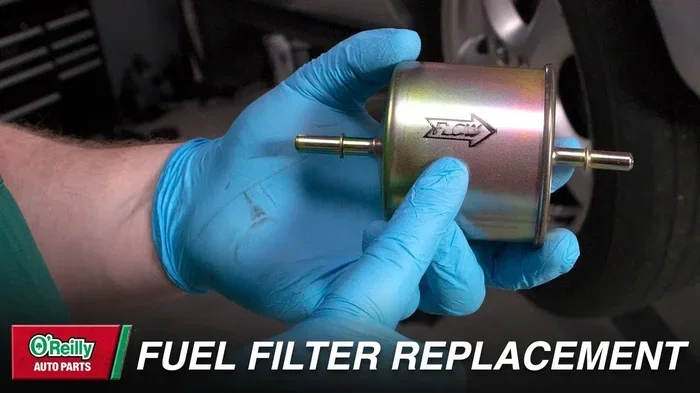
- Install the new filter: Note the flow direction. Most filters have an arrow showing which way the fuel flows. Install the new filter in the same direction.
- Reconnect the fuel lines: Tighten the fittings securely but do not overtighten. Stripped fittings can cause fuel leaks.
- Prime the system: Turn the ignition key to the “on” position (do not start) and let the fuel pump run for a few seconds. Repeat this two or three times. Then start the engine and check for leaks.
If you are not comfortable working with fuel, it is perfectly fine to have a mechanic do it. The fuel filter cost for professional installation is usually between $50 and $150, including parts and labor. The filter part itself is often under $30.
For other simple maintenance tasks like replacing your windshield wipers yourself or changing your car AC filter, the same DIY spirit applies. These small jobs keep your car in top shape and save you money on labor costs.
Fuel Filter Replacement Cost: What to Expect
One of the best things about replacing a fuel filter is how affordable it is. Compared to most car repairs, this is a bargain.
| Vehicle Type | Part Cost | Labor Cost | Total Cost |
|---|---|---|---|
| Compact Gasoline Car | $10 – $25 | $30 – $60 | $40 – $85 |
| Mid-Size Sedan or SUV | $15 – $35 | $40 – $80 | $55 – $115 |
| Diesel Vehicle | $20 – $50 | $50 – $100 | $70 – $150 |
| Luxury or Performance Vehicle | $30 – $75 | $60 – $120 | $90 – $195 |
As you can see, the fuel filter cost is minimal. Even with labor, you are looking at well under $200 for most vehicles. Compare that to a fuel pump replacement that can cost $400 to $800. The math is clear: change the filter on time and save yourself hundreds of dollars.
Common Mistakes People Make With Fuel Filters
Even good car owners make mistakes when it comes to fuel filter maintenance. Here are the most common ones to avoid.
Ignoring the Replacement Schedule
The most common mistake is simply forgetting. People set reminders for oil changes but overlook the fuel filter. Set a calendar reminder or note it in your service log every time you get an oil change. This keeps you on track.
Using the Wrong Filter
Not all filters fit every vehicle. Using the wrong filter can lead to poor filtration, leaks, or engine damage. Always match the filter to your vehicle’s specifications. Check the part number against your owner’s manual or ask your parts store associate for help.
Skipping the Replacement Because of “No Symptoms”
A fuel filter can be partially clogged and still allow the car to run. You might not notice any obvious symptoms. But the filter is still restricting flow and causing your engine to work harder. Do not wait for clear signs of failure. Replace it on schedule.
Neglecting the Fuel Tank
Your fuel filter works harder when your tank is dirty. Running on low fuel frequently stirs up sediment from the bottom of the tank. Try to keep your tank at least a quarter full. This reduces the amount of debris that reaches the filter and extends its life.
Expert Insights: How to Maximize Fuel Filter Life
Want to get the most out of every fuel filter? Here are some expert-backed tips that help you extend the life of your filter and keep your fuel system in great shape.
- Buy quality fuel: Top-tier gasoline brands contain fewer impurities. They may cost a few cents more per gallon but they reduce the burden on your fuel filter significantly.
- Keep your tank clean: Avoid running the tank down to empty too often. Sediment settles at the bottom and gets sucked into the fuel system when the level is low.
- Use fuel system cleaner: A good fuel system cleaner added to your tank every few thousand miles helps keep injectors and filters clean. It is not a replacement for a filter change, but it helps maintain overall fuel system health.
- Inspect during oil changes: Ask your mechanic to visually inspect the fuel filter during every oil change. They can tell you if it is starting to look dirty before it becomes a problem.
- Follow the maintenance schedule strictly: Your vehicle manufacturer designed the maintenance interval based on extensive testing. Trust their recommendation and do not stretch it.
For drivers who want to stay on top of all their car care tips, remember that vehicle maintenance is not just about one part. It is about building a routine that covers every component. A little attention goes a long way toward preventing breakdowns and extending the life of your car.
Final Thoughts
How often should I change my fuel filter is a simple question with a big impact on your car’s health. The answer is clear: every 30,000 to 40,000 miles for most vehicles, and more often for diesel engines or older cars. A clean fuel filter ensures your engine gets the clean fuel it needs to run at its best.
The fuel filter cost is low, the replacement process is straightforward, and the benefits are enormous. You get better fuel economy, smoother acceleration, fewer emissions, and protection for expensive components like your fuel pump and injectors. Skipping this simple maintenance task is like skipping your annual physical checkup. Nothing feels wrong at first, but the consequences can be serious.
Make it a habit. Add the fuel filter change to your maintenance calendar. Your car will thank you with years of reliable performance. And your wallet will thank you for avoiding costly repairs that a clean filter would have prevented.
Take five minutes today to look up your vehicle’s recommended maintenance interval. Write it down. Set a reminder. It is one of the smallest actions you can take that delivers the biggest returns for your car’s long-term health.
Frequently Asked Questions
How do I know if my fuel filter needs to be changed?
Watch for signs like rough idle, difficulty starting the car, poor acceleration, decreased fuel economy, and a check engine light. However, the safest approach is to follow your vehicle’s maintenance schedule and replace the filter before symptoms appear. A clogged fuel filter often shows no obvious signs until it becomes a serious problem.
Can a dirty fuel filter cause a check engine light to come on?
Yes, it can. When a dirty filter restricts fuel flow, the engine control module detects irregular fuel pressure and triggers the check engine light. This is one of the less obvious causes of the light, so it is worth checking the filter if you see it illuminate alongside other symptoms like rough running or hesitation.
How much does it cost to replace a fuel filter?
The total cost typically ranges from $40 to $150 for most vehicles, depending on the make and model. The part itself costs between $10 and $75, and labor adds another $30 to $100. Diesel fuel filter replacements tend to cost a bit more due to the finer filtration requirements.
Can I drive with a bad fuel filter?
You can drive short distances with a partially clogged filter, but it is not recommended. A severely clogged filter can cause the engine to stall, leave you stranded, or lead to damage of the fuel pump and injectors. Replacing the filter promptly is always the smarter choice.
Does fuel filter location vary by vehicle?
Yes, it does. In many older vehicles, the filter is located under the car along the fuel line. In newer cars, it is often integrated inside the fuel tank or near the engine. Check your owner’s manual to find the exact location for your specific model before attempting any replacement.
Is a fuel filter the same as an air filter?
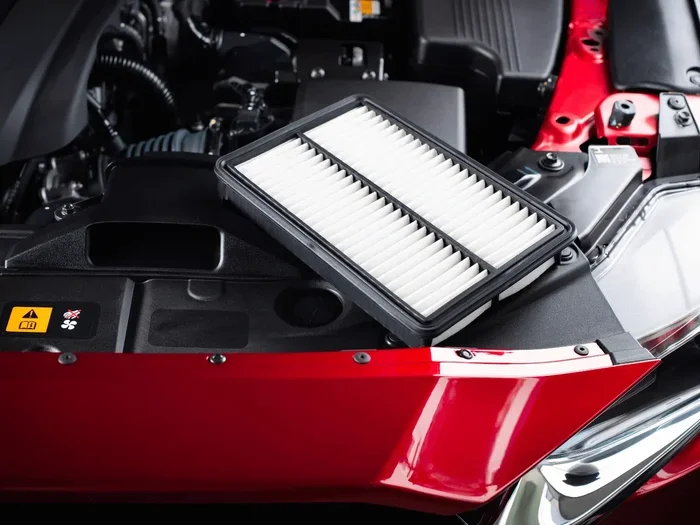
No, they are completely different parts. The fuel filter cleans the gasoline or diesel before it reaches the engine. The air filter cleans the air that enters the engine for combustion. Both need regular replacement, but they serve different purposes and follow different replacement schedules. You can learn more about cleaning engine air filters in our guide on whether you can clean your engine air filter instead of replacing it.