How Can You Identify the Air Filter Box Under the Hood
Finding the air filter box under your hood is simpler than you think. Most vehicles place the air filter housing near the top of the engine bay, usually on the side or front. Knowing its location saves time and money on your next car maintenance task.
Ever popped the hood and felt completely lost? You see wires, hoses, and metal parts everywhere, and nobody told you where the air filter box sits. Finding the air filter box under the hood is a skill every car owner should have. It takes just a few minutes, and once you know what to look for, you will never struggle with it again.
Your engine needs clean air to run well. The air filter box holds the engine air filter, which traps dirt, dust, and debris before they enter the engine. Over time, this filter gets clogged. When it does, your engine performance drops, fuel economy suffers, and you may even notice rough idling. That is why knowing how to locate and access the air filter housing matters so much.
In this guide, we walk you through the exact steps to find the air filter box in your vehicle. We cover common locations for different car types, show you what the housing looks like, and share tips to make the whole process easy. Whether you are a complete beginner or just need a refresher, this article has you covered.
Key Takeaways
- Easy Access: The air filter box is typically located in a visible spot near the top of the engine compartment.
- Different Vehicles, Different Spots: The exact location varies by car make, model, and engine type.
- Simple Tools Needed: Most air filter boxes use clips or screws that require no special equipment.
- Regular Maintenance Matters: Checking and replacing your air filter regularly improves engine performance.
- Safety First: Always let the engine cool before opening the air filter box under the hood.
📑 Table of Contents
- Why Locating the Air Filter Box Matters
- What Does the Air Filter Box Look Like?
- Where Is the Air Filter Box Located in Most Cars?
- Step-by-Step Guide to Finding Your Air Filter Box
- How to Know If Your Air Filter Needs Replacement
- Tips for Maintaining Your Air Filter Box
- Common Mistakes People Make When Finding the Air Filter Box
- How the Air Filter Box Connects to Overall Engine Health
- When to Seek Professional Help
- Final Thoughts on Locating the Air Filter Box
Why Locating the Air Filter Box Matters
The air filter box plays a big role in your vehicle’s health. It sits at the heart of the air intake system. Without it, dirty particles would enter the engine and cause serious damage over time. Regular air filter maintenance keeps your engine running smoothly and extends the life of your car.
Many people skip checking the air filter because they do not know where it is. Some assume it is buried deep in the engine bay where only a mechanic can reach. That could not be further from the truth. In most cars, the air filter housing is easy to reach. You do not need special tools or mechanical experience. You just need to know where to look.
Understanding the air filter location also helps you perform other maintenance tasks. For example, if you are checking the engine oil level, you might want to know what else is nearby. If you are learning how to tell if your car is low on oil, getting comfortable under the hood is a great first step. The more familiar you become with the engine compartment, the easier all maintenance tasks become.
What Does the Air Filter Box Look Like?
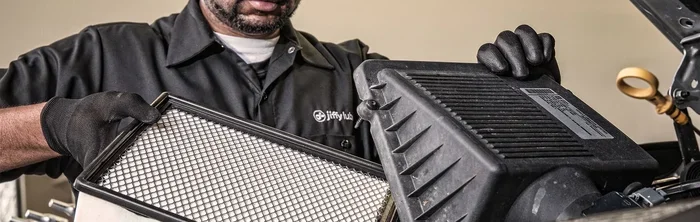
Before you start searching, it helps to know what you are looking for. The air filter housing is usually a rectangular or square-shaped plastic box. It has a large rubber or plastic hose connected to it, which carries air from outside into the engine. The top of the box typically clips or screws off, giving you access to the filter inside.
Common Features of the Air Filter Housing
- Rectangular or square shape: Most air filter boxes have a simple, box-like design.
- Large intake hose: A thick rubber or plastic tube connects the housing to the throttle body or intake manifold.
- Clips or screws: The lid is held on with metal clips, thumb screws, or sometimes bolts.
- Label or marking: Many vehicles have a label on the housing that says “Air Filter” or shows an air filter icon.
- Color: The housing is usually black or dark gray, though some vehicles use a different color.
Once you spot a box with a hose attached, you have likely found the air filter box. It is almost always a standalone component that stands out in the engine bay. Unlike many other parts, it is designed to be opened frequently, so it is built for easy access.
Where Is the Air Filter Box Located in Most Cars?
The general area where you find the air filter box is similar across most vehicles, but the exact spot can vary. Let us break it down by common vehicle types and engine configurations.
Front-Engine Sedans and Coupes
In most front-engine sedans and coupes, the air filter box sits near the front of the engine bay. Look toward the side of the engine closest to the radiator. You will often see it sitting on top of or next to the engine block. The intake hose usually points downward toward the throttle body.
For many popular models, the air filter housing is on the passenger side of the engine bay. It is typically the largest plastic box you see when you look under the hood. The lid usually faces upward, making it very easy to open.
SUVs and Trucks
In larger vehicles like SUVs and trucks, the air filter box can be in a slightly different spot. Because the engine bay is bigger, the housing sometimes sits lower or to one side. In many trucks, you find the air filter box on the driver side, toward the front of the engine compartment.
Some trucks and SUVs use a cold air intake system. In these vehicles, the air filter box may be located lower in the engine bay, closer to the front bumper. This design pulls in cooler air from outside the engine compartment, which can improve engine performance and fuel efficiency.
Vehicles With the Engine in the Rear
If your car has a rear-mounted engine, the air filter box will be in the back of the engine bay near the engine. The layout is completely different from a front-engine vehicle. In these cases, the air filter housing is still a rectangular box with a hose, but you will find it toward the rear of the vehicle under the hood.
What About Boxy Trucks and Older Models?
Older vehicles and some boxy truck designs sometimes have the air filter box in a less obvious location. In some classic cars, the air filter sits on top of the carburetor or intake manifold. These setups look different from modern air filter housings, but they still serve the same purpose. If you own an older vehicle, take a moment to look for a round or oval-shaped air cleaner sitting on top of the engine.
Step-by-Step Guide to Finding Your Air Filter Box
Now that you know what to look for and where it generally sits, let us walk through the process step by step. Following these steps makes finding the air filter box quick and painless.
Step 1: Park Your Car Safely
Find a flat, level surface to park on. Turn off the engine and let the car cool down for at least 10 to 15 minutes. Working on a hot engine can burn you, and some components may be difficult to touch right after driving. Safety always comes first when working under the hood.
Step 2: Open the Hood
Go to the front of your car and locate the hood release lever. It is usually inside the cabin, near the driver side door or on the floor panel. Pull the lever, then go to the front of the car to release the safety latch. Lift the hood and secure it with the prop rod.
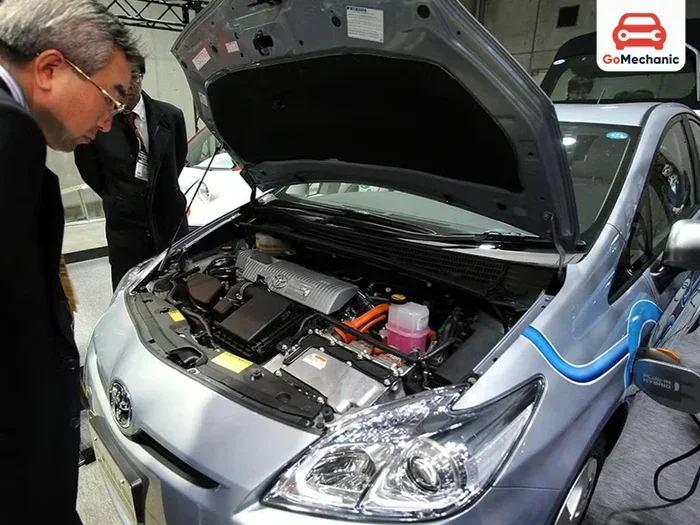
Once the hood is open, take a moment to look at the engine bay. Notice the major components. The battery is usually on one side. The engine block sits in the middle. The radiator is at the front. The air filter box is typically near the top, close to the engine.
Step 3: Look for the Intake Hose
The fastest way to find the air filter box is to follow the intake hose. This thick rubber or plastic tube connects the engine to the outside of the car. Start at the engine and trace the hose backward. The hose will lead you straight to the air filter housing.
In most vehicles, the intake hose connects to the throttle body, which is attached to the engine. Follow the hose in the opposite direction, away from the engine. The box at the other end of the hose is your air filter box.
Step 4: Identify the Box
Once you find the box connected to the intake hose, look closely at it. The air filter housing is usually the largest plastic box in the engine bay that is not the battery or the coolant reservoir. It has a removable lid and is clearly separate from other engine components.
If you are still unsure, check for any labels or markings on the box. Many manufacturers stamp or label the housing with “Air Filter” or an air filter icon. You can also consult your vehicle owner’s manual. The manual has a diagram that shows the exact location of the air filter box for your specific model.
Step 5: Open the Housing and Confirm
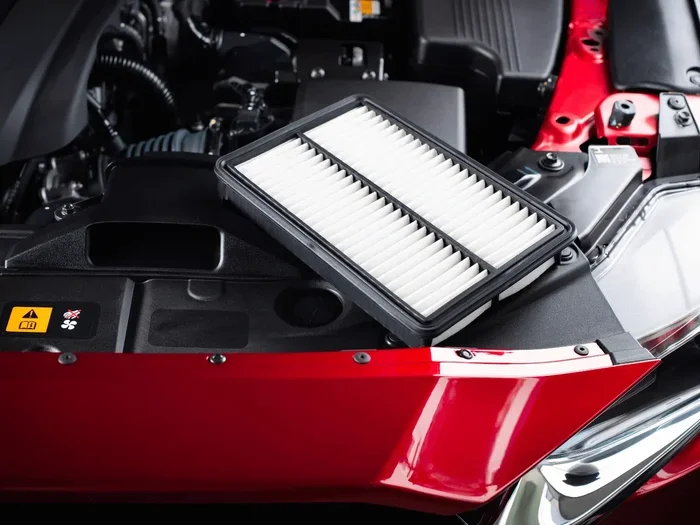
Once you think you have found the air filter box, gently release the clips or unscrew the lid. Lift the top off carefully. Inside, you should see the engine air filter, which is usually a flat or panel-shaped piece of paper or fabric material.
If you see a filter inside, congratulations, you have found the right spot. If the box is empty or contains something else, you may need to look a little further. However, this rarely happens in modern vehicles.
How to Know If Your Air Filter Needs Replacement
Finding the air filter box is only half the battle. Once you have access, you should check the condition of the filter. A dirty air filter can hurt your engine in many ways. It reduces airflow, which makes the engine work harder and use more fuel.
Signs Your Air Filter Is Dirty
- Reduced fuel economy: A clogged filter forces the engine to work harder, burning more gas.
- Weak acceleration: You may notice the car feels sluggish when you press the gas pedal.
- Rough idling: The engine may shake or sound uneven when sitting still.
- Dark or dirty filter: A visual inspection shows a filter that is gray, black, or covered in debris.
- Check engine light: In some cases, a very dirty filter can trigger the check engine light.
If you notice any of these signs, it is time to replace the filter. Replacing an engine air filter is one of the easiest maintenance tasks you can do at home. Most filters cost between 15 and 30 dollars, and the swap takes just a few minutes. If you are curious about whether you can clean your engine air filter instead of replacing it, the answer depends on the type of filter you have. Paper filters should be replaced, while some reusable filters can be cleaned and re-oiled.
Tips for Maintaining Your Air Filter Box
Taking care of the air filter box itself is just as important as changing the filter. A well-maintained housing ensures proper airflow and keeps dirt out of the engine.
Inspect the Housing Regularly
Every time you change the air filter, take a moment to inspect the housing. Look for cracks, loose clips, or worn seals. A damaged housing can let unfiltered air enter the engine, which defeats the purpose of having a filter in the first place.
Keep the Area Clean
Dirt and debris can build up around the air filter box over time. Use a clean cloth to wipe down the exterior of the housing when you open it. This prevents dust from falling into the engine when you remove the lid.
Check the Intake Hose
The hose that connects to the air filter box can crack or become loose over time. Inspect it for signs of wear. A cracked intake hose lets unfiltered air bypass the filter, which can cause engine problems. If the hose looks damaged, replace it as soon as possible.
Do Not Modify the Air Intake System
Some car enthusiasts install aftermarket cold air intakes or performance filters. While these can improve engine performance, they can also change how the air filter box functions. If you modify the system, make sure you understand the implications. A poorly installed aftermarket intake can allow dirt into the engine or trigger error codes.
Common Mistakes People Make When Finding the Air Filter Box
Even with a guide, people make mistakes when trying to locate the air filter box. Here are some common errors to avoid.
- Confusing the air filter box with other components: The engine bay has many plastic boxes. The coolant reservoir and the brake fluid reservoir can look similar. The key difference is the intake hose connected to the air filter box.
- Looking in the wrong spot: Some people assume the air filter is inside the cabin or near the glove box. That is the cabin air filter, not the engine air filter. The engine air filter box is always under the hood.
- Forcing the lid open: If the clips are stuck, do not use excessive force. Spray a little WD-40 on the clips and wait a few minutes before trying again.
- Skipping the owner’s manual: Your vehicle owner’s manual has a diagram that shows exactly where the air filter box sits. It is the most accurate resource for your specific car.
If you are doing work under the hood and want to make sure you are not missing other important maintenance tasks, you might want to check whether you should leave the car running when checking transmission fluid. Understanding how different maintenance tasks work under the hood builds your confidence as a car owner.
How the Air Filter Box Connects to Overall Engine Health
The air filter box is a small component, but it has a big impact on your engine. Clean air is essential for combustion. The engine mixes air with fuel to create the explosions that power the car. If the air is dirty, those explosions are less efficient, and the engine suffers.
A clogged air filter can also affect the air flow system throughout the engine. Reduced airflow can cause the engine to run rich, meaning it burns too much fuel relative to air. This leads to higher emissions, lower fuel economy, and potential damage to the catalytic converter over time.
Regularly checking and replacing your air filter is one of the simplest things you can do to protect your engine. It is also one of the cheapest. A new air filter costs very little compared to the cost of repairing engine damage caused by neglecting this simple part.
While you are under the hood, you might also want to check other filters. For instance, the cabin air filter cleans the air that enters the passenger compartment. If you are wondering whether you can handle this yourself, you can learn more about replacing your car AC filter yourself. Many filters are designed for DIY replacement, and it saves money on labor costs.
When to Seek Professional Help
Most car owners can find and replace the air filter without any help. However, there are times when professional assistance makes sense. If the air filter box is in a hard-to-reach spot in your specific vehicle, a mechanic can handle it quickly. If you notice unusual noises or performance issues after replacing the filter, it is worth having a professional inspect the engine.
Also, if you are uncomfortable working under the hood, there is no shame in asking for help. Many auto parts stores offer free air filter inspections and replacements. It is a quick service that keeps your engine running well without any effort on your part.
Final Thoughts on Locating the Air Filter Box
Knowing how to find the air filter box under your hood is a valuable skill for any car owner. It empowers you to take charge of your vehicle maintenance and save money on simple tasks. The air filter box is almost always easy to find once you know what to look for. Follow the intake hose, look for the rectangular plastic box, and you are there.
Make it a habit to check your air filter every few months. A clean filter means better engine performance, improved fuel economy, and a longer-lasting vehicle. The next time you pop the hood, you will know exactly where to look and what to do.
Stay proactive with your car care. The more you understand about your vehicle, the more confident you become behind the wheel and under the hood. Regular maintenance, including air filter checks, keeps your car running at its best for years to come.
Frequently Asked Questions
Where is the air filter box located in most cars?
The air filter box is usually found near the top of the engine bay, on the front or side of the engine. It is connected to a large intake hose that carries air from outside the car into the engine. In most vehicles, it is the largest standalone plastic box you will see under the hood.
Do I need special tools to open the air filter box?
No, most air filter boxes use simple clips or thumb screws that you can open by hand. Some older models may require a small screwdriver or socket wrench. Check your vehicle owner’s manual for the specific type of fasteners on your air filter housing.
How often should I check my engine air filter?
It is a good practice to inspect the engine air filter every 10,000 to 15,000 miles. If you drive in dusty or dirty conditions, you may need to check it more frequently. A visual inspection can tell you quickly whether the filter needs replacement.
Can a dirty air filter cause engine problems?
Yes, a clogged air filter restricts airflow to the engine. This can cause reduced fuel economy, weak acceleration, rough idling, and in severe cases, engine damage. Replacing a dirty air filter is one of the easiest and cheapest ways to protect your engine.
Is the engine air filter the same as the cabin air filter?
No, they are different parts. The engine air filter sits under the hood and cleans air that enters the engine. The cabin air filter is usually located inside the vehicle, often behind the glove box, and cleans the air that enters the passenger cabin.
Can I clean and reuse my engine air filter?
It depends on the type of filter. Standard paper air filters should be replaced, not cleaned. However, some high-performance or reusable filters can be cleaned with a special cleaning solution and re-oiled. Check the manufacturer’s instructions to determine if your filter is reusable.