Can You Tell If Your Car Is Low on Oil Before Its Too Late
Knowing if your car is low on oil can save you from costly repairs and engine failure. You can spot warning signs like oil pressure warnings, unusual engine noises, and dashboard lights before damage occurs. This guide walks you through simple checks and symptoms to keep your engine safe.
Your car’s engine relies on a constant flow of clean oil to keep everything running smoothly. When the level drops, metal parts start grinding together. That friction causes heat, wear, and eventually catastrophic failure. So, can you tell if your car is low on oil before it’s too late? The answer is yes, and this guide shows you exactly how.
Many drivers ignore early warning signs until the engine makes a loud knocking sound. By then, repair costs can skyrocket. Learning to read your vehicle’s signals is a simple habit that saves money and keeps you safe on the road. I’ll walk you through the most common low oil symptoms, how to check your level, and what to do when you find a problem.
You don’t need to be a mechanic to understand your car’s oil system. With a few basic checks and a little awareness, you can catch issues early. This article covers dashboard lights, strange noises, physical signs, and maintenance tips. Whether you drive a daily commuter or a classic car, these steps apply to almost any vehicle. Let’s dive in and protect your engine.
Key Takeaways
- Early detection matters: Recognizing low oil symptoms early prevents severe engine damage.
- Check your oil regularly: Using the dipstick or electronic sensor takes only a few minutes.
- Warning lights are critical: The oil pressure warning and check oil light demand immediate attention.
- Unusual noises signal trouble: Engine knocking or ticking often means oil is too low.
- Know the common causes: Leaks, high mileage, and missed oil changes lead to low levels.
- Act fast when low: Topping up oil and visiting a mechanic quickly can save your engine.
📑 Table of Contents
Why Oil Level Matters for Your Engine
Oil acts as a lubricant, coolant, and cleaner inside your engine. It reduces friction between moving metal parts. Without enough oil, those parts grind against each other. The result is overheating, scoring, and eventually seized pistons. Understanding this helps you take the low oil symptoms seriously.
The Role of Oil in Engine Protection
Every time you start your car, the oil pump sends oil through narrow passages. It coats the crankshaft, camshaft, and valve train. A thin film of oil prevents metal-to-metal contact. Clean oil also carries heat away from combustion chambers. When the engine oil level drops, that protective layer thins out. Hot spots develop, and damage begins.
Think of oil as the lifeblood of your engine. Just like your body needs blood, your engine needs oil. A drop in pressure or volume starves critical components. Even a few minutes of running with too little oil can cause permanent harm. That’s why knowing how to tell if your car is low on oil is so important.
What Happens When Oil Drops Too Low
Low oil leads to increased friction. Friction creates heat. Heat breaks down the remaining oil faster. This creates a vicious cycle. The oil loses its viscosity and can no longer flow properly. Metal shavings from worn bearings mix into the sludge. Eventually, the engine seizes entirely. Repairing a seized engine costs thousands of dollars, or you may need a full replacement.
Many drivers ask, “Can you tell if your car is low on oil before it seizes?” Absolutely. Your car gives you several warning signs long before catastrophic failure. The key is to notice them early.
Warning Signs Your Car Is Low on Oil
Your vehicle uses a combination of visual, auditory, and olfactory cues to tell you something is wrong. Learning these signals helps you act before damage occurs. Below are the most common ways to answer the question, “Can you tell if your car is low on oil?”
Dashboard Warning Lights
The most direct signal comes from your instrument cluster. Two lights demand your immediate attention:
- Oil pressure warning light: This looks like an old oil can with a drip. It illuminates when oil pressure drops below a safe level. If you see this light, pull over safely and turn off the engine.
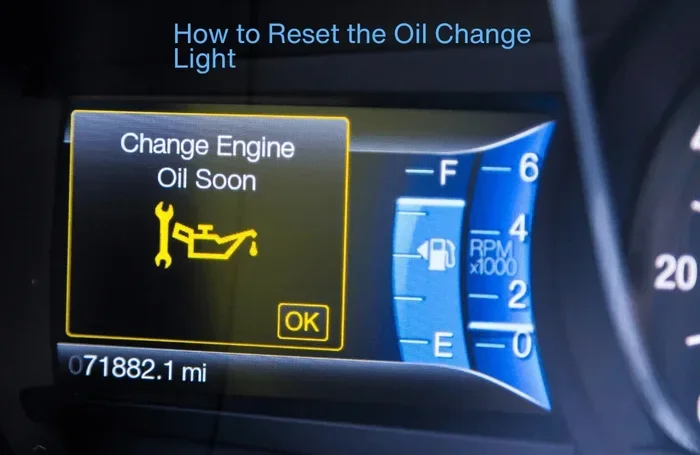
- Check oil light: This symbol often resembles a genie lamp or the word “OIL.” It typically indicates the oil level is low, not necessarily a pressure problem. It may also come on when you need an oil change.
Some cars combine both warnings into a single message on the digital display. Never ignore these lights. They are designed to protect your engine. If the check oil light stays on while driving, you should stop and investigate.
Unusual Engine Noises
A healthy engine runs quietly with a soft hum. When oil levels drop, you may hear new sounds. These noises are your car’s way of crying for help.
- Engine knocking: A rhythmic tapping or knocking that gets louder as you accelerate. This happens when the oil film between pistons and cylinder walls breaks down.
- Valve train ticking: A fast, light ticking sound from the top of the engine. Low oil fails to hydrate the hydraulic lifters, causing them to chatter.
- Metallic grinding: A harsh, grinding noise means metal parts are making direct contact. This is a serious sign of critically low oil.
If you hear any of these sounds, check the oil level immediately. Continuing to drive with an engine knock can destroy the engine within miles.
Oil Smell and Visible Smoke
Your sense of smell can also detect problems. Burning oil produces a distinct, acrid odor. You might notice this smell inside the cabin or from under the hood. Often, low oil causes oil to contact hot engine parts and burn off. This leads to blue or gray smoke from the exhaust.
Sometimes oil leaks onto hot engine surfaces like the exhaust manifold. The smell gets strong, and you may see smoke dripping or rising. This situation requires urgent attention because leaked oil can ignite and cause a fire.
How to Check Your Oil Level
Checking your oil is the most reliable way to know if you are low. Most cars allow you to do this at home with no tools. I’ll show you the two main methods.
Using the Oil Dipstick
The traditional dipstick method works on most older vehicles and many modern ones. Follow these steps:
- Park your car on a level surface and turn off the engine.
- Wait a few minutes for the oil to drain back into the pan.
- Open the hood and locate the dipstick. It usually has a brightly colored handle.
- Pull the dipstick out and wipe it clean with a rag or paper towel.
- Reinsert the dipstick fully, then pull it out again.
- Look at the oil level on the stick. It should fall between the minimum and maximum marks.
- Also check the oil color. Healthy oil is amber or brown. Black, gritty oil needs changing.
This simple check takes under two minutes. Make it part of your monthly routine. If the level sits near the minimum mark, you should add oil right away.
Electronic Oil Level Sensors
Many newer cars no longer have a traditional dipstick. Instead, they use an oil level sensor connected to the car’s computer. You check the level through the dashboard display or infotainment system.
The procedure varies by manufacturer. Usually, you turn the ignition to the “on” position without starting the engine. Then you navigate to the vehicle information menu. The screen will show the current oil level as a percentage or a simple full/low indicator. Consult your owner’s manual for the exact steps for your model.
Even with electronic sensors, it’s wise to physically inspect the oil if you notice any warning signs. Sensors can fail, and a manual check never hurts.
Common Causes of Low Oil
Understanding why oil levels drop helps you prevent the problem. Some causes are normal; others signal a deeper issue.
Leaks and Consumption
Oil leaks are one of the most common reasons for low oil. Leaks can develop from worn gaskets, loose oil pan bolts, or damaged seals. You might see dark spots under your parked car. A slow leak can drain your oil over weeks without you noticing.
Some engines also consume oil as part of normal operation. This is called oil burn-off. Piston rings and valve seals can allow small amounts of oil to enter the combustion chamber. If you drive a high-mileage vehicle, you may need to top up oil between changes. The oil consumption rate varies by engine design. A well-maintained car should not burn more than one quart per 1,000 miles.
Oil Change Intervals
Skipping or delaying oil changes leads to low oil indirectly. Old oil breaks down and loses its effectiveness. It may also evaporate or leak out faster. Following the manufacturer’s recommended oil change interval keeps your system healthy. Most cars need an oil change every 5,000 to 7,500 miles, but check your owner’s manual for the exact specification.
Using the wrong oil viscosity can also cause problems. Thinner oil may leak past seals more easily, while thicker oil may not flow properly to all parts. Always use the grade recommended by your car’s maker.
What to Do If You’re Low on Oil
Finding your oil level low can be stressful, but staying calm helps. Here’s a clear action plan.
Immediate Steps to Take
- Stop driving safely: If the oil pressure warning light comes on, pull over and turn off the engine immediately. Driving with no oil pressure destroys engines within minutes.
- Check the dipstick: Confirm the level is low. If you’re not sure, add a small amount of the correct oil type.
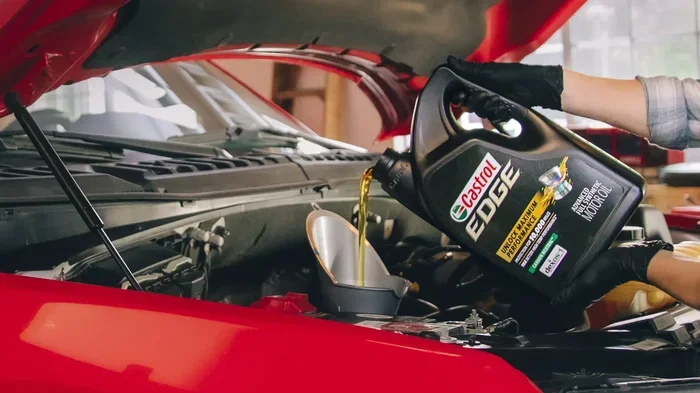
- Top up the oil: Use the grade specified in your owner’s manual. Pour slowly and recheck the level after a few minutes. Do not overfill.
- Inspect for leaks: Look under the car for fresh drips or puddles. Check around the oil filter and drain plug.
After topping up, you can usually drive carefully to a nearby service center. But if the oil level was critically low or you heard knocking, have the car towed. Driving on a damaged engine makes the problem worse.
When to See a Mechanic
Some situations require professional help. If you notice oil stains under your car frequently, schedule an inspection. A mechanic can find the source of the leak and fix it. Similarly, if your car uses oil faster than normal, a technician can diagnose whether worn piston rings, valve seals, or a faulty oil level sensor is the cause.
Regular car engine maintenance includes oil analysis. Some shops offer used oil testing to check for metal particles or contamination. This proactive step catches problems long before they become expensive repairs.
Preventing Low Oil Problems
Prevention is always easier and cheaper than repair. A few simple habits keep your oil at the right level.
Build a Regular Maintenance Routine
Set a reminder to check your oil every month or before a long road trip. Make it part of your weekend routine. Keep a log of your oil levels and change dates. This habit helps you spot trends, like a gradual drop that might indicate a slow leak.
Always use high-quality oil and OEM or approved filters. Cheap oil breaks down faster and may not protect your engine properly. Investing in good oil extends the life of your engine.
Monitor Oil Between Changes
Even with regular oil changes, levels can drop unexpectedly. Pay attention to your car’s behavior. If the check oil light flickers on briefly at idle, it might just be a sensor glitch. But if it stays on or comes on while driving, treat it as an emergency.
Keep a spare quart of oil in your trunk. This simple preparation can save you if you run low on a long drive. Just make sure the spare matches your engine’s required viscosity.
Address Warning Signs Promptly
Don’t dismiss the first signs of trouble. A faint oil smell or a slight ticking noise is worth investigating. Catching a small leak early prevents a major repair. Many drivers wait until the problem becomes obvious, and by then the damage is done.
Trust your instincts. If something feels off with your car, check the oil. A quick look under the hood can reveal a lot. Staying proactive keeps your engine healthy for years.
Conclusion
So, can you tell if your car is low on oil before it’s too late? Yes, you can. Your car gives you multiple warning signs, from dashboard lights to engine noises and oil smells. By learning these signals and checking your oil regularly, you catch problems early. Simple habits like monthly dipstick checks and timely oil changes protect your engine from severe damage.
Remember, low oil is not just a minor annoyance. It’s a serious condition that can end your engine’s life. Take every warning seriously. Top up oil when needed, fix leaks promptly, and follow your maintenance schedule. Your car will reward you with reliable performance and a longer lifespan. Stay alert, stay informed, and keep your engine properly lubricated. The few minutes you spend checking your oil today can save you thousands tomorrow.
Frequently Asked Questions
Can you tell if your car is low on oil just by listening?
Yes, often you can. Low oil frequently causes engine knocking, ticking, or a noticeable increase in noise from the valve train. These sounds happen because the oil film between moving parts breaks down. If you hear new or louder engine noises, check your oil level right away.
How long can you drive with low oil before damage occurs?
It depends on how low the oil level is. Driving with just a little below the minimum mark for a short distance might not cause immediate harm. However, running the engine with critically low oil for even a few minutes can lead to scoring and permanent damage. Always top up oil before driving if the level is low.
What is the difference between the oil pressure warning light and the check oil light?
The oil pressure warning light indicates that the pressure of the oil circulating through the engine is too low. This is often a more urgent situation. The check oil light typically signals that the oil level is low or that the system needs service. Both require prompt attention, but oil pressure loss is more immediately dangerous.
Can low oil cause a car to shut off while driving?
Yes, severely low oil can trigger a safety shutdown in modern vehicles. The engine control unit may disable the ignition to prevent catastrophic damage. If your car stalls and the oil pressure light was on, low oil is a likely cause. Have the vehicle towed to a repair shop.
Is it normal for a car to lose a little oil between changes?
A small amount of oil consumption is normal in many engines, especially high-mileage vehicles. Burning roughly one quart per 1,000 miles is often within acceptable limits. However, losing more than that or needing to add oil frequently suggests a leak or internal oil consumption problem that needs inspection.
Does checking the oil when the engine is cold give an accurate reading?
Both cold and warm checks have merits. Checking with a cold engine after it has sat for a few hours allows the oil to settle fully in the pan, giving a true level reading. Checking after a warm drive shows the oil at operating temperature and can reveal leaks that only appear when hot. For most drivers, checking with a cold engine once a month is the best routine.