Can a Beginner Change a Timing Belt Without a Mechanic
Can a beginner change a timing belt without a mechanic? Yes, but it requires patience, the right tools, and a solid understanding of your engine. A timing belt replacement is one of the most critical maintenance jobs you can tackle yourself if you follow the proper steps. This guide walks you through every stage, from recognizing warning signs to completing the swap safely. We also highlight common mistakes and share expert tips that help beginners avoid costly errors. By the end, you will know exactly whether this DIY car repair is right for your skill level and vehicle.
Changing a timing belt is one of those jobs that makes many car owners nervous. It sounds complicated, and honestly, it can be. But does that mean a beginner cannot do it? The short answer is no, a beginner absolutely can change a timing belt without a mechanic. It just takes some mechanical knowledge, the right tools, and a willingness to learn.
Every car owner should understand how their engine works. The timing belt is a hidden but essential part of your vehicle. It keeps the camshaft and crankshaft spinning in perfect sync. When it wears out or breaks, the consequences can be severe. That is why knowing how to replace it is such a valuable skill. In this article, we will walk you through the entire process in simple, easy-to-follow steps.
Key Takeaways
- It is possible: A motivated beginner can change a timing belt with the right guidance and tools.
- Preparation is everything: Having the correct timing belt kit, repair manual, and workspace saves time and frustration.
- Engine type matters: Interference engines carry higher risk if the belt breaks, making proper installation critical.
- Timing marks must align: Even a small misalignment can cause serious engine damage.
- Know your limits: Some tasks are better left to a professional, and that is perfectly okay.
- Cost savings are real: DIY timing belt replacement can save hundreds compared to shop labor.
- Safety first: Always disconnect the battery and follow every safety precaution before starting.
📑 Table of Contents
- What Is a Timing Belt and Why Does It Matter?
- Signs Your Timing Belt Needs Replacement
- Tools and Supplies You Will Need
- Step-by-Step Guide to Changing a Timing Belt
- Common Mistakes Beginners Make
- When to Call a Professional Instead
- Benefits of Learning DIY Timing Belt Replacement
- Final Thoughts on Changing a Timing Belt as a Beginner
What Is a Timing Belt and Why Does It Matter?
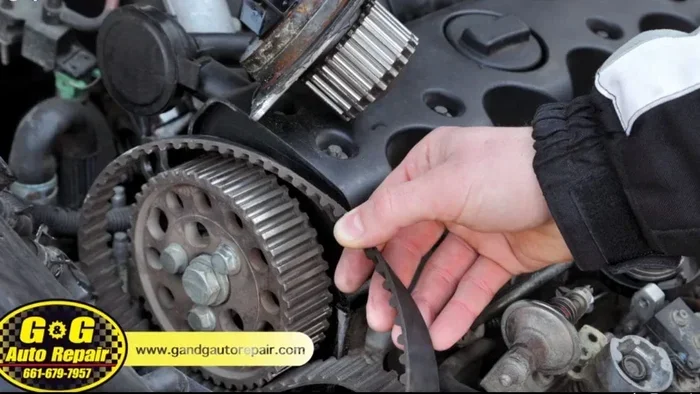
The timing belt is a strong rubber belt with teeth. It sits inside the engine and connects the crankshaft to the camshaft. The crankshaft moves the pistons up and down. The camshaft opens and closes the valves at the right time. If these two parts fall out of sync, your engine will not run properly.
Some cars use a serpentine belt instead. That belt powers accessories like the alternator and air conditioning. The serpentine belt is different from the timing belt. Do not confuse the two. The timing belt is hidden inside a cover at the front of the engine. It is not visible during normal inspections.
Why Timing Belt Maintenance Is Critical
Most manufacturers recommend replacing the timing belt every 60,000 to 100,000 miles. Check your repair manual for the exact timing belt interval for your vehicle. Ignoring this schedule can lead to a broken belt. A broken belt on an interference engine can cause bent valves and serious internal damage.
The cost of a timing belt replacement at a shop can range from 500 to over 1,500 dollars. Much of that cost comes from labor. Doing it yourself eliminates the labor charge entirely. That is a big reason many beginners consider this DIY car repair project.
Signs Your Timing Belt Needs Replacement
You do not always get a warning when a timing belt is about to fail. However, there are a few symptoms you should watch for. Catching these signs early can prevent a roadside breakdown.
Here are the most common timing belt symptoms to look out for:
- Ticking noise from the engine: A ticking sound when the engine is running can indicate a worn belt.
- Engine won’t start: If the belt has snapped, the engine will not turn over.
- Rough idling: A belt that is slipping can cause the engine to run unevenly at idle.
- Oil leaks near the engine: A damaged belt cover can leak oil, which accelerates belt wear.
- Visible wear on the belt: If you can see cracks, fraying, or missing teeth, it is time for a replacement.
If you notice any of these signs, do not ignore them. A broken timing belt can leave you stranded and cause thousands of dollars in engine damage. Acting quickly saves you money and stress.
Understanding Engine Interference
Not all engines are the same. Some engines are called interference engines. In these engines, the pistons and valves share the same space inside the cylinder. If the timing belt breaks, the pistons can hit the open valves. This causes bent valves and expensive repairs.
Other engines are non-interference engines. If the belt breaks in a non-interference engine, the pistons and valves do not collide. The damage is less severe. You can find out which type your engine is by checking the engine manual or searching online for your vehicle model.
Tools and Supplies You Will Need
Before you start, gather everything you need. Having the right tools makes the job much smoother. It also reduces the risk of mistakes. Here is a checklist of what you will need for timing belt replacement:
- Timing belt kit: This includes the belt, tensioner, and idler pulleys. Always buy a kit specific to your vehicle.
- Wrench set: You will need various sizes to remove bolts and the belt cover.
- Socket set: A quality socket set helps you reach bolts in tight spaces.
- Torque wrench: This tool ensures you tighten bolts to the correct specification.
- Repair manual: Your vehicle-specific manual has step-by-step instructions and timing belt torque specs.
- Penetrating oil: Rusted bolts can be stubborn. Spray them with penetrating oil the night before.
- Safety gloves and glasses: Protect your hands and eyes from debris and sharp edges.
- Jack and jack stands: You may need to lift the vehicle for better access.
Do not try to save money by using low-quality tools. A wrench set that slips can strip bolts and damage parts. Invest in good tools, and they will last for many projects to come.
Setting Up Your Workspace
Choose a clean, flat, and well-lit area to work. A garage is ideal. Make sure you have enough room to move around the vehicle. Lay down a drop cloth to keep parts clean and organized.
Disconnect the negative battery cable before you begin any work. This is a critical safety step. It prevents electrical shorts and keeps you safe while working on the engine. Always follow this step for every DIY car repair project.
Step-by-Step Guide to Changing a Timing Belt
Now let us get into the hands-on part. This guide gives you a clear roadmap. Follow each step carefully and do not rush. Take your time, and you will get great results.
Step 1: Remove the Engine Covers and Accessories
Start by removing the outer engine covers. You will also need to take off any accessories that block your access. This might include the alternator belt, power steering pump, or air conditioning compressor. Use your wrench set to loosen and remove the mounting bolts.
Keep all bolts and small parts organized. Use a muffin tin or a parts tray to store them. Label each container with the part name. This makes reassembly much easier.
Step 2: Locate the Timing Belt and Mark the Timing
Once the covers are off, you will see the timing belt. Before you remove anything, find the timing marks on the crankshaft and camshaft. These marks show you the exact position of the belt.
Use a marker or paint pen to make reference marks on the gears and the belt. This is very important. If you lose track of the engine timing marks, the engine will not run correctly. Take a photo with your phone so you have a reference.
Step 3: Release Belt Tension and Remove the Old Belt
Find the timing belt tensioner. Use your socket to rotate it and release the tension on the belt. Once the tension is released, carefully slide the old belt off the pulleys.
Inspect all the pulleys and the tensioner as you go. Look for wear, cracks, or wobbling. If any part looks damaged, replace it now. It is much cheaper to replace a pulley during this job than to come back later.
Step 4: Install the New Timing Belt
Now it is time to install the new belt. Start by looping the belt around the crankshaft pulley first. Then route it around the idler pulleys and the camshaft sprocket.
Make sure the belt is seated properly in every groove. Check your reference marks again. The engine timing marks must align exactly. A small offset can cause the valves to open at the wrong time.
Once the belt is in place, use the torque wrench to set the tensioner to the correct belt tension. Your repair manual will have the exact spec. Do not guess this step. Proper tension is essential for a long-lasting belt.
Step 5: Reassemble and Test
Reinstall all the accessories and covers you removed earlier. Tighten every bolt to the proper torque. Double-check your work before you start the engine.
Reconnect the battery. Turn the key and listen carefully. The engine should start smoothly and idle evenly. If you hear any unusual noises or the engine does not start, turn it off immediately. Check your timing marks again.
Take the car for a short test drive. Pay attention to how it runs. If everything feels normal, you have successfully completed the job. Congratulations!
Quick Tips for a Smooth Installation
- Always replace the water pump at the same time if it is driven by the timing belt.
- Use anti-seize compound on bolt threads to prevent rust.
- Never rotate the crankshaft independently of the camshaft after the belt is installed.
- Take photos at every stage for reference during reassembly.
- Work in a well-ventilated area and keep your workspace clean.
Common Mistakes Beginners Make
Even with the best instructions, mistakes happen. Knowing what to avoid helps you stay on track. Here are the most common errors beginners make during timing belt replacement:
- Skipping the repair manual: Every engine is different. The manual has specific instructions and timing belt torque specs you must follow.
- Misaligning the timing marks: This is the most dangerous mistake. Misaligned marks can cause valve damage in an interference engine.
- Reusing old parts: Always use a new timing belt kit. Reusing an old tensioner or idler pulley risks failure.
- Over-tightening bolts: Use a torque wrench. Over-tightening can strip threads or crack engine components.
- Rushing the process: This is not a job to hurry through. Take your time and stay focused.
- Forgetting to check belt tension: Improper belt tension leads to premature wear and noise.
Avoiding these mistakes will save you time, money, and a lot of headaches. If you are unsure about any step, it is okay to pause and research further.
When to Call a Professional Instead
There is no shame in calling a mechanic. Some situations make professional help the smarter choice. Here are a few signs that you should consider taking your vehicle to a shop:
- You have never worked on an engine before and feel overwhelmed.
- The timing belt replacement involves a complex engine layout that is hard to access.
- You do not have the right tools or workspace.
- You notice internal engine damage during the process.
- The timing belt cost at a local shop is within your budget and the labor is reasonable.
A professional mechanic has the experience and equipment to handle tricky jobs quickly. If you are not comfortable, there is no reason to push yourself. The goal is to keep your car running safely and reliably.
How Much Does a Timing Belt Replacement Cost?
The timing belt cost varies depending on your vehicle and location. A timing belt kit typically costs between 100 and 300 dollars. If you pay a mechanic for labor, you can expect to pay an additional 300 to 1,200 dollars. That is why many beginners choose the DIY car repair route. Doing it yourself saves you the labor cost and gives you full control over the quality of parts used.
Keep in mind that the total timing belt replacement cost also depends on whether you need to replace the water pump or other components at the same time. Bundling these jobs together saves money in the long run.
Benefits of Learning DIY Timing Belt Replacement
Taking on this project has many benefits beyond just saving money. Here are some reasons why learning timing belt replacement is worth your time:
- You gain confidence: Completing a complex job like this builds your mechanical skills and self-trust.
- You understand your vehicle better: Hands-on experience helps you spot problems earlier.
- You save money: Eliminating labor costs can save you hundreds of dollars.
- You are prepared for emergencies: If your belt fails on the road, you will know exactly what to do.
- It is rewarding: There is a real sense of accomplishment when you finish a challenging repair.
Every repair you complete makes the next one easier. Start with simpler jobs and work your way up to timing belt replacement. With practice and patience, you will become a capable home mechanic.
Final Thoughts on Changing a Timing Belt as a Beginner
So, can a beginner change a timing belt without a mechanic? Yes, they can. It is a challenging but very doable project for someone who is willing to learn. The key is preparation. Gather your tools, get your repair manual, and follow each step carefully.
Do not let the complexity scare you. Every expert was once a beginner. Start with a timing belt replacement on a vehicle you are comfortable with. Take your time, stay safe, and do not hesitate to ask for help if you need it.
The timing belt is the heartbeat of your engine. Keeping it in great shape ensures your car runs smoothly for years to come. Whether you do the job yourself or hire a professional, the most important thing is that the belt gets replaced on schedule.
Now that you have all the information, you are ready to decide. If you feel confident, grab your tools and give it a try. If not, that is perfectly fine too. The best decision is the one that keeps you and your vehicle safe.
Frequently Asked Questions
How hard is it to change a timing belt for a beginner?
It is moderately difficult. The job requires patience, mechanical aptitude, and careful attention to timing marks. With a good repair manual and the right tools, most beginners can complete it successfully.
What happens if the timing belt is installed incorrectly?
Incorrect installation can cause the engine to run poorly or not at all. In an interference engine, a misaligned belt can bend valves and cause expensive internal damage. Always double-check your timing marks.
How long does it take a beginner to replace a timing belt?
A beginner should expect to spend 4 to 8 hours on the job. Experienced mechanics can do it in 2 to 3 hours. Take your time and do not rush, especially if it is your first attempt.
Can I reuse the old tensioner and idler pulleys?
It is best to replace them with new parts. The timing belt kit includes a new tensioner and idler pulleys for a reason. Reusing old parts increases the risk of failure and can void your warranty.
Do I need special tools to change a timing belt?
You need a standard wrench set, socket set, torque wrench, and penetrating oil. A timing belt tensioner tool may also be required depending on your vehicle. Check your repair manual for the specific tools needed.
Is it cheaper to change a timing belt yourself or at a shop?
Doing it yourself is usually cheaper because you eliminate labor costs. The timing belt cost for the parts is typically 100 to 300 dollars. Shop labor can add another 300 to 1,200 dollars to the total.
=== CONCLUSION ===
Can a beginner change a timing belt without a mechanic? Absolutely. With the right preparation, tools, and guidance, this is a rewarding DIY car repair project that saves you money and builds your mechanical skills. The key to success is patience, precision, and following every step in your vehicle’s repair manual.
Remember to check your timing belt interval and replace the belt before it fails. A proactive approach prevents costly engine damage and keeps your vehicle running reliably. Whether you are a first-time DIYer or a seasoned home mechanic, timing belt replacement is a job that pays off in confidence and savings.
Take your time, stay safe, and enjoy the satisfaction of keeping your car in top shape. You have got this.