Here Is The Answer At What Mileage Do Transmissions Go Bad
At what mileage do transmissions go bad? Most transmissions start showing wear between 100,000 and 150,000 miles, but many can last 200,000 miles with proper care. The real answer depends on driving habits, fluid changes, and the type of vehicle. This guide breaks down the exact mileage thresholds, warning signs, and maintenance tips to keep your transmission running strong.
At what mileage do transmissions go bad? That is the question every car owner worries about, especially when the odometer starts climbing. The honest answer is that there is no single magic number. A transmission is one of the most complex and hardworking parts of your vehicle. It handles thousands of gear changes every day, and its lifespan depends on how you treat it.
For many drivers, transmission failure begins to show up around the 100,000-mile mark. However, a well-maintained transmission in a daily commuter can easily push past 200,000 miles. On the other hand, a truck that tows heavy loads or a car stuck in constant city traffic might start having problems at 80,000 miles. The difference comes down to maintenance, driving style, and the type of transmission you have.
In this article, we will walk through the exact mileage ranges, the early warning signs, and the simple habits that can add years to your transmission. Whether you drive an automatic transmission or a manual gearbox, you will find practical advice that helps you avoid a costly transmission repair. Let us get into it.
Key Takeaways
- Average Failure Mileage: Most transmissions begin failing between 100,000 and 150,000 miles, but well-maintained units can reach 200,000+ miles.
- Driving Habits Matter: Towing, stop-and-go traffic, and aggressive driving accelerate wear and shorten transmission lifespan.
- Fluid Changes Are Critical: Regular transmission fluid changes flush out debris and prevent overheating, extending life significantly.
- Warning Signs Are Early: Slipping gears, delayed shifting, and strange noises are clear signals that a transmission repair is needed.
- Type Affects Longevity: Automatic transmissions and CVTs have different failure patterns than manual gearboxes.
- Repair vs Replace: A rebuild is often cheaper than a full replacement, but timing is everything.
📑 Table of Contents
Understanding Transmission Lifespan
Every transmission has a designed lifespan, but that number is not set in stone. Manufacturers build these components to last the life of the vehicle in theory, but real-world conditions tell a different story. The key is understanding what wears them out and how to slow that process.
What Affects Transmission Mileage?
Several factors determine how many miles a transmission will last before it needs major work. The first is simply the miles on the clock. More miles mean more gear engagements, more heat, and more friction. But miles alone do not tell the whole story.
Driving habits play a huge role. If you love to accelerate hard, ride the brakes, or tow beyond your vehicle’s capacity, your transmission takes a beating. Stop-and-go city driving creates a lot of heat buildup, which breaks down transmission fluid faster. Highway cruising is much gentler on the system.
Climate matters too. Extreme heat melts seals and degrades fluid. Extreme cold makes fluid thick and sluggish, which means less lubrication during those critical first few miles of a cold start. Even the quality of the transmission fluid itself changes the equation. Cheap or wrong fluid can cause premature wear.
Quick Tip: Always check your owner’s manual for the recommended transmission fluid type. Using the wrong fluid is one of the fastest ways to damage a transmission.
The Average Mileage for Transmission Failure
So at what mileage do transmissions go bad on average? For most automatic transmissions, you can expect problems to start appearing between 100,000 and 150,000 miles. Manual transmissions often last a bit longer because they have fewer complex parts, but they still wear out. A well-cared-for manual gearbox can reach 200,000 miles or more.
CVT (Continuously Variable Transmission) units are a different beast. They are very common in modern economy cars, but they can be sensitive. Many CVTs start showing signs of wear around 80,000 to 120,000 miles, especially if the fluid is not changed on time. The good news is that newer CVTs are improving, and some can go well beyond 150,000 miles with proper care.
Common Mistake: Many drivers ignore the early warning signs because the car still moves. A slight slip or a small delay in shifting seems minor, but it often signals the beginning of the end. Catching these signs early saves thousands of dollars.
Warning Signs Your Transmission Is Going Bad
You do not have to wait for the odometer to hit a certain number to know something is wrong. Transmissions give clear signals long before they completely fail. Learning these signs helps you take action before the damage becomes irreversible.
Early Symptoms to Watch For
The first sign is often a subtle change in how the car feels. You might notice a slight delay when shifting from Park to Drive. The engine might rev a little higher than usual before the car moves. These small quirks are your transmission asking for help.
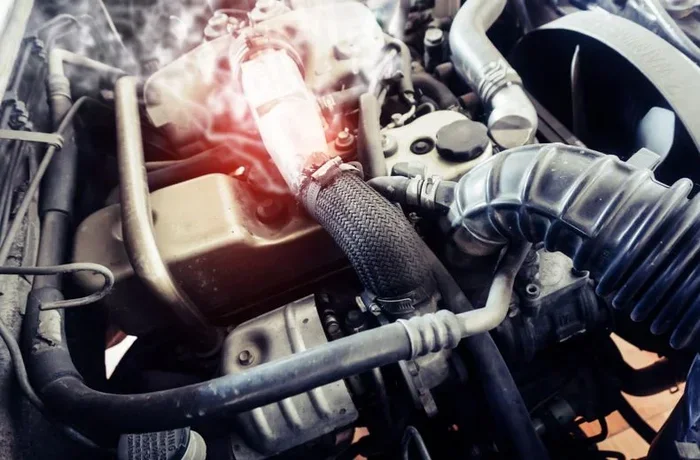
Another early symptom is a burning smell. This usually means the transmission fluid is overheating or old. Fresh fluid smells slightly sweet or tart. If it smells burnt, the fluid is breaking down and no longer lubricating properly. Burning fluid leads to increased friction, which damages internal components fast.
Leaking fluid is a big red flag. Transmission fluid is typically red or reddish-brown and slippery. If you see a puddle under your car, do not ignore it. Low fluid levels mean the gears are not getting enough lubrication, and metal-on-metal contact will destroy the transmission quickly.
Expert Insight: Many mechanics say that checking the transmission fluid dipstick once a month is the single best habit for extending transmission lifespan. It takes 30 seconds and can catch problems months before they become expensive repairs.
Late-Stage Failure Signs
As the transmission deteriorates, the symptoms become impossible to ignore. The car might slip in and out of gear while driving. You could feel a jerking or shuddering motion, especially when accelerating. Some drivers hear a whining or clunking noise that gets louder with every mile.
At this stage, the transmission might refuse to shift at all. You could be stuck in one gear, or the car might not move at all even when the engine is running. This is a clear sign that a major transmission repair or replacement is needed.
Quick Tip: If your car starts slipping or jerking, avoid hard acceleration and get it to a shop as soon as possible. Continuing to drive on a failing transmission can turn a $500 repair into a $3,000 replacement.
Mileage Breakdown by Transmission Type
Not all transmissions age the same way. The type of transmission in your vehicle plays a big role in determining when it might fail. Here is a closer look at how different transmission types hold up over time.
| Transmission Type | Average Lifespan | Common Failure Mileage | Key Weakness |
|---|---|---|---|
| Traditional Automatic | 150,000–200,000 miles | 100,000–150,000 miles | Torque converter wear, solenoid failure |
| CVT (Continuously Variable) | 100,000–150,000 miles | 80,000–120,000 miles | Belt or chain stretching, pulley wear |
| Manual Transmission | 150,000–250,000 miles | 120,000–200,000 miles | Clutch wear, synchro damage |
| Dual-Clutch (DCT) | 120,000–180,000 miles | 90,000–140,000 miles | Actuator failure, clutch pack wear |
The numbers above are averages. A transmission that has had fresh fluid every 30,000 miles and gentle driving habits will easily outperform these estimates. On the flip side, a transmission that has been neglected or abused can fail well before the lower end of the range.
Expert Insight: When shopping for a used car, always ask for the transmission fluid change history. A vehicle with documented regular fluid changes is far less risky than one with no records, even if the mileage is lower.
How Mileage and Maintenance Interact
Mileage is not the only enemy. The way you maintain your transmission at every stage of its life determines whether it hits 100,000 miles in good health or starts falling apart at 60,000 miles. The interaction between miles driven and care given is where the real story lies.
The Role of Transmission Fluid
Transmission fluid is the lifeblood of your transmission. It cools the internal components, provides hydraulic pressure for shifting, and reduces friction between gears. As transmission fluid ages, it loses its ability to do these jobs. Contaminants build up, the fluid darkens, and its protective additives break down.
At around 50,000 to 60,000 miles, many manufacturers recommend a transmission fluid change. Some modern cars claim the fluid is “lifetime” and never needs changing. In our experience, that is rarely true. Even so-called lifetime fluid benefits from a change at the 60,000-mile mark to flush out metal particles and sludge.
A transmission flush is more thorough than a simple drain and fill. It uses a machine to push out old fluid from the cooler lines and torque converter, replacing it with fresh fluid. This is especially important for vehicles with over 80,000 miles. A flush can prevent the buildup that leads to premature failure.
Common Mistake: Many drivers never check the transmission fluid level. They check the engine oil but forget the transmission. Low fluid is the number one cause of transmission overheating and eventual failure.
Service Intervals That Extend Life
Sticking to a regular service schedule is the best way to push your transmission past the average failure mileage. Here is a simple maintenance timeline to follow.
- Every 30,000 miles: Inspect the transmission fluid condition and level. Top off if needed.
- Every 60,000 miles: Perform a transmission fluid change or flush, depending on your driving conditions.
- Every 100,000 miles: Have a professional inspect the transmission pan for metal shavings. This is a key indicator of internal wear.
- At 150,000 miles: Consider a proactive fluid service even if the fluid looks okay. Prevention is cheaper than repair.
Drivers who live in hot climates or tow heavy loads should shorten these intervals by about 20 percent. Heat is the biggest killer of transmissions, and more frequent fluid changes help combat that.
Quick Tip: If you ever notice the transmission fluid looks brown or black instead of bright red, do not wait for the next service interval. Change it immediately. Dark fluid means it is already degraded and not protecting your gears.
When to Repair vs Replace
At some point, every transmission reaches a crossroads. The question shifts from “Can it be saved?” to “Is it worth fixing?” Knowing when to opt for a transmission repair versus a full replacement can save you thousands of dollars and a lot of headaches.
Cost Considerations at High Mileage
The cost of transmission repair varies wildly depending on the damage. A simple solenoid replacement or seal fix might cost between $300 and $800. A rebuilt transmission typically runs from $1,800 to $3,500, including labor. A complete replacement with a remanufactured unit can hit $4,000 to $7,000 or more.
At high mileage, you have to weigh the repair cost against the vehicle’s overall value. If your car is worth $5,000 and a transmission replacement costs $4,500, you might be better off selling the car for parts or investing in a different vehicle. However, if the car is otherwise in great shape and has low body mileage, a rebuild is often the smarter choice.
Common Mistake: Some owners choose the cheapest repair quote they find. A low price often means used parts or a shop with limited experience. A botched transmission repair can lead to total failure within a few months, costing even more in the long run.
Rebuild vs Replacement
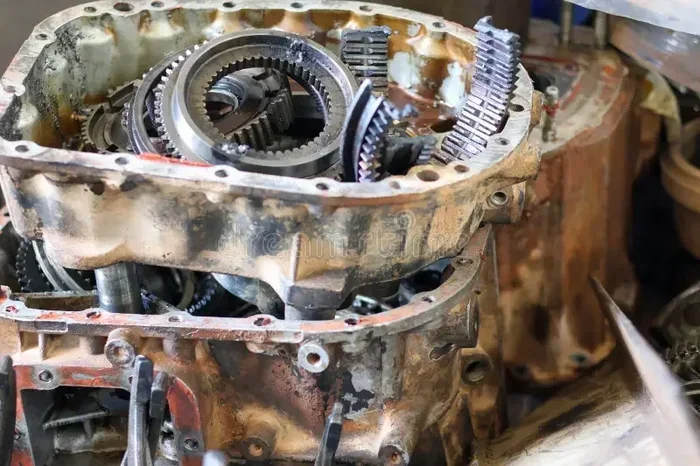
A rebuild means the technician disassembles the transmission, replaces worn components like clutches, seals, and bearings, and reassembles it with new parts. The core of the transmission is reused. This is usually cheaper than a full replacement and can extend the life of the unit by another 100,000 miles if done right.
A replacement involves swapping in a remanufactured or used transmission from a salvage yard. This is faster but can be more expensive. A remanufactured unit comes with a warranty, which gives peace of mind. A used unit is a gamble because you do not know its history.
Expert Insight: Always ask for a warranty on any transmission repair or replacement. A reputable shop will stand behind their work with at least a 12-month or 12,000-mile warranty. If they hesitate, keep looking.
How to Extend Your Transmission’s Life
The best way to deal with transmission failure is to prevent it from happening in the first place. You cannot control every factor, but you can adopt habits that dramatically reduce wear and help your transmission last well beyond the average mileage.
Daily Habits That Help
Start with the basics. Come to a complete stop before shifting from Drive to Reverse. Rolling backward and then shifting puts enormous stress on the planetary gears. It is a habit many drivers have without realizing it, and it is one of the fastest ways to damage a transmission.
Give your car time to warm up in cold weather. Idling for 30 to 60 seconds allows the transmission fluid to circulate and reach the right temperature. Then drive gently for the first few miles. Avoid flooring the accelerator when the engine and transmission are still cold.
If you tow a trailer or carry heavy loads, stay within your vehicle’s rated capacity. Overloading forces the transmission to work harder, generating more heat and wear. Install an auxiliary transmission cooler if you tow frequently. These small additions can add years to your transmission life.
Quick Tip: Use your parking brake every time you park, even on flat ground. It reduces the load on the transmission parking pawl, which is a small but important component that can break if stressed.
Regular Inspections
Beyond fluid changes, regular inspections catch small problems before they grow. Ask your mechanic to look at the transmission pan during every oil change. Metal shavings on the magnet inside the pan are an early sign of internal wear. A small amount is normal, but large flakes mean something is grinding inside.
Pay attention to how your car shifts. If the shifts feel harsh, delayed, or rough, do not wait. Have a professional hook up a diagnostic scanner and check the transmission control module for error codes. Modern vehicles store codes that point directly to transmission problems long before you feel them.
Common Mistake: Many drivers ignore the check engine light because the car still runs fine. In the case of transmission issues, the check engine light might be the only early warning. Get it checked promptly.
At the end of the day, the answer to at what mileage do transmissions go bad is not a fixed number. It is a range shaped by how you drive and how well you care for the component. With regular transmission fluid changes, gentle driving habits, and prompt attention to warning signs, you can push your transmission well past 150,000 miles and often beyond 200,000 miles. Treat your transmission right, and it will keep you moving for years to come.
Frequently Asked Questions
Can a transmission last 300,000 miles?
Yes, it is possible. Many drivers have reported transmissions lasting 300,000 miles or more when they stick to a strict maintenance schedule. Regular fluid changes, gentle driving, and avoiding overheating are the keys to reaching that milestone.
What is the most common cause of transmission failure?
The most common cause is neglected transmission fluid. Old, dirty, or low fluid leads to increased friction, overheating, and eventual gear damage. Other major causes include towing beyond capacity, aggressive driving, and ignoring early warning signs like slipping or delays.
Is it worth replacing a transmission at 150,000 miles?
It depends on the vehicle’s overall condition and the repair cost. If the car has a clean history and the rest of the body and engine are in good shape, a rebuilt transmission at 150,000 miles can give you another 100,000 miles of service. Always compare the repair cost to the car’s resale value.
How often should I change my transmission fluid?
As a general rule, change the transmission fluid every 60,000 miles. For vehicles used in severe conditions, such as towing or extreme heat, change it every 30,000 to 40,000 miles. Always refer to your owner’s manual for the manufacturer’s specific recommendation.
Does driving style really affect transmission lifespan?
Absolutely. Aggressive acceleration, hard braking, and frequent towing put extra stress on the transmission. Smooth, predictable driving reduces heat and wear, significantly extending the transmission lifespan. Simple habit changes can add tens of thousands of miles to your transmission life.
What is the difference between a transmission rebuild and a replacement?
A rebuild involves disassembling the existing transmission, replacing worn parts, and reusing the core. A replacement means installing a remanufactured or used unit. A rebuild is usually cheaper and can be just as reliable when done by a skilled technician, while a replacement is faster but often more expensive.