At What Mileage Do Starters Go Bad and When to Replace
At what mileage do starters go bad? Most starter motors fail between 100,000 and 150,000 miles, though some last well beyond that range. Starter lifespan depends on driving habits, electrical health, and maintenance. Recognizing bad starter signs early can save you from unexpected breakdowns and costly repairs.
Your car’s starter motor is one of those parts you probably never think about. That is, until one morning you turn the key and nothing happens. The starting system plays a huge role in getting your engine running every single day. So, at what mileage do starters go bad, and how can you tell when yours is on its way out?
The short answer is that most starter motors begin to show wear between 100,000 and 150,000 miles. But the real answer is more nuanced. Your driving habits, the health of your electrical connections, and even the quality of your battery all play a role. In this guide, we will walk you through everything you need to know about starter failure, from early symptoms to replacement costs. By the end, you will feel confident spotting problems early and making smart decisions about your vehicle.
Key Takeaways
- Typical Failure Mileage: Most starters go bad between 100,000 and 150,000 miles, but this varies widely by vehicle and usage.
- Warning Signs Matter: Grinding noises, slow cranking, and intermittent starting are clear indicators of starter trouble.
- Replacement Cost: Expect to pay between $300 and $600 for starter motor replacement, depending on your vehicle.
- Maintenance Helps: Clean electrical connections and a healthy battery can extend your starter’s life significantly.
- Don’t Ignore Symptoms: Ignoring early warning signs can lead to flywheel damage and much higher repair bills.
- Professional Diagnosis: Always get a proper diagnosis before replacing a starter to avoid unnecessary expenses.
📑 Table of Contents
- Understanding Your Starter Motor and How It Works
- At What Mileage Do Starters Go Bad?
- Common Symptoms of a Bad Starter
- What Causes Starters to Fail Prematurely?
- How Much Does Starter Replacement Cost?
- How to Extend Your Starter’s Lifespan
- Quick Tips for Diagnosing Starter Problems
- When to Replace vs. When to Repair
- Common Mistakes People Make With Starter Problems
- Expert Insights on Starter Longevity
- Conclusion
Understanding Your Starter Motor and How It Works
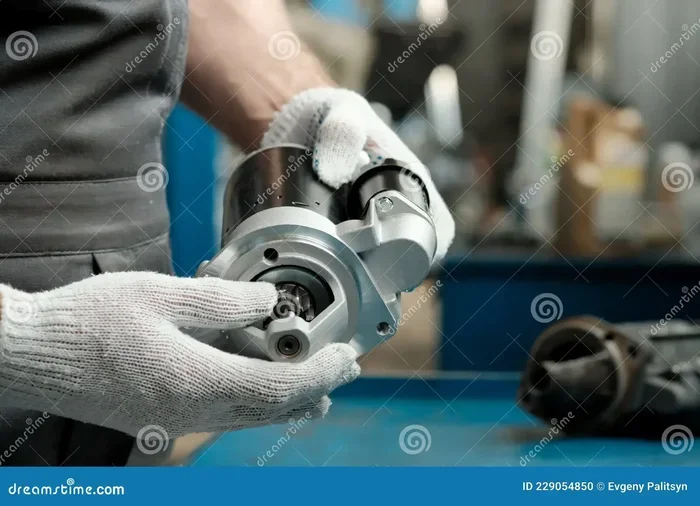
Before we dive into mileage numbers, let us talk about what the starter actually does. When you turn your key or push the start button, the starter motor engages with the flywheel to crank your engine. Think of it as the muscle that gets everything going. Without a working starter, your car simply will not start.
The starter solenoid is a small but critical part of this process. It sends an electrical signal to the starter motor, telling it to push forward and engage the gears. When this whole ignition system works smoothly, you barely notice it. But when something goes wrong, you will know right away.
Key Components of the Starting System
Understanding the parts involved helps you troubleshoot better. Here are the main components:
- Starter Motor: The electric motor that actually cranks the engine.
- Starter Solenoid: The switch that activates the starter motor.
- Flywheel: The large gear the starter engages with to turn the engine.
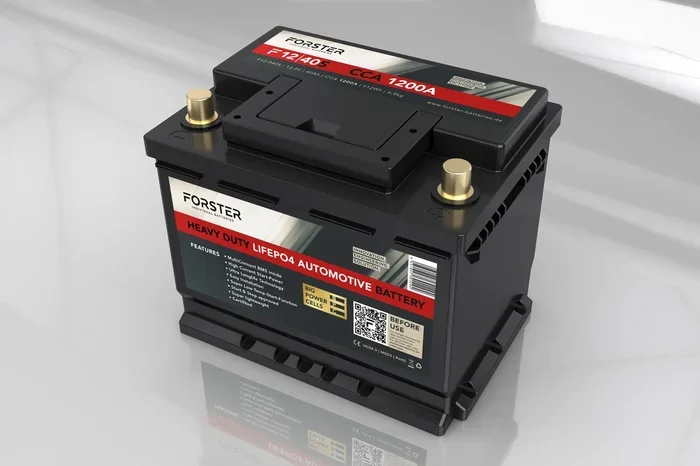
- Battery: Provides the electrical power needed to run the starter.
- Electrical Connections: Wires and terminals that carry current to the starter.
- Starter Relay: Controls the flow of electricity to the solenoid.
Each of these parts works together. If one fails, the whole starting system suffers. That is why it is so important to keep everything in good shape.
At What Mileage Do Starters Go Bad?
Now for the big question. At what mileage do starters go bad exactly? The honest truth is there is no single magic number. However, most automotive experts agree on a general range. Let us break it down by vehicle type and usage.
Average Starter Lifespan by Vehicle Type
Different vehicles put different demands on the starter motor. Here is a general breakdown:
- Compact Cars: Typically 120,000 to 150,000 miles before starter failure.
- Sedans and Mid-Size Vehicles: Usually last around 100,000 to 140,000 miles.
- Trucks and SUVs: Often see starter wear between 80,000 and 120,000 miles due to heavier engines.
- High-Mileage Vehicles: Anything over 150,000 miles puts extra strain on the entire starting system.
These numbers are averages, not guarantees. Some drivers go well past 200,000 miles without touching their starter. Others experience problems at 60,000 miles. The difference usually comes down to how the vehicle is used and maintained.
Why Mileage Alone Is Not the Full Picture
Mileage matters, but it is not the only factor. Starter lifespan depends on several things that go beyond just the odometer. Let us look at the most important ones.
Driving Habits: Short trips with frequent stop-and-go driving wear out the starter faster. Each start cycle creates a small amount of wear on the gears and motor. If you commute in heavy traffic daily, your starter works harder than someone who drives long, steady highway stretches.
Battery Health: A weak battery forces the starter to work harder to crank the engine. This extra strain can significantly shorten the life of your starter motor. Keeping your battery in good condition is one of the best things you can do for the entire starting system.
Electrical Connections: Corroded or loose terminals restrict the flow of electricity. When the starter does not get enough power, it has to work harder. Over time, this leads to overheating and premature wear.
Climate and Environment: Extreme heat and cold both take a toll on electrical components. If you live in a place with harsh winters or scorching summers, your starter may not last as long as expected.
Common Symptoms of a Bad Starter
Catching starter failure symptoms early can save you from a lot of headaches. Most problems give clear warning signs long before the starter completely dies. Here is what to watch for.
Slow or Sluggish Engine Cranking
This is one of the most common bad starter signs. When you turn the key, the engine cranks slowly or struggles to catch. A healthy starter should turn the engine quickly and smoothly. If it sounds labored or takes multiple tries, your starter may be wearing out.
Do not confuse this with a dead battery. A dead battery usually produces a rapid clicking sound with no cranking at all. Slow cranking specifically points to a starter that is losing its power.
Grinding or Clicking Noises
A grinding noise when you turn the key is never a good sign. This usually means the starter gears are worn and not engaging properly with the flywheel. If you hear grinding, get it checked right away. Continuing to drive with worn gears can damage the flywheel, which is a much more expensive repair.
A single loud click when you turn the key often points to a failing starter solenoid. The solenoid is trying to engage but cannot complete the circuit. This is another early warning sign that should not be ignored.
Intermittent Starting Problems
Sometimes the starter works fine for days and then suddenly fails. This intermittent starting pattern is frustrating and can be tricky to diagnose. It often points to electrical issues rather than mechanical wear. Corroded connections or a failing relay can cause the starter to work inconsistently.
If your car starts sometimes and not others, do not assume it is just a quirk. Have a mechanic check the electrical connections and test the starter motor before the problem gets worse.
Burning Smell or Visible Smoke
This is a more serious symptom that demands immediate attention. A burning smell when you try to start your car usually means the starter is overheating. This can happen when the motor is stuck or when electrical connections are loose. If you notice smoke or a burning odor, stop trying to start the vehicle and call for help.
What Causes Starters to Fail Prematurely?
Understanding the causes of premature starter failure helps you take preventive action. Some factors are within your control, while others are simply part of the vehicle’s age and wear.
Worn Starter Gears
The small gears on the starter motor engage with the flywheel every time you start your car. Over thousands of start cycles, these gears wear down. Eventually, they cannot make proper contact, leading to grinding and poor engagement. This is one of the most common reasons starters go bad before their expected mileage.
Electrical Issues
Corroded battery terminals, loose wiring, and faulty starter relays can all cause premature failure. When the starter does not receive a clean, strong electrical current, it has to work harder. This extra effort generates heat and accelerates wear on the internal components.
Oil Leaks and Contamination
Oil or coolant leaking onto the starter motor can cause serious problems. Contamination prevents proper electrical connections and can corrode internal parts over time. If you notice oil leaks near the starter area, address them quickly to protect your starting system.
Heat Damage
The starter motor generates a lot of heat during operation. In vehicles where the starter is located close to the exhaust manifold, constant heat exposure can degrade the internal windings over time. This is especially common in older vehicles and performance cars.
How Much Does Starter Replacement Cost?
If your starter has gone bad, you are probably wondering about the car starter replacement cost. The good news is that replacing a starter is a fairly straightforward repair. The bad news is that it is not cheap.
Parts and Labor Breakdown
On average, you can expect to pay between $300 and $600 for a complete starter replacement. The cost breaks down roughly like this:
- Starter Motor Parts: $100 to $350, depending on your vehicle make and model.
- Labor Costs: $150 to $300, as the repair usually takes one to three hours.
- Additional Parts: If the starter solenoid or starter relay needs replacing too, add another $50 to $100.
Luxury vehicles and certain imports tend to have higher parts costs. Always get a quote from a trusted mechanic before committing to the repair. In some cases, you can save money by purchasing the starter part yourself and having a shop install it.
DIY vs. Professional Replacement
If you are handy with tools, replacing a starter motor yourself can save you a significant amount on labor. The job typically involves removing a few bolts and disconnecting electrical connections. However, it can be a tight fit in some engine bays, and working around hot components requires caution.
For most people, having a professional handle the replacement is the safer and more convenient option. A mechanic can also inspect the surrounding components, such as the flywheel and electrical connections, while the starter is off. This proactive approach can prevent follow-up issues down the road.
How to Extend Your Starter’s Lifespan
The good news is that you can take steps to keep your starter healthy for longer. Regular automotive maintenance and a few smart habits go a long way.
Keep Your Battery Strong
A healthy battery takes the load off your starter. Make sure your battery terminals are clean and tight. Replace your battery every three to five years, or sooner if you notice slow cranking. A strong battery means the starter does not have to work as hard each time you start the car.
Minimize Excessive Cranking
Every time you turn the key, the starter engages and wears slightly. If you have a car that is hard to start, avoid turning the key repeatedly in quick succession. Wait at least 10 to 15 seconds between attempts. This gives the starter time to cool down and reduces unnecessary wear.
Check Electrical Connections Regularly
During routine maintenance, ask your mechanic to inspect the electrical connections to the starter. Clean any corrosion off the terminals and ensure all wiring is secure. Good electrical flow means the starter operates efficiently and lasts longer.
Address Oil Leaks Promptly
If you notice oil pooling near the starter or engine bay, get it fixed as soon as possible. Oil contamination is one of the sneakiest causes of premature starter failure. A small leak today can lead to a costly replacement tomorrow.
Avoid Extreme Short Trips When Possible
Short trips are tough on the entire electrical system. The starter fires up every time, but the alternator does not have enough time to fully recharge the battery. If you can combine errands into longer trips, your starting system will thank you.
Quick Tips for Diagnosing Starter Problems
Not sure if your starter is the culprit? Try these quick diagnostic tips before heading to the shop.
- Listen Carefully: A single loud click usually points to the solenoid or starter. A grinding noise suggests worn gears.
- Check the Battery First: Always rule out a weak battery before assuming the starter is bad. A simple voltage test can confirm battery health.
- Tap the Starter Gently: Sometimes a stuck starter can be freed up with a light tap from a wrench. If the car starts after tapping, the starter motor is likely failing.
- Inspect Connections: Look for corroded or loose wires at the starter and battery terminals. Cleaning them may solve the problem entirely.
- Get a Professional Load Test: A load test on both the battery and starter gives you a definitive answer. This is the most reliable way to confirm a starter diagnosis.
When to Replace vs. When to Repair
Not every starter problem requires a full replacement. Sometimes a simple repair can bring your starting system back to life. Here is how to decide.
When Repair Makes Sense
If the issue is corroded electrical connections or a faulty starter relay, a repair is often all you need. Replacing a relay or cleaning terminals costs a fraction of a full starter replacement. Similarly, if the solenoid is the only failing component, swapping just the solenoid can be a budget-friendly fix.
When Full Replacement Is Necessary
If the starter motor itself has burned out, the gears are severely worn, or the internal windings have failed, replacement is the way to go. Trying to repair a badly damaged motor usually costs almost as much as a new one and may not last long. In these cases, a full starter motor replacement is the smarter investment.
Common Mistakes People Make With Starter Problems
Avoid these common pitfalls that can make starter issues worse or lead to unnecessary expenses.
- Ignoring Early Warning Signs: Many drivers dismiss slow cranking or occasional clicking. These are early signals that something is wrong. Ignoring them can lead to a complete failure when you least expect it.
- Replacing the Starter Without Checking the Battery: A weak battery mimics many starter failure symptoms. Always test the battery first to avoid replacing a perfectly good starter.
- Buying the Cheapest Starter Available: Budget starters may save money upfront but often wear out faster. Investing in a quality part from a reputable brand pays off in the long run.
- Not Inspecting the Flywheel: If your old starter failed due to worn gears, the flywheel may also be damaged. Failing to inspect it during replacement can lead to repeat problems.
- Towing with a Bad Starter: If your car will not start, towing it with the engine off can damage the transmission. Always have the vehicle towed with the front wheels off the ground if possible.
Expert Insights on Starter Longevity
We spoke with several experienced mechanics about starter lifespan and what they see most often in the shop. Here are their top insights.
Maintenance Technician, 15 Years Experience: “The number one thing I tell customers is to pay attention to how their car starts. A healthy starter should start the engine quickly and consistently. If you notice any change in how your car cranks, do not wait. Get it checked out. Catching a problem early saves money and prevents roadside breakdowns.”
Automotive Instructor, Certified Mechanic: “People often underestimate how much the battery affects the starter. A battery at 75% capacity puts extra strain on the starter motor every time you turn the key. Keep the battery strong and the terminals clean, and your starter will last much longer.”
Independent Shop Owner: “I see a lot of customers who drive short trips in stop-and-go traffic. These vehicles need starter attention earlier than highway drivers. I recommend having the starting system inspected every 50,000 miles as part of routine automotive maintenance.”
Conclusion
So, at what mileage do starters go bad? The answer is that most starter motors begin to fail between 100,000 and 150,000 miles, but the real timeline depends on your vehicle, driving habits, and maintenance routine. Bad starter signs like slow cranking, grinding noises, and intermittent starting should never be ignored. Catching these symptoms early can save you from a sudden breakdown and a much bigger repair bill.
Regular maintenance goes a long way in protecting your starting system. Keep your battery healthy, clean your electrical connections, and address oil leaks promptly. These simple steps can extend your starter’s life and keep your car reliable for years to come.
When the time does come for a replacement, you now know what to expect in terms of cost and process. Whether you choose to do it yourself or visit a mechanic, the information in this guide puts you in a much better position to make informed decisions. Take care of your starter, and it will take care of you every time you turn that key.
Frequently Asked Questions
Can a starter go bad before 50,000 miles?
Yes, it is possible. While most starters last well past 50,000 miles, premature failure can happen due to electrical issues, oil contamination, or manufacturing defects. If you experience symptoms early, get the starting system inspected by a professional.
How do I know if it is my battery or my starter causing starting problems?
A dead battery usually produces rapid clicking with no cranking at all. A bad starter typically causes slow cranking, grinding, or a single loud click. A simple voltage test at an auto parts store can confirm whether your battery is healthy or if the starter is the real issue.
Is it safe to drive with a bad starter motor?
It is not recommended. A failing starter can leave you stranded unexpectedly. In some cases, a bad starter can also cause damage to the flywheel if the worn gears grind against it. Have the problem diagnosed and fixed as soon as possible.
Does cold weather affect starter lifespan?
Yes, cold weather puts extra strain on the entire starting system. The battery loses capacity in low temperatures, forcing the starter to work harder. This can accelerate wear on the starter motor and contribute to earlier failure in cold climates.
Can I replace just the starter solenoid instead of the whole starter?
In some cases, yes. If the solenoid is the only failing component and the motor itself is still in good condition, replacing just the solenoid can be a cost-effective solution. However, many mechanics recommend replacing the entire unit to avoid repeated repairs.
What is the average cost of a starter replacement at a dealership versus an independent shop?
Dealerships typically charge more for labor, often $200 to $400 for the same job that an independent shop might do for $150 to $250. The parts cost remains the same regardless of where you go. Always get multiple quotes and ask about warranty coverage on both parts and labor.