Are Maintenance Costs Higher for Hybrids Compared to Gas
The short answer is no, maintenance costs for hybrids are generally lower than gas cars. Thanks to regenerative braking and fewer moving parts, hybrids need less frequent repairs. However, hybrid battery replacement can be a big expense if it happens outside of warranty.
Are maintenance costs higher for hybrids? It’s a question that stops many shoppers in their tracks. The idea of a high-tech powertrain can sound expensive to fix. But the real story is much simpler. Most hybrid owners spend less on routine upkeep than gas car drivers do. The key lies in how these vehicles are built.
Hybrids combine a gas engine with an electric motor. This setup brings some unique advantages. Fewer moving parts means less wear and tear. Regenerative braking cuts down on brake replacements. So, the idea that hybrids cost a fortune to maintain is often a myth.
In this guide, we’ll break down every major maintenance cost. We’ll compare them side by side with traditional gas cars. You’ll learn what to expect during ownership. By the end, you’ll know if a hybrid fits your wallet.
Key Takeaways
- Lower routine costs: Hybrids need fewer oil changes and brake replacements.
- Regenerative braking saves money: Brake pads last much longer than in gas cars.
- Battery warranty covers most risks: Most hybrids come with 8–10 year battery coverage.
- Simpler drivetrain: Fewer moving parts mean less wear and fewer repairs.
- Better long-term value: Higher resale value and fuel savings offset any upfront cost.
- Overall, hybrids cost less to maintain: The evidence is clear across multiple studies.
📑 Table of Contents
What Makes Hybrid Maintenance Different?
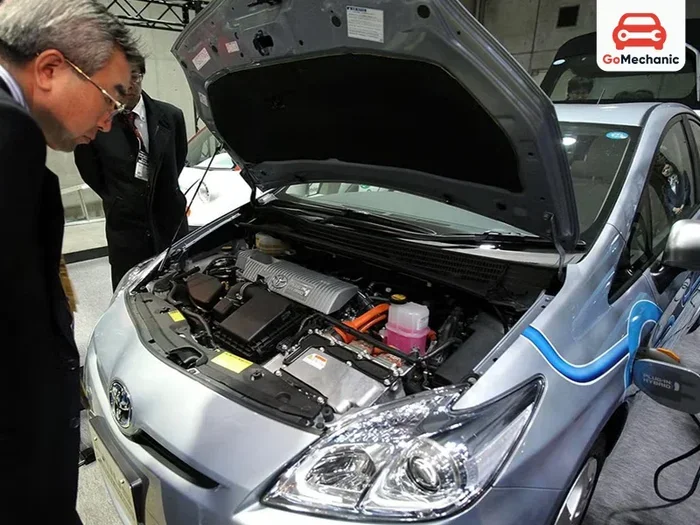
To understand the costs, you need to know how a hybrid works. A hybrid uses two power sources: a gas engine and an electric motor. Each one handles different parts of the driving job. This split reduces the load on any single component.
The Electric Motor Advantage
An electric motor has very few moving parts. There are no pistons, no complex valve trains, and no exhaust systems to maintain. This means fewer things can go wrong. Electric motor maintenance is usually simple and cheap. You might only need to check the inverter and cooling system.
In a gas car, the engine does all the work. It has hundreds of parts that wear out over time. The hybrid electric motor takes over at low speeds and during stops. This gives the gas engine a break. Less engine use means less engine wear.
Fewer Moving Parts Means Less Wear
Think about a regular car engine. It has thousands of moving parts. Each one creates friction. Friction leads to heat. Heat leads to wear. Over time, this wear shows up as maintenance bills.
A hybrid cuts out many of these parts. The electric motor handles the stop-and-go driving. The gas engine only kicks in for highway cruising. This split duty cycle extends the life of the engine. It also reduces the need for oil changes and other fluid services.
The Role of Regenerative Braking
One of the biggest money-savers in a hybrid is regenerative braking. When you lift off the gas pedal, the electric motor becomes a generator. It captures energy and sends it back to the battery.
This process also slows the car down. Because the electric motor handles most of the braking, the physical brake pads last much longer. Hybrid brake pads can go 100,000 miles or more. In a gas car, brake pads often need replacement every 30,000 to 50,000 miles. That’s a huge difference.
Are Maintenance Costs Higher for Hybrids? A Side-by-Side Comparison
Now let’s look at the actual numbers. We’ll compare common maintenance items between hybrids and gas cars. Keep in mind that prices can vary by location and model.
Oil Changes and Engine Upkeep
Hybrids still have a gas engine, so they need oil changes. But the engine runs less often. This means oil stays cleaner for longer. Many hybrid owners can extend their oil change intervals.
- Gas car: Oil change every 5,000 to 7,500 miles. Cost around $50 to $75.
- Hybrid: Oil change every 7,500 to 10,000 miles. Cost around $45 to $70.
Over five years, a hybrid driver might need three oil changes. A gas car driver might need five or more. That’s a clear saving on routine maintenance.
Brake Pad Replacement
Regenerative braking does the heavy lifting. The friction brakes only kick in for emergency stops or when the battery is full. This means brake pads last much longer.
- Gas car: Brake pads every 30,000–50,000 miles. Cost: $150–$300 per axle.
- Hybrid: Brake pads every 80,000–100,000 miles. Cost: $150–$300 per axle.
Even if the cost per replacement is similar, the frequency is much lower. That’s money saved over the life of the car.
Transmission and Drivetrain
Most hybrids use a simple single-speed or two-speed transmission. There are no complex gear shifts like in a traditional automatic. This design reduces strain on the drivetrain.
A gas car with a standard automatic transmission has many moving parts. Clutch packs, torque converters, and planetary gears all need attention over time. Hybrid transmission systems are much simpler. They rarely need major repairs.
| Maintenance Item | Typical Hybrid Cost | Typical Gas Car Cost | Notes |
|---|---|---|---|
| Oil Change | $45–$70 | $50–$75 | Hybrids need fewer changes |
| Brake Pads | $150–$300 per axle | $150–$300 per axle | Hybrids last 2–3x longer |
| Tire Rotation | $25–$50 | $25–$50 | Same for both |
| Cabin Air Filter | $30–$60 | $30–$60 | Same for both |
| Engine Air Filter | $20–$40 | $20–$40 | Same for both |
| Transmission Service | Rarely needed | $150–$250 | Hybrids have simpler transmissions |
| Spark Plugs | $100–$200 (set) | $100–$200 (set) | Hybrids may need them less often |
| Coolant Flush | $100–$150 | $100–$150 | Similar, but hybrid coolant lasts longer |
This maintenance comparison shows that many routine costs are the same. The real savings come from less frequent service and longer-lasting parts. The hybrid maintenance schedule is often simpler than a gas car’s.
The Hybrid Battery: The Big Cost Question
The hybrid battery gets the most attention. People worry it will cost a fortune to replace. But the reality is more nuanced.
Battery Life Expectancy
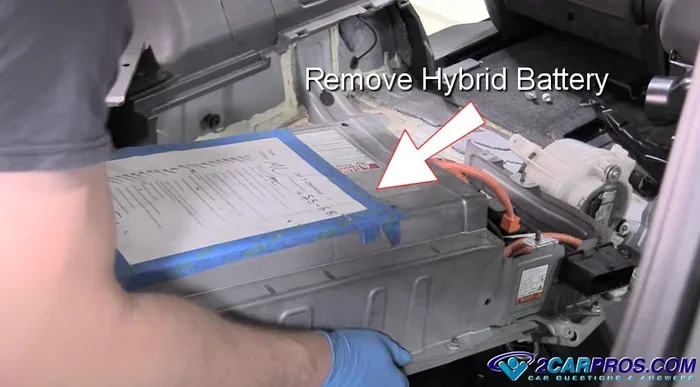
Most hybrid batteries are designed to last the life of the car. Manufacturers expect them to last 100,000 to 150,000 miles. Many owners report batteries lasting 200,000 miles or more.
Hybrid reliability is generally very high. The battery management system keeps the battery healthy. It prevents deep discharging and overcharging. This care extends the battery’s life significantly.
Replacement Costs and Warranty
If a battery does fail, the cost can be high. A new hybrid battery pack might cost $2,000 to $8,000 depending on the model. But here’s the good news: most hybrids come with a long warranty.
- Federal requirement: Hybrid batteries must be covered for 8 years or 80,000 miles.
- Many brands: Offer 10-year or 100,000-mile battery warranties.
- Used battery: Refurbished or remanufactured packs cost much less.
So, if you keep the car within the warranty period, you won’t pay for a battery replacement. That’s a big piece of mind.
Tips to Extend Battery Life
You can take simple steps to protect your hybrid battery. Follow the manufacturer’s hybrid maintenance schedule. Avoid letting the battery run completely empty. Keep the car plugged in if it’s a plug-in hybrid.
Also, try to avoid extreme temperatures when possible. Very hot or very cold climates can stress the battery. Parking in a garage helps. These small habits can add years to battery life.
Quick Tips
- Keep your hybrid battery between 20% and 80% charge for daily use.
- Avoid hard acceleration when the battery is low.
- Use the recommended hybrid-specific oil for engine changes.
- Check the cooling system for the battery pack annually.
Regenerative Braking: A Cost-Saving Feature
We touched on regenerative braking earlier, but it deserves its own spotlight. This feature is a game-changer for maintenance costs.
How It Saves Money on Brakes
In a gas car, every stop wears down the brake pads. The friction brakes are the only way to slow down. This creates a steady stream of replacement costs.
A hybrid uses the electric motor to recapture energy during deceleration. The physical brakes are used far less often. As a result, brake rotors and pads last much longer. Many hybrid owners never replace a rotor in the first 100,000 miles.
Real-World Examples
Let’s say you drive 15,000 miles per year. In a gas car, you might replace brake pads three times in 15 years. That’s three sets at $150 per axle, or $900 total.
In a hybrid, you might replace pads once in 15 years. That’s $150 total. The savings add up to $750 or more. And that’s just one component. Over a full ownership, the savings from regenerative braking can reach thousands of dollars.
Common Mistakes
- Ignoring the hybrid-specific maintenance schedule. Skipping recommended services can void the battery warranty.
- Assuming all mechanics know hybrid systems. Always choose a certified technician for hybrid repairs.
- Forgetting to check the high-voltage battery cooling system. Overheating can shorten battery life.
Long-Term Ownership Costs and Reliability
Maintenance costs are just one part of the picture. Let’s zoom out and look at the full long-term ownership costs.
Depreciation and Resale Value
Hybrids tend to hold their value better than gas cars. Buyers love the fuel savings and eco-friendly image. This means you get more money back when you sell.
A gas car might lose 50% of its value in five years. A hybrid might lose 40% or less. That higher resale value offsets some of the upfront cost difference. So even if maintenance costs for hybrids were equal, hybrids often win on total cost.
Insurance and Tax Incentives
Insurance costs for hybrids are usually similar to gas versions. Some companies offer discounts for hybrid owners. These discounts can save $50 to $100 per year.
Also, many states offer tax credits or rebates for hybrid purchases. These incentives can range from $500 to $2,500. They lower the effective price of the car from day one.
Overall Cost of Ownership
When you combine lower maintenance costs, better fuel economy, and higher resale value, the math is clear. Hybrids often cost less to own over 10 years than gas cars.
The hybrid vs gas maintenance cost comparison isn’t even close in many areas. Fuel savings alone can offset any small maintenance premium. And in most cases, there is no premium at all.
Final Verdict: Are Hybrids Worth the Maintenance?
So, are maintenance costs higher for hybrids? The evidence says no. In most cases, hybrid maintenance costs are lower than gas car costs.
When Hybrids Make Sense Financially
If you drive a lot of stop-and-go city miles, a hybrid is a smart choice. The electric motor handles the low-speed work. This reduces engine wear and brake use. The fuel savings also add up quickly.
Hybrids are also great for people who keep their cars for a long time. The battery will likely outlast the warranty. And the simple drivetrain means fewer big repairs. The hybrid maintenance schedule is often less demanding than a gas car’s.
When a Gas Car Might Be Better
There are a few situations where a gas car might make more sense. If you do very high-mileage highway driving, the fuel savings of a hybrid shrink. The maintenance advantage also becomes smaller.
Also, if you plan to sell the car within three years, the hybrid premium might not pay off. But for most long-term owners, the hybrid wins on both maintenance and total cost.
In short, are maintenance costs higher for hybrids? No, they’re usually lower. The combination of regenerative braking, fewer engine hours, and simpler drivetrain makes hybrids cheaper to maintain. If you’re considering a hybrid, don’t let maintenance fears hold you back. The numbers are on your side.
So next time someone asks, “Do hybrids cost more to maintain?” you’ll have the facts to answer with confidence. The truth is clear: hybrid vehicle upkeep is often more affordable than you think.
Frequently Asked Questions
Do hybrids cost more to maintain than gas cars?
No, most hybrids cost less to maintain. They need fewer oil changes and brake replacements. The electric motor reduces wear on the gas engine.
How much does hybrid battery replacement cost?
A new hybrid battery pack can cost $2,000 to $8,000. However, most batteries last well over 100,000 miles and are covered by a long warranty.
Is regenerative braking really that effective?
Yes, it’s very effective. It significantly extends brake pad life. Many hybrid owners go over 100,000 miles before needing new brake pads.
Are hybrid maintenance costs higher if you don’t follow the schedule?
Yes, skipping services can lead to bigger problems. Always follow the hybrid maintenance schedule. This protects the battery and keeps costs low.
Do hybrids have higher repair costs than gas cars?
Overall, no. Hybrids have fewer breakdowns. The main risk is battery replacement, which is rare and often covered by warranty.
What is the biggest maintenance saving with a hybrid?
The biggest saving is on brake pads and engine wear. Regenerative braking reduces brake use. The electric motor handles low-speed driving, giving the gas engine a rest.