Can You Replace a Hybrid Battery Yourself at Home Today
Replacing a hybrid battery yourself is possible, but it comes with real risks and challenges. This guide walks you through every step of the hybrid battery replacement process, from gathering tools to staying safe around high-voltage systems. Whether you own a Toyota Prius or a Honda Civic Hybrid, you will find practical advice to help you decide if a DIY approach makes sense for your situation.
A hybrid car saves fuel. That is the main reason most people buy one. But over time, the hybrid battery replacement becomes a real concern. The battery pack in your car does not last forever. Eventually, it loses its ability to hold a charge. When that happens, your fuel economy drops. Your check engine light comes on. And suddenly, you are facing a big repair bill.
So the natural question follows: can you do this yourself? Many car owners want to save money. They want to avoid the dealership markup. They want to learn a new skill. And they wonder if swapping out a hybrid car battery is something they can handle in their garage.
The short answer is yes. You can replace a hybrid battery yourself at home. But the full answer is more complicated. Hybrid systems use high voltage. They require specific tools. And the process demands patience and care. This guide breaks it all down for you. You will learn what a hybrid battery does, why it fails, what tools you need, and how to complete the replacement safely.
By the end of this article, you will know whether a DIY hybrid battery replacement makes sense for you. You will understand the risks. You will see the cost savings. And you will feel confident about making the right decision for your vehicle.
Key Takeaways
- Yes, you can replace a hybrid battery yourself: but only if you follow safety rules and have the right tools.
- Hybrid battery replacement cost drops significantly when you do it at home instead of visiting a dealer.
- High-voltage safety is critical: one wrong move can cause serious injury or death.
- Hybrid battery modules can often be rebuilt or replaced individually, saving you hundreds of dollars.
- Warranty coverage may still apply even after a DIY replacement, so check your terms first.
- Battery recycling is an important step that many people forget after completing the job.
- Not every hybrid battery job is suitable for beginners — know your limits before starting.
📑 Table of Contents
- What Is a Hybrid Battery and Why Does It Fail?
- Can You Replace a Hybrid Battery Yourself at Home?
- Tools and Supplies You Need for the Job
- Step-by-Step Hybrid Battery Replacement Process
- Safety Precautions That Could Save Your Life
- How Much Does DIY Hybrid Battery Replacement Cost?
- When to Call a Professional Instead
- What Happens to Your Old Hybrid Battery?
- How to Extend the Life of Your New Hybrid Battery
- Final Thoughts on Hybrid Battery Replacement
What Is a Hybrid Battery and Why Does It Fail?
Before you start any repair, you need to understand what you are working with. A hybrid battery is not the same as a regular car battery. It is a large, high-voltage pack made up of many smaller modules. These modules work together to power the electric motor. They also store energy recovered during braking.
Most hybrids use either nickel-metal hydride or lithium-ion chemistry. Older models, like early Toyota Prius cars, use nickel-metal hydride packs. Newer models often use lithium-ion technology. Both types degrade over time. The rate of degradation depends on how you drive and how well you maintain the vehicle.
How Hybrid Battery Packs Work
A hybrid battery pack contains dozens of individual cells. These cells are grouped into modules. The modules connect to a battery management system. This system monitors voltage, temperature, and charge levels. When one module starts to fail, the whole pack can suffer. That is why a single weak cell can cause big problems.
The hybrid powertrain relies on the battery to work properly. Without a healthy pack, your car may run in limp mode. You might notice reduced acceleration. The fuel economy will drop. In some cases, the car will not start at all.
Common Signs Your Hybrid Battery Is Dying
How do you know it is time for a replacement battery? Watch for these warning signs:
- The fuel economy drops suddenly and noticeably.
- The check engine light or hybrid warning light comes on.
- The car struggles to hold a charge after driving.
- You hear strange noises from the battery area.
- The state of charge bounces between high and low randomly.
- The car enters limp mode during driving.
- You need to jump-start the vehicle more often than before.
If you notice several of these symptoms, your battery pack may be failing. A diagnostic scan at a parts store can confirm the issue. Many auto parts shops will read the error codes for free. This gives you a clear picture of what is wrong before you start any work.
Can You Replace a Hybrid Battery Yourself at Home?
Now let us get to the big question. Can you really do a DIY battery replacement at home? The answer depends on a few factors. Your mechanical skill level matters. The type of hybrid you own matters. And your comfort working with high-voltage systems matters a lot.
Many people successfully replace their own hybrid batteries. They save thousands of dollars compared to dealership prices. But it is not a simple battery swap like changing a regular car battery. A hybrid battery replacement involves disconnecting high-voltage cables, removing the old pack, and installing a new one. You must also reset the battery management system afterward.
Why People Choose to DIY This Repair
There are several strong reasons people choose to handle this job themselves:
- Cost savings: A dealership or shop might charge $2,000 to $4,000 for a new pack. A DIY replacement with a rebuilt or new module costs a fraction of that.
- Learning experience: Working on your own car builds mechanical skills and confidence.
- Faster turnaround: You do not need to wait for an appointment or parts delivery from a shop.
- Control over parts quality: You can choose the exact replacement battery and modules you want.
- Satisfaction: There is a real sense of accomplishment from completing a complex repair on your own.
When DIY Hybrid Battery Replacement Makes Sense
A DIY battery replacement makes the most sense in these situations:
- You have basic mechanical knowledge and experience.
- You own a common hybrid model with plenty of online support (like a Toyota Prius or Honda Civic Hybrid).
- You have access to the right tools and workspace.
- You are comfortable working around high-voltage systems.
- You have a friend or mentor who can guide you through the process.
If none of these apply to you, it may be safer to hire a professional. There is no shame in that. Hybrid batteries carry serious voltage. Making a mistake can lead to electric shock, fire, or damage to the car’s hybrid powertrain. Always be honest about your skill level before starting.
Tools and Supplies You Need for the Job
Having the right tools makes any repair easier. A hybrid battery replacement is no exception. You will need some specialized equipment in addition to standard hand tools. Here is what you should gather before you begin:
Essential Tools for Hybrid Battery Replacement
- Insulated gloves rated for high voltage: These protect you from electrical shock. Do not skip this item.
- Digital multimeter: You need this to test voltage levels before, during, and after the replacement.
- Socket set and wrenches: Standard metric sizes work for most hybrid models.
- Torque wrench: This ensures bolts are tightened to the correct specification.
- Battery terminal cleaner: Corrosion on terminals can cause connection issues.
- Safety glasses: Protect your eyes from sparks or acid leaks.
- Battery charger or maintainer: Some hybrids need a constant voltage source during the swap.
- Repair manual for your specific model: This is your best guide for step-by-step instructions.
- Anti-static wrist strap: This protects sensitive electronics from static discharge.
Where to Buy Hybrid Battery Modules
You have several options for sourcing a replacement battery:
- OEM dealer: New factory parts come with a warranty but cost the most.
- Online retailers: Many websites sell new or refurbished hybrid battery packs at lower prices.
- Salvage yards: You can find used packs from wrecked hybrid cars at a fraction of the cost.
- Battery rebuilders: Some companies rebuild failing packs by replacing only the weak modules.
Before purchasing, check the battery warranty on any replacement part. Many new packs come with a 3- to 5-year warranty. A good warranty gives you peace of mind and protects your investment.
Step-by-Step Hybrid Battery Replacement Process
Every hybrid model is different. Always refer to your vehicle-specific repair manual before starting. That said, the general process for a hybrid battery replacement follows a similar pattern across most makes and models. Here is an overview of the steps involved.
Step 1: Prepare the Vehicle
Park the car on a flat, level surface. Turn off the engine and remove the key. Let the car sit for at least 10 minutes. This allows the high-voltage system to discharge partially. It also lets the battery management system power down safely.
Put on your insulated gloves and safety glasses. Make sure your workspace is dry and well-ventilated. Keep a fire extinguisher nearby, just in case.
Step 2: Disconnect the 12-Volt Auxiliary Battery
Before touching anything in the high-voltage system, disconnect the 12-volt auxiliary battery. This is the small battery that powers the car’s computer and lights. Disconnecting it prevents accidental electrical shorts. It also disables the high-voltage system in most models.
Use a wrench to loosen the negative terminal first. Then remove the positive terminal. Keep the cables away from the battery posts so they cannot accidentally reconnect.
Step 3: Locate the Hybrid Battery Pack
The location of the hybrid battery pack varies by model. In most Toyota Prius cars, it sits behind the rear seat or under the rear cargo area. In Honda hybrids, the pack is often located under the rear seat. Check your repair manual for the exact location in your vehicle.
Remove any trim panels, covers, or seats that block access to the battery pack. Keep all screws and bolts organized. A small magnetic tray works great for this.
Step 4: Disconnect the High-Voltage Cables
This is the most critical step. The high-voltage cables carry several hundred volts of electricity. You must handle them with extreme care.
First, use your multimeter to verify the system is de-energized. The voltage should read zero or very close to zero. Then, carefully disconnect the high-voltage connector. It usually has a locking mechanism that you must release first. Pull the connector straight out. Do not yank or twist it.
After disconnecting, wrap the exposed connectors with electrical tape. This prevents accidental contact.
Step 5: Remove the Old Battery Pack
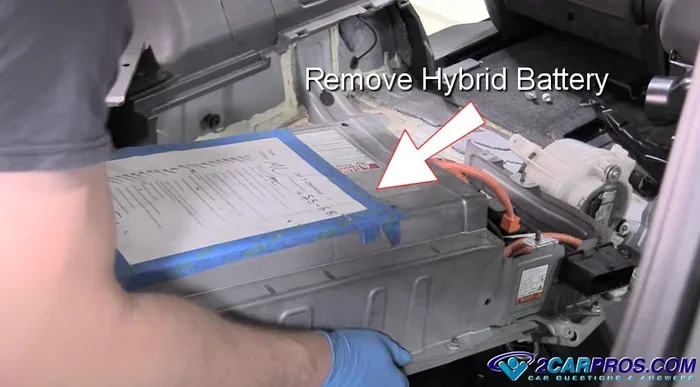
The battery pack is usually held in place by several bolts or mounting brackets. Remove these fasteners carefully. The pack can be heavy, so get help if you need it. Lift the old pack out and set it aside in a safe location.
Do not drop the battery pack. Physical damage to a hybrid battery module can cause a fire or release toxic chemicals.
Step 6: Install the New Battery Pack
Place the new replacement battery into the mounting position. Secure it with the bolts or brackets you removed earlier. Make sure the pack sits firmly and does not move around.
Connect the high-voltage connector carefully. Push it in until you hear or feel it click into place. Double-check that the connection is secure and there are no loose pins.
Step 7: Reconnect the 12-Volt Battery
Reconnect the 12-volt auxiliary battery. Attach the positive terminal first. Then attach the negative terminal. Tighten both connections firmly with your wrench.
Turn the ignition key to the ON position (do not start the engine). Wait for the dashboard lights to come on and the hybrid system to initialize. This process can take a few minutes.
Step 8: Reset the Battery Management System
Many hybrids require a battery management system reset after a replacement. This tells the car’s computer to recognize the new pack. Some models reset automatically. Others require you to disconnect the 12-volt battery for 15 to 30 minutes.
Check your repair manual for the specific reset procedure for your model. After the reset, start the engine and let the car idle. Monitor the dashboard for any warning lights.
Step 9: Test Drive and Monitor Performance
Take the car for a test drive. Pay attention to fuel economy, acceleration, and any warning lights. The hybrid system should operate normally. The check engine light should stay off.
Use an OBD-II scanner to check for error codes. If everything looks good, you have successfully completed your hybrid battery replacement.
Safety Precautions That Could Save Your Life
Let us be very clear about this section. Hybrid batteries operate at high voltage. The voltage in a hybrid battery pack can range from 200 to 400 volts or more. Contact with these cables can cause severe electric shock, burns, or death. This is not a scare tactic. It is a real danger that you must respect.
Critical Safety Rules to Follow
- Always wear insulated gloves rated for high voltage. Regular rubber gloves are not enough.
- Never work on the hybrid system with wet hands or in wet conditions. Water conducts electricity and increases the risk of shock.
- Verify the system is de-energized before touching any high-voltage components. Use your multimeter every single time.
- Keep metal tools away from the battery terminals and high-voltage cables. A short circuit can cause sparks or a fire.
- Do not smoke or create sparks near the battery pack. Hybrid batteries contain flammable electrolytes.
- Store the old battery pack safely. A damaged or failing pack can overheat and catch fire.
- Keep children and pets away from your workspace during the replacement.
What to Do in an Emergency
If you accidentally touch a high-voltage cable and feel a shock, stop immediately. Let go of the cable and move away. Call emergency services if you feel numbness, pain, or difficulty breathing. Even a small shock can cause muscle contractions that make it hard to let go.
If the battery pack starts to smoke or overheat, move away from the vehicle immediately. Do not try to fight a battery fire with a regular fire extinguisher. Use a Class D fire extinguisher if you have one. Otherwise, evacuate and call the fire department.
These precautions may seem extreme. But they are necessary. Safety precautions should always come first when working on any hybrid vehicle. No repair is worth your life.
How Much Does DIY Hybrid Battery Replacement Cost?
Cost is one of the main reasons people consider a DIY hybrid battery replacement. Let us break down the numbers so you can see the potential savings.
Dealer vs. DIY Cost Comparison
| Option | Average Cost | Includes Labor? | Warranty? |
|---|---|---|---|
| Dealership Replacement | $2,500 – $4,500 | Yes | Yes (often 3-5 years) |
| Independent Shop | $1,500 – $3,000 | Yes | Varies by shop |
| DIY with New OEM Pack | $1,200 – $2,500 | No | Yes (parts warranty only) |
| DIY with Rebuilt Pack | $400 – $1,200 | No | Varies by seller |
| DIY with Individual Module Replacement | $200 – $800 | No | Varies by seller |
As you can see, the savings from a DIY battery replacement can be substantial. Even when you factor in the cost of tools, you can still save hundreds or even thousands of dollars.
Hidden Costs to Consider
Before you commit to a DIY approach, consider these hidden costs:
- Tools: If you do not already own a quality set of insulated tools, this adds to the upfront cost.
- Diagnostic equipment: An OBD-II scanner or advanced scan tool may be needed to reset the system.
- Mistakes: If something goes wrong, you may end up paying more to fix it than you would have paid a professional.
- Time: A hybrid battery replacement can take anywhere from 2 to 8 hours depending on your experience and vehicle model.
The hybrid battery cost for a replacement pack varies widely. A new OEM pack for a Toyota Prius might cost $1,200 to $2,000 online. A Honda Civic Hybrid pack could be similar. Rebuilt packs cost less but may have a shorter lifespan.
Does DIY Replacement Void Your Warranty?
This is an important question. In many cases, performing a DIY battery replacement does not automatically void your vehicle warranty. However, if the repair causes damage to other components, the dealer may deny the claim. Check your warranty terms carefully before starting any work.
Also, some states have lemon laws and consumer protection statutes that cover hybrid battery replacements. These laws may require the manufacturer to cover the cost of a failing battery within a certain timeframe. Research your state’s laws before paying for any replacement out of pocket.
When to Call a Professional Instead
DIY hybrid battery replacement is not for everyone. There are situations where calling a professional is the smarter choice. Here are some signs that you should leave this job to an expert:
- You have never worked on high-voltage automotive systems before.
- Your vehicle model has limited online support or documentation.
- You do not have access to insulated tools and safety equipment.
- The battery pack is located in a difficult-to-reach area of the vehicle.
- You feel unsure or uncomfortable at any point during the process.
- Your hybrid vehicle is still under the factory battery warranty.
Sometimes the best repair is the one done by a trained professional. There is no shame in recognizing your limits. A qualified hybrid technician has the training, tools, and experience to complete the job safely and correctly.
If you decide to hire someone, look for a shop that specializes in hybrid vehicles. General mechanics may not have the specific training or equipment needed for hybrid car maintenance. Ask about their experience with your specific model. Request a written estimate before any work begins.
What Happens to Your Old Hybrid Battery?
One thing many people overlook is what to do with the old battery pack. Hybrid batteries contain materials that can harm the environment if disposed of improperly. Battery recycling is essential.
Many auto parts stores and recycling centers accept old hybrid battery packs. Some manufacturers offer take-back programs for end-of-life batteries. You can also check with local hazardous waste facilities. They often have specific drop-off locations for automotive batteries.
Do not throw an old hybrid battery pack in the trash. It contains toxic chemicals and heavy metals. Proper disposal protects the environment and keeps you on the right side of local regulations.
Some people even choose to rebuild their old packs. Replacing only the failed modules and reusing the healthy ones is an eco-friendly option. It also reduces waste and saves money. If you are handy with electronics, battery module rebuilding could be a great side project.
How to Extend the Life of Your New Hybrid Battery
Once you have completed your hybrid battery replacement, you want the new pack to last as long as possible. Here are some tips to help you get the most life out of your new battery:
- Drive gently: Aggressive acceleration and hard braking put extra strain on the battery pack.
- Avoid extreme temperatures: Hot and cold weather both degrade battery cells faster. Park in a garage when possible.
- Keep the charge balanced: Try not to let the battery sit at a very low or very high state of charge for extended periods.
- Perform regular maintenance: Keep the battery terminals clean and check for corrosion regularly.
- Monitor fuel economy: A sudden drop in fuel economy can signal a problem with the battery pack early on.
- Follow the manufacturer’s maintenance schedule: Some hybrids require periodic battery conditioning or recalibration.
These simple habits can add years to the life of your hybrid battery. They also help you catch problems early before they become expensive repairs.
Final Thoughts on Hybrid Battery Replacement
Replacing a hybrid battery yourself at home is a challenging but achievable project. It requires the right tools, proper safety equipment, and a solid understanding of high-voltage systems. For the right person with the right vehicle, it can save a significant amount of money and provide a rewarding learning experience.
However, safety must always come first. The high voltage in a hybrid battery pack is no joke. If you are not confident in your abilities, hiring a professional is the wisest choice. There is no replacement for your safety.
Before you start, make sure you have a clear plan. Gather all your tools. Read your vehicle-specific repair manual. Source a quality replacement battery with a good warranty. And take your time. Rushing through a hybrid battery replacement is how mistakes happen.
Whether you choose to DIY or hire a pro, the goal is the same: get your hybrid car running smoothly and efficiently again. A healthy battery pack means better fuel economy, smoother performance, and peace of mind on the road.
Take what you have learned from this guide. Apply it carefully. And remember, every repair you complete makes you a better car owner. Good luck with your hybrid battery replacement project today.
Frequently Asked Questions
How long does a hybrid battery replacement take?
For most experienced DIYers, a hybrid battery replacement takes between 2 and 6 hours. Beginners should plan for more time. The exact duration depends on your vehicle model and how accessible the battery pack is. Having a repair manual for your specific car makes the process much faster.
Is it safe to replace a hybrid battery yourself?
It can be safe if you follow all safety precautions. Always wear insulated gloves, verify the system is de-energized, and work in a dry environment. If you are uncomfortable with high-voltage systems, it is best to hire a professional. Safety precautions should never be skipped or taken lightly.
How much does it cost to replace a hybrid battery yourself?
The cost depends on whether you buy a new or rebuilt pack. A DIY hybrid battery replacement typically costs between $400 and $2,500 for the parts alone. This is significantly less than what a dealership or shop would charge. You also need to factor in the cost of any tools you may need to purchase.
Can I replace just one module in my hybrid battery instead of the whole pack?
Yes, in many cases you can replace individual hybrid battery modules instead of the entire pack. This approach is often much cheaper. However, it requires you to identify and test each module to find the weak one. Some shops specialize in module-level replacement and can help you with this process.
Will a DIY hybrid battery replacement void my car’s warranty?
Not necessarily. Performing a DIY battery replacement does not automatically void your vehicle warranty. However, if the repair causes damage to other parts, the dealer may deny the claim. Always check your warranty terms before starting any work. If your battery is still under factory warranty, contact the dealer first.
How long does a new hybrid battery last?
A new hybrid battery typically lasts between 8 and 15 years, depending on the vehicle model and driving habits. Proper maintenance, gentle driving, and avoiding extreme temperatures can extend the lifespan. Some hybrid car owners have reported battery packs lasting over 200,000 miles with good care.
=== CONCLUSION ===
A hybrid battery replacement is one of the more advanced repairs a car owner can tackle. But with the right preparation, tools, and safety mindset, it is absolutely doable at home. This guide has covered everything you need to know: what goes wrong with hybrid batteries, how to do the replacement, what tools to use, and how to stay safe throughout the process.
Can you replace a hybrid battery yourself? Yes, you can. But you must respect the high-voltage system, take your time, and follow each step carefully. The cost savings alone make it worth considering for many car owners. Just remember that safety always comes first. If you are ever unsure, call a professional and get the job done right.