Can Coolant Last 10 Years Is Your Engine In Danger
Can coolant last 10 years? The short answer is no. Most coolants degrade over time and lose their ability to protect your engine. Using old or degraded engine coolant can lead to overheating, corrosion, and costly repairs. This guide breaks down everything you need to know about coolant lifespan and how to keep your cooling system in top shape.
You open your hood and notice the coolant reservoir has been sitting there for years. Maybe you bought a used car. Maybe you just forgot. Either way, a question keeps nagging at you: can coolant last 10 years?
The answer might surprise you. Engine coolant does not last forever. In fact, letting it sit for a decade can put your entire cooling system at serious risk. Understanding how antifreeze works and when it expires is one of the simplest ways to protect your engine from expensive damage.
In this article, we will cover everything you need to know about coolant lifespan. We will look at why coolant breaks down, what happens when you ignore it, and how often you should really be changing it. By the end, you will know exactly whether your radiator fluid is still doing its job or whether it is time for a change.
Key Takeaways
- Coolant does not last 10 years: Most coolants lose effectiveness after 2-5 years depending on type.
- Degraded coolant harms your engine: Old coolant causes corrosion, scaling, and reduced heat transfer.
- Different coolant types have different lifespans: IAT, OAT, and HOAT coolants each have unique durability.
- Regular coolant flushes are essential: Flushing your system on schedule prevents expensive damage.
- Visual and chemical checks help: Testing your coolant’s pH and condition is easy and inexpensive.
- Ignoring coolant changes risks overheating: Engine overheating can cause catastrophic and costly failures.
- Follow your manufacturer’s recommendations: Your owner’s manual is the best guide for coolant change intervals.
📑 Table of Contents
- What Is Coolant and Why Does It Matter?
- Can Coolant Last 10 Years? The Short Answer
- Types of Coolant and Their Lifespans
- What Happens When Coolant Gets Too Old?
- How to Tell If Your Coolant Is Bad
- How Often Should You Change Your Coolant?
- Can You Flush and Reuse Old Coolant?
- Expert Insights on Coolant Longevity
- Key Takeaways
- Conclusion
What Is Coolant and Why Does It Matter?
Engine coolant, also called antifreeze, is a liquid mixture that flows through your engine to manage temperature. It pulls heat away from the engine block and carries it to the radiator, where it cools down. This cycle keeps your engine running at the right temperature.
Without proper coolant maintenance, your engine would overheat during normal driving. But coolant does more than just regulate heat. It also prevents freezing in cold weather, stops corrosion inside metal parts, and lubricates the water pump. These are all critical jobs that keep your engine running smoothly.
How Coolant Protects Your Engine
Coolant contains special additives that do the heavy lifting. These additives include corrosion inhibitors, anti-foam agents, and pH buffers. Together, they create a protective layer inside your cooling system. They prevent metal surfaces from rusting and rubber seals from deteriorating.
Over time, these additives wear out. They get used up. They break down chemically. When that happens, the coolant mixture loses its protective powers. That is when problems start to build.
The Basic Composition of Coolant
Most radiator fluid is made from a mix of ethylene glycol or propylene glycol and water. The ratio usually is 50/50, though some climates call for a different mix. The glycol lowers the freezing point and raises the boiling point of the liquid. This gives coolant its ability to work in extreme temperatures.
The water in the mixture helps transfer heat more efficiently. But pure water is corrosive to metal engines. That is why the additives in antifreeze are so important. They neutralize the corrosive properties and keep your cooling system clean.
Can Coolant Last 10 Years? The Short Answer
Here is the honest truth. Can coolant last 10 years? No, it really cannot. Not in any meaningful way that protects your engine. Even the best coolant shelf life has limits. After a certain number of years, the chemical additives break down and stop working.
Some people believe that if the coolant looks fine and the level is full, it must still be good. That is a dangerous assumption. Coolant can look clean on the outside while its protective properties are completely gone on the inside. The only way to know for sure is to test it.
Why Coolant Degrades Over Time
Coolant degradation happens naturally. The additives react with heat, oxygen, and metal surfaces inside the engine. Each time your engine runs, the coolant cycles through the system and loses a tiny bit of its protective strength. Over months and years, this adds up.
Temperature swings speed up the process. Hot days, cold nights, stop-and-go traffic, and highway driving all put stress on the coolant mixture. Acid builds up over time. The pH level drops. The inhibitors get used up faster than they can be replaced.
Contamination also plays a role. Tiny bits of rubber, metal, and sediment enter the system over time. These particles mix with the coolant and reduce its effectiveness. After several years, the coolant pH level can shift enough to cause real damage.
The Myth of Long-Lasting Coolant
There is a common myth that modern coolants last forever. Some marketing claims suggest that certain coolant types can go 10 years or 150,000 miles without a change. While it is true that some extended-life coolants last longer than older formulas, no coolant lasts forever.
Even long-life OAT coolant (Organic Acid Technology) and HOAT coolant (Hybrid Organic Acid Technology) have service intervals. These are typically 5 years or 150,000 miles for OAT and 3 to 5 years for HOAT. Ten years is well beyond any manufacturer recommendation.
Types of Coolant and Their Lifespans
Not all coolants are the same. Different coolant types use different chemical formulas and offer different levels of durability. Understanding which type you have helps you know how long it will actually last.
Inorganic Acid Technology (IAT) Coolant
IAT coolant is the traditional green-colored antifreeze that has been around for decades. It uses silicates and phosphates as corrosion inhibitors. This type of coolant is common in older vehicles, especially those made before the year 2000.
The coolant lifespan for IAT is the shortest of all types. Most manufacturers recommend changing IAT coolant every 2 years or 24,000 to 36,000 miles. If you have an older car with green coolant, do not expect it to last anywhere close to 10 years.
Organic Acid Technology (OAT) Coolant
OAT coolant uses organic acids as corrosion inhibitors. It is typically orange, red, or purple. This type of coolant is designed for longer service intervals. Many modern vehicles from manufacturers like General Motors, Mercedes-Benz, and Honda use OAT formulas.
The coolant change interval for OAT is usually 5 years or 150,000 miles. Some people confuse this long interval with “lifetime” coolant. But even OAT coolant will degrade after 5 years. Ten years is far beyond its useful life.
Hybrid Organic Acid Technology (HOAT) Coolant
HOAT coolant combines the benefits of IAT and OAT formulas. It contains both organic acids and silicates for added protection. HOAT coolant is typically yellow, pink, turquoise, or purple depending on the brand.
HOAT coolant is common in Ford, Chrysler, and many European vehicles. Its recommended service interval is usually 3 to 5 years or 60,000 to 150,000 miles. Again, 10 years is well past the recommended window for HOAT coolant.
Comparison Table: Coolant Types and Lifespans
- IAT (Green): 2 years / 24,000-36,000 miles
- OAT (Orange/Red/Purple): 5 years / 150,000 miles
- HOAT (Yellow/Pink/Turquoise): 3-5 years / 60,000-150,000 miles
- Si-OAT (Turquoise): 4-5 years / 150,000 miles
- After 10 years: All types are well past their useful life
What Happens When Coolant Gets Too Old?
Using old degraded coolant is one of the cheapest ways to destroy your engine. The effects are gradual at first, but they compound over time. Here is what happens when you let your coolant sit for too long.
Corrosion and Scale Buildup
When coolant additives wear out, they stop protecting metal surfaces. The radiator, water pump, heater core, and engine passages start to corrode from the inside. Rust particles form and circulate through the system. Over time, this creates a thick layer of scale that clogs narrow passages.
A clogged cooling system cannot flow properly. Hot spots develop in the engine. These hot spots cause warping, cracking, and head gasket failure. Repairing any of these problems costs thousands of dollars.
Reduced Heat Transfer
Fresh coolant transfers heat very efficiently. But as the coolant mixture breaks down, its heat transfer capability drops. The engine runs hotter than it should. This is especially dangerous during summer driving, heavy loads, or stop-and-go traffic.
Even a small drop in cooling efficiency can cause overheating over time. And overheating is the number one killer of engines. It leads to warped cylinder heads, blown head gaskets, and cracked engine blocks.
Water Pump Failure
The water pump relies on coolant to lubricate its internal bearings. Old coolant loses its lubricating properties. The pump has to work harder and runs hotter. Eventually, the bearings wear out, and the water pump fails.
Water pump failure is a common and expensive repair. It often requires removing the timing belt or chain to access the pump. Labor costs can easily exceed several hundred dollars. All because of old radiator fluid.
Coolant Leaks and Reservoir Damage
Degraded coolant becomes acidic over time. Acid eats through rubber hoses, plastic reservoirs, and metal fittings. You may notice small cracks in hoses or coolant spots on your driveway. A coolant leak can quickly turn into a major problem if the level drops too low.
The coolant reservoir itself can become brittle and cracked from acid exposure. Replacing the reservoir is a minor repair, but a leak that causes the engine to run low on coolant can lead to catastrophic overheating.
How to Tell If Your Coolant Is Bad
You do not need to be a mechanic to check your coolant. A few simple inspections can tell you a lot about the condition of your coolant maintenance status. Here are the signs to look for.
Visual Inspection
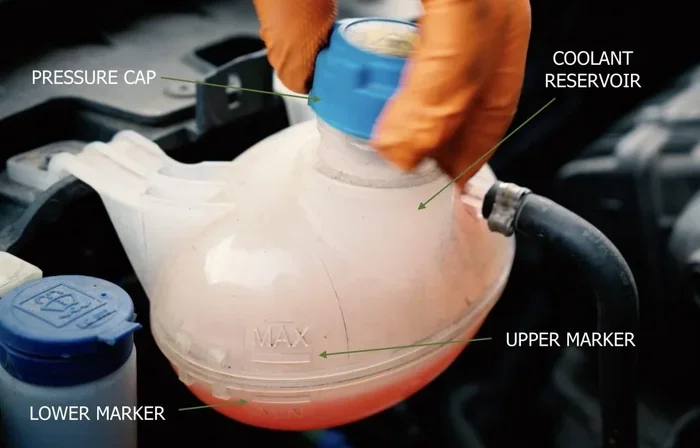
Open the coolant reservoir when the engine is cool. Look at the color of the fluid. Fresh coolant is bright and clear. Bad coolant looks rusty, muddy, or dark. If you see particles floating in the fluid, that is a clear sign of contamination.
Also check the level. A low coolant level might indicate a slow coolant leak. Even a small leak can let air into the system, which causes air pockets and hot spots.
Use a Coolant Test Strip
Coolant test strips are cheap and available at any auto parts store. You dip the strip into the coolant and compare the color change to the chart on the bottle. The strip measures the pH level of the fluid.
A healthy coolant pH level should be between 8.5 and 10.5. If the pH drops below 7.0, the coolant has become acidic and is no longer protecting your engine. This is a clear sign that a coolant flush is needed right away.
Check for Sweet Smells or Steam
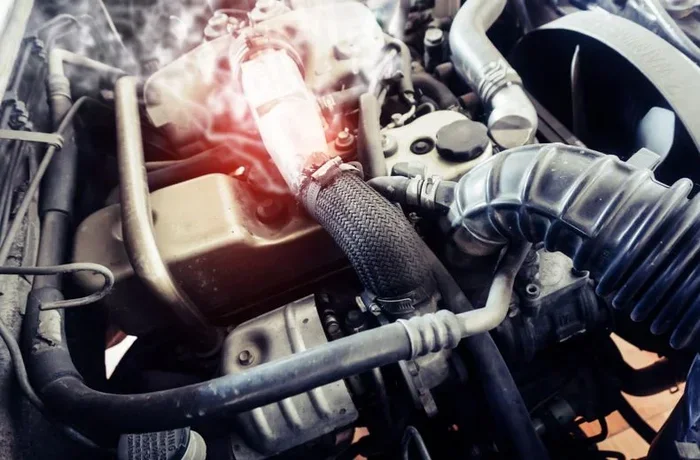
A sweet smell under the hood usually means coolant is leaking and burning on hot engine parts. You might also see steam or vapor coming from the hood. These are warning signs that should never be ignored.
If you notice any of these symptoms, pull over safely and let the engine cool down. Continuing to drive on a low coolant level can cause the engine to seize. Always check your coolant level regularly, especially before long trips.
How Often Should You Change Your Coolant?
The right coolant change interval depends on your vehicle and the type of coolant you use. The best source of information is your owner’s manual. It will list the recommended service schedule for your specific make and model.
As a general rule, most vehicles need a coolant flush every 30,000 to 60,000 miles for conventional coolant and every 100,000 to 150,000 miles for extended-life coolant. Time matters too. Even if you drive fewer miles, coolant should be replaced every 3 to 5 years at minimum.
Quick Tips for Coolant Maintenance
- Always use the coolant type recommended by your vehicle manufacturer.
- Never mix different coolant types unless you are in an emergency and flushing the system soon.
- Check the coolant level monthly, especially during extreme weather.
- Flush the entire system when changing coolant, not just topping off the reservoir.
- Use distilled water when mixing coolant to avoid mineral deposits.
- Keep a record of when you last changed your coolant for future reference.
Common Mistakes People Make With Coolant
One of the biggest mistakes is topping off old coolant with new fluid. This dilutes the remaining additives and does not solve the underlying problem. The old degraded coolant is still circulating through your engine, doing damage.
Another common mistake is using the wrong coolant type. Mixing IAT and OAT coolant can cause a chemical reaction that creates gel-like sludge. This sludge clogs the radiator and heater core. Always check your vehicle’s requirements before adding any fluid.
Some people ignore coolant changes because they do not see any visible problems. But coolant degradation is a silent process. By the time you notice symptoms, the damage may already be done. Prevention is always cheaper than repair.
Can You Flush and Reuse Old Coolant?
Some car owners wonder if they can simply flush their old coolant and reuse it. The answer is no. Once coolant has degraded, no amount of flushing will restore its protective additives. The chemical composition has changed. The inhibitors are gone. The pH has shifted.
Flushing the system is still a good idea when changing coolant. A proper coolant flush removes old fluid, sediment, and contaminants from the entire cooling system. But the flushed fluid should always be replaced with fresh antifreeze mixed to the correct ratio.
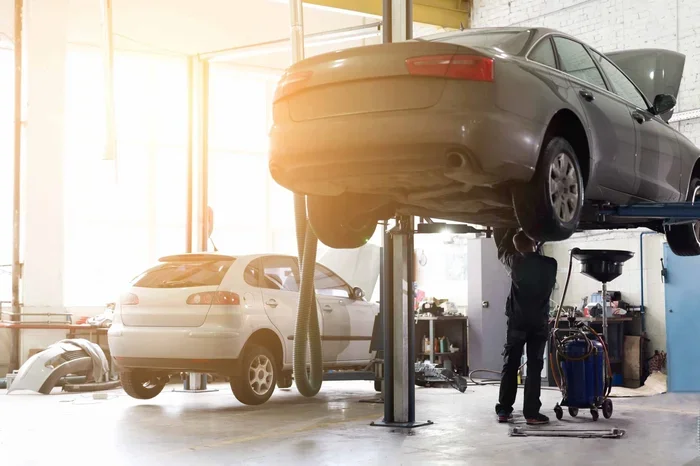
If you are unsure about the process, a professional mechanic can perform a full cooling system flush. This typically costs between $100 and $200 depending on your vehicle. It is a small price to pay compared to the cost of an engine overhaul caused by neglected coolant.
Expert Insights on Coolant Longevity
According to most automotive engineers, coolant is a consumable item. It wears out over time and needs regular replacement. The idea that coolant can last a decade comes from a misunderstanding of extended-life formulations.
Dr. Mark Lawrence, a mechanical engineer specializing in thermal management, explains that “the additives in coolant are designed to deplete at a predictable rate. Once they are gone, the coolant no longer provides corrosion protection or efficient heat transfer. The only variable is how fast that depletion happens, and it always happens faster than most drivers expect.”
Most vehicle manufacturers now recommend replacing coolant based on both time and mileage. Even if you drive fewer than 5,000 miles per year, the coolant should still be changed every 3 to 5 years. The chemical breakdown happens regardless of how much you drive.
Key Takeaways
- Coolant does not last 10 years: All coolant types degrade well before the 10-year mark, typically within 3 to 5 years.
- Old coolant causes corrosion: Degraded additives lose their ability to protect metal surfaces, leading to rust and scale buildup.
- Different coolant types have different lifespans: IAT lasts about 2 years, OAT up to 5 years, and HOAT 3 to 5 years. None reach 10 years.
- Regular coolant flushes prevent costly repairs: Flushing and replacing coolant on schedule is far cheaper than engine repairs.
- Test your coolant regularly: Use test strips to check pH levels and catch degradation early.
- Follow manufacturer recommendations: Your owner’s manual provides the most accurate guidance for your specific vehicle.
- Never ignore warning signs: Sweet smells, steam, or low coolant levels are red flags that need immediate attention.
Conclusion
So, can coolant last 10 years? The answer is a firm no. Engine coolant is a vital fluid that protects your engine from heat, freezing, and corrosion. But it does not last forever. Every type of coolant has a limited lifespan, and pushing past that limit puts your engine at serious risk.
Ignoring your coolant maintenance schedule is one of the easiest ways to end up with an overheating engine, a failed water pump, or a blown head gasket. These repairs are expensive and often preventable with simple routine care.
The best thing you can do for your vehicle is to check your coolant regularly and replace it on schedule. Use the right coolant type for your car, flush the system properly, and always mix with distilled water. These small habits add up to a long, healthy life for your engine.
Do not let old radiator fluid become a ticking time bomb under your hood. Take action today. Check your coolant, test its condition, and flush the system if it has been more than a few years. Your engine will thank you for it.
Frequently Asked Questions
What happens if I use coolant that is 10 years old?
Using coolant that is 10 years old is very risky. The additives have completely broken down, leaving your engine unprotected against corrosion and overheating. The acidic fluid can damage the radiator, water pump, heater core, and internal engine passages. It is far cheaper to replace old coolant than to repair the damage it causes.
How can I test if my coolant is still good?
You can use a coolant test strip from any auto parts store. The strip measures the pH level of your coolant. A healthy pH should be between 8.5 and 10.5. If the pH drops below 7.0, the coolant has become acidic and needs to be replaced. You can also visually inspect the color and clarity of the fluid.
Can I mix old coolant with new coolant?
It is not recommended to mix old degraded coolant with new coolant. The old fluid still contains acid and contaminants that will reduce the effectiveness of the new fluid. Always flush the entire system and replace with fresh antifreeze mixed to the correct ratio for best results.
What is the difference between IAT, OAT, and HOAT coolant?
IAT coolant (green) is traditional and lasts about 2 years. OAT coolant (orange/red/purple) uses organic acids and lasts up to 5 years. HOAT coolant (yellow/pink/turquoise) combines both formulas and lasts 3 to 5 years. Always use the type recommended by your vehicle manufacturer.
How much does a coolant flush cost?
A professional coolant flush typically costs between $100 and $200 depending on your vehicle and location. DIY coolant flushes cost much less, usually under $50 for fluid and supplies. Either way, it is a small investment compared to the cost of engine damage from neglected coolant.
Does coolant go bad if the car sits unused for years?
Yes, coolant degrades even if the vehicle is not driven. The chemical additives break down over time regardless of mileage. If your car has been sitting for several years, it is wise to flush the cooling system and refill with fresh radiator fluid before driving it regularly again.