At What Percent Oil Life Should You Change Oil Now
At What Percent Oil Life Should You Change Oil? Most mechanics and manufacturers agree that you should change your oil when the oil life indicator drops to 15% or lower. This guide explains how the oil life monitor works, what the percentage really means, and the simple steps you can take to protect your engine and save money.
You’re driving down the road when a little light or message pops up on your dashboard. It says something like Oil Life: 15% or Change Engine Oil Soon. What does that number really mean? Should you pull over right now, or can you drive a few more days? At What Percent Oil Life Should You Change Oil is one of the most common questions car owners ask, and the answer is simpler than you think.
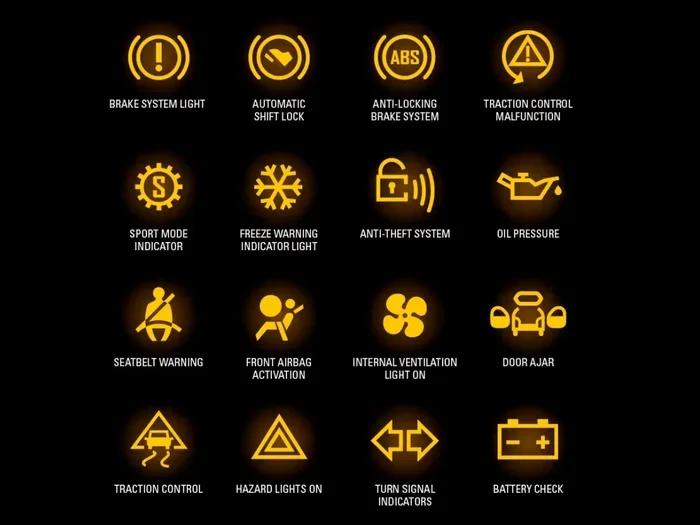
Your vehicle’s oil life percentage is a smart system designed to tell you exactly when your engine oil needs replacing. It’s not just a random timer. Modern cars use an engine oil life monitor that tracks your driving style, engine temperature, and operating conditions. When the percentage drops low enough, the system knows the oil’s protective properties are fading. In this guide, we’ll walk you through every detail so you can make the right call for your car.
Understanding your oil life monitor can save you money, prevent engine damage, and keep your car running smoothly for years. Let’s break it down step by step.
Key Takeaways
- 15% is the magic number: Most vehicles need an oil change when the oil life percentage hits 15% or below.
- Oil life monitors are not just timers: They use algorithms that track driving habits, temperature, and engine load to estimate oil degradation.
- Severe driving shortens oil life: Short trips, extreme heat, and heavy towing can push your oil life down faster than normal.
- Synthetic oil lasts longer: Full synthetic oil often allows a higher percentage before a change, but always follow your owner’s manual.
- Ignoring the warning risks engine wear: Running oil below 5% can lead to sludge buildup and reduced lubrication.
- Reset the system after every change: Properly resetting the oil life monitor ensures accurate future readings.
📑 Table of Contents
- At What Percent Oil Life Should You Change Oil? Understanding the Basics
- What Happens When Oil Life Drops to 15%, 5%, and 0%?
- Factors That Shorten Your Oil Life Percentage
- Conventional vs. Synthetic Oil: Does It Change the Percentage?
- Common Mistakes People Make With Oil Life Percentage
- Expert Tips to Maximize Your Oil Life and Protect Your Engine
- Conclusion
At What Percent Oil Life Should You Change Oil? Understanding the Basics
The short answer is 15%. Most vehicle manufacturers and mechanics recommend an oil change at 15% oil life or lower. But why 15%? That number represents the point where the oil has lost a significant amount of its ability to lubricate, cool, and clean your engine. Think of it like a sponge. When it’s new, it soaks up contaminants easily. As it gets used, it becomes saturated and less effective. The 15% mark is when that sponge is about to give out.
Some cars might tell you to change oil at 10% or even 5%, but 15% is a safe, widely accepted threshold. If you ignore the warning and let it drop to 0%, you risk engine wear and costly repairs. So, when you see that number dip into the teens, it’s time to book your service.
How the Oil Life Monitor Calculates Your Percentage
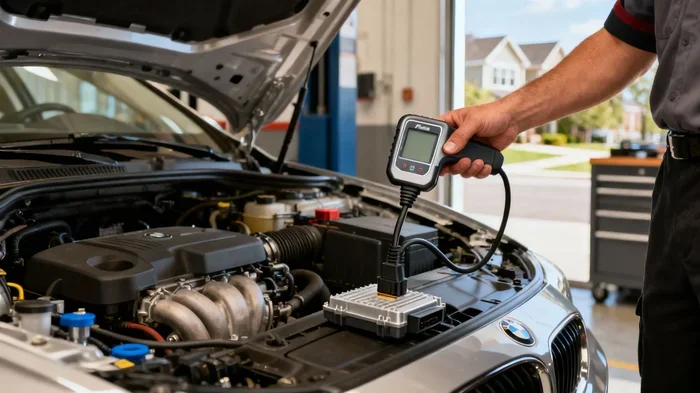
Your car’s oil life system uses a computer algorithm to estimate when the oil needs changing. It doesn’t just measure time or miles. Instead, it looks at several factors:
- Engine revolutions and load: Hard acceleration and heavy loads stress the oil more.
- Operating temperature: High heat breaks down oil faster.
- Driving patterns: Frequent short trips don’t let the oil heat up enough to burn off moisture and contaminants.
- Idle time: Long periods of idling can cause fuel dilution and sludge.
The system then calculates a percentage of oil life remaining and counts down from 100% to 0%. This is called a service life indicator, and it’s much more accurate than the old rule of “every 3,000 miles.”
Why the Percentage Matters More Than Mileage
Older cars relied on fixed mileage intervals like 3,000 or 5,000 miles. But today’s engines and oils are different. A synthetic oil change interval can be much longer than a conventional one. The oil life percentage adapts to your actual driving conditions. Two drivers with the same car might get different percentage readings based on how they drive. One might hit 15% at 6,000 miles, while the other might reach it at 4,000 miles. That’s why the percentage is a better guide than the odometer.
What Happens When Oil Life Drops to 15%, 5%, and 0%?
Not all low oil life warnings are the same. The number on your dashboard tells a story about the condition of your oil. Let’s look at what each level means for your engine protection.
| Oil Life Percentage | What It Means | Action Required |
|---|---|---|
| 15% – 30% | Oil is still functional but approaching the end of its useful life. | Plan your oil change within the next 500 miles. |
| 5% – 15% | The oil is heavily degraded and losing its lubricating properties. | Change oil immediately. Avoid heavy driving if possible. |
| 0% | The system has determined the oil can no longer protect the engine. | Stop driving if safe. Get an oil change right away. |
When your oil life percentage hits 15%, you’re in the danger zone. The oil is still doing some work, but its ability to suspend dirt and neutralize acids is fading. At 5%, the oil is almost spent. At 0%, you’re running on borrowed time. Ignoring the warning can lead to oil sludge, increased friction, and eventually engine failure.
15% Oil Life: Time to Act
At 15% your car is telling you it’s time to schedule an appointment. You don’t need to pull over in panic, but don’t ignore it either. Most drivers can safely make it to the service center within a few days. However, if you’re planning a long road trip, get the oil changed before you leave. The last thing you want is a breakdown on the highway.
5% Oil Life: Urgent Warning
If your dashboard shows 5%, treat it as urgent. The oil is no longer providing optimal engine lubrication. You should drive directly to a mechanic or an oil change facility. Short trips to the store are okay, but avoid pushing the engine hard. Heavy towing or high-speed driving can cause serious damage at this level.
0% Oil Life: What Happens Next
When the percentage reaches 0%, the system has given up on the oil. Some cars will start blinking the warning light or display a loud message. At this point, the oil has lost its viscosity and protective film. Metal parts are rubbing together without proper cushioning. If you continue driving, you risk engine wear and expensive repairs. Get the oil changed immediately.
Factors That Shorten Your Oil Life Percentage
Not all driving is equal. Some habits and conditions can make your oil degrade much faster. Understanding these factors helps you know why your oil life percentage might drop quickly even if you haven’t driven many miles.
Severe Driving Conditions
Automakers define “severe service” as driving that involves frequent short trips (under 5 miles), extreme temperatures, dusty roads, or heavy towing. If you live in a hot climate or regularly drive in stop-and-go traffic, your oil life monitor will count down faster. The system detects these harsh conditions and adjusts the percentage accordingly. In severe service, you might see the oil life drop to 15% after just 3,000 miles.
Short Trips and Cold Weather
Short trips are especially tough on oil. The engine never gets hot enough to burn off moisture and fuel byproducts. This creates a sludgy mixture that contaminates the oil quickly. Cold weather also thickens oil and makes it work harder. If your daily commute is just a few blocks, your oil change interval will be shorter than someone who drives highway miles.
Oil Type and Quality
The kind of oil you use plays a big role. Full synthetic oil handles heat and stress better than conventional oil. It can last longer and maintain its properties at higher percentages. However, even the best synthetic oil will eventually degrade. Always check your owner’s manual for the recommended oil change interval for your specific oil type.
Oil Filter Condition
A clogged oil filter can’t trap contaminants properly. Dirty oil circulates through the engine and loses its effectiveness faster. When you change your oil, always replace the filter. This simple step keeps your engine oil life system accurate and your engine clean.
Conventional vs. Synthetic Oil: Does It Change the Percentage?
The type of oil you use affects how long it lasts, but the oil life monitor doesn’t know what kind of oil is in your engine. It only measures operating conditions. So, whether you use conventional or synthetic oil, the percentage will drop based on your driving habits. However, synthetic oil generally allows you to go longer between changes because it resists thermal breakdown better.
Here’s a quick comparison of how the two oils typically perform.
| Factor | Conventional Oil | Synthetic Oil |
|---|---|---|
| Typical Oil Change Interval | 3,000 – 5,000 miles | 7,500 – 15,000 miles |
| Oil Life Percentage Drop Speed | Faster in severe conditions | Slower, more stable |
| Heat Resistance | Lower | Higher |
| Cost per Change | Lower | Higher |
| Best For | Older vehicles or mild driving | Modern engines and extreme conditions |
Even with synthetic oil, you should still pay attention to your oil life percentage. The monitor will still tell you when the oil’s protective additives are depleted. Don’t assume synthetic oil means you can ignore the warning.
Common Mistakes People Make With Oil Life Percentage
Many drivers make avoidable mistakes when it comes to their oil life system. Here are the most common ones and how to fix them.
Ignoring the Warning Until It Hits 0%
Some people think the oil life percentage is just a suggestion. It’s not. Letting it drop to 0% puts your engine at risk. The oil has lost its ability to form a protective film between moving parts. Even a short drive at 0% can cause wear. Always change your oil when the system alerts you.
Resetting the System Without Changing the Oil
After you get an oil change, you must reset the oil life monitor. If you don’t, the system will keep counting down from where it left off, and you’ll get a false warning. Resetting is usually simple: turn the key to the ON position, press the gas pedal three times within 10 seconds, and wait for the light to blink. Check your owner’s manual for exact steps.
Relying Only on the Percentage and Ignoring Physical Checks
The oil life percentage is a great tool, but it’s not perfect. Sometimes the system can malfunction or give inaccurate readings. It’s a good habit to check your oil level and condition with the dipstick every few weeks. If the oil looks black and gritty or smells like fuel, don’t wait for the percentage to drop. Change it.
Assuming All Vehicles Use the Same Percentage
Different car brands use different algorithms. Some Honda models reset the oil life at 15%, while some BMWs use a more complex system based on mileage and driving data. Always follow the guidelines in your owner’s manual. The manual is your best source for the right oil change interval for your specific car.
Expert Tips to Maximize Your Oil Life and Protect Your Engine
You don’t have to wait for the oil life percentage to drop low. There are smart habits you can adopt to keep your oil fresh longer and your engine healthy.
Check Your Oil Level Regularly
A low oil level causes the oil to work harder and overheat. Make it a habit to check the dipstick once a month. If it’s below the minimum mark, top it off with the same type of oil your car uses. This simple step extends the life of your oil and prevents engine damage.
Warm Up Your Car Gently
Modern engines don’t need a long warm-up. But giving your car 30 seconds to a minute of gentle idling before driving allows the oil to circulate and reach all the moving parts. This reduces wear and helps the oil burn off moisture.
Avoid Aggressive Driving
Rapid acceleration and hard braking create more heat and stress on the oil. If you want your oil life percentage to stay high longer, drive smoothly. You’ll also save fuel and reduce wear on your brakes.
Keep Track of Your Driving Conditions
If you frequently drive in dusty areas, tow heavy loads, or sit in traffic for hours, your car is in severe service. In these cases, you might want to change your oil more often than the oil life monitor suggests. A good rule of thumb is to change the oil at 30% if you know your driving conditions are harsh. This gives you a safety margin.
Use High-Quality Oil and Filters
Cheap oil and filters can’t protect your engine as well. Invest in a reputable brand of synthetic or conventional oil that meets your car’s specifications. Pair it with a quality oil filter that captures tiny particles. This combination keeps your oil cleaner longer and supports an accurate service life indicator.
Conclusion
So, at what percent oil life should you change oil? The clear answer is 15% or lower. That’s the sweet spot where your oil is still doing its job but is about to lose its effectiveness. Waiting until 5% or 0% is risky and can lead to expensive engine repairs. By understanding how your oil life monitor works, avoiding common mistakes, and following a few expert tips, you can keep your car running strong for years.
Remember that your driving habits, the type of oil you use, and your local conditions all play a role. Pay attention to the percentage, check your oil level regularly, and never ignore the warning light. A little attention to your oil change schedule today saves you from major headaches tomorrow. Take care of your engine, and it will take care of you.
Frequently Asked Questions
Can I drive 1,000 miles with 15% oil life?
It’s not recommended. At 15% your oil is nearing the end of its useful life. While you might make it 1,000 miles without immediate damage, you risk reduced engine protection. Plan your oil change within the next few hundred miles.
What does 15% oil life mean on my dashboard?
It means the oil life monitor has determined that your engine oil has lost a significant portion of its protective additives. The oil is still functional but should be changed soon to maintain proper lubrication and engine health.
Is it bad to change oil at 5% oil life?
No, it’s actually the right time to act. At 5% the oil is heavily degraded. Changing it at this point prevents sludge buildup and ensures your engine stays properly lubricated.
Does the oil life percentage reset automatically after an oil change?
No, most systems require a manual reset. After you get a new oil change, you need to reset the oil life monitor using the buttons on your dashboard or steering wheel. Check your owner’s manual for the exact procedure.
Will using synthetic oil make the oil life percentage last longer?
Synthetic oil resists breakdown better than conventional oil, so it can maintain its properties longer. However, the oil life monitor doesn’t know what type of oil is in your engine. It still calculates the percentage based on your driving conditions.
What should I do if my oil life percentage drops quickly even with low mileage?
Quick drops often indicate severe driving conditions like short trips, extreme heat, or heavy towing. In this case, you should change your oil more frequently. Consider switching to a high-quality synthetic oil and always replace the filter.