Can I Clear the Check Engine Light Myself Without Help
Yes, you can clear the check engine light yourself. Can I Clear the Check Engine Light Myself? Absolutely! You just need an OBD-II scanner and a few minutes. This guide will show you how to reset the check engine light safely and what to watch out for.
You’re driving down the road when the dashboard lights up with that little orange engine icon. Your heart drops. What does it mean? Can I Clear the Check Engine Light Myself? The good news is yes. You don’t need a mechanic or a trip to the shop. With a simple tool, you can reset the check engine light and get back on the road.
But before you grab a scanner, you need to understand what that light is telling you. The check engine light is part of your car’s onboard diagnostics system. It watches dozens of sensors and systems. When something is off, it stores a code. Clearing the light without reading the code is like ignoring a warning. You might fix a small issue or miss something serious.
Key Takeaways
- You can DIY: An OBD-II scanner lets you clear the check engine light yourself.
- Find the root cause: Clearing the light without fixing the problem will make it return.
- Know the codes: Diagnostic trouble codes tell you exactly what’s wrong.
- Avoid common mistakes: Don’t disconnect the battery as a first resort.
- Use the right tool: A basic scanner is enough, but advanced models give live data.
- Safety first: If the light flashes, pull over and get help.
📑 Table of Contents
What Does the Check Engine Light Actually Mean?
The engine warning light is part of your car’s emissions and performance monitoring system. It’s called the Malfunction Indicator Lamp (MIL). When the vehicle’s computer detects a problem, it turns on the light and saves a diagnostic trouble code (DTC). This code helps you pinpoint the issue. Many people ignore the light until it starts flashing. That’s a big mistake.
Steady Light vs. Flashing Light
A steady check engine light usually means a minor problem. It could be a loose gas cap or a faulty oxygen sensor. A flashing light is much more serious. It signals an engine misfire that can damage the catalytic converter. If your light flashes, pull over safely and get the car towed. Don’t keep driving.
Common Check Engine Light Causes
Here are some of the most common reasons the light comes on:
- Loose or damaged gas cap: A loose cap lets fuel vapors escape. This is the simplest fix.
- Faulty oxygen sensor: This sensor measures unburned oxygen. A bad one lowers fuel economy.
- Catalytic converter issues: A failing converter is expensive to replace.
- Mass airflow sensor failure: This tells the computer how much air enters the engine.
- Spark plug or ignition coil problems: Misfires often trigger the light.
Can You Really Clear the Check Engine Light Yourself?
Yes, you can clear the check engine light yourself. All modern cars built after 1996 have an OBD-II port. This port gives you access to the car’s computer. You just need an OBD-II scanner. These tools range from cheap code readers to advanced diagnostic machines. You can buy one for under $30 or spend a few hundred for more features.
How an OBD-II Scanner Works
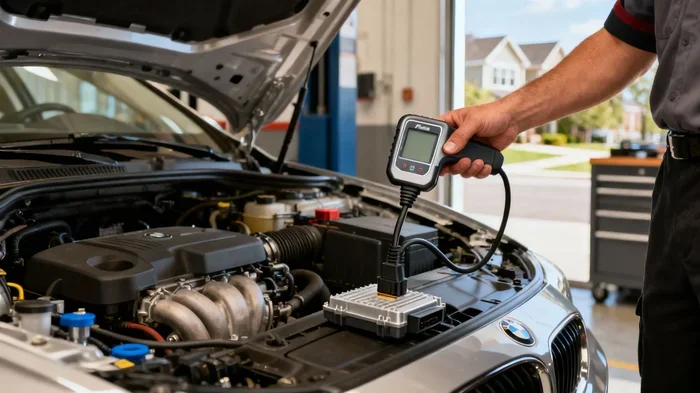
An OBD2 scanner plugs into the diagnostic link connector (DLC) under your dashboard. It talks to the car’s engine control unit (ECU). The scanner reads the stored codes and displays them on a screen. Some scanners let you clear the codes right from the device. Once cleared, the light should turn off. But remember, clearing the code does not fix the problem. It only erases the warning.
What You Need to Clear the Light
Here’s a short list of what you’ll need for a DIY reset:
- An OBD-II scanner: A basic code reader is fine for most people.
- Your car’s owner manual: It tells you where the DLC port is located.
- A few minutes of time: The whole process takes less than 10 minutes.
- A pen and paper: Write down the codes before you clear them.
Step-by-Step Guide to Clearing the Check Engine Light
Resetting the check engine light is easy when you follow the steps. Here’s how to do it safely. Can I Clear the Check Engine Light Myself? Absolutely, and now you’ll see exactly how.
Step 1: Get an OBD-II Scanner
You can buy a basic OBD-II scanner at any auto parts store or online. A simple code reader will show you the DTC and let you clear it. More advanced scanners give live data and freeze-frame information. For most DIYers, a $20 to $50 scanner works perfectly.
Step 2: Locate the Diagnostic Port
The OBD-II port is almost always under the dashboard on the driver’s side. It’s a 16-pin trapezoidal connector. Check your owner’s manual if you can’t find it. Sometimes it’s hidden behind a small cover or near the steering column.
Step 3: Connect the Scanner
Turn the ignition to the “On” position. Don’t start the engine. Plug the scanner into the port. The device will power on automatically. Wait for it to connect to the ECU. This usually takes a few seconds.
Step 4: Read and Record the Codes
The scanner will display one or more diagnostic trouble codes. Write them down or take a photo. Each code starts with a letter followed by four numbers. For example, P0420 means catalyst system efficiency below threshold. Look up the code in your scanner’s manual or online. Understanding the code helps you decide if it’s a quick fix or a trip to a shop.
Step 5: Clear the Codes
Once you’ve recorded the codes, go to the “Clear” or “Erase” function on the scanner. Confirm the action. The scanner will send a command to the ECU to reset the codes. The check engine light should turn off immediately. Some scanners ask you to turn the ignition off and back on after clearing.
Step 6: Drive and Monitor
After clearing the codes, take a short test drive. Drive for 10 to 20 minutes. If the problem is fixed, the light will stay off. If the light comes back on, the issue is still present. You’ll need to address the root cause. Keep the codes handy for a mechanic if you need help.
Quick Tips for Clearing the Light
- Fix the gas cap first: Tighten it until it clicks. Drive a few cycles and see if the light goes out.
- Don’t clear codes and ignore them: The light returns if the problem isn’t solved.
- Use a quality scanner: Cheap scanners sometimes can’t read manufacturer-specific codes.
- Check for recalls: Some codes might be related to a known recall. Visit the NHTSA website.
Common Mistakes to Avoid
Many people make mistakes when trying to clear the check engine light. Here are the most common ones:
- Disconnecting the battery: This might clear the light temporarily, but it also erases your radio presets and learned settings. It doesn’t fix the underlying problem.
- Clearing codes without reading them: You lose valuable information about what went wrong.
- Ignoring a flashing light: A flashing light means a severe misfire. Keep driving and you could wreck the catalytic converter.
- Using a scanner that doesn’t support your car: Always check that the scanner is compatible with your vehicle’s make and model.
When Clearing the Light Is a Bad Idea
There are times when you should not clear the check engine light yourself. If the light is flashing, stop driving and get a tow. A flashing light means the engine is misfiring badly. Unburned fuel can enter the exhaust system and destroy the catalytic converter. Repair costs can jump from a few hundred dollars to over a thousand.
The Flashing Light Warning
If you see the engine light flash, reduce your speed and avoid heavy acceleration. Pull over safely and turn off the engine. Call a tow truck. Do not try to clear the light and keep driving. You risk turning a small repair into a major one.
Why You Should Read the Codes First
Even with a steady light, you should read the codes before clearing them. The codes tell you exactly what the car’s computer detected. Some codes are minor, like a loose gas cap. Others point to serious internal problems. If you clear the light without knowing the cause, you might miss a critical issue. You could also fail an emissions test if the light comes back on during inspection.
DIY Reset vs. Professional Diagnosis
Deciding between a DIY reset and a visit to the mechanic depends on your comfort level and the severity of the problem. A basic OBD-II scanner is affordable and easy to use. Many auto parts stores will read the codes for free and let you clear them. But if the light is flashing or you don’t understand the codes, a professional is your best bet.
When a Mechanic Is Worth It
A mechanic has advanced diagnostic tools and factory training. They can access live data streams and perform pinpoint tests. If the check engine light is accompanied by poor performance, strange noises, or fluid leaks, see a pro. A professional diagnosis can save you money in the long run by preventing wrong parts purchases.
Cost Comparison
Here’s a simple comparison of DIY versus professional help:
| Option | Cost | Pros | Cons |
|---|---|---|---|
| DIY OBD-II Scanner | $20–$200 one-time | Fast, convenient, reusable | Limited diagnostic depth for some codes |
| Free Code Read at Auto Parts Store | Free | No equipment needed | They may not clear the light or give live data |
| Mechanic Diagnostic Fee | $75–$150 per hour | Expert diagnosis, proper repair | Higher upfront cost |
Expert Insights: What Mechanics Want You to Know
Many mechanics say that a check engine light is just a starting point. “The code tells you what sensor saw a problem, not why,” says a longtime auto repair technician. “I always tell customers to read the code, then investigate the cause. A loose gas cap is easy. A failing catalytic converter is not.” Clearing the light without fixing the root cause is a waste of time. The light will come right back on.
Preventing the Check Engine Light from Returning
Once you’ve cleared the light, you want it to stay off. The best way to do that is to fix the underlying problem. Regular car maintenance goes a long way. Here are some tips to keep your engine healthy and the light off:
- Check your gas cap regularly: Make sure it’s tight and not cracked.
- Use quality fuel: Cheap gas can cause sensor issues.
- Follow the maintenance schedule: Change oil, air filters, and spark plugs on time.
- Listen to your car: Unusual sounds or vibrations should be checked early.
- Don’t ignore small issues: A minor sensor problem can become a big repair if left alone.
With a little attention and a basic OBD-II scanner, you can handle many check engine light situations on your own. It’s a great way to save money and learn more about your vehicle. Just remember that the light is a warning, not an annoyance. Respect it, investigate it, and fix it.
Final Thoughts
So, can I clear the check engine light myself? Yes. But the real answer is to understand why it’s on. Use an OBD-II scanner, read the codes, and fix the problem. That way, you keep your car running right and avoid future headaches. A little knowledge and the right tool go a long way. You’ll save money, gain confidence, and stay ahead of costly repairs.
Frequently Asked Questions
Is it safe to clear the check engine light myself?
Yes, it’s safe as long as you use an OBD-II scanner and follow the steps correctly. Never clear a flashing check engine light. If the light is flashing, it means a serious misfire that can damage your car. Pull over and get professional help in that case.
Will clearing the check engine light pass an emissions test?
Not necessarily. If the underlying problem isn’t fixed, the light will come back on and you’ll fail the test. You must repair the issue first, then clear the codes. After a few drive cycles, the system checks itself again. If everything is working, the light stays off and you pass.
How much does an OBD-II scanner cost?
A basic OBD-II code reader costs between $20 and $50. More advanced scanners with live data and bidirectional controls can cost $100 to $300. For most DIYers, a simple scanner is all you need to read and clear codes.
What happens if I clear the check engine light and it comes back?
If the light returns, the problem is still there. The car’s computer detects the same issue again and turns the light back on. You need to read the codes again and investigate the root cause. Clearing the light without fixing the problem is only a temporary solution.
Can I use a free scan at an auto parts store instead of buying a scanner?
Yes, many stores like AutoZone or O’Reilly will read your codes for free. However, they may not always let you clear the light or provide live data. If you want to do it yourself, buying a scanner gives you more control and saves you a return trip.
How long does it take to clear the check engine light?
The actual clearing process takes just a few minutes. Plug in the scanner, read the codes, and use the clear function. However, the car may need several drive cycles to fully reset the monitors. It can take a few days of normal driving for the system to check all systems again.