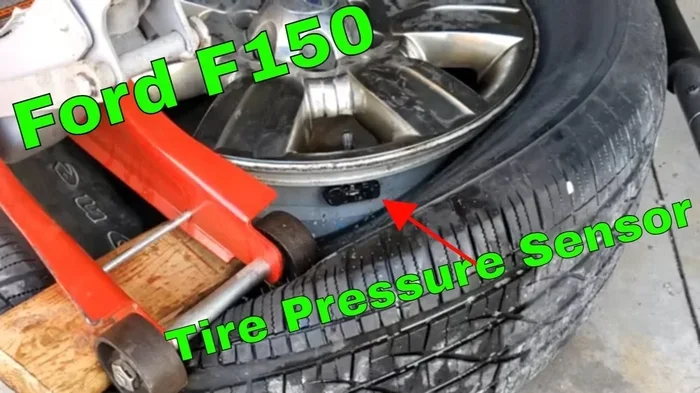
Can I Fix My Own Tire Pressure Sensor Without A Mechanic
Yes, you can fix your own tire pressure sensor in most cases. Whether your TPMS warning light is on due to a dead battery, a faulty sensor, or a simple reset issue, this guide walks you through every step. You will learn how to diagnose the problem, gather the right tools, and complete the repair yourself — saving time and money without needing a mechanic.
That little yellow light on your dashboard looks like a horseshoe with an exclamation point. It is the tire pressure monitoring system warning, and it can make anyone feel uneasy. You are driving along, minding your own business, and suddenly your car is trying to tell you something is wrong with your tires.
The first thought that crosses most people’s minds is, “Can I fix my own tire pressure sensor?” The answer is yes. In many cases, you absolutely can. You do not need to visit a mechanic or pay for an expensive shop visit. With the right information and a few basic tools, you can handle this repair yourself.
This guide will show you exactly how to diagnose the problem, what tools you need, and the step-by-step process to get your TPMS sensor working again. Whether you are a complete beginner or a weekend DIY enthusiast, you will find practical advice here that actually works.
Key Takeaways
- DIY Repairs Are Possible: Most tire pressure sensor issues can be fixed at home with basic tools and a little know-how.
- Dead Battery Is the #1 Culprit: The sensor battery typically lasts 5-10 years and is the most common reason for TPMS failures.
- Resetting Often Solves the Problem: A simple TPMS reset can clear warning lights caused by temperature changes or minor pressure drops.
- Replacement Sensors Are Affordable: A single TPMS sensor costs between $15 and $50, making DIY replacement a smart money move.
- Know When to Call a Pro: Some issues, like corroded valve stems or ECU problems, require professional tools and expertise.
- Prevention Beats Repair: Regular tire maintenance keeps your tire pressure sensor working reliably for years.
📑 Table of Contents
- Understanding Your Tire Pressure Sensor
- Common Tire Pressure Sensor Problems
- Tools and Supplies You Will Need
- Step-by-Step Guide to Fixing Your Tire Pressure Sensor
- When to Call a Mechanic Instead
- Preventing Future Tire Pressure Sensor Issues
- Tire Pressure Sensor Replacement Cost Comparison
- Common Mistakes to Avoid
- Final Thoughts on Fixing Your Tire Pressure Sensor
Understanding Your Tire Pressure Sensor
Before you dive into fixing anything, it helps to understand what you are dealing with. The more you know about how your tire pressure monitoring system works, the easier it is to troubleshoot problems.
What Is a Tire Pressure Sensor?
Your car has a tire pressure sensor inside each wheel. These small devices measure the air pressure inside your tires and send that information to your car’s computer. When the pressure drops too low or rises too high, the system triggers a warning light on your dashboard.
There are two main types of TPMS systems:
- Direct TPMS: Uses a physical sensor inside each tire. This is the most common type in modern vehicles.
- Indirect TPMS: Uses the wheel speed sensors from your ABS system to detect differences in tire size caused by low pressure.
Most of the time, when people ask about fixing a tire pressure sensor, they are talking about a direct TPMS sensor. These little devices sit inside the tire, attached to the valve stem. They run on small batteries that eventually die, which is the most common reason they fail.
How Does the Sensor Work?
Here is a simple breakdown of how your TPMS sensor operates:
- The sensor measures the air pressure inside your tire.
- It sends a wireless signal to your car’s computer.
- The computer compares the reading to the recommended pressure.
- If the pressure is off by more than 25%, the warning light turns on.
It is a clever system, but like anything electronic, sensors can wear out, batteries die, and connections fail. Understanding this basic process helps you figure out what went wrong and how to fix it.
Common Tire Pressure Sensor Problems
Not all TPMS issues are the same. Before you start any repair, you need to figure out what is actually causing the problem. Here are the most common tire pressure sensor problems drivers face.
Dead Sensor Battery
This is the number one reason tire pressure sensors stop working. The battery inside each sensor is not rechargeable. It lasts anywhere from five to ten years, depending on the vehicle and driving conditions.
Signs of a dead battery include:
- The TPMS light stays on constantly.
- The light flashes for about 60 seconds when you start the car, then stays on.
- One or more sensors show no reading on a diagnostic tool.
When the battery dies, you need to replace the entire sensor. You cannot just swap out the battery inside most models.
Faulty or Damaged Sensor
Sometimes the sensor itself just stops working. This can happen from normal wear and tear, road debris, or exposure to harsh weather. Sensors can also get damaged during tire changes or wheel repairs if the technician is not careful.
Common signs of a faulty sensor include:
- Inconsistent readings between tires.
- The TPMS light comes on even when tire pressure is fine.
- One sensor reads correctly while another does not.
Corroded or Damaged Valve Stem
The valve stem is the small metal or rubber piece that sticks out of your wheel. It is where you add air to your tire. Over time, the valve stem can corrode, crack, or become loose. This causes air leaks and triggers the tire pressure warning light.
Corrosion is especially common in areas that get a lot of snow, rain, or road salt. The metal parts break down and the seal weakens, letting air slowly escape.
Need for TPMS Reset After Tire Service
Sometimes the sensor is fine, but the system just needs a reset. This often happens after you rotate your tires, get a flat repaired, or add air to your tires. The system does not always recognize the new pressure readings automatically.
Tools and Supplies You Will Need
Before you start any DIY repair, make sure you have the right tools on hand. Having everything ready saves time and keeps you from running back and forth between the garage and the store.
Essential Tools
- Tire pressure gauge: A good digital gauge gives you accurate readings every time.
- TPMS reset tool: This device sends a signal to reset your system. Some vehicles use a button under the steering wheel instead.
- OBD2 scanner: A diagnostic scanner helps you read error codes and identify which specific sensor is failing.
- Tire inflator or air compressor: You need a way to add or adjust air in your tires.
- Socket wrench set: You may need to remove the tire to access the sensor.
- Replacement sensor: If the battery is dead or the sensor is damaged, you need a new one.
Optional but Helpful Tools
- Valve core tool: Makes it easy to remove and replace valve cores.
- Tire mounting machine: Only needed if you plan to fully remove the tire from the wheel.
- Anti-seize compound: Helps protect metal parts from corrosion.
Quick Tip: Before buying a replacement sensor, check your vehicle manual or use an online lookup tool to confirm the correct part number. Sensors are vehicle-specific, so buying the wrong one will waste your money.
Step-by-Step Guide to Fixing Your Tire Pressure Sensor
Now that you know what the problem likely is and what tools you need, let us walk through the actual repair process. Follow these steps carefully, and you will have your TPMS sensor working again in no time.
Step 1: Check Your Tire Pressure
Start with the simplest thing first. Use your tire pressure gauge to check the air pressure in all four tires. Compare your readings to the recommended pressure listed on the sticker inside your driver’s door frame.
If any tire is low, add air using your air compressor or tire inflator. Sometimes the tire pressure warning light is triggered simply because one tire is a little low. After you inflate the tire, drive for a few miles and see if the light goes off on its own.
If the pressure is fine on all tires but the light is still on, move to the next step.
Step 2: Reset the TPMS System
Many tire pressure sensor issues are resolved with a simple reset. Here is how to do it:
- Make sure all tires are inflated to the correct pressure.
- Locate the TPMS reset button. It is usually under the steering wheel or in the glove box. Check your owner’s manual if you are not sure.
- Turn the ignition to the “on” position (do not start the engine).
- Press and hold the reset button until the TPMS light blinks three times.
- Release the button and start the engine.
- Drive for about 20 minutes at speeds above 30 mph.
The system should recalibrate itself. If the light stays off after this drive cycle, your problem is solved. If it comes back, the sensor itself likely needs attention.
Step 3: Use an OBD2 Scanner to Diagnose
If resetting did not work, plug an OBD2 scanner into your car’s diagnostic port. This port is usually located under the dashboard on the driver’s side.
The scanner will read the error codes stored in your car’s computer. Look for codes that start with “C” for chassis-related issues. Common TPMS codes include:
- C0200-C0215: Individual wheel sensor circuit problems.
- C0220-C0235: Sensor signal or communication errors.
- C0240-C0255: Sensor battery or internal failure codes.
Write down the specific code and the wheel it refers to. This tells you exactly which sensor needs attention and what kind of problem it has.
Step 4: Replace the Sensor Battery
Some TPMS sensors allow you to replace the battery. This varies by manufacturer, so check your vehicle manual first. Here is the general process:
- Remove the tire from the wheel.
- Use a specialized TPMS tool to carefully open the sensor housing.
- Replace the old battery with a new one (usually a CR2032 or equivalent).
- Reassemble the sensor and remount the tire.
- Reset the TPMS system.
Note: Many modern sensors are sealed units and do not have replaceable batteries. In those cases, you must replace the entire sensor.
Step 5: Replace the Entire Sensor
If the battery is sealed inside the sensor, you will need to buy and install a new one. Here is how:
- Deflate the tire completely.
- Remove the tire from the wheel using a tire mounting machine or visit a shop for this step.
- Unscrew the old sensor from the valve stem using the appropriate socket.
- Install the new sensor and hand-tighten it securely.
- Remount the tire and inflate to the correct pressure.
- Reset the TPMS system using your reset tool or vehicle-specific procedure.
After the reset, drive for 20 minutes and watch for the warning light. If it stays off, you have successfully completed the repair.
Expert Insight: Many auto parts stores will program a new TPMS sensor for free if you purchase it from them. This saves you the hassle of finding a programming tool and ensures the sensor is properly registered with your car’s computer.
When to Call a Mechanic Instead
DIY repairs are empowering, but there are times when it makes more sense to let a professional handle the job. Knowing when to call a mechanic saves you frustration and prevents costly mistakes.
You should consider calling a professional if:
- The sensor housing is cracked or physically damaged beyond repair.
- The valve stem is severely corroded and cannot be safely removed.
- Multiple sensors are failing at the same time, which could indicate a wiring or computer issue.
- You have tried resetting and replacing the sensor, but the warning light keeps coming back.
- Your vehicle requires a specialized programming tool that you do not own.
- You are not comfortable working with tire removal and mounting equipment.
There is no shame in calling a mechanic for certain repairs. A professional has access to advanced diagnostic equipment and years of experience. Sometimes the tire pressure sensor cost for a professional repair is worth the peace of mind, especially if the issue involves your car’s computer or electrical system.
Preventing Future Tire Pressure Sensor Issues
The best way to deal with TPMS problems is to prevent them from happening in the first place. A little regular maintenance goes a long way toward keeping your tire pressure monitoring system working reliably.
Check Your Tire Pressure Monthly
Get into the habit of checking your tire pressure at least once a month. Use a quality tire pressure gauge and compare your readings to the manufacturer’s recommended levels. This simple habit catches small problems before they trigger the TPMS light.
Replace Sensors Before the Battery Dies
If your vehicle is more than five years old, consider proactively replacing the TPMS sensor batteries or the entire sensors. This prevents the annoying surprise of a dead battery at the worst possible moment.
Protect Valve Stems from Corrosion
Keep your valve stems clean and dry. In winter, rinse your wheels regularly to remove road salt. You can also apply a light coat of silicone-based protectant to the valve stems to slow down corrosion.
Always Use Valve Caps
Those small plastic caps on your valve stems are not just cosmetic. They keep dirt, moisture, and debris out of the valve core. Missing valve caps are a leading cause of slow air leaks and sensor problems.
Get Regular Tire Maintenance
Rotate your tires on schedule, balance them when needed, and have them inspected for uneven wear. Proper tire maintenance reduces stress on all components, including your TPMS sensors. A well-maintained tire lasts longer and performs better, which means fewer trips to the repair shop.
Quick Tip: Keep a tire pressure log in your glove box. Write down the pressure readings each month. Over time, you will notice patterns and catch slow leaks early before they cause the TPMS light to come on.
Tire Pressure Sensor Replacement Cost Comparison
Understanding the cost of different repair options helps you make the best decision for your budget and situation.
| Repair Option | Estimated Cost | Difficulty Level | Time Required |
|---|---|---|---|
| DIY TPMS Reset | Free | Easy | 15-20 minutes |
| DIY Sensor Battery Replacement | $5-$10 per sensor | Moderate | 30-45 minutes per sensor |
| DIY Full Sensor Replacement | $15-$50 per sensor | Moderate to Hard | 1-2 hours for all four |
| Mechanic TPMS Reset | $20-$50 | Easy (for them) | 10-15 minutes |
| Mechanic Sensor Replacement | $50-$150 per sensor | Easy (for them) | 30-60 minutes per sensor |
| Mechanic Full TPMS Service | $100-$300 for all four | Easy (for them) | 1-2 hours total |
As you can see from the table, DIY repairs offer significant savings. However, the time and effort involved should also factor into your decision. If you value your free time more than the savings, a mechanic may be the better choice.
Common Mistakes to Avoid
Even experienced DIYers make mistakes. Here are the most common errors people make when trying to fix their tire pressure sensor at home:
- Ignoring the reset step: Many people replace the sensor but forget to reset the system. The light will stay on even with a brand-new sensor.
- Using the wrong replacement sensor: Not all TPMS sensors are universal. Always verify compatibility before purchasing.
- Over-tightening the sensor: TPMS sensors are delicate. Over-tightening can crack the housing or damage the internal components.
- Skipping the valve core check: A loose or worn valve core can cause the same symptoms as a bad sensor. Always check this first.
- Driving on low pressure: Continuing to drive on underinflated tires damages both the tire and the sensor. Check pressure regularly.
Final Thoughts on Fixing Your Tire Pressure Sensor
So, can you fix your own tire pressure sensor without a mechanic? Absolutely. Most TPMS sensor issues are straightforward and manageable with basic tools and a little patience. Whether you need a simple reset, a battery replacement, or a full sensor swap, this guide has covered every scenario.
The key is to start with the basics. Check your tire pressure, reset the system, and work your way up to more advanced repairs only if needed. Along the way, you will save money, learn valuable car maintenance skills, and gain confidence in your ability to handle repairs on your own.
Remember, your tire pressure monitoring system exists to keep you safe on the road. A properly functioning TPMS ensures your tires are always at the right pressure, which improves fuel economy, extends tire life, and enhances driving safety. Taking care of it yourself is one of the best investments you can make as a car owner.
Grab your tools, follow the steps in this guide, and tackle that TPMS light today. You might be surprised at how simple the fix really is. And the next time that yellow warning light comes on, you will know exactly what to do.
Frequently Asked Questions
How do I know if my tire pressure sensor battery is dead?
The most common sign is a constant TPMS warning light on your dashboard. If the light flashes for 60 to 90 seconds when you start the car and then stays on, it often indicates a dead sensor battery. An OBD2 scanner can confirm this by showing a low-battery code for the specific sensor.
Can I drive with a broken tire pressure sensor?
Yes, you can drive with a broken TPMS sensor, but you should not ignore the warning light. Without a working sensor, you will not get automatic alerts about low tire pressure, which can lead to unsafe driving conditions, reduced fuel efficiency, and uneven tire wear.
How much does it cost to replace a tire pressure sensor?
A single TPMS sensor typically costs between $15 and $50 for the part itself. If you have a mechanic install it, the total cost including labor ranges from $50 to $150 per sensor. Buying the sensor and installing it yourself is the most affordable option.
How long does a tire pressure sensor battery last?
The battery inside a TPMS sensor usually lasts between five and ten years, depending on driving conditions, climate, and how often the sensor transmits data. Cold weather and frequent short trips can shorten the battery life.
Do I need to reset the TPMS after replacing a sensor?
Yes, you must reset the TPMS system after replacing any sensor. The reset tells your car’s computer that a new sensor is installed and allows it to recognize the updated readings. The reset process varies by vehicle, so check your owner’s manual for specific instructions.
Can I replace just one TPMS sensor, or should I replace all of them?
You can replace just one sensor if only one is failing. However, if your sensors are more than five years old, it is a good idea to replace all of them at once. This prevents multiple trips to the shop and ensures all your sensors work reliably together.