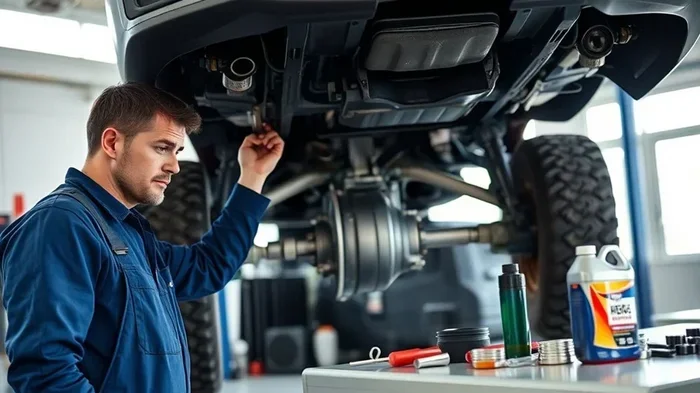
Does AWD Need Service Here Is What You Should Know
Does AWD need service? Yes, absolutely. Your all-wheel drive system requires regular maintenance to perform at its best and last for years. Ignoring AWD service can lead to expensive repairs, reduced fuel efficiency, and unsafe driving conditions. This guide covers everything you need to know about AWD maintenance schedules, costs, and warning signs.
You love your car. It handles well. It grips the road. And if it has all-wheel drive, you feel confident in almost any weather. But here is a question many drivers overlook: does AWD need service? The short answer is yes. Your all-wheel drive system is a complex network of parts that needs regular care. Without it, you risk breakdowns, unsafe driving, and costly repairs. Let us walk through everything you need to know about keeping your AWD system in top shape.
Most people think AWD is maintenance-free. That is a myth. The truth is, your AWD system works harder than a front-wheel drive setup. It sends power to all four wheels, which means more components are under stress. Fluids break down. Filters get clogged. Parts wear out. The good news is that staying on top of AWD maintenance keeps your car running smoothly and safely for years.
Key Takeaways
- AWD systems do need regular service: Just like any drivetrain, your all-wheel drive setup requires fluid changes, inspections, and component checks.
- Service intervals matter: Most manufacturers recommend AWD service every 30,000 to 60,000 miles, but check your owner’s manual for specifics.
- Ignoring AWD maintenance is costly: Small neglect leads to big repair bills, especially with transfer case and differential issues.
- Warning signs are your friend: Unusual noises, vibrations, and dashboard lights tell you when your AWD needs attention.
- DIY has limits: Some AWD tasks need a professional, but fluid checks and filter replacements are often doable at home.
- Regular AWD service improves safety: A well-maintained drivetrain delivers better traction and handling on wet and rough roads.
📑 Table of Contents
- What Is AWD and Why Does It Need Service?
- How Often Should You Service Your AWD System?
- Key AWD Components That Require Regular Maintenance
- Warning Signs Your AWD System Needs Attention
- AWD Service Cost and What to Expect
- Common AWD Maintenance Mistakes to Avoid
- How to Choose the Right Shop for AWD Service
- Expert Insights on AWD Service
- Key Takeaways
- Conclusion
What Is AWD and Why Does It Need Service?
All-wheel drive sends power to all four wheels at the same time. This gives you better traction, especially in rain, snow, or off-road conditions. But that power distribution comes with extra parts that need attention. Your AWD drivetrain includes a transfer case, front differential, rear differential, and various sensors and linkages. Each of these components relies on clean fluid and proper lubrication to work right.
How AWD Differs from Other Drivetrains
Front-wheel drive cars send power to just two wheels. Rear-wheel drive sends power to the back two. AWD splits power between all four. This means your AWD system has more moving parts. More parts means more things that can wear down. It also means more fluids and filters that need changing. Regular drivetrain maintenance is the only way to keep everything running smoothly.
Think of it like this. Your AWD system is like a team of four people pulling a wagon. If one person stops pulling, the whole team suffers. If the team does not stay hydrated and well-rested, they will burn out. Your AWD components need the same care. Fresh fluid, clean filters, and regular inspections keep the whole system working together.
How Often Should You Service Your AWD System?
There is no one-size-fits-all answer. The AWD service interval depends on your vehicle, driving habits, and conditions. However, most experts agree on a general range. Let us break it down.
Standard Service Intervals
Most car makers recommend servicing your AWD system every 30,000 to 60,000 miles. Here is a quick look at what that means:
- Fluid changes: Every 30,000 to 60,000 miles for transfer case and differential fluids.
- Filter replacements: Every 30,000 to 45,000 miles, depending on your model.
- Full inspection: Every 15,000 to 30,000 miles to check for wear and leaks.
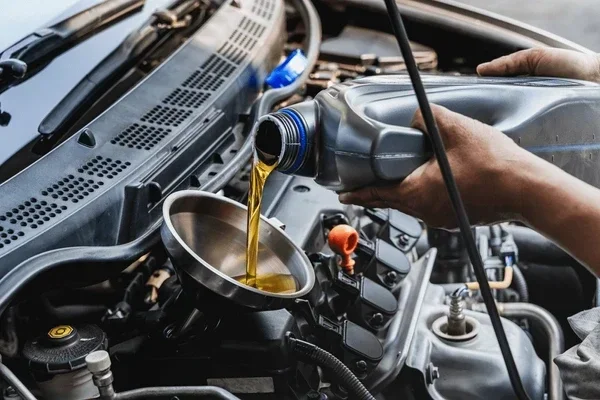
- Fluid top-offs: Check levels every oil change to catch low fluid early.
Your owner’s manual is the best place to find the exact schedule for your vehicle. If you drive in harsh conditions, you may need service more often. Stop-and-go traffic, towing, and off-roading all put extra stress on your AWD system.
Factors That Affect Service Frequency
Several things can change how often you need AWD service. If you live in a cold climate with snow and ice, your AWD system works harder. Frequent short trips also cause more wear. Towing a trailer adds load to the drivetrain. Even driving on rough or unpaved roads can speed up component wear. All of these factors mean you should stay on top of your AWD maintenance schedule.
Key AWD Components That Require Regular Maintenance
Your AWD system is made up of several important parts. Each one needs attention during routine service. Let us look at the main components.
Transfer Case
The transfer case is the brain of your AWD system. It takes power from the transmission and splits it between the front and rear axles. Inside the transfer case, gears and chains need clean fluid to move smoothly. Over time, this fluid breaks down and loses its lubricating properties. A transfer case fluid change is one of the most important parts of AWD service.
Without fresh fluid, the gears inside the transfer case grind against each other. This causes heat, friction, and eventually damage. A transfer case replacement can cost anywhere from $1,000 to $3,000. Regular fluid changes cost a fraction of that and prevent serious problems.
Front and Rear Differentials
Your front differential and rear differential allow the wheels on each axle to spin at different speeds. This is essential for smooth turning. Differentials contain gears and bearings that rely on differential fluid for lubrication.
Low or dirty differential fluid leads to premature wear. In severe cases, the differential can fail entirely. A differential fluid change is usually part of every AWD service appointment. Most technicians will also inspect the differential for leaks during the visit.
Axles and CV Joints
Your constant velocity axles, or CV axles, connect the wheels to the drivetrain. They have rubber boots that protect the joints from dirt and moisture. When those boots tear, grease leaks out and dirt gets in. This causes the CV joint to wear out fast. During AWD service, a good technician will inspect these boots and joints for damage.
AWD Sensors and Electronics
Modern AWD systems use sensors to monitor wheel speed, traction, and torque distribution. These sensors can get dirty or malfunction over time. During a service visit, many shops will run a diagnostic check to make sure all the electronics are working properly. This is a quick step that can save you from bigger problems later.
Warning Signs Your AWD System Needs Attention
Your car gives you clues when something is wrong with the AWD system. Knowing these signs helps you catch problems early. Here are the most common warning signals.
Unusual Noises
Do you hear a humming, buzzing, or whining sound that gets louder when you turn? This could be a sign of low differential fluid or worn gears. A grinding noise during acceleration might point to a failing transfer case. Any new or strange noise from underneath your car deserves a closer look.
Dashboard Warning Lights
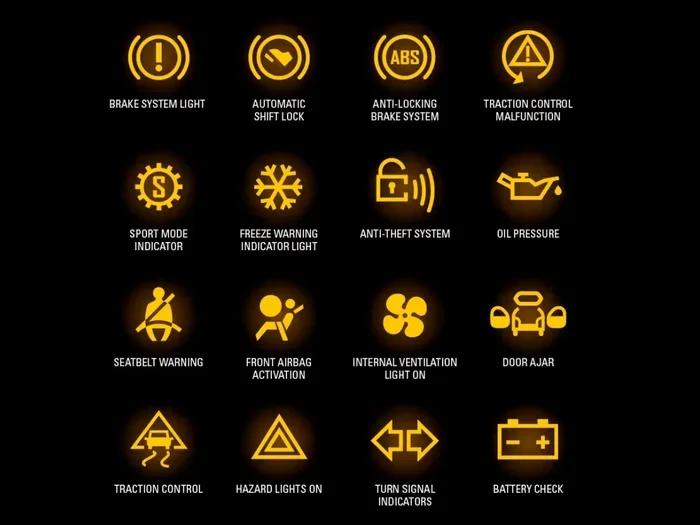
If your AWD warning light comes on, do not ignore it. This light means your system has detected a problem. It could be something simple like a sensor issue. Or it could be a more serious mechanical failure. Either way, get it checked right away.
Vibrations and Shaking
Feeling vibrations through the steering wheel or floor at higher speeds is not normal. This can happen when CV joints wear out or when differential components are damaged. Vibrations also indicate that your wheel alignment AWD may be off. A proper alignment check should be part of every AWD service visit.
Fluid Leaks
Puddles of fluid under your car are never a good sign. AWD systems use several types of fluid, including transfer case fluid, differential fluid, and transmission fluid. If you see a leak, check the fluid level and get your car to a shop as soon as possible. Running low on fluid can cause catastrophic damage to your drivetrain.
Reduced Fuel Economy
A worn or poorly maintained AWD system can drag your fuel economy down. If your gas mileage drops suddenly, it may be related to drivetrain issues. The extra friction from worn components forces your engine to work harder. This is one of those signs that is easy to overlook but worth paying attention to.
AWD Service Cost and What to Expect
Cost is a big concern for most car owners. Nobody wants to spend more than they have to. But understanding what goes into AWD service helps you make informed decisions.
Typical AWD Repair Cost Breakdown
The cost of AWD service varies depending on your vehicle and what needs to be done. Here is a general idea of what to expect:
- Transfer case fluid change: $100 to $250
- Differential fluid change: $80 to $200 per axle
- Full AWD inspection: $75 to $150
- Filter replacement: $30 to $100
- CV boot replacement: $200 to $500 per boot
- Full AWD service package: $300 to $700
Compare these costs to the price of a major repair, and the value of regular service becomes clear. A transfer case replacement can run $1,500 to $3,500. A new differential can cost $1,000 or more. Staying current with your AWD maintenance schedule saves you hundreds or even thousands of dollars over the life of your vehicle.
DIY vs. Professional AWD Service
Some AWD tasks are DIY-friendly. Checking fluid levels and topping off fluids are straightforward jobs. Replacing air filters or cabin filters also falls into the easy category. However, draining and filling differential fluid, changing transfer case fluid, and inspecting internal components usually require a lift and specialized tools. For most owners, professional AWD service is the safest and most reliable option.
If you do tackle a DIY job, make sure you use the correct fluid type. Using the wrong fluid can damage your AWD components. Always check your owner’s manual or ask a trusted mechanic before starting any service work.
Common AWD Maintenance Mistakes to Avoid
Even well-meaning car owners make mistakes when it comes to AWD service. Here are the most common ones and how to avoid them.
Skipping Fluid Changes
This is the number one mistake. Fluid breaks down over time and loses its ability to lubricate and cool. Skipping fluid changes leads to accelerated wear on gears, bearings, and other internal parts. Set a reminder on your phone or calendar to stay on track with your AWD fluid change schedule.
Ignoring Small Leaks
A small drip today can become a big problem tomorrow. Even a slow leak can drain your differential or transfer case fluid over time. Get any leak inspected and repaired promptly. Early action prevents expensive damage down the road.
Using the Wrong Fluid
Not all fluids are created equal. Your AWD system requires specific fluid formulations designed for its components. Using generic or incorrect fluid can cause poor performance, increased wear, and even system failure. Always use the fluid type recommended by your vehicle manufacturer.
Neglecting Tire Maintenance
Your tires have a direct impact on your AWD system. Uneven tire wear or mismatched tire sizes can cause the drivetrain to work overtime. This leads to premature wear on the transfer case and differentials. Keep your tires properly inflated, rotated regularly, and matched in size and tread depth.
Postponing Inspections
It is easy to put off an inspection when nothing feels wrong. But AWD problems often develop slowly and silently. By the time you notice symptoms, the damage may already be significant. Regular inspections catch small issues before they become big expenses.
How to Choose the Right Shop for AWD Service
Not every mechanic is experienced with AWD systems. Choosing the right shop makes a big difference in the quality of service you receive.
What to Look For
- Experience with AWD vehicles: Ask if the shop has specific experience with your make and model.
- Proper equipment: AWD service often requires a lift and specialized tools. Make sure the shop has both.
- Certified technicians: Look for ASE-certified mechanics who have training in drivetrain systems.
- Transparent pricing: A good shop will explain what needs to be done and why, with clear pricing upfront.
- Warranty on work: Reputable shops stand behind their work and offer warranties on parts and labor.
Take the time to find a shop you trust. A good relationship with a knowledgeable mechanic is one of the best investments you can make for your vehicle’s long-term health.
Expert Insights on AWD Service
We spoke with several automotive technicians who specialize in drivetrain systems. Here is what they had to say about keeping your AWD system in top shape.
“The biggest mistake we see is owners treating AWD like it is maintenance-free,” says Mark T., a certified master technician with over 15 years of experience. “People forget that the transfer case and differentials have fluid that degrades over time. A simple fluid change every 30,000 to 40,000 miles can add years of life to the drivetrain.”
“I always tell my customers to pay attention to their owner’s manual,” adds Sarah L., an ASE-certified automotive specialist. “Every vehicle is different. Some AWD systems need more frequent service than others. The manual has the exact schedule, and following it is the easiest way to avoid problems.”
Key Takeaways
- AWD systems require regular service: Fluid changes, filter replacements, and inspections are essential for long-term reliability.
- Stick to the service interval: Most AWD systems need service every 30,000 to 60,000 miles, but always check your owner’s manual.
- Watch for warning signs: Unusual noises, warning lights, vibrations, and fluid leaks all signal potential AWD problems.
- Service costs are far lower than repair costs: Investing in regular maintenance prevents expensive component failures.
- Choose a qualified shop: Not every mechanic has AWD experience. Find one who specializes in drivetrain systems.
- Do not skip fluid changes: Fresh fluid keeps your transfer case and differentials running smoothly and cool.
- Maintain your tires too: Proper tire care directly supports AWD system health and performance.
Conclusion
So, does AWD need service? The answer is a clear and definitive yes. Your all-wheel drive system is a marvel of engineering, but it is not self-maintaining. It relies on you to keep the fluids fresh, the filters clean, and the components inspected. Skipping AWD service might save you a little money now, but it will cost you much more in the long run.
Regular maintenance keeps your AWD system delivering the traction and performance you count on. It extends the life of your drivetrain. It improves fuel efficiency. And most importantly, it keeps you and your passengers safe on the road. Whether you drive through snow-covered streets or navigate rainy highways, a well-maintained AWD system gives you confidence when you need it most.
Make AWD maintenance a priority. Check your service schedule. Watch for warning signs. Find a trusted mechanic. Your car works hard for you. Give it the care it deserves, and it will reward you with years of reliable, confident performance.
Frequently Asked Questions
How much does it cost to service an AWD system?
A full AWD service typically costs between $300 and $700, depending on your vehicle and what needs to be done. This includes fluid changes, filter replacements, and a comprehensive inspection. Individual services like a transfer case fluid change usually cost $100 to $250. Regular maintenance is far cheaper than major repairs.
Can I drive with the AWD warning light on?
It is not recommended. The AWD warning light indicates a problem with your drivetrain system. Driving with it on can cause further damage and may affect your vehicle’s handling and safety. Have your car inspected by a qualified technician as soon as possible.
What happens if I never change my AWD fluid?
Over time, AWD fluid breaks down and loses its lubricating properties. Dirty fluid causes increased friction, heat, and wear on gears and bearings. Eventually, this can lead to premature failure of the transfer case or differentials. Replacing these components is far more expensive than routine fluid changes.
How do I know if my AWD system is working properly?
Your AWD system is working properly when you experience smooth acceleration, no unusual noises, no warning lights, and consistent traction in various road conditions. Regular inspections and fluid checks help confirm everything is functioning as it should.
Does AWD service include tire rotation?
Many shops include a tire rotation as part of a comprehensive AWD service package. This is a good practice because even tire wear supports proper AWD system function. Uneven tire wear can put extra strain on the drivetrain, so regular rotation is highly recommended.
How long does an AWD service appointment take?
A standard AWD service appointment usually takes between one and three hours. A basic fluid change may take less time, while a full inspection with multiple services may take longer. Your technician can give you a more accurate estimate based on your vehicle’s needs.