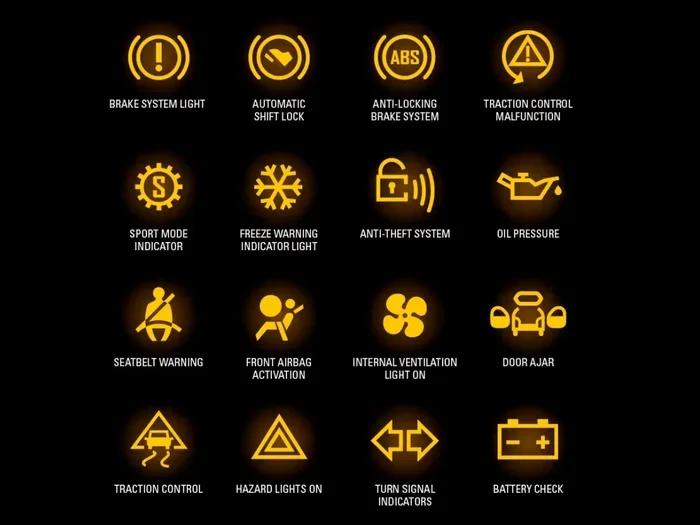
Can a Check Engine Light Go Off by Itself Yes It Can
Yes, a check engine light can go off by itself. This happens more often than most drivers realize. The light may turn on due to a temporary issue like a loose gas cap or a sensor glitch. Sometimes the problem fixes itself and the light shuts off automatically. However, even if the light disappears, the underlying issue might still exist. Understanding why this happens helps you stay safe and avoid costly repairs down the road.
You are driving down the road. Everything feels fine. Then you glance at your dashboard and notice something strange. Your check engine light is on. You feel a little jolt of worry. But then, just a few minutes later, the light goes off by itself. You look at the dashboard again. It is dark. No warning. No symbol. What just happened?
This scenario is more common than you might think. Many drivers experience the check engine light turning on and then shutting off without any action from them. It can feel confusing. It can feel unsettling. You wonder, “Is my car okay?” The short answer is yes, a check engine light can go off by itself. But the full story is a bit more involved. Let us break it down together.
In this article, we will explore exactly why the check engine light can turn off on its own. We will look at the most common causes. We will talk about when you should actually worry. And we will share simple steps you can take to diagnose the issue yourself. Whether you are a seasoned driver or someone who just started driving, this guide will help you understand what is happening under your hood.
Key Takeaways
- A check engine light can turn off on its own: temporary issues like a loose gas cap often trigger the light, and it shuts off once the problem resolves.
- Intermittent faults are common: the light may come on and go off depending on driving conditions, temperature, or sensor behavior.
- Loose or faulty gas caps are the #1 culprit: a simple tighten or replacement often solves the problem instantly.
- Stored fault codes remain even after the light goes off: a mechanic can still read the codes using an OBD-II scanner.
- Ignoring the light is risky: even if it turns off, the underlying issue could worsen over time and damage expensive parts.
- DIY diagnostics are easy and affordable: an OBD-II scanner lets you read fault codes at home in minutes.
- Regular maintenance prevents most check engine light issues: simple habits keep your vehicle running smoothly.
📑 Table of Contents
- How the Check Engine Light Actually Works
- Yes, a Check Engine Light Can Go Off by Itself
- Common Reasons Why the Check Engine Light Goes Away
- When You Should Still Worry Even If the Light Is Off
- How to Diagnose the Issue Yourself
- Preventing the Check Engine Light from Coming Back
- Common Mistakes Drivers Make With the Check Engine Light
- Expert Insights on Check Engine Light Behavior
- Key Takeaways
- Conclusion
How the Check Engine Light Actually Works
Before we dive into why the light goes off by itself, it helps to understand how it works in the first place. Your car has a built-in computer called the Engine Control Unit (ECU). This computer monitors dozens of sensors throughout your vehicle. These sensors track everything from fuel mixture to exhaust emissions. When something falls outside the normal range, the ECU triggers the check engine light.
The Role of Diagnostic Trouble Codes
When the ECU detects a problem, it stores a diagnostic trouble code, also known as a DTC. This code tells you (or a mechanic) exactly what went wrong. For example, a code might point to a faulty oxygen sensor or a misfire in one of the cylinders. The check engine light is simply the visual warning that a fault code has been recorded.
Here is something many people do not know. The check engine light does not always mean your car is about to break down. Sometimes it signals a minor issue. Other times it points to something more serious. The key is to pay attention and respond appropriately.
Yes, a Check Engine Light Can Go Off by Itself
So let us answer the big question directly. Can a check engine light go off by itself? Absolutely. There are several real-world reasons why this happens. Let us walk through them one by one.
Temporary Sensor Glitches
Your car has many sensors. Some of these sensors can give false readings. A sudden temperature change or a brief electrical spike can cause a sensor to send an abnormal signal. When this happens, the ECU logs a fault code and turns on the check engine light. But if the sensor reading returns to normal moments later, the light may shut off on its own.
Think of it like a smoke detector. Sometimes it goes off because of steam from a shower. The detector is doing its job. But once the steam clears, it stops. Your car’s sensors work in a similar way. They can trigger a false alarm that resolves itself quickly.
Loose or Faulty Gas Cap
This is the number one most common reason a check engine light turns on and then goes off. Your fuel system has an EVAP system (Evaporative Emission Control System). This system prevents fuel vapors from escaping into the atmosphere. If your gas cap is loose, cracked, or not sealed properly, the EVAP system detects a leak. The ECU logs a code and the check engine light comes on.
Now here is the good news. If you simply tighten the gas cap, the check engine light often turns off within a few driving cycles. Some cars even turn the light off automatically once the EVAP system completes a self-test and passes. This is one of the easiest and cheapest fixes you can do yourself.
Intermittent Electrical Issues
Sometimes the problem is not constant. An intermittent issue means it comes and goes. A loose wire connection, a corroded sensor connector, or a grounding problem can cause the check engine light to flicker on and off. These issues are tricky because they may not show up during a mechanic’s inspection if the connection is good at that exact moment.
Intermittent faults are among the most frustrating for drivers and mechanics alike. The light comes on, you pull over, and then it goes off. By the time you reach a shop, the problem seems to have vanished. But it is still there, lurking in the background.
Self-Clearing Fault Codes
Modern vehicles are smart. In some cases, the ECU will clear a fault code if the problem does not reoccur during several consecutive driving cycles. If the issue was truly temporary, the check engine light will go off and the code will be erased. However, this does not mean the problem is permanently fixed. It just means it has not repeated itself yet.
Keep in mind that different car manufacturers have different rules for how long a fault must persist before the check engine light activates. Some vehicles are more sensitive than others. A code that triggers in one car might not trigger in another.
Common Reasons Why the Check Engine Light Goes Away
Now that we know the light can turn off by itself, let us look at the most common reasons why this happens. Understanding these causes helps you figure out whether the issue is minor or something you should address sooner rather than later.
Loose Gas Cap
We mentioned this above, but it deserves its own spotlight. A loose gas cap is the single most common reason the check engine light comes on and then goes off. The EVAP system detects a small leak in the fuel tank seal. Once you tighten the cap, the system runs a test and the light turns off.
Quick tip: after you fill up at the gas station, always make sure you hear that clicking sound when you screw the cap back on. It should be snug. If your gas cap is old or cracked, replace it. A new gas cap costs just a few dollars and can save you a lot of trouble.
Sensor Reset After Fixing the Problem
Sometimes you fix a problem without even realizing it. Maybe your spark plugs were slightly worn and causing a minor misfire. You replace them on a whim. The check engine light was on because of that misfire. After the new spark plugs are installed, the ECU runs a new test. The misfire is gone. The light turns off.
This is actually a great outcome. It means the fix worked and the engine performance has returned to normal. However, the fault code might still be stored in the ECU memory until it is cleared with a scanner.
Weather and Temperature Changes
Believe it or not, the weather can trigger your check engine light. High humidity, extreme heat, or sudden cold snaps can affect your car’s sensors. Moisture can get into electrical connectors. Cold temperatures can thicken fluids and affect sensor readings. When conditions improve, the light may go away on its own.
This is why some drivers notice the light comes on during certain seasons or weather patterns. It is not always a sign of a serious mechanical problem. But it is still worth investigating.
Battery or Electrical System Reset
If you disconnect your car battery or the battery dies and gets jumped, the ECU may reset. When the system restarts, it clears temporary fault codes. The check engine light goes off. However, if the underlying problem still exists, the light will likely come back on after a few driving cycles.
Some people disconnect the battery on purpose to reset the light. While this can work temporarily, it is not a real fix. The problem that caused the light to come on in the first place is still there.
When You Should Still Worry Even If the Light Is Off
Just because the check engine light is off does not mean everything is fine. Here are some situations where you should take action even if the light has gone away.
The Light Came On and Stayed Off for a While
If the light was on for several days and then went off, there is a good chance a fault code was stored in the ECU. Even though the light is now off, that code is still sitting in memory. A mechanic can read it with an OBD-II scanner. This gives you valuable information about what was going on with your vehicle.
You Notice Other Symptoms
Did the light come on while you were driving? Did you notice any of these symptoms:
- Rough idling or stalling
- Reduced fuel economy
- Unusual sounds from the engine
- Difficulty starting the car
- Smell of fuel or exhaust
If you experienced any of these, the problem may not be fully resolved even if the light is off. Your engine performance could still be affected.
The Light Came on Multiple Times
If the check engine light has turned on and off several times over the past few weeks, this is a pattern. It suggests an intermittent problem that is getting worse over time. Ignoring it could lead to a more serious and expensive repair later on.
How to Diagnose the Issue Yourself
You do not need to be a mechanic to figure out what is going on with your check engine light. Today, there are simple tools anyone can use.
Buy an OBD-II Scanner
An OBD-II scanner is a small device that plugs into your car’s diagnostic port. This port is usually located under the steering column. Once plugged in, the scanner reads any stored fault codes from the ECU. Many basic scanners cost under $30 and are easy to use.
Here is how to do it:
- Find your car’s diagnostic port under the dashboard.
- Plug in the OBD-II scanner.
- Turn the ignition to the “on” position (do not start the engine).
- Follow the scanner’s instructions to read the codes.
- Write down the codes and look them up online or in your car’s manual.
Some scanners will even tell you what the code means in plain English. This makes it incredibly easy to understand what is going on with your vehicle.
Use a Free Online Code Reader
Once you have your fault codes, you can look them up online for free. Many websites and apps let you enter the code and get a description of what it means. This is a great way to get a general idea of the problem before visiting a mechanic.
Know When to Visit a Professional
DIY diagnostics are great for getting started. But some issues require professional tools and expertise. If you are unsure about a fault code, or if the check engine light keeps coming back, it is wise to visit a trusted mechanic. They have advanced scanning tools that can provide deeper insights into your vehicle’s emission system and overall health.
Preventing the Check Engine Light from Coming Back
The best way to deal with the check engine light is to prevent it from coming on in the first place. Here are some simple habits that can help.
Keep Up with Regular Maintenance
Regular oil changes, spark plug replacements, and air filter changes keep your engine running smoothly. These simple maintenance tasks reduce the chances of a fault code being triggered. Check your owner’s manual for the recommended maintenance schedule for your specific vehicle.
Always Tighten Your Gas Cap
This one sounds too simple to matter, but it really does. Always make sure your gas cap is tight after filling up. If your cap is old or damaged, replace it. A new cap is one of the cheapest ways to keep your EVAP system working properly.
Pay Attention to Early Warning Signs
Your car often gives you hints before the check engine light comes on. Listen for unusual sounds. Notice any changes in how your car feels or drives. Pay attention to your fuel economy. Catching small problems early can prevent the light from coming on at all.
Do Not Ignore the Light When It Comes On
This is the most important tip of all. If the check engine light comes on, do not ignore it. Even if it goes off by itself, get it checked. A quick diagnostic scan can reveal a lot about your vehicle’s health and give you peace of mind.
Common Mistakes Drivers Make With the Check Engine Light
There are a few mistakes that many drivers make when dealing with the check engine light. Avoiding these can save you time, money, and stress.
Ignoring the Light Completely
Some drivers see the light and simply ignore it. They hope it will go away. Sometimes it does. But ignoring the light means you could be driving with a problem that gets worse over time. What starts as a small fix could turn into a major repair if left unchecked.
Assuming It Is Always Something Serious
On the other hand, some drivers panic the moment the light comes on. They think the worst. In reality, the cause is often minor. A loose gas cap, a faulty sensor, or a temporary glitch can all trigger the light. Do not panic, but do take it seriously enough to investigate.
Disconnecting the Battery to Reset the Light
Some people disconnect the battery to make the light go off. While this works temporarily, it does not fix the actual problem. The fault code may be cleared, but the issue will return. Plus, disconnecting the battery can reset other settings in your car, like your radio presets and clock.
Not Reading the Fault Codes
Many drivers never bother to read the fault codes stored in the ECU. This is a missed opportunity. Even if the light is off, the codes can tell you exactly what happened. An OBD-II scanner makes this incredibly easy and affordable.
Expert Insights on Check Engine Light Behavior
We spoke with several experienced auto mechanics to get their perspective on why the check engine light goes off by itself. Here is what they had to say.
Mark Thompson, ASE Certified Master Mechanic: “I see this all the time. A customer comes in saying their light was on but now it is off. Nine times out of ten, there is still a stored code. The light went off because the condition cleared, but the root cause is still there. I always recommend scanning for codes even if the light is off.”
Sarah Lin, Automotive Instructor at Tech College: “The check engine light is your car’s way of communicating with you. It is not something to fear. When it comes on and goes off, it is telling you that something was out of range temporarily. The smartest thing a driver can do is get the codes read. It takes five minutes and it could save hundreds of dollars in repairs.”
James Rivera, Independent Shop Owner: “The loose gas cap is the number one cause of the check engine light coming on and going off. I always tell my customers to check the cap first. It sounds silly, but it works more often than you would think.”
Key Takeaways
- A check engine light can turn off by itself: temporary issues like a loose gas cap or sensor glitch often resolve on their own.
- Intermittent faults are common: the light may come on and go off depending on driving conditions, temperature, or electrical behavior.
- Loose or faulty gas caps are the #1 culprit: a simple tighten or replacement often solves the problem instantly.
- Stored fault codes remain even after the light goes off: an OBD-II scanner can read these codes and reveal what happened.
- Ignoring the light is risky: even if it turns off, the underlying issue could worsen over time and damage expensive parts like the catalytic converter.
- DIY diagnostics are easy and affordable: an OBD-II scanner lets you read fault codes at home in minutes.
- Regular maintenance prevents most check engine light issues: simple habits keep your vehicle running smoothly and reliably.
Conclusion
So, can a check engine light go off by itself? The answer is a clear and definitive yes. Whether it is a loose gas cap, a temporary sensor glitch, or an intermittent electrical issue, the check engine light can turn off without any action from you. But that does not mean you should just forget about it.
The check engine light is your car’s early warning system. It is designed to alert you when something is not right. Even if the light goes away, the problem that triggered it might still be present. Taking a few minutes to scan for fault codes can give you valuable peace of mind and help you avoid expensive repairs down the road.
Remember, a little attention goes a long way. Keep your gas cap tight, stay on top of regular maintenance, and never ignore your dashboard warnings. Your car will thank you for it with better engine performance, improved fuel economy, and a longer lifespan.
Next time you see that little orange light flicker on and then disappear, do not panic. But do not ignore it either. Grab your OBD-II scanner, check the codes, and take control of your vehicle’s health. A few simple steps today can save you a lot of trouble tomorrow.
Frequently Asked Questions
Is it safe to drive when the check engine light goes off by itself?
In most cases, yes. If the light came on briefly and then turned off, the issue was likely minor, such as a loose gas cap or a temporary sensor glitch. However, it is still a good idea to get your vehicle scanned for fault codes to make sure there is no underlying problem that could get worse over time.
Can a check engine light turn off after a few days?
Yes, it can. Modern vehicles are designed to monitor problems over several driving cycles. If the issue does not reoccur, the ECU may clear the fault code and turn off the check engine light automatically. This is common with intermittent issues and temporary sensor anomalies.
Do I need to see a mechanic if my check engine light is off?
If the light came on and then went off, you should still have your vehicle checked. A mechanic can use an OBD-II scanner to read any stored diagnostic trouble codes. These codes can reveal what triggered the light even after it has turned off, helping you catch potential problems early.
What is the most common reason a check engine light comes on and goes off?
The most common reason is a loose or faulty gas cap. The EVAP system detects a small leak in the fuel system and triggers the light. Tightening or replacing the gas cap usually resolves the issue and turns the light off within a few driving cycles.
Can weather cause a check engine light to turn on and off?
Yes, extreme weather conditions can affect your car’s sensors and electrical connections. High humidity, extreme heat, or sudden cold snaps can cause temporary sensor malfunctions. When conditions normalize, the check engine light may turn off on its own.
How much does it cost to get a check engine light diagnosed?
Many auto parts stores offer free OBD-II scanning services. If you buy your own scanner, it can cost anywhere from $20 to $100 depending on the model. Getting a diagnosis is one of the most affordable ways to understand what is happening with your vehicle and avoid unnecessary repairs.
=== CONCLUSION ===
A check engine light can go off by itself, and now you know exactly why. From loose gas caps to intermittent sensor issues, the causes are varied but usually manageable. The most important thing you can do is stay proactive. Do not wait for the problem to get bigger. Scan for codes, address the issue, and keep your vehicle in top shape. Your car, your wallet, and your peace of mind will all thank you.