Can You Put Any Engine in Any Car Here Is the Answer
Can you put any engine in any car? The short answer is no — engine swaps require matching mounts, transmissions, wiring, and ECU systems to work properly. While engine swaps are possible across many vehicles, success depends on compatibility, fabrication skill, and budget. This guide covers everything you need to know before starting your engine swap project.
You have probably seen those wild engine swap videos online. A tiny Honda with a massive V8. A classic truck with a modern turbocharged four-cylinder. It all looks so cool. But then you wonder — can you put any engine in any car? The truth is way more complicated than those flashy videos make it look.
Engine swaps are one of the most popular projects in the car world. People do them for more power, better reliability, or just the thrill of a custom build. But the idea that you can drop any engine into any vehicle is a myth. There are real engineering limits, compatibility issues, and legal rules that determine what works and what does not.
In this article, we will walk you through everything you need to know. From engine mount compatibility to wiring harnesses, transmission matching, and legal requirements. Whether you are a weekend hobbyist or planning a serious engine conversion, this guide will help you make smart decisions.
Key Takeaways
- Not every engine fits every car: engine mounts, transmission bellhousing, and engine bay clearance all matter.
- Wiring and ECU matching is critical: mismatched systems cause drivability issues and failed emissions tests.
- Custom fabrication is often required: motor mounts, driveshafts, and exhaust systems may need to be custom-built.
- Costs vary widely: a simple swap costs a few hundred dollars while complex conversions can exceed $10,000.
- Legal and emissions compliance matters: many regions enforce strict rules about engine swaps and OBD compliance.
- Donor engine selection is the foundation: choosing the right donor engine determines how much work lies ahead.
- Professional help is worth it: complex swaps benefit greatly from experienced engine builders and fabricators.
📑 Table of Contents
What Does It Mean to Swap an Engine?
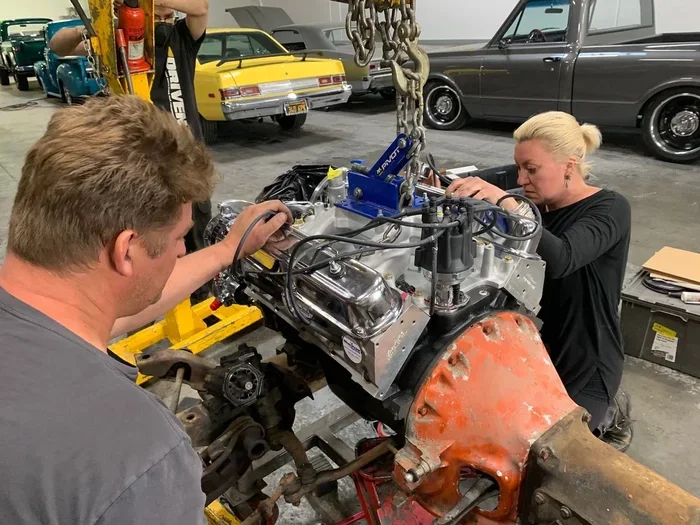
An engine swap means removing the original engine from a vehicle and replacing it with a different one. This different engine might come from another car, a different model year, or even a completely different manufacturer. The goal is usually better performance, improved fuel economy, or simply a unique build.
Not all swaps are the same. Some are bolt-in jobs that take a weekend. Others require months of custom fabrication and serious engineering. Understanding the type of swap you want is the first step. Here are the main categories people talk about:
Bolt-In Swaps
A bolt-in swap uses a pre-made swap kit that includes motor mounts, transmission adapters, and sometimes wiring harnesses. These kits are designed for specific vehicle and engine combinations. They make the process much easier and more predictable. Popular bolt-in options include V8 swaps into older BMWs or LS engine swaps into classic trucks.
Custom Swaps
A custom swap requires building your own motor mounts, modifying the engine bay, and often adapting the electrical system from scratch. These projects need advanced fabrication skills or a good machine shop. They offer the most freedom but also the most risk and expense.
Engine Conversions
An engine conversion goes beyond just swapping parts. It often involves converting from a traditional internal combustion engine to an electric motor or hybrid setup. These conversions require specialized knowledge and may involve vehicle certification and legal approval.
Can You Put Any Engine in Any Car?
The direct answer is no. You cannot just take any engine and bolt it into any car. Several critical factors determine whether an engine swap will work. Let us break them down so you understand what really matters.
Engine Mount Compatibility
Every engine has a specific motor mount pattern. The frame of the car has a matching set of mount points. If these patterns do not line up, you cannot simply weld on new mounts without compromising the chassis. Engine mount compatibility is the most basic requirement for any swap. Without proper mounts, the engine will vibrate, shift under acceleration, and potentially damage the car.
Transmission and Bellhousing Match
The transmission must match the engine’s output shaft and bellhousing pattern. Not all transmissions mate with all engines. Even if the engine bolts up to a transmission, the bellhousing bolt pattern has to be correct. Mismatched patterns mean you need an adapter plate or a completely different transmission. This adds cost and complexity to the project.
Engine Bay Clearance
The engine bay has limited space. A large engine simply will not fit in a small bay without major modification. You need to consider the height, width, and length of the new engine. Clearance issues can affect hood closure, steering angle, and even safety in a collision. Always measure the available space before committing to a swap.
Driveshaft and Drivetrain Considerations
If the new engine changes the drivetrain layout, you may need a custom driveshaft. Front-engine to rear-engine swaps, for example, completely change the drivetrain geometry. The driveshaft length, universal joint angles, and differential position all need to match the new engine placement.
Electrical and Computer Compatibility
Modern cars rely heavily on electronics. Swapping an engine means dealing with the ECU (Engine Control Unit), wiring harness, sensors, and communication protocols. This is where many DIY projects run into serious trouble.
Wiring Harness Challenges
Every vehicle has a specific wiring harness designed for its original engine. A different engine uses different sensors, connectors, and wire colors. You will need either the correct harness from the donor engine or a complete aftermarket harness. Using the wrong harness can cause electrical failures, engine damage, or even fires.
ECU and Engine Management
The ECU controls fuel injection, ignition timing, idle speed, and emissions systems. A mismatched ECU will not properly manage the new engine. You need an engine management system that matches the fuel injection and ignition setup of your chosen engine. Standalone systems from companies like Haltech or MegaSquirt offer universal compatibility and tunable options.
OBD Compliance
On-Board Diagnostics (OBD) systems are regulated by law in many regions. Your swapped engine must meet the OBD standard required for that vehicle model year. Failing to meet these standards means your car will not pass emissions testing and may not be street legal.
What You Need to Consider Before Starting
A successful engine swap requires careful planning. Jumping in without preparation leads to wasted money and frustration. Here are the key factors you should evaluate before you start.
Budget Planning
Engine swap costs vary wildly. A simple bolt-in swap with a common engine and existing swap kit might cost $1,500 to $3,000. A complex custom conversion with fabrication, wiring, and tuning can easily exceed $10,000. Your budget should account for the engine, transmission, mounts, wiring, tuning, and any custom parts needed.
Skill Level and Tools
Be honest about your mechanical abilities. Basic swaps with a lift and standard tools are manageable for experienced DIYers. Custom fabrication requires welding skills, machining knowledge, and electrical expertise. If you lack these skills, budget for professional help.
Parts Availability
Choose an engine that has readily available parts and a strong community support base. Popular swap engines like the LS small block, Honda K-series, or Subaru EJ have massive aftermarket support. Obscure engines may be cheaper but finding parts and technical help becomes very difficult.
Legal and Insurance Issues
Many states and countries have strict rules about engine swaps. You may need to prove emissions compliance, carry specific documentation, or have the vehicle inspected. Insurance companies may classify a swapped vehicle differently, affecting your premiums or coverage. Always check local laws and inform your insurance provider before starting.
Popular Engine Swap Combinations
Some engine swap combinations have been done so many times that parts and knowledge are easy to find. Here are a few popular examples that illustrate what works well.
- LS engine into older vehicles: The GM LS small block is compact, lightweight, and powerful. It fits into everything from classic Mustangs to old BMWs with available swap kits.
- Honda K-series into Civic chassis: These engines offer excellent reliability and tuning potential. The K-series fits the Honda Civic platform with minimal modification.
- Toyota 2JZ into MK4 Supras and other platforms: The 2JZ is famous for its strength and aftermarket support. It has been swapped into many different Toyota and even non-Toyota platforms.
- Ford Coyote into classic Fords: The modern Coyote V8 shares the Ford small block bellhousing pattern, making it a natural fit for classic Ford vehicles.
- Subaru flat-four into rear-wheel-drive platforms: The boxer engine layout offers a low center of gravity and is popular for drift and rally builds.
Common Mistakes People Make With Engine Swaps
Even experienced builders make mistakes. Learning from others’ errors can save you time, money, and headaches. Here are the most common pitfalls.
- Underestimating wiring complexity: Many people buy an engine without considering the electrical system. Mismatched wiring causes endless frustration.
- Ignoring cooling system compatibility: A new engine needs a cooling system that matches its heat output. Oversized radiators and proper water pump selection matter.
- Forgetting about fuel system upgrades: A more powerful engine demands more fuel. Stock fuel systems often cannot keep up with increased demand.
- Skipping the flywheel and clutch match: The flywheel bolt pattern and clutch size must match the transmission and engine torque output.
- Not testing components before full installation: Testing the engine, ECU, and sensors on a stand before dropping it into the car saves countless problems later.
- Choosing an engine based only on power numbers: Reliability, parts availability, and ease of installation matter just as much as horsepower.
Expert Tips for a Successful Swap
Professional engine builders and experienced swap enthusiasts share a few tips that make the process smoother. Keep these in mind as you plan your project.
- Start with a donor car: Using a complete donor vehicle gives you access to the wiring harness, ECU, and all mounting hardware in one package.
- Measure everything twice: Before cutting or welding, double-check every measurement. Engine bay clearance, transmission tunnel fit, and exhaust routing all need precise planning.
- Invest in a quality standalone ECU: A standalone engine management system eliminates compatibility headaches and gives you full control over tuning.
- Join online forums and communities: Swap communities share wiring diagrams, fabrication tips, and lessons learned. Tap into this knowledge before starting.
- Plan for tuning time: A new engine needs proper tuning on a dyno or with wideband sensors. Budget time and money for this critical step.
The Bottom Line
Can you put any engine in any car? The honest answer is that it depends on compatibility, budget, and effort. While engine swaps are incredibly rewarding projects, they require real planning and technical knowledge. Success comes from understanding the mechanical, electrical, and legal requirements before you start.
Whether you are doing a simple bolt-in or a full custom conversion, the key is preparation. Choose your donor engine carefully, research compatibility thoroughly, and budget for unexpected challenges. With the right approach, an engine swap can transform your vehicle into something truly special.
The car community is full of incredible swap stories. Many of them started with a simple question: can I do this? The answer is yes — but only if you go in with your eyes open and a solid plan. Start small if you are new to this, learn as you go, and never stop asking questions. Your dream build is possible with the right knowledge and preparation.
Frequently Asked Questions
Is an engine swap legal on the road?
Engine swap legality depends on your local laws and emissions regulations. Many regions require the swapped engine to be from the same or newer model year and must pass emissions testing. Always check with your local Department of Motor Vehicles or equivalent authority before starting a swap.
How much does a typical engine swap cost?
Costs range from $1,500 for a simple bolt-in swap to over $10,000 for a complex custom conversion. The total depends on the engine, transmission, fabrication needs, wiring, and whether you hire professional help. Always budget extra for unexpected expenses.
Can I swap any transmission with any engine?
No, transmissions must match the engine’s bellhousing pattern and output shaft specifications. Some combinations require adapter plates or custom bellhousing modifications. Always verify transmission compatibility before purchasing any parts.
Do I need a standalone ECU for an engine swap?
A standalone ECU is highly recommended for most engine swaps, especially when the donor engine uses a different wiring system. Standalone units provide universal compatibility and full tuning control. They eliminate many of the wiring headaches associated with mismatched systems.
How long does an engine swap usually take?
A simple bolt-in swap can take one to three weekends. Custom swaps with fabrication and wiring can take several months. The timeline depends on your experience level, the complexity of the swap, and the availability of parts and tools.
What is the easiest engine to swap into a common car?
Engines like the GM LS small block, Honda K-series, and Ford Coyote are among the easiest due to widespread swap kits and community support. These engines have abundant aftermarket parts, detailed guides, and forums full of experienced builders ready to help.
=== CONCLUSION ===
Can you put any engine in any car? The reality is that engine swaps are exciting but require real research and planning. Compatibility with motor mounts, transmission, wiring, and ECU systems determines whether a swap succeeds or fails. The engine swap world offers incredible possibilities, but those possibilities come with challenges you need to prepare for.
Start by understanding your vehicle’s limits and your own skill level. Choose a donor engine with strong community support and available parts. Plan your budget carefully and account for hidden costs. And never underestimate the importance of legal compliance and proper tuning.
With the right approach, you can turn any engine swap dream into a reality. The key is to learn, plan, and execute with patience. Your custom build starts with one smart decision — and now you have the knowledge to make it.