Can You Negotiate the Price of an Oil Change Right Now
Yes, you can negotiate the price of an oil change in many situations, and it is easier than most car owners think. Dealerships, independent shops, and quick lube chains all have some room to adjust their pricing. Understanding what goes into an oil change cost gives you the leverage to save real money on your next car maintenance visit.
Every car owner faces the same question sooner or later. You pull into a service center or open a repair app and see the oil change price. Then your brain kicks in. Can I do better? Should I ask? Is it even possible to negotiate the price of an oil change?
The short answer is yes. The longer answer is that it depends on where you go, what type of oil you need, and how prepared you are. Car maintenance costs add up fast, and your oil change is one of the most frequent expenses you will face. Learning to negotiate even a small discount on each visit can save you hundreds of dollars every year.
This guide walks you through everything you need to know. We will cover what goes into an oil change cost, where to get the best deals, and exactly how to ask for a lower price without feeling awkward. By the end, you will feel confident walking into any mechanic shop or service center ready to save money.
Key Takeaways
- Negotiation is possible: Most oil change providers have some flexibility in their pricing, especially at independent shops and dealerships.
- Know what you are paying for: Understanding the breakdown of oil, filter, labor, and taxes helps you negotiate with confidence.
- Shop around before committing: Getting quotes from multiple sources gives you real leverage in any price discussion.
- Coupons and loyalty programs work: Many shops offer discounts that can stack with negotiation for even bigger savings.
- DIY oil changes save the most: For those willing to get their hands dirty, doing it yourself eliminates labor charges entirely.
- Timing matters: Visiting during slow periods or using seasonal promotions can lower your costs significantly.
- Avoid common upsells: Knowing what you actually need prevents you from paying for unnecessary extras.
📑 Table of Contents
Why Oil Changes Matter So Much
What Happens When You Skip an Oil Change
Your engine oil does a job that cannot be ignored. It lubricates moving parts, reduces friction, and keeps your engine from overheating. Over time, oil breaks down and becomes less effective. Dirty oil leads to increased wear and tear on engine components.
Skipping regular vehicle maintenance like oil changes can lead to serious problems. Engine damage from old oil can cost thousands of dollars to repair. A simple oil change is a fraction of that cost. This is why most manufacturers recommend changing your oil every 5,000 to 7,500 miles for conventional oil and every 7,500 to 10,000 miles for synthetic blends.
Think of it this way. You would not skip brushing your teeth because it feels like a small expense. Oil changes work the same way. They are a small investment that prevents big problems down the road.
How Often Do You Really Need One
The old rule of every 3,000 miles is outdated for most modern vehicles. Car manufacturers have improved oil type formulations and engine designs. Many newer cars can go 10,000 miles or more between changes.
Check your owner manual first. It will tell you the recommended maintenance schedule for your specific model. If you drive in extreme conditions like very hot weather, heavy traffic, or towing, you may need to change your oil more often.
- Conventional oil: Every 3,000 to 5,000 miles
- Synthetic blend: Every 5,000 to 7,500 miles
- Full synthetic oil: Every 7,500 to 10,000 miles
What You Are Actually Paying For
The Breakdown of Oil Change Costs
When you see a price quote for an oil change, it is not just for oil. Several components make up the total car repair cost and service invoice. Understanding each part helps you negotiate smarter.
Here is what typically goes into the oil change cost:
- Motor oil: This is the largest material cost. The type and amount of oil you need affects the price significantly.
- Oil filter: A new filter ensures clean oil circulates through your engine. Most shops include this in the base price.
- Labor charges: This covers the technician’s time. It usually takes 15 to 30 minutes for a standard oil change.
- Taxes and fees: Depending on your location, sales tax may apply to parts and services.
- Shop overhead: Rent, insurance, and equipment costs are baked into every service price.
When you understand this breakdown, you can have a more informed conversation about negotiating the price of an oil change. You know which parts are flexible and which are fixed.
Synthetic vs Conventional Oil
The type of oil you choose has a big impact on the final price. Synthetic oil costs more upfront but lasts longer and provides better engine protection. Conventional oil is cheaper but needs to be changed more frequently.
Here is a quick comparison:
- Conventional oil: Lower upfront cost, shorter intervals, good for older vehicles with simpler engines.
- Synthetic oil: Higher upfront cost, longer intervals, better performance and protection for modern engines.
- Synthetic blend: A middle ground that offers some benefits of full synthetic at a lower price point.
If you use synthetic oil, your oil change price will be higher per visit. But because you change it less often, your annual cost may actually be lower. This is a great talking point when negotiating because it shows you understand the value you are getting.
Where to Get Your Oil Changed
Dealership Service Centers
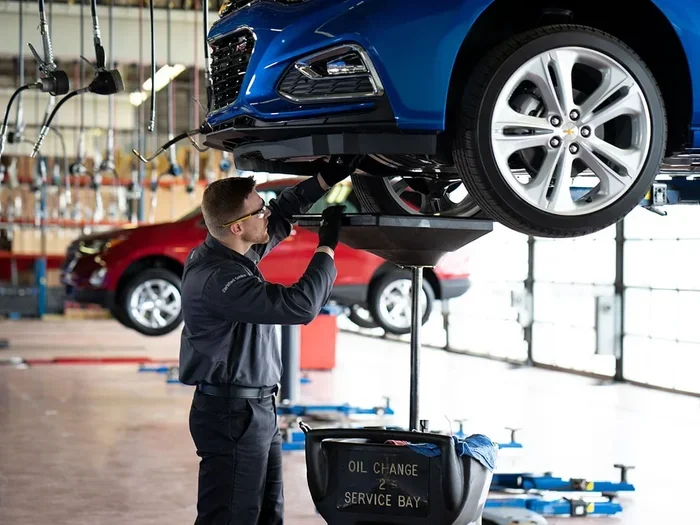
Your car dealership offers convenience and manufacturer expertise. They use factory-approved parts and follow your vehicle’s specific maintenance plan. The downside is that dealership prices are almost always higher than other options.
Can you negotiate at a dealership? It is possible, but the approach is different. Dealerships often have set pricing structures and less flexibility. However, they do run promotions and loyalty programs. If you have been a customer for years, mention your service history. Dealerships value repeat business and may offer a discount or waive a fee.
Also, ask about oil change coupon offers. Many dealerships send these through email or their app. Stacking a coupon with a polite price request can lead to real savings.
Independent Mechanics
Independent shops are often the best place to negotiate the price of an oil change. These shops have more pricing flexibility because they are not bound by corporate pricing policies.
Independent mechanics also tend to have lower overhead costs than dealerships. That savings often passes on to you. Building a relationship with a trusted local mechanic pays off over time. They may offer you a better rate as a regular customer.
Here is a quick tip. Walk in during slower hours like mid-morning on a weekday. The shop is less rushed, and the service advisor has more time to work with you on pricing.
Quick Lube Chains
Chain locations like Jiffy Lube or Valvoline offer speed and consistency. They are great for a fast oil filter replacement and basic service. But their prices are often fixed and non-negotiable.
That does not mean you cannot save money at these chains. Look for online oil change discount codes before you visit. Many chains offer first-time customer deals, military discounts, or senior rates. Signing up for their rewards programs also unlocks savings.
The key difference with chains is that negotiation happens through promotions rather than face-to-face haggling. Always check their website or app before booking.
How to Negotiate the Price of an Oil Change
Tips for Negotiating at the Dealership
Walking into a dealership and asking for a discount can feel intimidating. But remember, they want your business. Here are practical steps to get a better price:
- Do your research first. Call other dealerships or check online for average oil change cost in your area. Having competitor prices in hand gives you real leverage.
- Mention your loyalty. If you have been getting service at this dealership, say so. Loyalty deserves recognition.
- Ask about bundled services. Sometimes a discount on the oil change comes with adding another service like a tire rotation or fluid top-off.
- Be polite but firm. A friendly attitude goes a long way. Service advisors have some discretion to adjust prices, especially on slow days.
- Ask for a service manager. If the front desk says no, politely ask to speak with a manager. Managers often have more authority to offer discounts.
The goal is not to be aggressive. The goal is to have a respectful conversation where both sides feel good about the outcome.
Tips for Negotiating at Independent Shops
Independent shops are generally more open to negotiation because their pricing is more flexible. Here is how to approach the conversation:
- Get a quote first. Call ahead and ask for the oil change price for your specific vehicle and oil type. This shows you have done your homework.
- Mention a lower quote you received. “I got a quote from another shop for $39. Can you match or beat that?” This is a simple and effective tactic.
- Ask about first-time customer discounts. Many independent shops offer deals to attract new customers. Just asking can reveal hidden promotions.
- Be a repeat customer. If you plan to return, mention it. Shops value long-term customers and may offer a better rate to keep you coming back.
- Pay cash when possible. Some shops offer a small discount for cash payments because it saves them credit card processing fees.
These strategies work because they show the shop you are a smart consumer who knows the market. Nobody wants to lose a customer to a competitor.
Using Coupons and Promotions Effectively
Oil change coupons are one of the easiest ways to reduce your cost. But did you know you can often combine them with negotiation? Here is how:
- Find an online coupon from the shop’s website or a third-party deal site.
- Call ahead and ask if the coupon can be combined with any other offer.
- Mention the coupon when you arrive and ask if there is any additional discount available.
- Sign up for the shop’s email list to get exclusive deals sent directly to you.
Many people use a coupon and stop there. But shops often have additional markdowns they can apply, especially during slow business periods. The key is simply to ask.
Common Mistakes People Make
Falling for Unnecessary Upsells
Here is a big one. When you sit in the waiting area, the service advisor often suggests extra services. Transmission flush. Coolant exchange. Cabin air filter replacement. These add-ons can inflate your bill by 50% or more.
Not all upsells are bad. Some services are genuinely needed. But you should never feel pressured to say yes on the spot. Ask for a written estimate and take time to review it. Then decide what you actually need based on your vehicle maintenance schedule.
A good rule of thumb. If a service has not been recommended by your owner manual, get a second opinion before approving it.
Ignoring Oil Change Coupons and Rewards
So many car owners pay full price when they do not have to. Coupons are everywhere. Online platforms, email newsletters, mobile apps, and even physical mailers carry oil change discount offers. Signing up takes two minutes and can save you 10 to 20 percent.
Also, many credit cards offer cashback or reward points for gas station and auto service purchases. Using the right card can turn your oil change into a savings opportunity rather than just an expense.
Not Comparing Prices Before Booking
The biggest mistake is showing up to the first shop you find without checking alternatives. A quick phone call or online search takes five minutes and can save you $15 to $30 per oil change. Over the life of your vehicle, that adds up to hundreds or even thousands of dollars.
Use online tools and apps to compare oil change cost at multiple locations near you. Price transparency has never been better, and you should take advantage of it.
Long-Term Savings Strategies
Building a Relationship with Your Mechanic
One of the best ways to save money on car maintenance is to stick with one shop or mechanic. Regular customers often receive better pricing, priority scheduling, and honest advice.
When a mechanic knows your vehicle history, they can spot potential problems early. This proactive approach saves you from expensive repairs later. It also builds trust, which naturally leads to better pricing over time.
Ask your mechanic about their pricing structure. Some shops offer flat-rate oil change price packages for regular customers. Others provide a small discount for referrals. These perks are not always advertised, so it pays to ask.
DIY Oil Changes for Maximum Savings
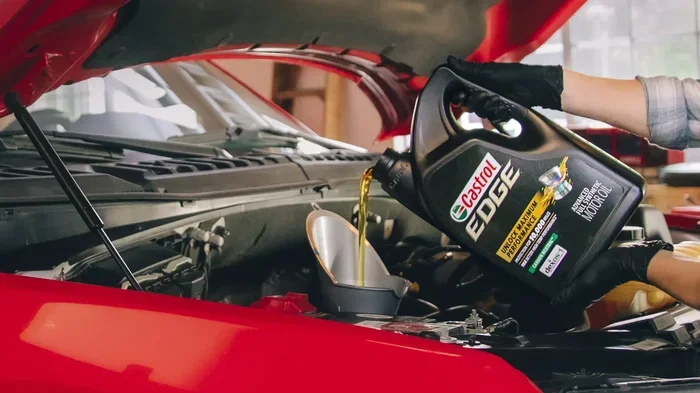
If you are handy and comfortable working on your car, a DIY oil change saves the most money. You eliminate labor charges entirely and control the quality of every part you use.
Here is what you need to get started:
- The right type and amount of oil for your vehicle
- A new oil filter
- An oil filter wrench
- A drain pan
- A jack and jack stands or ramps
- A socket wrench and the right socket size
A basic DIY oil change costs between $20 and $40 in materials. Compare that to the $50 to $100 you might pay at a shop. Over a year with four oil changes, that is a savings of $120 to $240.
Just make sure you dispose of the old oil properly. Most auto parts stores accept used oil for recycling. This keeps your car maintenance eco-friendly and cost-effective.
Timing Your Oil Changes for the Best Deals
Did you know that timing affects oil change price? Shops often run promotions during slow seasons or around holidays. Late fall and early winter are great times to look for deals because fewer people need seasonal services.
Also, consider visiting during off-peak hours. Mid-morning on a Tuesday or Wednesday is typically the slowest time at most shops. When business is slow, service advisors have more flexibility to offer discounts and work with your budget.
Signing up for loyalty programs at your preferred shop can also unlock seasonal promotions and member-only pricing. These small steps compound into meaningful savings over the years.
Final Thoughts on Negotiating Your Oil Change
Negotiating the price of an oil change is not about being pushy or difficult. It is about being an informed consumer who knows their worth. The oil change cost you see on a sticker is not always set in stone. There is almost always room for discussion, discounts, or better deals.
Whether you visit a dealership service center, an independent mechanic, or a quick lube chain, you have options. Use them. Compare prices, ask about coupons, build relationships, and never be afraid to ask for a better deal.
Your car deserves quality vehicle maintenance. And your wallet deserves a break. The next time you need an oil change, remember these tips. You have the knowledge and the power to save real money. Can you negotiate the price of an oil change? Absolutely. Now you know exactly how to do it.
Frequently Asked Questions
Is it rude to ask for a discount on an oil change?
Not at all. Most service providers expect customers to ask about pricing options. A polite and respectful request shows you are an informed consumer. Shops often have room to adjust prices, especially for loyal customers or during slow periods.
How much can I realistically save by negotiating?
Savings vary depending on the shop and your approach. Many customers save between $5 and $20 per oil change through negotiation and coupon stacking. Over a year with multiple oil changes, these savings add up to $60 or more.
Can I negotiate the price if I have a coupon already?
Yes. Many shops allow you to combine coupons with additional discounts. Ask if there is a loyalty discount or first-time customer deal that can stack with your existing coupon. Always mention both offers when booking.
Do dealerships ever lower their oil change prices?
Dealerships are less flexible than independent shops, but discounts do happen. Mention your service history, ask about ongoing promotions, or request to speak with a service manager. Loyalty and timing can work in your favor.
What if the shop refuses to negotiate?
If one shop cannot offer a lower price, thank them and move on. There are always other options nearby. Use the refusal as motivation to get quotes from competitors. Sometimes simply mentioning a lower quote from another shop is enough to unlock a better price.
Is a DIY oil change really worth the effort?
For most people, yes. A DIY oil change costs a fraction of a professional service and gives you full control over the oil and filter quality. It takes about 30 minutes and requires basic tools. If you are not comfortable doing it yourself, the negotiation tips in this article still apply to professional services.