Do You Legally Have to Have a Rear Wiper for Safety
Do you legally have to have a rear wiper? The answer depends on where you live and what type of vehicle you drive. Many states require rear wipers on certain vehicles, but not all of them enforce this rule strictly. A rear wiper plays a big role in keeping your rear window clear, which directly affects your ability to see behind you while driving. Whether it is a legal requirement or a safety smart choice, having a working rear wiper can make a real difference on the road.
Have you ever looked at your car and wondered whether you really need that little wiper on the back window? It sits up there doing its thing when it rains, but does it actually matter? More importantly, do you legally have to have a rear wiper on your vehicle? The short answer is: it depends on where you live and what kind of car you drive.
Rear wipers might seem like a small, unimportant detail. But they play a huge role in keeping you safe on the road. When rain, snow, or road grime builds up on your rear window, your visibility drops fast. A working rear wiper helps you see what is behind you, which matters every time you change lanes or back up. In this article, we will break down the legal requirements, safety benefits, and practical tips for keeping your rear wiper in top shape.
Key Takeaways
- Legal requirements vary by state: Some states mandate rear wipers on specific vehicle types, while others have no clear rule.
- Safety is the main reason: A rear wiper greatly improves rear visibility during rain, snow, and dirt buildup.
- SUVs and hatchbacks often need them: These vehicles collect more debris on the rear window, making wipers essential.
- Replacement is simple and affordable: Changing a rear wiper blade takes just a few minutes and costs under $15.
- Common mistakes reduce effectiveness: Using the wrong blade size or ignoring wear signs leads to poor performance.
- Maintenance extends wiper life: Regular cleaning and proper use can help your rear wiper last longer.
- When in doubt, install one: Even if not legally required, a rear wiper is a low-cost safety upgrade for any vehicle.
📑 Table of Contents
What Is a Rear Wiper and Why Does It Matter?
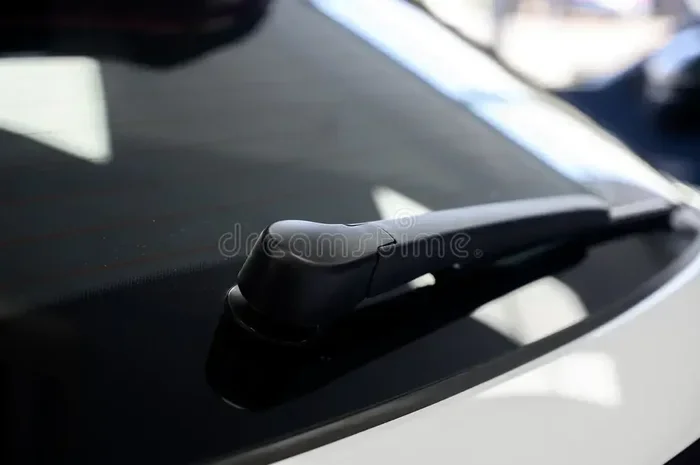
A rear wiper is a small wiping system mounted on the back window of a vehicle. It works just like the front wipers but is designed for the smaller, often more angled rear glass. You will commonly find them on SUVs, hatchbacks, station wagons, and minivans. These vehicles have rear windows that collect more dirt, water, and debris because of their shape and position.
The rear wiper system includes a few key parts. There is the wiper blade, which sits against the glass. There is the wiper motor, which powers the arm. And there is the linkage that connects the motor to the blade. When everything works together, the blade sweeps across the rear window and clears water or dirt. This gives you a clear view of what is behind you.
You might think a rear wiper is just a nice-to-have. But think about driving on a rainy day with your headlights on. Cars behind you splash water onto your rear window. Without a rear wiper, that water stays there and blocks your view. This is especially dangerous when you need to merge or turn. The rear wiper gives you the visibility you need to make safe decisions on the road.
How Rear Wipers Improve Driving Safety
Safety experts agree that rear visibility is a critical part of driving. The National Highway Traffic Safety Administration (NHTSA) has studied how rear visibility affects crash rates. Their findings show that drivers with clear rear windows have better awareness of surrounding traffic. A rear wiper helps maintain that clear view during bad weather.
Here are some real-world situations where a rear wiper makes a big difference:
- Heavy rain: Water sheets across the rear window and reduces visibility to almost zero without a wiper.
- Snow and ice: In winter, rear windows fog up and collect snow fast. A rear wiper helps keep the glass clear.
- Off-road driving: Dirt, mud, and gravel kick up from the road and coat the rear window quickly.
- Towing a trailer: Trailers throw a lot of debris at the rear window, making wipers essential.
- Driving in construction zones: Dust and concrete dust settle on the rear glass and blur your view.
Each of these situations can happen on any normal drive. A rear wiper is a simple tool that keeps you safe in all of them. It is one of those vehicle safety features that people often overlook until they really need it.
Legal Requirements for Rear Wipers by State
Now let us get to the big question: do you legally have to have a rear wiper? The answer is not a simple yes or no. Vehicle equipment laws vary widely from state to state. Some states have clear rules about rear wipers, while others leave it up to the manufacturer or the driver.
States That Require Rear Wipers
Several states have specific laws that require rear wipers on certain types of vehicles. These laws are usually found in the state vehicle code or traffic statutes. Here are some examples:
- California: Vehicles with rear windows that are not permanently covered must have a working rear wiper system.
- New York: Rear wipers are required on vehicles where the rear window is part of the windshield assembly.
- Florida: All vehicles manufactured with a rear wiper must have one in working condition.
- Texas: Rear wiper requirements apply to vehicles with rear windows that affect rear visibility.
- Illinois: State law requires rear wipers on vehicles where the rear window is designed to be wiped.
In these states, a rear wiper is not optional if your vehicle came with one from the factory. If the wiper is broken or missing, you could get pulled over and cited for an equipment violation. The fine is usually not huge, but it is a hassle you can easily avoid.
States With No Specific Rear Wiper Laws
On the other hand, many states do not have specific laws about rear wipers. In these places, the requirement often falls under broader vehicle equipment regulations. For example, a state might require that all windows provide clear visibility, but it does not specifically mention rear wipers. In practice, this means that if your car came with a rear wiper, you should keep it working. But if your car does not have one, there is no law saying you must install one.
States like Arizona, Colorado, and several others do not list rear wipers as a specific requirement in their vehicle codes. However, police officers still have the authority to pull you over if they believe your vehicle is unsafe or not roadworthy. A missing rear wiper on a car that was designed to have one could fall under a general equipment violation.
Federal Guidelines and Manufacturer Standards
At the federal level, the National Highway Traffic Safety Administration sets safety standards for vehicles. These standards, known as Federal Motor Vehicle Safety Standards (FMVSS), cover a wide range of equipment. However, FMVSS does not specifically require rear wipers on all vehicles. Instead, it leaves the decision to manufacturers based on the vehicle’s design and intended use.
This means that manufacturers decide whether to include a rear wiper based on factors like:
- The shape of the rear window
- The vehicle’s target market
- Expected driving conditions
- Consumer demand and design trends
Manufacturers often include rear wipers on vehicles where they make the most sense, like SUVs and hatchbacks. Sedans with small rear windows may not come with one because the rear visibility is less affected by weather.
Comparison: Rear Wiper Requirements by Vehicle Type
| Vehicle Type | Rear Wiper Typically Included? | Legal Requirement? | Safety Benefit |
|---|---|---|---|
| SUV | Yes | Often required if equipped | High |
| Hatchback | Yes | Often required if equipped | High |
| Station Wagon | Yes | Often required if equipped | High |
| Minivan | Yes | Often required if equipped | High |
| Sedan | Sometimes | Rarely required | Moderate |
| Coupe | Rarely | Rarely required | Low |
| Truck (Crew Cab) | Sometimes | Rarely required | Moderate |
As you can see from the table, rear wipers are most common and most needed on vehicles with large rear windows. If you drive an SUV or hatchback, the rear wiper is probably a standard feature and a legal requirement if it is present.
Common Rear Wiper Problems and How to Fix Them
Even if your rear wiper is working now, it will not last forever. Like all car parts, wiper systems wear out over time. Knowing the common problems can help you fix them early and avoid safety issues.
Wiper Blade Wear and Tear
The most common problem with any wiper is blade wear. The rubber on the blade gets hard, cracked, and worn after months of use. When this happens, the wiper leaves streaks or misses spots on the rear window. This reduces your visibility and defeats the purpose of having a wiper in the first place.
Watch for these signs of blade wear:
- Streaks or smears after each wipe
- Squeaking or chattering noise during operation
- The blade skipping across the glass
- Visible cracks or tears in the rubber
- The blade does not make full contact with the glass
If you notice any of these signs, it is time to replace the blade. Rear wiper blades are affordable and easy to swap out. Most cost between $5 and $15, and you can do the job in under five minutes.
Wiper Motor Failure
Sometimes the problem is not the blade but the motor. The wiper motor is the small electric motor that powers the wiping arm. Over time, motors can fail due to corrosion, overheating, or electrical issues. If your rear wiper stops working entirely, the motor might be the culprit.
Here is a quick way to check if the motor is working:
- Turn on the rear wiper switch.
- Listen for a humming or buzzing sound from the rear of the vehicle.
- If you hear nothing, the motor may have failed or there is a wiring issue.
Replacing a rear wiper motor is more involved than changing the blade. It usually requires removing the rear window trim and accessing the motor from inside the vehicle. If you are not comfortable doing this yourself, a mechanic can handle it for a reasonable fee.
Linkage and Arm Issues
The linkage connects the motor to the wiper arm and blade. If this linkage breaks or becomes loose, the wiper will not move properly. You might notice the wiper arm hanging loose or moving unevenly across the glass. In some cases, the arm might pop off the motor entirely.
Linkage problems are often caused by:
- Age and corrosion
- Ice or snow buildup forcing the arm to bend
- Impact damage from debris or car washes
- Wear and tear on the pivot points
Fixing linkage issues usually means replacing the arm or the linkage assembly. This is a moderate repair that a DIYer can handle with basic tools, or a mechanic can do quickly.
Quick Tips for Avoiding Common Rear Wiper Problems
- Clean your rear window regularly: Dirt and grime wear out wiper blades faster. A quick wipe with a glass cleaner once a week goes a long way.
- Lift the wiper arm in winter: If you live in a cold climate, lift the arm away from the glass during freezing nights. This prevents the blade from freezing to the glass and tearing the rubber.
- Use the wiper regularly: Letting a wiper sit in one position for too long can cause the rubber to deform. Use it at least once a week to keep it flexible.
- Replace blades twice a year: Most experts recommend replacing all wiper blades, including the rear wiper, every six months for best performance.
When to Replace Your Rear Wiper Blade
Knowing when to replace your rear wiper blade is one of the most important maintenance tasks you can do. A worn blade does not clean the glass properly, which means poor visibility and increased risk on the road.
Signs Your Rear Wiper Blade Needs Replacement
Here are the clear signs that your rear wiper blade has reached the end of its life:
- The blade leaves streaks or smears on the rear window
- The blade makes a squeaking or grinding noise
- The blade skips across the glass instead of lying flat
- The rubber is visibly cracked, split, or torn
- The blade has not been replaced in over six months
- You notice reduced rear visibility during rain or snow
How to Replace a Rear Wiper Blade
Replacing a rear wiper blade is one of the easiest car maintenance tasks you can do. You do not need any special tools or mechanical skills. Here is a simple step-by-step guide:
- Purchase the correct rear wiper blade for your vehicle. Check your owner’s manual for the right size and type.
- Lift the wiper arm away from the rear window.
- Find the release mechanism on the old blade. Most blades have a small tab or button that releases the blade from the arm.
- Press the release mechanism and slide the old blade off the arm.
- Align the new blade with the arm and slide it on until it clicks into place.
- Lower the arm back onto the rear window gently.
- Test the wiper by turning it on and checking for smooth, streak-free operation.
That is it. You just saved yourself a trip to the mechanic and a few dollars in labor costs. Keeping a spare rear wiper blade in your garage or trunk is a smart move that takes almost no space.
Expert Tips for Maintaining Your Rear Wiper System
Regular maintenance is the best way to keep your rear wiper working reliably. A little effort goes a long way toward extending the life of your wiper system and ensuring it works when you need it most.
Keep the Rear Window Clean
One of the simplest things you can do is keep the rear window clean. Dirt, bird droppings, tree sap, and other debris can damage the wiper blade and reduce its effectiveness. Wipe down the rear window with a glass cleaner at least once a week. This removes abrasive particles that grind against the blade during operation.
Check the Wiper Fluid
Rear window wiper fluid is often overlooked. Many vehicles have a separate reservoir for the rear wiper, or they share the front wiper fluid reservoir. Check your fluid level regularly and top it off as needed. Using the wiper with dry glass causes extra wear on both the blade and the window surface.
Inspect the Wiper Arm Tension
The wiper arm should press firmly against the rear window with even pressure. If the arm feels loose or wobbles, it might not be making proper contact with the glass. This leads to streaks and poor cleaning. You can usually adjust the arm tension by gently bending the arm back into shape. Be careful not to bend it too much, as this can damage the motor linkage.
Protect the System in Extreme Weather
Extreme weather is the biggest enemy of your rear wiper system. In winter, ice and snow can freeze the blade to the glass. When you try to turn on the wiper, this can tear the rubber or burn out the motor. In summer, intense heat can cause the rubber to dry out and crack faster.
To protect your rear wiper in extreme conditions:
- Use a windshield cover or tarp during winter storms
- Never force a frozen wiper to move. Wait for it to thaw or manually free it first
- Park in shaded areas when possible to reduce heat exposure
- Consider using a rear window defroster in combination with the wiper for best results
Expert Insight: Why Mechanics Recommend Rear Wiper Maintenance
Experienced auto mechanics consistently emphasize the importance of rear wiper maintenance. According to certified technicians at major service centers, rear wiper problems are among the most overlooked issues in vehicle maintenance. Many drivers only check their front wipers and forget about the rear entirely.
“A rear wiper is just as important as a front wiper,” says certified automotive technician Mark Delgado. “When you are driving in rain and your rear window is blurry, you cannot see what is behind you. That is a blind spot that can lead to a serious accident. A simple blade replacement can prevent that.”
Mechanics also recommend replacing rear wiper blades at the same time as front wiper blades. This ensures consistent performance across all wipers and keeps your overall visibility at its best. It is a small habit that makes a big difference.
Common Mistakes Drivers Make With Rear Wipers
Even well-meaning drivers make mistakes when it comes to rear wiper care. Here are the most common ones to avoid:
- Ignoring streaks: Many drivers ignore streaks on the rear window, thinking it is just a dirty glass. In reality, streaks are often the first sign of a worn wiper blade.
- Using the wiper on a dry window: Running the wiper on a dry rear window causes unnecessary friction and wears out the rubber faster. Always use wiper fluid when wiping.
- Forgetting to replace the blade: Rear wiper blades often last longer than front blades because they are used less frequently. This does not mean they should be ignored. Replace them on the same schedule as your front blades.
- Using the wrong blade size: Not all rear wiper blades are the same size. Using the wrong size leads to poor contact and ineffective wiping. Always check your owner’s manual for the correct size.
- Neglecting the wiper motor: If the wiper works slowly or makes unusual noises, the motor might be failing. Ignoring these signs can lead to a complete motor breakdown.
Conclusion
So, do you legally have to have a rear wiper? The answer comes down to your state laws and the type of vehicle you drive. In many states, rear wipers are required by law on vehicles that were manufactured with them. In other states, there is no specific requirement, but safety experts strongly recommend having one regardless.
A rear wiper is more than just a legal checkbox. It is a safety feature that improves your visibility and helps you make better driving decisions. Whether you are dealing with heavy rain, snow, or road debris, a working rear wiper keeps your rear window clear and your driving safer.
Take a few minutes to check your rear wiper today. Look at the blade for signs of wear, test it to make sure it works properly, and replace it if needed. This small act of maintenance can make a big difference the next time you are driving in less-than-ideal weather. Stay safe, stay visible, and keep your rear wiper in great shape.
Frequently Asked Questions
Is it illegal to drive without a rear wiper if my car has one?
In most states, yes. If your vehicle was manufactured with a rear wiper, you are generally required to keep it in working condition. Driving without a functional rear wiper when one is expected can result in an equipment violation and a fine. Check your local state laws to know for sure.
Can I install a rear wiper on a car that did not come with one?
Yes, you can install a rear wiper on a vehicle that did not originally have one. However, the process may require additional wiring and mounting hardware. It is usually a straightforward installation, but consulting a professional mechanic is a good idea if you are not experienced with car electronics.
How often should I replace my rear wiper blade?
Most experts recommend replacing rear wiper blades every six months, just like front wiper blades. If you notice streaks, squeaking, or poor cleaning performance, replace the blade sooner. Regular replacement ensures clear visibility and safe driving in all weather conditions.
Does a rear wiper help with rear visibility in snow?
Absolutely. A rear wiper is very helpful in snow conditions. Snow accumulates on the rear window quickly and blocks your view of traffic behind you. A working rear wiper clears the snow and improves your rear visibility significantly, making lane changes and backing up much safer.
Are rear wiper blades different from front wiper blades?
Yes, rear wiper blades are often different in size and design. They are typically shorter and may use a different attachment mechanism. Always check your vehicle’s owner manual to find the correct rear wiper blade size and type before purchasing a replacement.
What should I do if my rear wiper motor stops working?
If your rear wiper motor stops working, first check the fuse related to the wiper system. If the fuse is fine, the motor may have failed and need replacement. You can also check for loose wiring or a faulty switch. A certified mechanic can diagnose the exact issue and recommend the right repair.