Do Car Lights on Auto Drain Your Car Battery Overnight
Do car lights on auto drain your car battery overnight? The short answer is yes, they can — but not always. Modern vehicles with smart auto light systems use very little power, but older cars or certain settings may cause a parasitic battery drain that leaves you stranded in the morning. Understanding how your auto light sensors work and taking a few simple precautions can save you from a dead battery and costly roadside repairs.
Have you ever walked out to your car in the morning only to find it won’t start? That sinking feeling hits hard. You turn the key. Nothing. Or maybe you hear a weak click. The first thing you think? Did I leave the lights on?
Now imagine your car has auto lights. You didn’t even touch the switch. So how did the battery die? This is a question many car owners ask, and it is more common than you might think. In this article, we will break down exactly how auto lights affect car battery life, what causes overnight drain, and what you can do about it. Whether you drive a new sedan or an older truck, this guide has something useful for you.
Key Takeaways
- Auto lights can drain your battery overnight: especially in older vehicles or when sensors malfunction.
- Modern cars handle auto lights better: they have smart systems that minimize power draw when the engine is off.
- Parasitic drain is the real culprit: even small electrical draws add up over hours.
- Simple habits prevent battery death: parking in garages and checking light settings make a big difference.
- Know when to replace your battery: a battery older than three to five years is more vulnerable to drain.
- Interior and dashboard lights matter too: they contribute to overnight battery drain just like headlights.
📑 Table of Contents
- How Auto Lights Work in Modern Cars
- Do Auto Lights Actually Drain Your Battery Overnight?
- What Happens When Lights Stay On Overnight
- Common Reasons Your Car Battery Dies Overnight
- Tips to Prevent Battery Drain from Auto Lights
- When to Replace Your Car Battery
- Final Thoughts on Auto Lights and Battery Drain
How Auto Lights Work in Modern Cars
Before we answer whether auto lights drain your battery, let us understand what they actually do. Auto light systems use sensors to detect surrounding light levels. When it gets dark enough, the system turns your headlights on automatically. When it gets light again, they turn off.
The Sensor Technology Behind Auto Lights
Most auto light systems rely on a small sensor, usually mounted near the windshield. This sensor reads the ambient light around your car. When light drops below a certain level, it signals the car electrical system to activate the headlights. It is a simple process, but it involves wiring and relays that draw a small amount of power.
In newer vehicles, these systems are very efficient. Car manufacturers design them to use minimal energy. But efficiency varies from one model to another. A luxury SUV might handle auto lights differently than a budget compact car.
What Settings Do Auto Lights Usually Have?
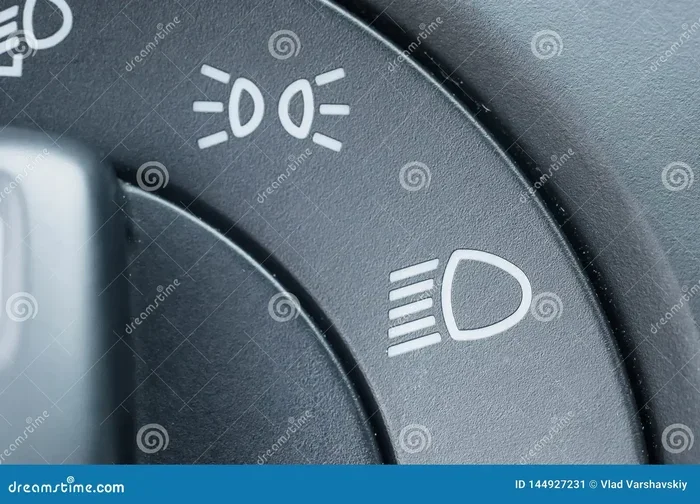
Most cars with auto light features offer a few settings on the light switch. You will typically see options like:
- Off: Lights stay off until you manually turn them on.
- Auto: The system controls when lights turn on and off based on light sensors.
- Parking Lights: Only the smaller rear and side lights stay on.
- High Beam Assist: Some cars also include this, which switches between high and low beams automatically.
Each setting affects your battery life differently. The auto setting is designed to be convenient, but it does not mean it uses zero power when the engine is off.
Do Auto Lights Actually Drain Your Battery Overnight?
This is the big question, and the answer is not a simple yes or no. It depends on several factors. Let us look at the real mechanics of what happens when you park your car with auto lights on.
What Happens When Your Engine Is Off but Lights Are On?
When your engine is running, the alternator charges the battery and powers all electrical systems. But when you turn off the engine, the alternator stops working. At that point, your battery is the only power source.
If your auto lights stay on after you shut off the engine, they draw power directly from the battery. Headlights use a significant amount of energy. A typical set of halogen headlights pulls about 55 to 65 watts per bulb. LED headlights use less, around 30 to 40 watts per bulb. Over several hours, this adds up fast.
Here is a quick comparison of how much power different light types use:
| Light Type | Watts Per Bulb | Power Draw (Both Bulbs) | Hours Until Noticeable Drain |
|---|---|---|---|
| Halogen Headlights | 55-65W | 110-130W | 4-6 hours |
| LED Headlights | 30-40W | 60-80W | 8-12 hours |
| Parking/Dash Lights | 5-10W | 10-20W | 20-40 hours |
| Interior Lights | 3-5W | 6-10W | 30-50 hours |
As you can see, the type of light matters a lot. Halogen headlights will drain a battery much faster than LED ones. And parking lights or interior lights draw far less power, but they still contribute over time.
Why Some Cars Drain the Battery and Others Do Not
Here is where it gets interesting. Not every car with auto lights will drain the battery overnight. Modern vehicles have something called a smart auto-off feature. This means the car automatically turns off the headlights a few minutes after the engine shuts off. Some systems do this in as little as 30 seconds.
Older vehicles, especially those from the 2000s or earlier, often lack this feature. If you leave your lights in auto mode on an older car, they may stay on until morning. That is a guaranteed way to wake up with a dead car battery.
Even in newer cars, sometimes the auto-off feature fails. A faulty sensor or a software glitch can cause the lights to stay on for hours. This is one of the most common reasons for overnight battery drain.
Parasitic Drain: The Hidden Battery Killer
Even with your headlights completely off, your car battery still loses a small amount of charge. This is called parasitic drain. Every modern vehicle has electronics that keep running after the engine is off. Think about your clock, the alarm system, the onboard computer, and the radio memory. All of these draw a tiny amount of power.
A normal parasitic drain is about 25 to 50 milliamps. That is very small. But if something goes wrong, the drain can spike to 100 milliamps or more. Auto light systems that malfunction can add to this parasitic load significantly.
When you combine a faulty auto light system with other electrical draws, the battery can lose enough charge overnight to prevent starting. This is why some people with perfectly good batteries still wake up to a car that won’t turn over.
What Happens When Lights Stay On Overnight
Let us paint a realistic picture. You park your car at 10 PM with the lights in auto mode. You forget to check whether the auto-off feature engaged. By morning, eight hours have passed. What now?
If your headlights are halogen and stayed on the whole time, you have likely drained the battery significantly. A fully charged battery needs about 12.4 volts or higher to start the car. Headlights left on for eight hours can easily drop that voltage below 11 volts. At that point, the starter motor struggles or fails entirely.
Even if the lights were only on for a few hours, repeated drain cycles weaken the battery over time. Each deep discharge shortens the overall car battery lifespan. Most car batteries last three to five years. Frequent overnight drain can cut that life in half.
Signs Your Battery Has Been Drained by Lights
How do you know if leaving lights on auto was the problem? Watch for these warning signs:
- Slow cranking when you start the car. The engine turns over sluggishly.
- Dim dashboard lights. The instrument panel glows dimmer than usual.
- Clicking sound but no start. The starter relay clicks but the engine does not turn.
- Battery warning light on the dashboard. This appears after you manage to start the car.
- Electrical accessories acting strange. Power windows move slowly or the radio resets.
If you notice any of these symptoms, your battery health may already be compromised. It is a good idea to get the battery tested at an auto parts store. Most places offer free battery testing.
Common Reasons Your Car Battery Dies Overnight
Auto lights are not the only cause of overnight battery drain. Several other factors can contribute to a dead battery in the morning. Understanding these helps you address the root cause, not just the symptoms.
Interior and Dashboard Lights Left On
People often forget about the small lights inside the car. The dome light, the map lights, the glove box light. These seem harmless, but they add up. If you leave the glove box open, its light stays on all night. A dome light left on can drain a weak battery by morning.
Faulty Alternator
The alternator charges your battery while you drive. If it is failing, it does not replenish the charge properly. Over time, you start each day with less charge than the day before. Eventually, the battery cannot hold enough power to start the car.
Old or Weak Battery
Batteries degrade over time. A battery that is three years old or older holds less charge than it used to. Cold weather makes this worse. If you live in a climate with harsh winters, your battery works harder and dies faster.
Aftermarket Electronics
Added gadgets like dash cams, phone chargers, GPS units, and aftermarket alarms draw power from the battery. Some of these devices continue drawing power even when the car is off. This extra load can push a borderline battery over the edge overnight.
Corroded or Loose Battery Terminals
Corrosion on battery terminals creates resistance. This prevents the battery from charging fully and delivering power efficiently. A corroded terminal can cause starting problems even when the battery itself is fine.
Tips to Prevent Battery Drain from Auto Lights
The good news is that preventing battery drain from auto lights is straightforward. A few small changes to your routine can save you from the headache of a dead battery.
Quick Tips to Keep Your Battery Healthy
- Check your light setting before you leave the car. Make sure the switch is not in a position that keeps lights on after shutdown.
- Use the auto-off feature if your car has one. Confirm it works by watching the lights after you turn off the engine.
- Park in a garage or covered area when possible. This reduces the chance that light sensors trigger the headlights unnecessarily.
- Install a battery maintainer or trickle charger. This keeps your battery topped off if you park for long periods.
- Turn off interior lights before exiting. Get in the habit of checking the dome light and map lights.
- Get your battery tested every six months. Auto parts stores do this for free.
- Clean battery terminals regularly. A simple wire brush removes corrosion and improves connection.
Expert Insight: What Mechanics Recommend
Most experienced mechanics agree on one thing: prevention is far cheaper than replacement. A quality car battery costs between 100 and 250 dollars. A battery maintainer costs about 25 to 50 dollars. The math is clear. If you park your car for more than a few days at a time, a trickle charger is a smart investment.
Mechanics also recommend paying attention to your vehicle’s electrical system. If you notice any flickering lights or slow cranking, do not ignore it. These are early warning signs of a deeper electrical issue that could leave you stranded.
Common Mistakes That Shorten Battery Life
Many car owners unknowingly do things that hurt their battery. Here are the most common mistakes:
- Leaving the car in auto lights when parked for weeks. Even small draws add up over days.
- Ignoring dashboard warning lights. A battery light means something is wrong. Address it promptly.
- Using electronics with the engine off. Playing the radio or charging your phone without the engine running drains the battery fast.
- Skipping battery maintenance. Cleaning terminals and checking fluid levels goes a long way.
- Driving only on short trips. Short drives do not give the alternator enough time to fully recharge the battery.
Avoiding these mistakes alone can extend your battery life by one to two years. That is real savings in both money and inconvenience.
When to Replace Your Car Battery
Even with the best care, batteries eventually need replacing. Knowing when to replace yours saves you from unexpected breakdowns.
Signs It Is Time for a New Battery
- The battery is more than four years old.
- You need jump-starts more than once a month.
- The battery case looks swollen or cracked.
- The terminals have heavy blue or white corrosion that keeps coming back.
- Your car struggles to start in cold weather, even if it starts fine in warm weather.
If you notice any of these signs, get your battery tested soon. Most batteries last between three and five years. Pushing beyond five years is risky, especially if you rely on your car daily.
Choosing the Right Battery for Your Vehicle
When it is time for a replacement, choose the right battery for your needs. Consider the climate you live in, how far you drive daily, and whether your car has heavy electrical demands. A quality battery maintenance routine starts with selecting the correct battery for your vehicle.
If you frequently park with auto lights on or leave your car unused for long stretches, consider a battery with a higher cold cranking amp rating. This gives you extra power reserve for starting, even if the battery has been partially drained overnight.
Final Thoughts on Auto Lights and Battery Drain
So, do car lights on auto drain your car battery overnight? Yes, they can, but it is not guaranteed. Modern vehicles handle auto lights well and often shut them off automatically. Older cars or vehicles with malfunctioning sensors are more vulnerable to overnight drain.
The key takeaway is awareness. Know how your auto light system works. Check your settings before you leave the car. And take proactive steps to protect your battery. Simple habits like turning off interior lights, using a trickle charger, and getting regular battery tests go a long way.
Your car battery works hard every day. It starts the engine, powers the lights, and keeps all your electronics running. A little attention and care can keep it healthy for years. So the next time you walk to your car, give that battery a little thanks. And make sure those auto lights are doing their job, not hurting it.
Stay proactive about your vehicle electrical system. Your future self will thank you when you turn the key and the engine roars to life, every single time.
Frequently Asked Questions
Can auto lights drain a car battery even when the engine is off?
Yes, they can. Auto lights that stay on after the engine is off draw power directly from the battery. Even though modern systems often shut the lights off automatically, a faulty sensor can cause them to remain on for hours, leading to a drained battery overnight.
How long does it take for auto lights to drain a car battery completely?
It depends on the type of headlights and the battery condition. Halogen headlights can drain a fully charged battery in four to six hours. LED headlights take longer, around eight to twelve hours. Older or weaker batteries will drain faster than newer ones.
Is it safe to leave my car in auto light mode every day?
Yes, it is generally safe for modern vehicles. Most cars built after 2010 have smart auto-off features that turn off the lights shortly after the engine is shut off. However, if your car is older or you notice frequent battery issues, it is better to manually switch the lights off when parking.
What is parasitic drain and how does it relate to auto lights?
Parasitic drain is the small amount of power that your car’s electronics use even when the engine is off. Auto lights that malfunction or stay on contribute to this drain. A normal parasitic drain of 25 to 50 milliamps is harmless, but a faulty auto light system can push this number much higher and drain the battery overnight.
How can I tell if my auto light system is draining my battery?
If you wake up with a dead or weak battery regularly, your auto light system may be the cause. Check whether your headlights are on in the morning. You can also use a multimeter to measure the parasitic drain. If it exceeds 75 milliamps with the lights off, have a mechanic inspect your electrical system.
Will a battery maintainer prevent drain from auto lights?
Yes, a battery maintainer or trickle charger helps prevent drain from auto lights. It keeps the battery topped off by supplying a small, steady charge. This is especially useful if you park your car for several days or if your auto light system tends to stay on longer than it should.
=== CONCLUSION ===
Do car lights on auto drain your car battery overnight? The answer is yes, under certain conditions. Faulty sensors, older vehicles, and malfunctioning auto-off features can all cause your headlights to stay on and drain your battery while you sleep. But with the right knowledge and a few simple habits, you can protect your battery and avoid the frustration of a car that won’t start.
Take a moment to understand your vehicle’s auto light system. Check it regularly. Keep your battery clean and maintained. And if your battery is more than three years old, consider replacing it before it leaves you stranded. A little effort today saves you time, money, and stress tomorrow.