Car Wont Start With a New Battery Common Reasons Why
A car that won’t start with a new battery is more common than you think. The problem is rarely the battery itself. Faulty connections, installation errors, and hidden electrical issues are usually to blame. This guide walks you through every possible reason and shows you exactly how to fix each one.
You just installed a shiny new battery. You feel like a hero. You turn the key. Nothing happens. No cranking. No clicking. Just silence.
It is one of the most frustrating experiences any car owner can face. You did everything right. You bought the right battery. You connected it properly. Or did you?
The truth is, a car that won’t start with a new battery happens more often than most people realize. And the fix is usually simpler than you think. In this article, we will explore every possible reason why your car refuses to start after a battery replacement. We will also give you practical, step-by-step solutions you can try right now.
Key Takeaways
- Loose or corroded terminals are the number one cause of no-start conditions with a new battery.
- Improper battery installation can leave your car unable to crank, even with a brand-new unit.
- Corroded battery cables block power flow and mimic a dead battery every time.
- Parasitic draw and faulty alternators can drain a new battery before it ever gets a chance to work.
- Ignition switch and starter motor failures often get mistaken for battery problems.
- Security system lockouts can prevent startup even after a fresh battery swap.
- Simple diagnostic steps at home can save you hundreds in unnecessary repairs.
📑 Table of Contents
- Why Your Car Won’t Start With a New Battery
- Battery Installation Mistakes That Cause No-Start Problems
- Electrical Issues That Prevent Startup With a New Battery
- Fuel System Problems That Mimic Battery Issues
- Security System and Immobilizer Issues
- How to Diagnose the Real Cause of Your No-Start Problem
- When to Seek Professional Help
- How to Prevent Future No-Start Problems
- Final Thoughts
Why Your Car Won’t Start With a New Battery
Most people assume a new battery means instant results. But that is not always how it works. Several factors can interfere with even a fresh battery. Understanding these reasons is the first step toward a solution.
The most common cause is a loose or poorly connected terminal. When the battery clamps are not tight enough, electricity cannot flow properly. It is like trying to drink a thick smoothie through a straw that is only half connected. No matter how good the battery is, the power gets stuck.
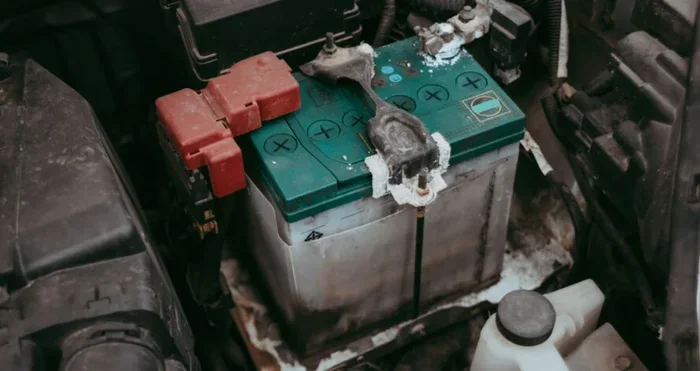
Another frequent issue is corrosion on the battery terminals. Even a brand-new battery can develop a white or greenish buildup around the posts. This buildup acts as an insulator. It blocks the electrical connection between the battery and the cables. You might think the battery is dead when really it is just unable to deliver its power.
Check Your Battery Terminal Connections First
Before you blame anything else, always check the terminals. Here is what to look for:
- Loose clamps: Wiggle the cable ends gently. If they move easily, they are not making proper contact.
- Corrosion buildup: Look for white, blue, or greenish powder around the posts. This is a sign of oxidation.
- Wrong cable placement: The positive cable must go to the positive terminal. The negative goes to the negative. Mixing them up causes no-start conditions.
- Damaged cables: Frayed or cracked wires cannot conduct electricity efficiently.
If you find any of these issues, fixing them is usually quick and easy. Tighten the clamps with a wrench. Clean the terminals with a wire brush or a baking soda solution. And make sure the cables are seated firmly on the posts.
Battery Installation Mistakes That Cause No-Start Problems
Even experienced car owners make mistakes during battery installation. These errors can prevent your car from starting, even with a perfectly good new battery.
Forgetting to Remove the Old Battery Terminal First
When replacing a battery, you should always disconnect the negative terminal first and reconnect it last. Skipping this step can cause short circuits. It can also trip your car’s electrical system into a protective mode. In some vehicles, this mode prevents the engine from cranking until you reset it.
Not Fully Seating the Battery
The battery must sit snugly in its tray. If it is even slightly loose, the vibration from driving can cause intermittent connection loss. Some cars have battery hold-down straps. Always make sure these are secured after installation.
Using the Wrong Battery Size
Not all batteries fit all cars. A battery that is too small might not make proper contact with the terminals. A battery that is too large might not sit correctly in the tray. Always check your owner’s manual for the correct battery group size before purchasing.
Skipping the Anti-Corrosion Washers
Many new batteries come with anti-corrosion pads or washers. These small components help maintain a clean connection over time. Skipping them can lead to premature buildup and poor conductivity.
Electrical Issues That Prevent Startup With a New Battery
Sometimes the battery is not the problem at all. The issue lies somewhere else in the electrical system. A new battery can mask these problems temporarily, but they will eventually cause a no-start condition.
Faulty Starter Motor
The starter motor is what actually turns the engine over. When you turn the key, the battery sends power to the starter. If the starter is worn out or has a bad solenoid, your car will not crank. You might hear a single click or nothing at all. A new battery cannot fix a bad starter.
Starter motors typically last between 100,000 and 150,000 miles. If your car has high mileage, the starter might be due for replacement. A telltale sign is a grinding noise when you try to start the engine.
Bad Alternator Draining Your New Battery
The alternator charges the battery while the engine runs. When it fails, it can no longer supply power. Worse, a failing alternator can create a parasitic draw that drains the battery even when the car is off.
Signs of a bad alternator include:
- Dashboard warning light: The battery or alternator light stays on.
- Dim headlights: Lights get dimmer when the engine is idling.
- Electrical accessories acting up: Power windows slow down, the radio flickers.
- Battery dies quickly: A new battery goes dead within a few days.
If you suspect your alternator, have it tested at an auto parts store. Most stores offer free testing. A new battery paired with a bad alternator is a losing battle.
Corroded or Damaged Battery Cables
The cables that connect the battery to the rest of the car carry a lot of current. Over time, these cables can corrode from the inside out. Even if the outside looks fine, the inside might be filled with corrosion. This restricts the flow of electricity. A new battery with bad cables is like a new water pipe full of rust.
Look at the cables closely. If they feel brittle, look cracked, or have greenish residue near the clamps, they need to be replaced. This is a simple fix that many people overlook.
Blown Fuse or Bad Relay
Your car has a fuse box that protects the electrical circuits. If a fuse related to the starting system blows, the car will not crank. Relays control the flow of power to the starter and fuel pump. A failed relay can mimic battery symptoms perfectly.
Check your owner’s manual for the fuse box layout. Look for fuses related to the starter, ignition, or fuel system. A blown fuse is cheap and easy to replace.
Fuel System Problems That Mimic Battery Issues
Here is something many people do not realize. Sometimes your car will not start, but it is not a battery problem at all. The issue might be in the fuel system. When you turn the key and hear the engine crank but not fire up, the fuel system is often the culprit.
Failed Fuel Pump
The fuel pump delivers gasoline from the tank to the engine. When it fails, the engine cranks but will not start. This is because there is no fuel reaching the combustion chambers.
A fuel pump can fail without warning. Common signs before complete failure include:
- Whining noise from the rear of the car: The pump works harder than it should.
- Engine stalling at high speeds: Intermittent fuel delivery problems.
- Difficulty starting after the car sits for a while: The pump cannot build enough pressure.
Clogged Fuel Filter
The fuel filter prevents debris from reaching the engine. Over time, it can become clogged. A clogged filter restricts fuel flow. The engine gets starved and will not start. Fuel filters are inexpensive and easy to replace. Most should be changed every 30,000 to 40,000 miles.
Empty Fuel Tank
It sounds silly, but it happens more than you would think. If your fuel gauge is acting erratically, do not assume you have fuel. A new battery will crank the engine perfectly. But if there is no fuel, the engine will not start. Always check the fuel level before assuming something is broken.
Security System and Immobilizer Issues
Modern cars have sophisticated security systems designed to prevent theft. These systems include immobilizers that prevent the engine from starting unless the correct key or key fob is recognized.
When you install a new battery, the car’s computer can sometimes lose its memory. This includes the security codes that allow the engine to start. The result is a car that cranks but will not fire up.
Some vehicles have a flashing security light on the dashboard. If you see this light after a battery replacement, the immobilizer system might be locked out. In most cases, you can resolve this by:
- Using the original key: The spare key might not have the correct chip.
- Waiting 10 to 15 minutes: Some systems reset themselves after a timeout period.
- Re-entering the security code: Check your owner’s manual for the reset procedure.
- Contacting a dealership: They can reprogram the immobilizer with the proper tools.
This issue is especially common in vehicles from manufacturers like Volkswagen, BMW, Ford, and Chevrolet. The transponder key system is sensitive to power interruptions. A new battery installation can trigger a lockout mode.
How to Diagnose the Real Cause of Your No-Start Problem
Now that you know the common causes, let us talk about how to figure out exactly what is wrong with your car. Diagnosing a no-start condition does not require expensive tools or professional training.
Step 1: Check for Dashboard Lights
Turn the key to the “ON” position. Do not start the engine. Look at the dashboard. Do any warning lights come on? If nothing lights up, you likely have a connection problem or a completely dead battery.
Step 2: Listen for Clicks
When you turn the key, do you hear a single click or rapid clicking?
- Single click: The starter solenoid is engaging but the starter motor is not turning. This points to a bad starter or a seized engine.
- Rapid clicking: The battery does not have enough power to turn the starter. Even with a new battery, this can happen if the connections are bad.
- No sound at all: There is likely no power reaching the starter. Check the battery terminals, cables, and fuses.
Step 3: Test the Battery Voltage
Use a multimeter to check the battery voltage. A fully charged 12-volt battery should read between 12.6 and 12.8 volts. If it reads below 12.4 volts, the battery is not fully charged. Below 12.0 volts means the battery is deeply discharged.
Have someone turn the key to the “START” position while you watch the multimeter. The voltage should not drop below 10.5 volts during cranking. If it drops rapidly, you have a faulty battery or a short circuit in the electrical system.
Step 4: Inspect the Ground Strap
Many cars have a ground strap that connects the battery to the car’s chassis. This strap ensures a proper electrical ground. If the ground strap is loose, corroded, or broken, the electrical system cannot function correctly. Check this strap and clean or replace it if needed.
Step 5: Check for Parasitic Draw
A parasitic draw occurs when something in the car continues to draw power after the engine is off. Over time, this drains the battery. To test for parasitic draw, you need a multimeter set to the DC amps setting. Disconnect the negative battery terminal and connect the multimeter in series. A normal parasitic draw should be below 50 milliamps. Anything higher indicates an electrical component is drawing power when it should not be.
Common causes of parasitic draw include:
- Interior lights left on
- Faulty door switches
- Aftermarket electronics like dash cams or alarm systems
- Bad relays that stay energized when they should not
When to Seek Professional Help
Most of the issues covered in this article can be fixed at home with basic tools. However, some problems require professional diagnosis. If you have checked the battery, terminals, cables, and fuses, and the car still will not start, it is time to call a mechanic.
Professional diagnostics can identify hidden issues like a bad ignition switch, a faulty engine control module, or internal engine problems like a broken timing belt. These are not DIY fixes. Attempting to repair them without proper knowledge can cause further damage.
A good mechanic will perform a comprehensive starting system test. This includes checking the battery, alternator, starter, and all related wiring. The cost for a diagnostic test is usually between $50 and $150, which is far less than replacing parts you do not need.
How to Prevent Future No-Start Problems
Prevention is always better than cure. Here are simple steps to keep your car starting reliably:
- Clean the battery terminals every six months with a wire brush.
- Tighten the cable clamps regularly to ensure a solid connection.
- Replace the battery every 3 to 5 years even if it seems to be working fine.
- Avoid leaving electronics on when the engine is off.
- Drive the car regularly to keep the battery fully charged.
- Use a battery maintainer if the car sits unused for long periods.
- Check the alternator output during regular oil changes.
Following these simple habits can extend the life of your battery and prevent unexpected no-start situations. A little maintenance goes a long way toward keeping your car reliable.
Final Thoughts
A car that won’t start with a new battery is almost never the battery’s fault. The real causes are usually connection issues, installation errors, or problems elsewhere in the electrical system. By working through the diagnostic steps outlined in this article, you can identify and fix the problem yourself in most cases.
Start with the simplest checks. Look at the terminals. Tighten the cables. Listen for clicks. Work your way through the list systematically. More often than not, you will find a quick and easy fix that gets you back on the road in minutes.
Remember, your car’s electrical system is a network. Every component depends on the others. A new battery is only one piece of the puzzle. When the whole system works together, your car starts every single time.
Do not panic the next time your car refuses to start. Stay calm, follow the steps in this guide, and you will be back on the road before you know it.
Frequently Asked Questions
Can a new battery be defective right out of the box?
Yes, it is possible but rare. New batteries can be defective due to manufacturing errors or damage during shipping. If you have checked all the connections and the battery reads below 12.0 volts with no load, the battery itself may be faulty. Most reputable brands offer warranties that cover defective units.
How long should a new car battery last before needing replacement?
A typical car battery lasts between three and five years. Extreme temperatures, short trips, and frequent stop-and-go driving can shorten this lifespan. Regular maintenance and testing can help you catch a failing battery before it leaves you stranded.
Why does my car click but not start even with a new battery?
A clicking sound usually indicates the starter solenoid is engaging but not receiving enough power. This can be caused by corroded terminals, loose cable connections, or a faulty starter motor. Check the battery connections first, as this is the most common and easiest fix.
Can a bad ground strap prevent a car from starting?
Absolutely. The ground strap completes the electrical circuit between the battery and the car’s chassis. If it is loose, corroded, or broken, the electrical system cannot function properly. This can prevent the car from starting even with a brand-new battery.
How do I know if my alternator is draining my new battery?
Signs include the battery warning light on the dashboard, dimming headlights, and the battery dying within a few days of installation. You can test the alternator output with a multimeter. It should read between 13.8 and 14.4 volts when the engine is running. Anything outside this range indicates a problem.
Will disconnecting the battery reset my car’s security system?
Disconnecting the battery can sometimes reset the security system, but it depends on the vehicle. In many modern cars, you may need the original key or a security code to reinitialize the system after a battery disconnect. Check your owner’s manual for the specific reset procedure for your vehicle.
=== CONCLUSION ===
A car that won’t start with a new battery is almost always a solvable problem. The most common culprits are loose terminals, corroded cables, and installation mistakes. By following the diagnostic steps in this guide, you can identify the root cause and apply the right fix. Remember to check your connections first, test the electrical system, and do not overlook the fuel system or security features. With a little patience and the right approach, you will have your car running again in no time.