Can I Add Oil to My Car If Its Low and Still Drive Safely
Yes, you can add oil to your car if its low, and doing so quickly can protect your engine from serious damage. This guide covers how to safely add oil, what type to use, warning signs to watch for, and when a simple top-up isn’t enough. Knowing the right steps saves time, money, and your engine.
Your car’s engine oil is its lifeblood. It keeps metal parts from grinding against each other, reduces friction, and carries heat away from critical engine components. When your oil level drops, you may feel panic set in. The first question that pops into most drivers’ minds is simple: can I add oil to my car if its low?
The short answer is yes. You absolutely can add oil when your level is low. But knowing how to do it safely, what kind of oil to use, and when it’s not enough is where things get important. This article walks you through every step, so you can handle a low oil situation with confidence.
Whether you’re stranded on the side of the road or you just noticed the oil level on your dipstick is low, this guide has you covered. We’ll break down the risks, the right procedure, and the mistakes to avoid. Let’s get into it.
Key Takeaways
- You can add oil to a low engine: Topping up is a safe, quick fix if you do it correctly.
- Always check the oil level first: Use the dipstick to confirm how much oil you need before adding.
- Use the right oil type: Match the viscosity and specification your manufacturer recommends.
- Watch for warning signs: The oil pressure light, engine noises, or smoke mean you need more than just a top-up.
- Don’t overfill: Adding too much oil can cause foaming and engine damage.
- Regular oil changes matter: A top-up is not a substitute for a full oil change.
- Drive cautiously after adding oil: Keep it short and gentle until you can do a proper oil change.
📑 Table of Contents
- Can I Add Oil to My Car If Its Low?
- How to Safely Add Oil to a Low Engine
- What Happens If You Drive with Low Oil?
- How Much Oil Should You Add?
- Can I Add Oil and Still Drive Safely?
- What Type of Oil Should You Use?
- Common Mistakes When Adding Oil
- Expert Tips for Maintaining Healthy Oil Levels
- Key Takeaways
- Conclusion
Can I Add Oil to My Car If Its Low?
The simple answer is yes. Adding oil to a low engine is one of the most basic car maintenance tasks you can do. It takes just a few minutes and can prevent engine damage caused by metal parts grinding together without lubrication.
However, a top-up is a temporary fix. It does not replace a full oil change. Think of it like filling up your gas tank when you’re running on empty. It gets you to the next stop, but you still need a proper refill eventually.
Why Oil Levels Drop
Understanding why your oil level drops helps you decide what to do next. Here are the most common reasons:
- Normal burn-off: All engines burn a small amount of oil during operation. This is normal and expected.
- Oil leaks: Worn gaskets, seals, or oil pan damage can cause slow or fast leaks.
- Old oil degradation: Over time, oil breaks down and becomes less effective, sometimes leading to lower levels.
- PCV valve issues: A faulty positive crankcase ventilation valve can burn oil faster than usual.
- Engine age: Older engines tend to consume more oil as parts wear down.
If you find yourself needing to add oil frequently, that’s a sign something bigger is going on. A persistent oil leak or excessive oil consumption needs professional attention.
How to Safely Add Oil to a Low Engine
Adding oil is straightforward, but doing it wrong can cause problems. Follow these steps carefully to keep your engine safe.
Step 1: Park on a Level Surface
Turn off the engine and let it cool for at least 5 to 10 minutes. Parking on a level surface ensures your dipstick reading is accurate. If you check oil on a slope, the reading can be misleading.
Step 2: Locate the Oil Fill Cap
Open the hood and look for the oil fill cap. It usually has an oil can symbol on top. If you can’t find it, check your owner’s manual. The cap sits on top of the oil reservoir, which is typically near the front of the engine.
Step 3: Check the Current Oil Level
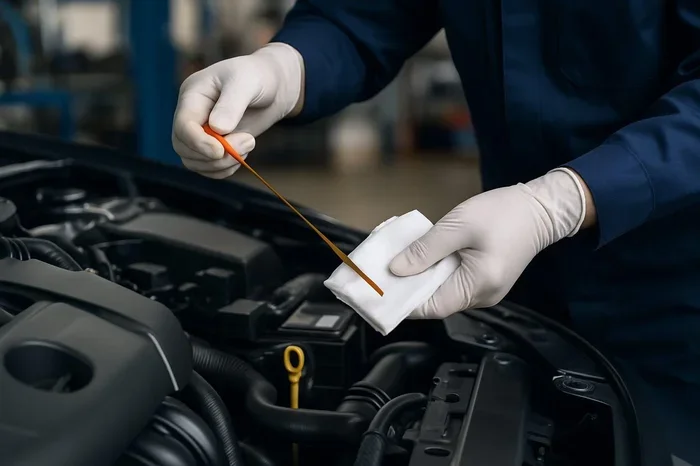
Pull out the dipstick, wipe it clean with a rag, reinsert it fully, and pull it out again. Look at the markings. Most dipsticks have two lines or a crosshatched area. The oil level should fall between those marks.
If the oil is below the minimum line, you need to add more. If it’s close to the maximum, you may not need to add anything at all.
Step 4: Choose the Right Oil
This is a critical step. Not all engine oil is the same. Check your owner’s manual for the recommended oil viscosity and specification. Common grades include 5W-30, 5W-20, and 10W-30.
Using the wrong oil type can reduce engine performance or even cause damage. Here’s a quick breakdown:
- Synthetic oil: Offers excellent protection and performance in extreme temperatures. It’s more expensive but lasts longer.
- Conventional oil: A standard option that works well for most everyday driving conditions.
- High-mileage oil: Formulated for engines with over 75,000 miles. It contains additives that help seal gaps and reduce leaks.
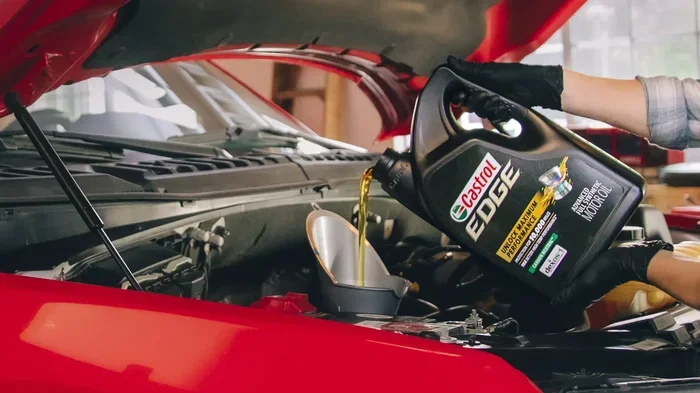
Step 5: Add Oil Gradually
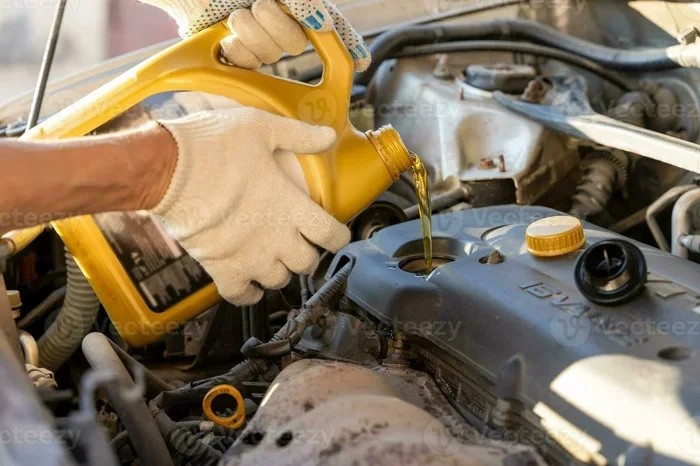
Remove the oil fill cap and pour the oil in slowly. Add a small amount at a time, about a quarter of the quart. After each addition, wait a minute for the oil to settle, then recheck the level with the dipstick.
This prevents overfilling, which can be just as harmful as running low.
Step 6: Re-Check and Close Up
Once the oil level sits between the minimum and maximum marks on the dipstick, you’re good. Replace the oil fill cap, close the hood, and wipe up any spills. Dispose of the used oil container properly.
What Happens If You Drive with Low Oil?
Driving with low engine oil is risky. Oil lubricates every moving part inside your engine. Without enough oil, those parts grind against each other, creating heat and friction. Over time, this causes engine damage that can be costly to repair.
Short-Term Risks
In the short term, driving with slightly low oil may not cause immediate failure. But you’ll likely notice warning signs:
- Oil pressure warning light: This dashboard light is your biggest red flag. If it comes on, pull over safely.
- Engine knocking or ticking: These sounds mean metal parts are contacting without proper lubrication.
- Reduced performance: Your engine may feel sluggish or less responsive.
- Burning smell: Overheated oil can produce a distinct burnt odor.
Long-Term Risks
Ignoring a low oil level for an extended period can lead to catastrophic engine failure. The pistons, crankshaft, and camshaft all rely on a steady supply of clean oil. Without it, these parts seize up, and the repair bill can easily reach thousands of dollars.
The bottom line: never ignore a low oil level. If you can’t get to a mechanic right away, adding oil is a smart temporary measure.
How Much Oil Should You Add?
The amount of oil you need depends on your vehicle’s oil capacity. Most cars take between 4 and 6 quarts total, but this varies by engine size and type.
Check your owner’s manual for the exact oil capacity. You can also look on the oil fill cap for a sticker that lists the recommended amount. If you’re adding oil, aim to bring the level to the full mark on the dipstick, not beyond it.
Overfilling is a common mistake. When you add too much oil, the crankshaft can whip the excess oil into a froth. This foam loses its lubricating ability and can cause oil pressure problems. Always add oil slowly and recheck the level frequently.
Quick Reference Table
Here’s a general guide to oil capacity for common vehicle types:
Vehicle Type | Typical Oil Capacity
Small sedan | 4 to 5 quarts
Mid-size sedan | 5 to 6 quarts
SUV or truck | 6 to 8 quarts
Performance engine | 8 to 12 quarts
These numbers are approximate. Always refer to your specific vehicle’s manual for accurate information.
Can I Add Oil and Still Drive Safely?
Yes, you can add oil and still drive, but with important caveats. Adding oil restores the lubrication your engine needs, which means you can continue driving safely in the short term. However, you should not treat this as a permanent solution.
After adding oil, keep these guidelines in mind:
- Drive gently: Avoid heavy acceleration and high speeds for the first few miles.
- Keep trips short: Drive only as far as needed to reach a mechanic or auto parts store for a full oil change.
- Monitor the oil level: Check the dipstick again after driving to make sure the level stays within the safe range.
- Watch for warning lights: If the oil pressure light comes on again, stop driving immediately.
The safest approach is to add oil, drive to the nearest service center, and get a proper oil change and inspection done as soon as possible.
When Adding Oil Is NOT Enough
Sometimes a simple top-up won’t solve the problem. You need professional help if:
- Your oil level drops again shortly after adding more.
- You notice a visible oil leak under your car.
- The oil looks dark, gritty, or has a burnt smell.
- The check engine light or oil pressure light stays on.
- Your engine runs louder than usual or produces smoke.
These signs suggest deeper issues like worn piston rings, a damaged oil pump, or internal leaks that a top-up cannot fix.
What Type of Oil Should You Use?
Choosing the right oil type is essential for engine health. The right oil keeps your engine running smoothly and protects it from wear and tear.
Understanding Oil Viscosity
Oil viscosity refers to how thick or thin the oil is at different temperatures. The number on the oil bottle tells you this. For example, 5W-30 means the oil flows like a 5-weight at cold temperatures and a 30-weight at operating temperatures.
Using the wrong viscosity can reduce fuel efficiency and increase engine wear. Always match what your manufacturer recommends.
Synthetic vs. Conventional Oil
Most modern cars run well on synthetic or synthetic blend oils. These options offer better protection at extreme temperatures and last longer between oil changes. Conventional oil works fine for older vehicles or those with simple engines.
If you’re unsure, check the owner’s manual or ask a trusted mechanic. They can recommend the best oil type for your specific vehicle.
High-Mileage Oil Considerations
For vehicles with over 75,000 miles, high-mileage oil is a great choice. It contains seal conditioners and extra additives designed to reduce leaks and protect older engine components. It’s a small investment that can extend the life of your engine.
Common Mistakes When Adding Oil
Even a simple task like adding oil can go wrong. Here are the most common mistakes drivers make:
Overfilling the Oil
Adding too much oil is worse than adding too little. Excess oil gets whipped by the crankshaft, creating foam that can’t lubricate properly. This leads to oil pressure drops and potential engine damage.
Using the Wrong Oil Type
Pouring in the wrong viscosity or type of oil can harm your engine over time. Always double-check the specifications before you buy.
Forgetting to Check the Oil Level
It’s easy to add oil and forget to recheck the level. Always use the dipstick after adding oil to confirm you’re in the safe range.
Ignoring the Oil Filter
When you add oil, the oil filter may also need replacing. A clogged filter restricts oil flow and reduces engine protection. If it’s been a while since your last oil change, now is a great time to replace the filter too.
Skipping Regular Maintenance
A top-up is a band-aid, not a cure. Skipping regular oil changes leads to buildup of sludge and contaminants that no amount of added oil can fix.
Expert Tips for Maintaining Healthy Oil Levels
Prevention is always better than cure. Here are some expert-backed tips to keep your oil level where it should be:
- Check your oil monthly: Make it a habit to check the dipstick every 30 days or before long trips.
- Set oil change reminders: Use your phone or car’s maintenance tracker to stay on schedule.
- Keep extra oil in your trunk: A quart of the right oil can save you in an emergency.
- Watch for leaks: Inspect under your car for oil spots regularly.
- Follow the manufacturer’s schedule: Every vehicle has a recommended oil change interval. Stick to it.
- Use quality oil filters: A good filter keeps your oil clean longer and protects your engine.
Quick Tips Section
Quick Tip: Always add oil when the engine is cool or has been off for at least 5 minutes. This gives the oil time to drain back into the oil pan for an accurate reading.
Quick Tip: Keep a rag or paper towels handy when checking or adding oil. Oil can be messy, and clean hands make the job easier.
Quick Tip: If you’re between oil changes and your level is low, a top-up is perfectly fine. Just don’t skip the next scheduled oil change.
Key Takeaways
- You can add oil to a low engine: Topping up is a safe, quick fix if you do it correctly.
- Always check the oil level first: Use the dipstick to confirm how much oil you need before adding.
- Use the right oil type: Match the viscosity and specification your manufacturer recommends.
- Watch for warning signs: The oil pressure light, engine noises, or smoke mean you need more than just a top-up.
- Don’t overfill: Adding too much oil can cause foaming and engine damage.
- Regular oil changes matter: A top-up is not a substitute for a full oil change.
- Drive cautiously after adding oil: Keep it short and gentle until you can do a proper oil change.
Conclusion
So, can I add oil to my car if its low? Yes, absolutely. Adding oil is a simple, effective way to protect your engine when the level drops too low. It’s a skill every driver should know, and it takes just a few minutes to do correctly.
But remember, a top-up is a temporary solution. It keeps you safe on the road until you can get a full oil change and inspection. Always use the right oil type, avoid overfilling, and pay attention to warning signs your car gives you.
Taking care of your engine oil is one of the easiest and most important things you can do for your vehicle. A few minutes of attention today can save you from expensive repairs tomorrow. Stay proactive, check your levels regularly, and keep your engine running strong for years to come.
Frequently Asked Questions
Can I Add Oil to My Car If Its Low and Still Drive to Work?
Yes, you can add oil and drive a short distance to work. Adding oil restores lubrication, which protects your engine from damage. However, keep the drive short and gentle, and head to a service center for a full oil change as soon as possible.
How Do I Know if My Oil Level Is Low?
You can check your oil level using the dipstick. Pull it out, wipe it clean, reinsert it fully, then pull it out again. If the oil level falls below the minimum mark, you need to add oil. Checking monthly helps you catch low levels early.
What Happens If I Overfill My Engine with Oil?
Overfilling causes the crankshaft to whip excess oil into foam. This foam loses its ability to lubricate properly, which can lead to oil pressure problems and engine damage. Always add oil gradually and recheck the level with the dipstick.
Can I Mix Different Brands of Oil?
Yes, mixing different brands of the same viscosity is generally safe in an emergency. However, using the same brand and type consistently is always better for your engine. Check your owner’s manual for the recommended oil type and stick to it whenever possible.
How Often Should I Check My Oil Level?
You should check your oil level at least once a month and before any long road trips. Regular checks help you catch drops early and prevent engine damage. Making it a habit takes just a few minutes each time.
Is It Safe to Drive with the Oil Light On?
No, driving with the oil pressure light on is dangerous. It means your engine may not have enough oil to lubricate its moving parts. Pull over safely, check the oil level, and add oil if needed. If the light stays on, do not continue driving and call for roadside assistance.