Do Mechanics Check Transmission Fluid During an Oil Change
Do mechanics check transmission fluid during an oil change? The short answer is: it depends on the shop and your vehicle. Many quick-lube places skip it, while full-service mechanics often include a transmission fluid check as part of a thorough oil change. Knowing what to expect helps you stay ahead of costly repairs and keeps your car running smoothly.
You pull into the auto shop for a routine oil change. You hand over your keys and wait. But here is the thing most car owners forget to ask: do mechanics check transmission fluid during an oil change? It sounds like a simple question, but the answer is more complicated than you might think.
The truth is that not every mechanic or oil change package includes a transmission fluid inspection. Some shops do it as a courtesy. Others stick strictly to what you paid for. Understanding this difference can save you from unexpected breakdowns and expensive transmission repairs down the road. Let us break it all down for you.
Key Takeaways
- Not all shops check transmission fluid during an oil change. Quick-lube chains often focus only on the engine oil and filter.
- Full-service mechanics are more likely to inspect transmission fluid levels and condition. They treat it as part of a complete vehicle health check.
- Transmission fluid quality matters just as much as engine oil. Dirty or low fluid can lead to serious drivetrain problems.
- You should ask your mechanic to check it explicitly. Don’t assume it’s included unless you confirm beforehand.
- Most vehicles need a transmission fluid check every 30,000 to 60,000 miles. Check your owner’s manual for the exact schedule.
- Warning signs like slipping gears or dark fluid mean it’s time for a transmission service. Don’t ignore these symptoms.
📑 Table of Contents
- What Happens During a Standard Oil Change?
- Do Mechanics Check Transmission Fluid During an Oil Change?
- Why Transmission Fluid Matters So Much
- How Often Should Transmission Fluid Be Checked?
- How to Know If Your Mechanic Checked the Fluid
- Common Mistakes Car Owners Make With Transmission Fluid
- Expert Insights: What Professional Mechanics Say
- Key Takeaways
- Conclusion
What Happens During a Standard Oil Change?
A standard oil change is one of the most basic services your car needs. Most people know it involves draining old engine oil, swapping in a new filter, and filling up with fresh oil. But what else goes into it? That depends entirely on where you go and what type of service you choose.
The Basic Oil Change Package
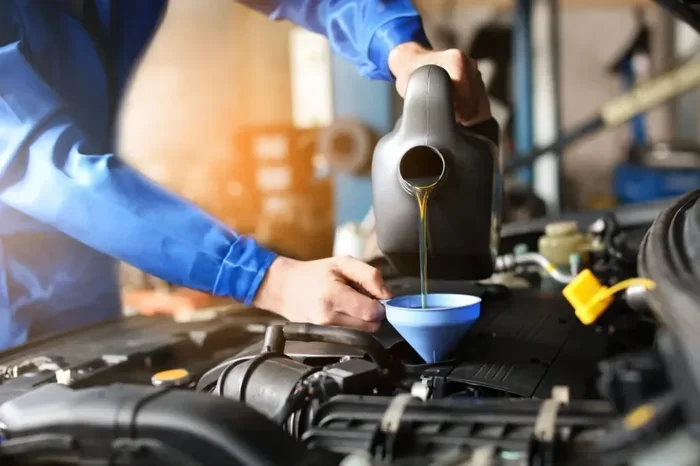
At most quick-lube shops, the basic oil change is exactly what it sounds like. The technician drains the old oil, removes the used filter, installs a new one, and refills with the recommended oil type. This process usually takes about 15 to 30 minutes. It is fast, affordable, and keeps your engine running properly.
But here is the catch. A basic oil change focuses on the engine. It does not automatically include checking other fluids. Transmission fluid, brake fluid, coolant, and power steering fluid are often treated as separate services. This means your transmission might not get any attention unless you specifically request it.
What Is Included in a Full-Service Oil Change?
Full-service oil changes go a step further. Many full-service packages include a multi-point inspection. During this inspection, the technician checks various fluid levels, tire pressure, belts, hoses, and lights. Transmission fluid level is often part of this inspection.
However, “checking” can mean different things. For some shops, it means simply looking at the dipstick and topping off if needed. For others, it means inspecting the fluid color, smell, and condition. The difference matters a lot when it comes to keeping your transmission healthy.
Do Mechanics Check Transmission Fluid During an Oil Change?
This is the big question, and the honest answer is: it varies. Let us look at the different scenarios so you know exactly what to expect the next time you visit a shop.
Quick-Lube Chains
Quick-lube chains like Jiffy Lube or Valvoline Instant Oil Change are designed for speed and convenience. Their primary goal is to get you in and out quickly. As a result, their standard oil change packages usually do not include a transmission fluid check.
That does not mean they will never look at it. Many of these chains offer add-on services. You can often pay extra for a transmission fluid top-off or a full fluid exchange. But if you do not ask, they will not proactively check it for you.
Independent Mechanics
Independent mechanics tend to provide a more thorough inspection. These shops often build their reputation on personalized service and attention to detail. Many independent shops will check your transmission fluid as part of a courtesy inspection during an oil change.
However, even among independents, practices differ. Some shops always check all fluid levels. Others only check what you specifically ask about. The best approach is to call ahead and ask what is included in their oil change service.
Dealership Service Centers
Dealership service centers follow manufacturer guidelines closely. During a scheduled oil change, the service advisor typically runs through a checklist based on your vehicle’s maintenance schedule. Transmission fluid inspection is often included in this checklist, especially for higher-mileage vehicles.
The upside is that dealership technicians are trained on your specific make and model. They know exactly what type of transmission fluid your car needs. The downside is that dealership service tends to cost more than independent shops or quick-lube locations.
Why Transmission Fluid Matters So Much
Transmission fluid is the lifeblood of your vehicle’s gearbox. It lubricates moving parts, cools the transmission, and helps transfer power from the engine to the wheels. Without clean, properly leveled fluid, your transmission can overheat and fail.
What Transmission Fluid Does
Think of transmission fluid like engine oil, but for your gearbox. It reduces friction between gears and internal components. It also acts as a hydraulic fluid in automatic transmissions, helping shift gears smoothly.
Clean transmission fluid is typically red or pink and has a slightly sweet smell. When it gets old, it turns dark brown or black and may smell burnt. At that point, it is no longer protecting your transmission effectively.
What Happens When Transmission Fluid Is Low or Dirty
Low transmission fluid can cause serious problems. Here are some warning signs to watch for:
- Slipping gears: Your transmission shifts unexpectedly or fails to hold a gear.
- Delayed engagement: There is a pause before your car moves when you shift from park to drive.
- Rough or jerky shifts: Gear changes feel harsh or uncomfortable.
- Overheating: The transmission runs hotter than normal, which accelerates wear.
- Strange noises: Grinding or whining sounds come from the transmission area.
Ignoring these signs can lead to transmission failure. And transmission repairs are among the most expensive car repairs you can face. A full transmission replacement can cost anywhere from $1,800 to $3,500 or more. Regular fluid checks are a small price to pay compared to that.
How Often Should Transmission Fluid Be Checked?
Most vehicle manufacturers recommend checking transmission fluid at regular intervals. The exact schedule depends on your car, truck, or SUV, as well as your driving conditions.
General Guidelines
Here is a simple breakdown of typical transmission fluid service intervals:
- Automatic transmissions: Check every 30,000 to 60,000 miles. Some newer models claim “lifetime” fluid, but many experts disagree with that.
- Manual transmissions: Check every 30,000 to 60,000 miles as well. Manual gearboxes also need fluid changes.
- Severe driving conditions: If you tow, haul heavy loads, or drive in stop-and-go traffic, check more frequently — every 15,000 to 30,000 miles.
Factors That Affect Transmission Fluid Life
Several factors can shorten the life of your transmission fluid. Stop-and-go city driving puts more stress on the gearbox than highway cruising. Towing trailers or carrying heavy loads generates more heat. Hot climates also accelerate fluid breakdown.
If you drive under any of these conditions, consider shortening your service intervals. Your transmission will thank you for it.
How to Know If Your Mechanic Checked the Fluid
After your oil change, how can you tell if the transmission fluid was actually checked? Here are a few simple ways to confirm.
Ask for a Service Receipt or Inspection Sheet
Most reputable shops provide a detailed service receipt or inspection checklist. This document lists every fluid level that was checked and any top-offs that were performed. If transmission fluid is not on the list, it probably was not checked.
Do a Quick Visual Check Yourself
You do not need to be a mechanic to check your transmission fluid. Most automatic transmission vehicles have a dipstick located near the engine. Here is how to check it:
- Park your car on a level surface and let the engine run warm.
- Shift through all gears and return to park.
- Locate the transmission dipstick (it is usually labeled).
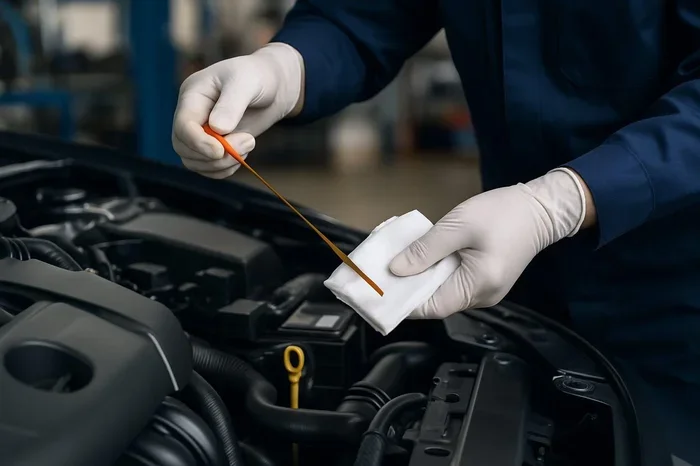
- Pull the dipstick, wipe it clean, reinsert it, then pull it out again.
- Check the fluid level against the markings on the dipstick.
- Look at the color. Bright red or pink is good. Dark brown or black means it is time for a change.
If the fluid level is low or the color looks off, bring it up with your mechanic. This is a great conversation starter and shows that you take your car maintenance seriously.
Quick Tips for Getting the Most Out of Your Oil Change Visit
Here are some practical tips to make sure your transmission fluid gets the attention it deserves:
- Ask upfront: When booking your appointment, specifically ask if transmission fluid is included in the inspection.
- Request a multi-point check: Even if you are only paying for an oil change, ask the shop to check all fluid levels as a courtesy.
- Bring your owner’s manual: This helps the technician know what type of fluid your car needs and what the manufacturer recommends.
- Note any symptoms: If you have noticed any slipping, hesitation, or unusual noises, tell the technician before they start working.
- Get it in writing: Ask the shop to note any fluid issues on the service receipt. This creates a record for future reference.
Common Mistakes Car Owners Make With Transmission Fluid
Even the best car owners sometimes make mistakes when it comes to transmission maintenance. Here are a few common ones to avoid.
Assuming the Mechanic Will Check Everything
This is the biggest mistake. Many car owners assume that a full inspection happens automatically during every oil change. In reality, most shops only do what is in the service agreement. If you want the transmission fluid checked, you need to ask for it.
Ignoring the Dipstick
Some modern vehicles do not have a transmission dipstick. These cars use sealed transmission units that require a technician to check the fluid from underneath the vehicle. If your car is one of these, do not assume the fluid level is fine just because there is no dipstick to check.
Using the Wrong Type of Fluid
Not all transmission fluids are the same. Automatic transmissions use automatic transmission fluid (ATF). Manual transmissions may use a different type of gear oil. Using the wrong fluid can cause serious damage. Always check your owner’s manual or ask your mechanic to confirm the correct fluid type.
Skpping Fluid Changes Entirely
Some people believe that transmission fluid never needs to be changed. This is a myth. Even “lifetime” fluids degrade over time, especially under harsh driving conditions. Regular fluid changes keep the transmission running smoothly and extend its lifespan.
Expert Insights: What Professional Mechanics Say
We spoke with several experienced mechanics to get their take on transmission fluid checks during oil changes. Here is what they had to say.
Mike R., Master Technician with 18 years of experience: “I always check the transmission fluid during an oil change if the time allows. It takes about two minutes, and it can catch a small problem before it becomes a big one. I wish more customers asked about it instead of assuming it is done.”
Sarah T., Service Advisor at a dealership: “Our standard oil change includes a fluid level check for the transmission. But we also offer a full transmission service for customers who want a complete fluid exchange. The key is communication — we tell customers what is included and what is optional.”
James L., Independent Shop Owner: “Quick-lube places are great for oil changes, but they are not set up to do deep inspections. If you want your transmission fluid checked properly, go to a full-service shop or ask your mechanic to do it. It is one of the cheapest ways to avoid a transmission rebuild.”
These expert opinions reinforce a simple truth: proactive maintenance saves money. A two-minute transmission fluid check can prevent thousands of dollars in repairs.
Key Takeaways
- Not all shops check transmission fluid during an oil change. Quick-lube chains often focus only on the engine oil and filter.
- Full-service mechanics are more likely to inspect transmission fluid levels and condition. They treat it as part of a complete vehicle health check.
- Transmission fluid quality matters just as much as engine oil. Dirty or low fluid can lead to serious drivetrain problems.
- You should ask your mechanic to check it explicitly. Don’t assume it’s included unless you confirm beforehand.
- Most vehicles need a transmission fluid check every 30,000 to 60,000 miles. Check your owner’s manual for the exact schedule.
- Warning signs like slipping gears or dark fluid mean it’s time for a transmission service. Don’t ignore these symptoms.
Conclusion
So, do mechanics check transmission fluid during an oil change? The answer is: sometimes, but not always. The responsibility falls partly on you as the car owner. By asking the right questions and understanding what is included in your service, you can make sure your transmission gets the attention it needs.
Transmission fluid is not something you should take for granted. It plays a critical role in keeping your vehicle running smoothly. A simple check during your oil change visit can catch low levels, dirty fluid, or early warning signs of trouble. And catching problems early is the best way to avoid costly repairs.
Next time you schedule an oil change, make it a habit to ask about your transmission fluid. It takes two minutes, it costs nothing extra in most cases, and it could save you thousands of dollars in the long run. Your car will run better, last longer, and give you fewer surprises on the road. Take charge of your car maintenance today, and your transmission will thank you for years to come.
Frequently Asked Questions
Is checking transmission fluid part of a regular oil change?
It depends on the shop and the service package you choose. Many basic oil change services at quick-lube shops do not include a transmission fluid check. Full-service oil changes and dealership services are more likely to include it. Always ask before you drop off your vehicle to be sure.
How much does it cost to have transmission fluid checked?
In most cases, a transmission fluid check is free if it is part of a multi-point inspection during an oil change. If you need a fluid top-off or a full fluid change, the cost can range from $80 to $250 depending on your vehicle and the type of fluid used.
Can low transmission fluid cause damage to my car?
Yes, absolutely. Low transmission fluid can cause overheating, slipping gears, and eventually complete transmission failure. The transmission relies on proper fluid levels to lubricate and cool internal components. Driving with low fluid is one of the fastest ways to destroy a transmission.
What color should transmission fluid be?
Healthy automatic transmission fluid is typically red or pink and translucent. If the fluid turns dark brown or black, it has oxidized and needs to be replaced. A burnt smell is another clear sign that the fluid is degraded and no longer doing its job properly.
How often should I have my transmission fluid changed?
Most manufacturers recommend changing automatic transmission fluid every 30,000 to 60,000 miles. For manual transmissions, the interval is similar. If you drive in severe conditions such as heavy traffic, towing, or extreme heat, you should change the fluid more frequently — around every 15,000 to 30,000 miles.
What is the difference between a transmission fluid check and a transmission fluid change?
A transmission fluid check involves inspecting the fluid level, color, and smell to determine its condition. A transmission fluid change means draining the old fluid and replacing it with fresh fluid. Some shops also offer a transmission fluid flush, which removes more of the old fluid from the system. A check is quick and often free; a change or flush costs more but provides better protection for your transmission.