Can You Jump-Start a Car With a Bad Alternator Now
Yes, you can jump-start a car with a bad alternator, but it comes with serious risks you need to understand. A jump-start provides temporary power to crank your engine when your car battery is dead. However, a failing alternator means your battery won’t recharge while driving. This guide covers everything you need to know about jump-starting with a bad alternator, the dangers involved, and what to do next to keep your vehicle running safely.
This is a comprehensive guide about Can You Jump-Start a Car With a Bad Alternator?.
Key Takeaways
- Jump-starting is possible: You can start a car with a bad alternator using jumper cables or a portable jump starter.
- It’s temporary: Without a working alternator, your battery will drain quickly and the car will stall again.
- Risk of electrical damage: A bad alternator can send unstable voltage to sensitive electronics.
- Signs matter: Dim headlights, dashboard warnings, and slow cranking often point to alternator failure.
- Get it fixed fast: Driving with a bad alternator for long distances can cause complete electrical failure.
- Safety first: Always follow proper jump-start procedures to avoid injury or vehicle damage.
[FEATURED_IMAGE_PLACEHOLDER]
Can You Jump-Start a Car With a Bad Alternator?
Here’s the short answer. Yes, you can jump-start a car with a bad alternator. But the real question is whether you should. And how long you can keep driving after you do.
When your car won’t start, panic sets in fast. You turn the key. Nothing happens. Maybe you hear a clicking sound. Or maybe there’s complete silence. Either way, you’re stuck. And if you suspect the alternator is the culprit, things get even more stressful.
Let’s break this down in plain language. You’ll learn exactly what happens when you try to jump-start a car with a bad alternator. You’ll understand the risks. And you’ll know the right steps to take so you don’t make things worse.
Jump-starting isn’t complicated. But doing it with a failing charging system adds a layer of complexity. This article gives you all the details you need. No jargon. No fluff. Just clear, practical advice you can use right away.
Understanding How Your Car’s Electrical System Works
Before we dive into jump-starting, let’s talk about how your car’s electrical system actually works. It’s simple once you see the big picture.
The Role of the Battery
Your car battery stores electrical energy. When you turn the key, the battery sends power to the starter motor. The starter motor cranks the engine. Once the engine runs, the alternator takes over.
The Role of the Alternator
The alternator has one main job. It generates electricity while the engine runs. It recharges your battery. It also powers all the electrical accessories in your car. Think of the lights, the radio, the power windows, and the fuel pump.
Inside the alternator, you’ll find a voltage regulator. This component controls the electrical output. It makes sure the voltage output stays steady. A healthy alternator delivers around 13.5 to 14.5 volts. If your alternator function is compromised, the voltage drops or fluctuates.
How the Charging System Works Together
Here’s how it all connects:
- The battery starts the engine.
- The alternator produces electricity once the engine is running.
- The electricity recharges the battery.
- The electricity powers all electrical systems.
When the alternator fails, this cycle breaks. The battery tries to do all the work on its own. And it can’t keep up for long.
What Happens When You Jump-Start a Car With a Bad Alternator
So what actually happens when you jump-start a car with a bad alternator? Let’s walk through the process and the consequences.
The Jump-Start Process
First, you connect jumper cables from a working vehicle to your dead battery. The good battery sends a surge of power to your dead battery. This surge gives the starter motor enough energy to crank the engine. Once the engine starts, your car runs on its own for a few moments.
But here’s the problem. With a bad alternator, your car doesn’t get the recharge it needs. The engine runs, yes. But the battery slowly loses charge. Within minutes or miles, the voltage output drops. The engine sputters. And eventually, your car stalls again.
How Long Can You Drive After a Jump-Start?
Honestly? Not very long. Most cars will run for 5 to 30 minutes on a jump-start alone. The exact time depends on a few factors:
- How much charge is left in the battery.
- How many electrical accessories you have running.
- The condition of the battery itself.
- Whether the alternator is completely dead or just weak.
If you turn off the radio, the lights, and the air conditioning, you might squeeze out a few extra minutes. But don’t count on it.
The Real Risks Involved
Driving with a bad alternator after a jump-start is risky. Here’s what can go wrong:
- Complete electrical failure: All lights, power steering, and power brakes may shut off suddenly.
- Battery damage: A deeply discharged battery can suffer permanent damage.
- Stalling in traffic: Your car could die without warning on a busy road.
- Damage to electronics: Unstable voltage from a failing alternator can fry sensitive computer modules.
These aren’t theoretical risks. They happen to real people every day. And the repair costs can add up fast.
How to Tell if Your Alternator Is Bad
Sometimes you don’t know the alternator is bad until the car won’t start. But there are warning signs. Catching them early can save you a lot of trouble.
Dashboard Warning Lights
Most modern vehicles have an alternator warning light on the dashboard. It often looks like a battery icon. If this light comes on while driving, pay attention. It means the charging system isn’t working properly.
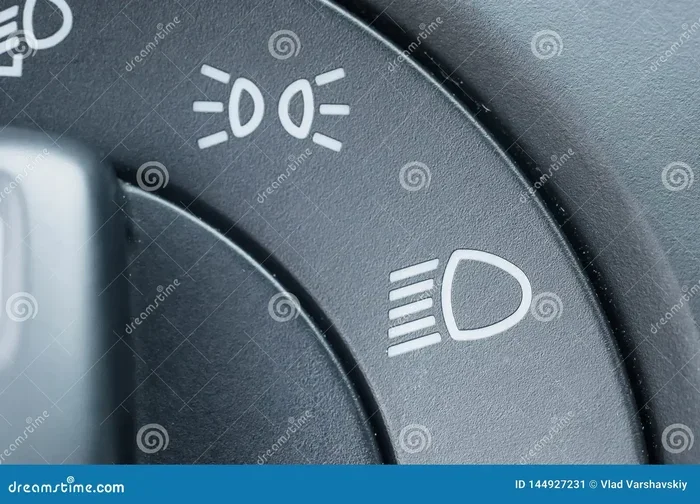
Dim or Flickering Headlights
Notice your dim headlights getting dimmer when you idle? That’s a classic sign of a weak alternator. The battery can’t get enough support. So the lights fade.
Slow Engine Cranking
When you turn the key and the engine cranks slowly, that’s another red flag. A healthy battery and alternator should crank the engine quickly and confidently.
Electrical Accessories Acting Up
Are your power windows moving slower than usual? Does the radio reset every time you start the car? These small signs point to a bigger problem with your electrical system.
Strange Noises from the Engine Bay
A whining or grinding noise near the alternator belt often means internal damage. The drive belt or the alternator bearings could be wearing out.
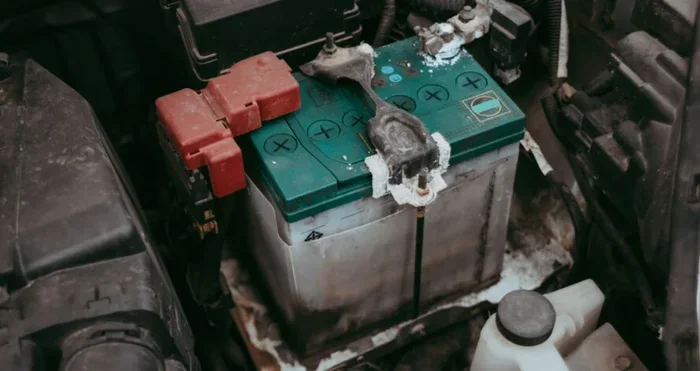
Battery Corrosion
Check your battery terminals regularly. White or greenish buildup around the terminals can cause connection problems. This doesn’t always mean the alternator is bad, but it affects the overall charging system.
Step-by-Step Guide to Jump-Starting a Car With a Bad Alternator
If you’re stuck and need to get going, here’s how to jump-start your car safely. Follow these steps carefully.
What You’ll Need
- A set of jumper cables (good quality, thick gauge).
- A working vehicle with a healthy battery.
- Or a portable jump starter (a great backup tool to own).
- Safety gloves and eye protection.
Step 1: Position the Vehicles
Park the working vehicle close to your car. Make sure both engines are off. The vehicles should not touch each other.
Step 2: Connect the Jumper Cables
Follow this order exactly:
- Connect the red clamp to your dead battery’s positive terminal.
- Connect the other red clamp to the good battery’s positive terminal.
- Connect the black clamp to the good battery’s negative terminal.
- Connect the remaining black clamp to an unpainted metal surface on your car’s engine block.
Never connect the last black clamp directly to the dead battery terminal. This can cause sparks near the battery. And batteries can release explosive gases.
Step 3: Start the Working Vehicle
Let the good vehicle idle for a few minutes. This sends some charge to your dead battery. It gives the starter motor a better chance to crank the engine.
Step 4: Try Starting Your Car
Turn the key in your ignition. If the engine turns over and starts, let it idle. Don’t turn off the engine right away.
Step 5: Disconnect the Cables
Remove the cables in reverse order:
- Black clamp from the engine block.
- Black clamp from the good battery.
- Red clamp from the good battery.
- Red clamp from your dead battery.
Step 6: Drive to Get Help
Here’s the most important part. Do not turn off your engine. Drive directly to a mechanic or a safe location. Every minute your engine runs, the battery gets a little recharge. But with a bad alternator, that recharge is minimal.
Common Mistakes People Make When Jump-Starting
Jump-starting seems simple. But people make mistakes that cause real damage. Here are the most common ones to avoid.
Connecting Cables in the Wrong Order
This is the number one mistake. Mixing up the positive and negative connections can fry your electrical system. It can also damage the voltage regulator and other sensitive components.
Leaving the Engine Off Too Long
Some people jump-start the car and then turn it off to “save the charge.” That defeats the purpose. Keep the engine running.
Ignoring Dashboard Warning Lights
If you jump-start the car and the battery light stays on, that’s a clear sign the alternator isn’t working. Don’t ignore it.
Driving Long Distances on a Jump-Start
This is dangerous. A bad alternator means no recharge. Your car will stall again, possibly in the middle of traffic or on a highway.
Using Damaged Jumper Cables
Frayed or thin cables can overheat. They might not deliver enough power to crank the engine properly.
Skipping Safety Precautions
Always wear gloves. Keep sparks away from the battery. And never jump-start a leaking or visibly damaged battery.
When to Replace Your Alternator Instead of Jump-Starting
Sometimes jump-starting is just a temporary fix. And sometimes it’s not worth the risk at all. Here’s how to decide.
Signs You Need a New Alternator
Consider replacing the alternator if you notice any of these signs:
- The alternator warning light stays on after a jump-start.
- The car stalls repeatedly even after a successful jump.
- You hear grinding or whining noises from the engine bay.
- The battery terminals show heavy corrosion that keeps coming back.
- The drive belt is visibly worn or slipping.
Cost of Alternator Replacement
Replacing an alternator costs between 300 and 800 dollars on average. The price varies based on your vehicle make and model. Labor costs make up a big part of the total. But the part itself is usually affordable.
Compare that to the cost of towing, a new battery, and damaged electronics from driving with a bad alternator. Replacing the alternator is almost always the smarter choice.
Can You Replace It Yourself?
If you have basic mechanical skills, yes. Most alternators are accessible from the engine bay. You’ll need a socket set, a wrench, and about an hour of time. Just remember to disconnect the battery first. And take a photo of the wiring before you disconnect anything.
How to Prevent Alternator Failure in the Future
You can’t prevent every alternator problem. But you can take steps to extend its life and catch issues early.
Regular Maintenance Checks
Have your charging system tested during every oil change. A mechanic can check the voltage output of the alternator with a simple test. It takes just a few minutes.
Keep the Battery Clean
Clean your battery terminals regularly. Use a wire brush to remove corrosion. Tight connections help the electrical system work efficiently.
Avoid Short Trips
Short trips don’t give the alternator enough time to fully recharge the battery. If you take mostly short drives, consider using a battery charger on a regular basis.
Watch for Early Warning Signs
Don’t ignore flickering lights or slow cranking. These are early signals that your charging system needs attention. Fixing a weak alternator early is much cheaper than replacing a completely failed one.
Invest in Quality Parts
When replacing your alternator, go with a quality part. Cheap alternators fail faster and can cause parasitic draw issues that drain your new battery too.
Quick Tips for Jump-Starting Success
Here are some fast tips to keep in mind:
- Always carry a portable jump starter in your trunk. It can save you from needing another vehicle.
- Check the battery water level before jump-starting if your battery is the removable type.
- Turn off all electrical accessories before attempting a jump-start. This reduces the load on the dead battery.
- Clean corroded terminals with a wire brush for a better connection.
- Don’t jump-start a frozen battery. If the battery is frozen, it can explode.
Frequently Asked Questions
Can a bad alternator ruin a new battery?
Yes, absolutely. A failing alternator puts extra stress on the battery. The battery has to work harder to power the car’s electrical systems. Over time, this shortens the battery’s lifespan significantly.
How far can you drive with a bad alternator after a jump-start?
Most cars can only travel 5 to 30 miles after a jump-start with a bad alternator. The exact distance depends on the remaining battery charge and how many electrical systems are running. Don’t push your luck.
What causes an alternator to fail?
Common causes include worn bearings, a failed voltage regulator, a damaged drive belt, or simply age. Electrical overload from too many accessories can also contribute to early alternator failure.
Is it safe to jump-start a car in the rain?
Yes, it’s generally safe as long as you follow proper procedures. Keep the cables away from puddles. Make sure your hands are dry. And never leave the cables connected to the vehicles longer than necessary.
Can jump-starting damage your car’s electrical system?
If done incorrectly, yes. Connecting cables in the wrong order or using damaged cables can cause voltage spikes. These spikes can damage the electrical system, including the computer modules and the voltage regulator.
How do you test if your alternator is working?
A mechanic can test your alternator with a multimeter. With the engine running, the voltage at the battery terminals should read between 13.5 and 14.5 volts. If it reads below 13 volts, the alternator likely isn’t charging properly.
Final Thoughts
So, can you jump-start a car with a bad alternator? The answer is yes. You absolutely can. But the better question is, should you? And for how long?
A jump-start gives you a temporary lifeline. It gets you out of a tight spot. But it’s not a long-term solution. A bad alternator means your car’s charging system is broken. Until you fix it, you’ll keep dealing with dead batteries and unexpected stalls.
The best approach is simple. Jump-start the car if you need to. Drive safely to a mechanic. Get the alternator tested. And replace it if needed. This keeps you safe and saves you money in the long run.
Don’t let a bad alternator leave you stranded again. Stay proactive. Watch for warning signs. And take care of your car’s electrical system before it becomes a bigger problem. Your wallet and your peace of mind will thank you.
Frequently Asked Questions
What is Can You Jump-Start a Car With a Bad Alternator??
Can You Jump-Start a Car With a Bad Alternator? is an important topic with many practical applications.