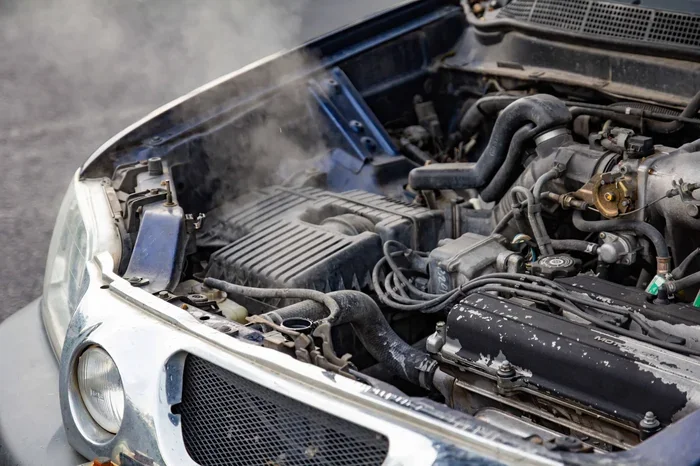
How to Prevent Your Car from Overheating in Summer
How to Prevent Your Car from Overheating in Summer is essential knowledge for every driver facing the scorching heat. A well-maintained cooling system, regular car maintenance, and smart summer driving habits can keep your engine temperature in check. This guide covers practical tips, common mistakes, and expert-backed strategies to protect your vehicle from engine overheating all season long.
Every summer, thousands of drivers find themselves stranded on the roadside with steam pouring from under the hood. How to Prevent Your Car from Overheating in Summer is a question that every car owner should know the answer to. The truth is, engine overheating is not just an inconvenience. It can cause serious damage to your engine, your cooling system, and your wallet.
Summer heat puts extra stress on every part of your vehicle. The radiator works harder. The coolant system faces more demand. Even your air conditioning adds load to an already hot engine. Understanding how to protect your car from overheating is one of the most important car maintenance skills you can develop. This guide will walk you through everything you need to know, from basic checks to expert-level tips.
Whether you drive a new car or an older model, the summer sun does not care. It will push your engine temperature to dangerous levels if you let it. The good news is that preventing overheating is entirely doable with the right knowledge and a few simple habits. Let us dive into the details and help you keep your engine cool all season long.
Key Takeaways
- Check Your Coolant Regularly: Low coolant is the number one cause of an overheating car. Keep it topped up and flush it on schedule.
- Inspect Hoses and Belts Often: Cracked hoses and worn belts can lead to sudden breakdowns in summer heat.
- Watch Your Temperature Gauge: Catching early overheating symptoms saves you from costly repairs like a blown head gasket.
- Park in the Shade: Simple parking habits reduce thermal protection stress on your engine and interior.
- Know When to Call a Pro: Persistent overheating despite basic fixes needs professional diagnosis right away.
📑 Table of Contents
Understanding Why Cars Overheat in Summer
Before we get into the fixes, it helps to understand the root causes. Your car has a cooling system designed to manage heat. When that system fails or gets overwhelmed, engine overheating happens. Summer heat makes everything worse because the ambient temperature is already high. Your radiator has a harder time dissipating heat into already hot air.
Several factors contribute to overheating during the summer months. Here are the most common ones:
- Low Coolant Level: Coolant, also called antifreeze, is the lifeblood of your cooling system. When it runs low, your engine cannot regulate its temperature properly.
- Faulty Thermostat: The thermostat controls the flow of coolant through the engine. If it gets stuck closed, coolant cannot circulate, and your engine heats up fast.
- Broken Water Pump: The water pump pushes coolant through the hoses and around the engine. A failing water pump means no circulation, which means overheating.
- Clogged Radiator: Dirt, bugs, and debris can block airflow through the radiator fins. This reduces the radiator’s ability to cool the coolant effectively.
- Worn Hoses and Belts: Cracked or brittle hoses can leak coolant. A loose or worn serpentine belt can cause the water pump and fan to underperform.
Each of these issues can cause your car to overheat on a hot day. The key is catching them early before they turn into a roadside emergency.
The Role of Your Cooling System
Your cooling system is a closed loop that moves coolant through the engine block, absorbs heat, and passes it through the radiator to release that heat into the air. The thermostat acts as a gatekeeper, opening and closing to maintain the right engine temperature. The water pump provides the pressure needed to keep coolant moving. And the radiator fan kicks in when the car is idling or moving slowly, ensuring airflow even when you are not going fast enough to create natural draft.
When all these parts work together, your engine runs at a safe temperature. But when one part fails, the whole system suffers. This is why regular car maintenance is so important. A simple inspection can reveal worn parts before they cause a breakdown.
How Summer Heat Makes It Worse
In summer, the air temperature can reach 90 degrees or higher. Your radiator relies on a temperature difference between the hot coolant and the surrounding air to release heat. When the outside air is already hot, that difference shrinks, and the radiator becomes less efficient. Add direct sunlight, stop-and-go traffic, and heavy air conditioning use, and you have a perfect storm for engine overheating.
This is why summer driving requires extra attention. Your temperature gauge becomes your best friend. Keep an eye on it, especially during long drives or in heavy traffic. Catching a rising temperature early gives you time to pull over and address the problem before serious damage occurs.
Essential Car Maintenance Tips for Summer
The best way to prevent overheating is to stay ahead of it with regular maintenance. A few simple checks before summer arrives can save you from a world of trouble. Think of car maintenance like going to the doctor for a checkup. You do not wait until something hurts to get it looked at.
Check Your Coolant Level Regularly
Your coolant level should be checked at least once a month during summer. Locate the coolant reservoir under the hood and check the fill line. If the level is low, top it off with the correct type of coolant for your vehicle. Never open the radiator cap when the engine is hot. The system is pressurized, and opening it can cause hot coolant to spray out and cause serious burns.
Here is a quick checklist for coolant maintenance:
- Check coolant level monthly during summer months
- Use the correct coolant type specified in your owner’s manual
- Look for leaks under the car or around the hoses
- Schedule a coolant flush every 30,000 miles or as recommended
- Mix coolant with distilled water in the proper ratio
A coolant flush removes old, contaminated fluid and replaces it with fresh coolant. Over time, coolant breaks down and loses its ability to absorb heat effectively. Old coolant can also become acidic and damage internal components. This is one of the most overlooked car care tips, and it makes a huge difference in preventing overheating.
Inspect Hoses and Belts
Your cooling system relies on rubber hoses and belts to move coolant and power the water pump. These parts are exposed to extreme heat every time you drive. Over time, they crack, swell, and weaken. A hose that bursts while you are driving can drain your coolant in seconds and cause immediate engine overheating.
Inspect all visible hoses for cracks, bulges, or soft spots. Squeeze them gently. They should feel firm but flexible. If they feel brittle or spongy, replace them. Check the belts for fraying, cracking, or glazing. A belt that slips can cause the water pump to spin too slowly, reducing coolant flow.
Here are some quick tips for hose and belt care:
- Inspect hoses at every oil change
- Replace any hose that shows visible damage immediately
- Check belt tension and look for wear patterns
- Keep spare hoses and clamps in your trunk for emergencies
- Do not ignore small leaks, they always get worse
Quick Habits to Keep Your Engine Cool
Beyond regular maintenance, there are daily habits you can adopt that make a big difference. These are simple actions that anyone can do, and they require no mechanical skills. Think of them as your first line of defense against summer overheating.
Monitor Your Temperature Gauge
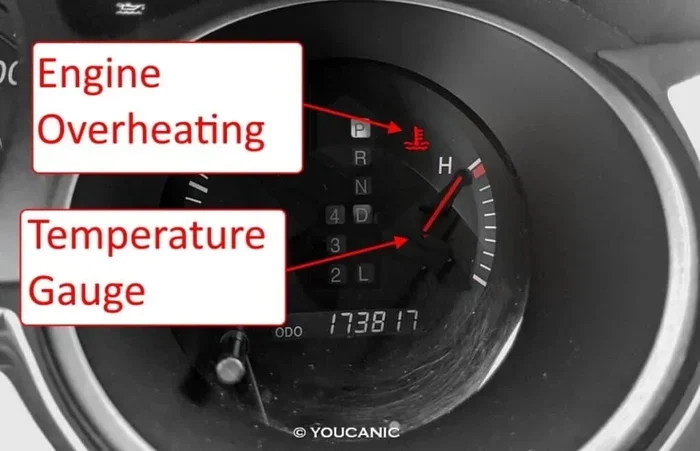
Your dashboard has a temperature gauge or warning light for a reason. Most drivers ignore it until something goes wrong. Make a habit of glancing at it during your drive, especially on hot days. If the needle starts climbing toward the red zone, pull over safely and turn off the engine. Let the car cool down for at least 15 minutes before opening the hood.
Ignoring an overheating warning is the fastest way to turn a small problem into a major repair. A few minutes of attention can save you from a blown head gasket, a cracked engine block, or a completely seized engine. These are expensive problems that can easily be avoided with a little vigilance.
Use Your Air Conditioning Wisely
Your air conditioning system puts a significant load on your engine. In hot weather, the compressor works harder to cool the cabin, which generates more heat for the engine to manage. On extremely hot days, consider using the recirculation mode. This recycles the already-cooled air inside the car instead of pulling in hot outside air, which reduces the workload on the A/C compressor.
Here are some smart A/C tips for summer driving:
- Start the A/C on recirculation mode when first getting in
- Switch to fresh air mode once the cabin is cool
- Use the temperature control to find a comfortable but not overly cold setting
- At low speeds, consider rolling down windows instead of running the A/C at full blast
- Keep the cabin a few degrees warmer than you normally would to reduce engine load
These small adjustments add up. They reduce the thermal load on your engine and help keep your temperature gauge in the safe zone.
Keep Your Radiator Clean
Your radiator is the heart of the cooling system. It releases heat from the coolant into the surrounding air. When the radiator fins get clogged with dirt, bugs, and debris, airflow is restricted, and cooling efficiency drops. A clean radiator can make a surprising difference in how well your car handles summer heat.
Gently hose down the front of the radiator to remove bugs and dirt. Do not use a high-pressure washer too close to the fins, as they can bend easily. Bent fins block airflow and reduce cooling performance. A soft spray from a garden hose is usually all you need.
When to Seek Professional Help
Some overheating problems go beyond what a quick check can fix. Knowing when to visit a mechanic can save you from a catastrophic engine failure. Professional mechanics have the tools and expertise to diagnose hidden issues that are not visible to the naked eye.
Signs You Should Visit a Mechanic
Not every overheating issue is obvious. Sometimes the symptoms are subtle and easy to overlook. Here are warning signs that it is time to see a professional:
- Your temperature gauge reads higher than normal even on short trips
- You notice a sweet smell coming from under the hood, which could indicate a coolant leak
- Steam or vapor comes from the radiator or engine area
- Your heater blows cold air even when the engine is hot
- You see puddles of green, orange, or pink fluid under your car
- The temperature warning light stays on even after the engine has warmed up
These symptoms can point to serious issues like a failing water pump, a blown head gasket, or a cracked radiator. Ignoring them will only make the problem worse and more expensive to fix.
Common Repairs for Overheating Issues
When you take your car to a mechanic for overheating problems, they will typically inspect the entire cooling system. Common repairs include replacing the thermostat, installing a new water pump, flushing the radiator, or repairing a head gasket. The cost of these repairs varies widely depending on your vehicle and the extent of the damage.
A thermostat replacement is usually one of the more affordable fixes, often costing between 100 and 300 dollars. A water pump replacement can range from 300 to 750 dollars depending on the vehicle. A head gasket repair is the most expensive and can cost anywhere from 1,000 to 2,500 dollars or more. This is exactly why early detection and prevention are so important. Catching an overheating problem early can mean the difference between a 200-dollar fix and a 2,500-dollar repair.
Summer Driving Habits That Prevent Overheating
How you drive and how you manage your vehicle in hot weather has a direct impact on engine temperature. A few smart habits can go a long way in keeping your car running smoothly during the hottest months of the year.
Plan Your Trips Smartly
If you can, avoid driving during the hottest part of the day. Early morning and late evening drives are easier on your engine and your air conditioning system. If you must drive during peak heat, plan your route to avoid heavy traffic and long idling periods. Stop-and-go traffic is one of the worst scenarios for engine overheating because there is little airflow through the radiator at low speeds.
For long road trips, plan regular breaks. Pull over every hour or so to let the engine cool down. This gives the cooling system a chance to catch up and prevents heat from building up to dangerous levels. A 10-minute break every hour can make a significant difference on a long summer drive.
Parking and Shade Tips
Where you park matters more than you might think. Parking in direct sunlight heats up your entire car, including the engine bay. When the engine is already hot from driving, parking in the sun means it takes longer to cool down. Over time, this repeated thermal cycling can stress engine components and cooling system parts.
Here are some parking tips for summer:
- Always try to park in the shade or under a covered area
- Use a windshield sunshade to reduce interior heat buildup
- Leave windows slightly cracked to allow hot air to escape
- If no shade is available, park facing away from the sun
- Consider a reflective car cover if you park outside for long periods
These simple habits reduce the thermal load on your engine and keep your car cooler overall. They also protect your interior from sun damage, which is a bonus.
Be Smart About Towing and Heavy Loads
If you tow a trailer or carry heavy loads in summer, your engine works even harder. The additional weight increases heat production, and the cooling system has to work overtime to keep up. If you must tow during summer, make sure your cooling system is in top condition before you hit the road. Consider installing an auxiliary transmission cooler if you regularly tow, as transmission fluid heat can also contribute to overall engine overheating.
Final Thoughts on Preventing Summer Overheating
How to Prevent Your Car from Overheating in Summer comes down to a combination of regular maintenance, smart driving habits, and paying attention to warning signs. You do not need to be a mechanic to keep your car cool in the heat. A few simple checks, a little awareness, and some proactive habits can go a long way.
Start by checking your coolant level and inspecting your hoses and belts before summer arrives. Monitor your temperature gauge while driving. Park in the shade whenever possible. And know when to call a professional if something does not feel right. These steps form a solid defense against engine overheating and can keep you on the road all summer long.
Your car works hard for you every day. Taking care of it during the summer months is one of the best investments you can make. A little prevention today can save you from a major breakdown tomorrow. Stay cool, stay safe, and enjoy the summer season with confidence knowing your car is ready for the heat.
Frequently Asked Questions
What are the first signs that my car is overheating?
The most common overheating symptoms include a rising temperature gauge on the dashboard, steam or vapor coming from under the hood, a sweet smell from the engine area, and the heater blowing cold air. If you notice any of these signs, pull over safely and turn off the engine immediately to prevent further damage.
How often should I check my coolant level during summer?
You should check your coolant level at least once a month during summer, and also before any long road trips. Always check the level when the engine is cool to avoid burns. If you find yourself needing to top off frequently, it could indicate a leak that needs professional attention.
Can I use water instead of coolant in an emergency?
Water can work as a temporary replacement if your coolant runs low and you are stranded. However, water does not provide the same thermal protection or anti-corrosion benefits as proper coolant. It also has a lower boiling point, which means it can turn to steam more easily. Use water only to get to a repair shop and have your system properly refilled with coolant afterward.
Why does my car overheat in traffic but not on the highway?
This happens because at low speeds in stop-and-go traffic, there is not enough airflow through the radiator to cool the coolant effectively. At highway speeds, the natural airflow keeps the radiator working efficiently. If your car overheats in traffic, your radiator fan may not be working properly, or the cooling system may be underperforming and in need of inspection.
Is it expensive to fix an overheating car?
The cost depends entirely on the cause. Simple fixes like replacing a thermostat or topping off coolant are relatively inexpensive. However, if overheating has caused damage to the head gasket or engine block, the repair costs can be very high. This is why early detection and regular car maintenance are so important for keeping costs down.
Should I turn off the air conditioning if my car starts to overheat?
Yes, turning off the air conditioning reduces the load on the engine and can help bring the temperature down quickly. You can also turn on the heater to full blast, as this helps draw heat away from the engine. These are temporary measures to get you to a safe stop, but they do not replace proper diagnosis and repair of the underlying issue.
=== CONCLUSION ===
Preventing your car from overheating in summer is all about staying proactive and paying attention to what your vehicle is telling you. Regular maintenance, smart driving habits, and a little common sense can keep your engine running safely through the hottest months of the year. Remember to check your coolant, inspect your hoses and belts, monitor your temperature gauge, and never ignore warning signs. With these tips in mind, you are well equipped to handle whatever the summer heat throws at you. Stay cool out there and keep your car running strong.