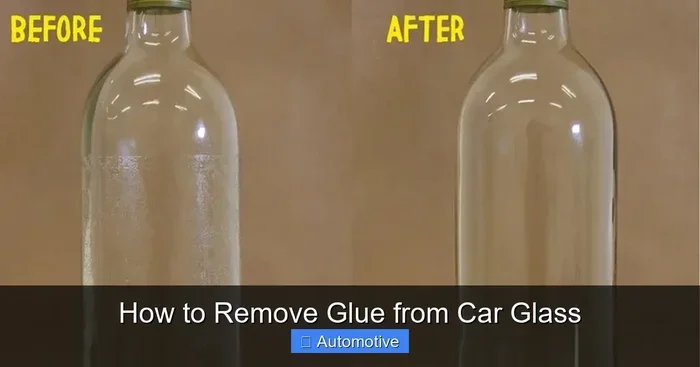
How to Remove Glue From Car Glass Without Scratching
Finding glue on your car glass is annoying, but you can fix it safely. This guide shows you how to remove glue from car glass without scratching using simple household items and professional tools. You’ll learn the best supplies, step-by-step techniques, and common mistakes to avoid for a streak-free finish.
That moment when you see a blob of dried glue on your car glass is pure dread. Maybe it’s from a phone mount, a parking ticket sticker, or a paint protection film that left behind a sticky trace. No matter the source, you want to know how to remove glue from car glass without leaving a single scratch. The good news is that you don’t need a garage full of expensive tools. With the right approach, you can restore your windshield to a crystal-clear state in under an hour.
Glue behaves differently depending on its type and how long it has been baked by the sun. Fresh adhesive wipes off easily, but old, hardened residue needs a little more persuasion. This article walks you through every safe method, from simple household solutions to professional-grade products. I’ll share exact steps, product recommendations, and the mistakes that can turn a simple fix into a costly repair. By the end, you’ll have a clear plan and the confidence to tackle any glue mess on your car glass.
Key Takeaways
- Use heat first: A hair dryer or heat gun softens most adhesives, making them easy to peel off.
- Choose the right solvent: Rubbing alcohol, WD-40, or a dedicated adhesive remover works wonders on car window glue.
- Always use a plastic scraper: Never use metal blades; they will scratch your glass.
- Clean with a clay bar: Detailing clay removes any remaining residue for a perfectly smooth surface.
- Work in the shade: Heat causes solvents to evaporate too fast, reducing their effectiveness.
- Know when to call a pro: Deeply etched glue or tinted windows need professional care.
📑 Table of Contents
Why Glue Sticks So Strong to Car Glass
Glass has a smooth, non-porous surface, which makes it easy to clean most things. But adhesive is designed to grip tightly. Over time, heat from the sun cures the glue, making it bond even harder. Road grime and ultraviolet rays create a tough outer layer that resists simple wiping. Understanding this helps you choose the right removal method. You need to break that bond gently without digging into the glass.
Different glues require different approaches. A removable phone mount adhesive is usually silicone-based and responds well to heat. Paint protection film glue is acrylic and often needs a solvent. Window tint glue is notoriously stubborn and may require repeated applications. Knowing what you’re dealing with saves you time and prevents damage. Always test your method on a small, hidden spot first.
Best Tools and Supplies for Safe Glue Removal
Before you start, gather your supplies. Having everything ready keeps the process smooth and prevents you from using harsh substitutes. Here is a list of what you’ll need for a safe, scratch-free clean.
- Plastic razor blade or detailing plastic scraper: This is your safest scraping tool. It lifts glue without scratching.
- Hair dryer or heat gun: Low heat softens the adhesive. Keep it moving to avoid overheating the glass.
- Rubbing alcohol (isopropyl alcohol, 70% or higher): A great solvent for most glues. It evaporates cleanly.
- WD-40 or mineral spirits: Effective on tough residues, but use sparingly and rinse well.
- White vinegar or baking soda paste: Gentle, natural options for light adhesive.
- Dedicated adhesive remover (like Goo Gone): Formulated for automotive use and safe on glass.
- Microfiber cloths: At least two. One for applying solvent, one for buffing.
- Detailing clay bar and clay lubricant: For final polishing to remove any micro-residue.
- Glass cleaner: A streak-free formula for the final wipe-down.
You can find most of these items at a local auto parts store or online. A plastic razor blade is especially important. Many people reach for a metal scraper, which is the fastest way to create permanent scratches. The plastic alternative works just as well when used with a little patience and the right technique.
Comparison Table: Adhesive Removers for Car Glass
| Product | Best For | Pros | Cons |
|---|---|---|---|
| Rubbing Alcohol | Fresh silicone adhesive | Cheap, fast-acting, safe on glass | Dries out skin; less effective on cured glue |
| WD-40 | Rubber and sticker residue | Penetrates deep, smells mild | Oily residue needs thorough washing |
| Goo Gone | All-purpose adhesive | Citrus-based, leaves no sticky film | Slightly pricier than household options |
| Acetone (Nail Polish Remover) | Paint protection film glue | Very strong, dissolves cured acrylic | Can damage some window tints; use with caution |
| White Vinegar | Light glue and sticky spots | Non-toxic, household staple | Needs more elbow grease; not for heavy buildup |
Step-by-Step: How to Remove Glue From Car Glass
Now let’s get into the core process. Following these steps ensures you remove every trace of glue without harming your glass. This method works for most types of adhesive, from a simple sticker to a stubborn paint protection film residue.
Step 1: Clean the Area Around the Glue
Start with a clean surface. Use a microfiber cloth and a bit of glass cleaner to wipe away any loose dirt or dust around the glue spot. Dirt particles can act like sandpaper when you start scraping, leading to scratches. Work in a shaded area because direct sunlight dries solvents too quickly, reducing their ability to dissolve the adhesive.
Step 2: Apply Gentle Heat
Plug in your hair dryer and set it to a medium heat. Hold it about six inches from the glue spot and move it constantly in a circular motion. Heat softens the adhesive and makes it pliable. After about one to two minutes, the glue should feel warm and slightly soft to the touch. If you have a heat gun, use the lowest setting and keep it moving. Never blast the glass with high heat for a long time; sudden temperature changes can crack the windshield.
Step 3: Peel and Lift the Glue
Take your plastic scraper and gently lift an edge of the softened glue. Start at a low angle, almost parallel to the glass. Pull slowly toward you. The glue should come off in a smooth sheet or roll. If it breaks apart, apply more heat and try again. Patience is your best friend here. Rushing this step is the main cause of scratches.
Step 4: Apply a Solvent to Remove Residue
Even after peeling, a thin film of glue residue usually remains. Spray a small amount of your chosen solvent onto a microfiber cloth. Rubbing alcohol works great for most residues. For tougher, cured adhesive, use a dedicated remover like Goo Gone or a bit of mineral spirits. Place the cloth over the residue and let it sit for 30 seconds. The solvent needs time to break down the bond. Then, gently wipe in a circular motion. You’ll see the residue lift away cleanly.
Step 5: Final Polish with a Clay Bar
For the smoothest, most professional result, use a detailing clay bar. Spray the included lubricant or a quick detailer onto the glass. Glide the clay bar gently across the surface. It picks up any remaining micro-particles of glue that your cloth missed. This step leaves the glass feeling perfectly slick and looking absolutely clear. Finish with a glass cleaner and a fresh microfiber towel for a streak-free shine.
Quick Tips and Common Mistakes
Even with the best method, small errors can cause big problems. Here are quick tips and mistakes to avoid while you learn how to remove glue from car glass.
Quick Tips for Success
- Work in short bursts: Heat for 30 seconds, then scrape. This prevents the glass from getting too hot.
- Keep a bag of ice nearby: If the glue is near a rubber seal, cold can stiffen it for easier removal.
- Use a ziplock bag on your hand: When applying solvent, wearing a bag over your hand gives you better grip and control on the scraper.
- Buff in one direction: When wiping residue, move the cloth in a single direction rather than circles to avoid re-depositing glue.
- Reapply solvent as needed: Let it sit. A second application often does the trick on old glue.
Common Mistakes That Cause Scratches
- Using a metal blade: This is the number one mistake. Metal scrapers will leave fine lines in the glass that catch light.
- Scrubbing too hard: Pressing down with a cloth or scraper creates friction. Let the solvent do the work.
- Using acetone on tinted windows: Acetone can dissolve the tint adhesive and damage the film. Stick to rubbing alcohol or a tint-safe remover.
- Skipping the pre-clean: Dirt trapped under your scraper acts as an abrasive. Always wash the area first.
- Applying too much heat: Overheating can cause the glass to expand and crack, especially in cold weather.
Protecting Your Glass After Glue Removal
Once the glue is gone, your glass might still have a hazy film from the solvent or residue. A little extra care ensures long-term clarity. Start with a thorough wash using a pH-neutral car shampoo. This removes any oily traces from WD-40 or mineral spirits. Dry the glass with a clean, lint-free microfiber towel.
Next, apply a glass sealant or a ceramic coating designed for car windows. These products create an invisible barrier that makes future cleaning easier and improves your visibility in the rain. A clay bar treatment once a month keeps the glass surface free of embedded contaminants. Finally, always use a dedicated glass cleaner for regular wiping. Household cleaners often leave a residue that attracts dust and can affect your visibility at night.
When to Call a Professional
Most glue removal jobs are perfectly doable at home. However, some situations call for a professional detailer or auto glass specialist. If the glue is deeply etched into the glass, perhaps from a very long-term sticker, home methods might not fully remove it. You also need expert help if the glue is on a window tint and you’re worried about damaging the tint. Similarly, if you have a rain sensor or a heating element embedded near the glue, a pro can work around these delicate parts safely.
Another sign you need a professional is if the glass has any chips or cracks. The heat and pressure from removal can worsen existing damage. A trained technician has access to specialized tools that can remove adhesive without risking the structural integrity of your windshield. Don’t hesitate to get a quote if you’re unsure. It’s always better to pay a little for peace of mind than to risk a costly windshield replacement.
Conclusion
Removing glue from your car glass doesn’t have to be a stressful chore. With the right tools, a little heat, and a gentle touch, you can achieve a scratch-free, streak-free finish every time. The key is patience and using the correct method for the type of adhesive you’re dealing with. Remember to start with heat, use a plastic scraper, and finish with a detailing clay bar for the smoothest result. Now that you know exactly how to remove glue from car glass without scratching, you can handle any sticky situation with confidence. Grab your supplies, find a shady spot, and give your windshield the care it deserves.
Frequently Asked Questions
Can I use a razor blade to remove glue from car glass?
Only if it is a plastic razor blade or a plastic detailing scraper. Metal razor blades will scratch the glass and leave permanent marks. Always choose a soft, plastic edge to lift the glue safely.
What household items can I use to dissolve glue on my car window?
Rubbing alcohol, white vinegar, and a baking soda paste are all effective household options. Rubbing alcohol works best on fresh silicone adhesive. For tougher spots, a mix of baking soda and water creates a gentle paste that helps dissolve the bond without scratching.
Will WD-40 damage my car glass?
No, WD-40 is safe for car glass when used correctly. It dissolves adhesive residue effectively. However, you must wash the area thoroughly with soap and water afterward because the oily residue can attract dust and reduce clarity if left behind.
How do I remove glue from a tinted car window without damaging the tint?
Avoid acetone and harsh solvents on tinted windows. Use rubbing alcohol or a dedicated adhesive remover that is safe for films. Apply it gently with a microfiber cloth and never scrape aggressively. If the tint starts to lift, stop immediately and consult a professional.
What is the best way to prevent glue from sticking to car glass in the future?
Apply a glass sealant or ceramic coating to your windows. These products create a slick surface that makes adhesive slide off much easier. Also, remove stickers and mounts as soon as possible before the glue fully cures in the sun.
Can heat damage my car glass when removing glue?
Excessive heat can cause thermal shock, which may crack a windshield, especially if it already has a small chip. Always use a low to medium heat setting and keep the dryer or heat gun moving constantly. Never focus the heat on one spot for more than a few seconds at a time.