How Do You Start a Dead Forklift and Get It Running
Starting a dead forklift can feel frustrating, but it is easier than you think. This guide walks you through every step to bring a dead forklift back to life. You will learn safety checks, battery tips, and troubleshooting tricks that work for both electric and diesel models. Whether you are a new operator or a seasoned pro, these methods will help you get moving fast.
There is nothing worse than walking up to your forklift and finding it dead. You turn the key. Nothing happens. The lights stay dark. The engine refuses to hum. If you have ever faced this situation, you know how much it can slow down your workday.
But here is the good news. Starting a dead forklift is a skill you can learn quickly. Most of the time, the fix is simple. Sometimes it is just a battery that needs a jump. Other times, it is a small issue you can handle in minutes. This guide covers everything you need to know. We will walk through the steps together. You will feel confident the moment you finish reading.
We will cover electric forklifts and diesel models. We will talk about batteries, starter motors, and ignition systems. You will also learn how to prevent this problem from happening again. Let us get your forklift running.
Key Takeaways
- Know your forklift type: Electric and diesel forklifts have different starting needs.
- Safety comes first: Always perform pre-start checks before attempting to start a dead forklift.
- Battery health is critical: A dead battery is the number one reason a forklift won’t start.
- Simple fixes work: Jump starting, charging, and basic troubleshooting solve most problems.
- Preventive maintenance saves time: Daily checklists keep your forklift from dying on the job.
- Know when to call a pro: Some issues need a trained forklift repair specialist.
📑 Table of Contents
- Why Does a Forklift Die and Refuse to Start?
- Step-by-Step: How Do You Start a Dead Forklift?
- Troubleshooting Common Dead Forklift Problems
- Preventive Maintenance to Avoid a Dead Forklift
- When to Call a Professional for Forklift Repair
- Common Mistakes People Make When Trying to Start a Dead Forklift
- How to Keep Your Forklift Running Smoothly All Year Long
- Final Thoughts
Why Does a Forklift Die and Refuse to Start?
Before we dive into fixes, it helps to understand what went wrong. A dead forklift does not just happen for no reason. Something caused it to lose power or fail to turn over. Knowing the cause helps you pick the right fix.
Common Reasons a Dead Forklift Stays Dead
Several things can leave your forklift unable to start. Here are the most common culprits:
- Dead or weak battery: This is the top reason. Forklift batteries lose charge over time, especially if the machine sits unused for days.
- Corroded battery terminals: Dirt and grime build up on the terminals. This blocks the electrical connection your forklift needs.
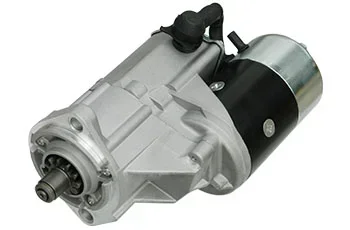
- Faulty starter motor: The starter motor turns the engine over. If it fails, you will hear nothing when you turn the key.
- Bad ignition switch: The ignition switch sends power to the starter. A broken switch means no power reaches the engine.
- Low fuel (diesel models): It sounds obvious, but running out of fuel happens more often than you think.
- Faulty fuel pump: In diesel forklifts, the fuel pump delivers fuel to the engine. A failed pump stops the engine from starting.
- Hydraulic system issues: Some forklifts will not start if the hydraulic pressure is too low. This safety feature prevents accidents.
Electric vs. Diesel Forklift Starting Issues
Electric forklifts and diesel forklifts work very differently. Their starting problems are not the same either.
Electric forklifts run on a large battery pack. When the battery dies, the forklift will not move at all. There is no engine to turn over. You just get silence when you turn the key. The fix usually involves charging the battery or giving it a jump from another unit.
Diesel forklifts have a traditional engine. They need fuel, air, and a spark to start. When a diesel forklift is dead, the problem could be the battery, the fuel system, or the glow plugs. Cold weather makes diesel starting problems worse. A cold start forklift often needs extra help in winter months.
Step-by-Step: How Do You Start a Dead Forklift?
Now let us get into the actual process. Follow these steps carefully. Safety always comes first when you are working with heavy equipment.
Pre-Start Safety Checks
Before you touch the key, do these safety checks. They protect you and your coworkers.
- Check the area around the forklift. Make sure no one is standing near the forks or the rear of the machine.
- Check the parking brake. The brake should be engaged before you attempt any starting procedure.
- Check for warning lights. A forklift warning light panel can tell you a lot about what is wrong. If a red light is on, investigate before starting.
- Check the forks. Make sure the forks are lowered all the way to the ground.
- Put the gear shift in neutral. This prevents the forklift from lurching forward when you turn the key.
The Actual Starting Process for an Electric Forklift
Starting an electric forklift that is dead follows a clear process:
- Make sure the key switch is in the off position.
- Check the battery voltage with a multimeter. A healthy battery reads around 24 to 80 volts depending on your model.
- If the voltage is low, connect a battery charger. Let it charge for at least 30 minutes before trying again.
- If another forklift is nearby, you can use it to jump start your dead unit. Connect the positive cable first, then the negative.
- Turn the key to the on position. Wait for the dashboard lights to come on.
- Listen for the buzz of the contactor. This means power is flowing to the motor controller.
- Press the start button or turn the key to start. The forklift should hum to life.
The Actual Starting Process for a Diesel Forklift
Starting a dead diesel forklift requires a few extra steps:
- Check the fuel level. Open the tank and make sure there is enough diesel.
- Check the battery. Diesel forklifts need a strong battery to crank the engine.
- Turn the key to the on position. Wait for the glow plugs to warm up. You will see a light on the dashboard go off when they are ready.
- Turn the key to start. Hold it for no more than 10 seconds at a time. If it does not start, wait 30 seconds and try again.
- If the engine still will not turn over, try a jump start from another battery or a portable jump pack.
Quick Tips for Stubborn Dead Forklifts
Sometimes a forklift just will not cooperate. Here are some quick tips that often do the trick:
- Tap the starter motor gently. A light tap with a rubber mallet can free up a stuck starter. This works more often than you would think.
- Check the cable connections. Loose cables are a sneaky cause of starting failure. Tighten them with a wrench.
- Try a different key. Some ignition switches wear out. A backup key can sometimes work when the main one fails.
- Warm up the battery. In cold weather, a battery can freeze. Move the forklift to a warm area or use a battery warmer.
Troubleshooting Common Dead Forklift Problems
When the basic steps do not work, it is time to dig deeper. Troubleshooting helps you find the root cause. Let us look at the most common problems and how to fix them.
Battery Issues: The Usual Suspect
The battery is the heart of your forklift. Without it, nothing works. When you have a forklift battery problem, here is what to look for:
- Visual inspection: Look for cracks, leaks, or bulging on the battery case. Any of these means the battery needs replacement.
- Corrosion on terminals: White or blue-green powder on the terminals blocks electricity. Clean it off with a wire brush and a baking soda solution.
- Low voltage: Use a multimeter to check the voltage. A fully charged 24-volt battery should read 24 volts or higher. If it reads below 20 volts, charge it or replace it.
- Old battery: Forklift batteries last about 5 years with proper care. If yours is older, it may be time for a forklift battery replacement.
Quick Tip: Keep a voltmeter in your toolbox. Checking battery voltage takes only 30 seconds and saves hours of guesswork.
Starter Motor and Ignition Problems
If you turn the key and hear nothing, the starter motor or ignition switch could be to blame.
- Listen carefully. A single click means the starter solenoid is engaging but the motor is not turning. This points to a bad starter motor.
- No click at all? The problem is likely the ignition switch or a broken electrical connection.
- Check the safety interlock. Many forklifts have a seat switch. If the seat switch is broken, the forklift will not start. Sit fully in the seat and try again.
Fuel and Hydraulic Concerns for Diesel Models
Diesel forklifts have more moving parts that can fail. Here are the fuel and hydraulic issues to watch for:
- Clogged fuel filter: A dirty fuel filter stops diesel from reaching the engine. Replace it regularly.
- Air in the fuel lines: Air bubbles can block fuel flow. Bleed the fuel lines according to your operator manual.
- Low hydraulic fluid: Some forklifts will not start if the hydraulic reservoir is low. Check the fluid level and top it off.
- Faulty glow plugs: Glow plugs help diesel engines start in cold weather. If they fail, the engine will crank but not fire.
Preventive Maintenance to Avoid a Dead Forklift
The best way to deal with a dead forklift is to never have one. Preventive maintenance keeps your forklift healthy and ready to go every single day.
Daily Checklists for Forklift Operators
Every operator should run through a quick checklist at the start of each shift. Here is a simple daily checklist:
- Check the battery voltage or fuel level.
- Inspect the tires for damage or low pressure.
- Test the brakes. Push the forklift gently and make sure it stops.
- Check the horn, lights, and backup alarm.
- Look under the forklift for any fluid leaks.
- Listen for unusual sounds when you turn the key.
- Make sure all controls move smoothly.
Taking five minutes for this checklist can save you hours of downtime. It also keeps your forklift maintenance records up to date, which is great for safety audits.
Battery Care Tips for Longer Life
Your forklift battery is a big investment. Take care of it and it will last longer. Here are some simple battery care tips:
- Charge the battery fully before each shift. Never let it run completely empty.
- Do not overcharge. Overcharging shortens battery life and creates heat damage.
- Keep the battery clean. Wipe it down regularly. Remove any dirt or moisture.
- Check the water level. For lead-acid batteries, the water level should cover the plates. Add distilled water when needed.
- Store the forklift in a cool, dry place. Extreme heat and cold both damage batteries faster.
When to Call a Professional for Forklift Repair
Not every problem can be fixed with a jump start or a new battery. Some issues need a trained professional. Knowing when to call for help saves you time and money.
Warning Signs You Should Not Ignore
Watch for these warning signs. They mean it is time to call in a forklift repair expert:
- Repeated dead batteries: If your battery keeps dying even after a full charge, there is a deeper electrical problem.
- Strange smells: Burning smells or the smell of sulfur near the battery are serious red flags.
- Visible damage: Cracked wires, melted connectors, or leaking fluids all need professional attention.
- Error codes on the display: Modern forklifts show error codes. If you see a code you do not recognize, do not guess. Call a technician.
- The forklift starts but dies immediately: This could point to an alternator or voltage regulator problem.
Always follow forklift safety guidelines when deciding whether to attempt a repair yourself. If you are not trained, do not open the electrical panel or touch the fuel system. A qualified forklift operator or technician should handle complex repairs.
Common Mistakes People Make When Trying to Start a Dead Forklift
Even experienced workers make mistakes when a forklift will not start. Here are the most common errors and how to avoid them.
- Skipping safety checks: It is tempting to rush when production is behind. But skipping safety steps can lead to accidents. Always follow your pre-start routine.
- Jumping the battery the wrong way: Connecting the cables backward can fry the electrical system. Always match positive to positive and negative to negative.
- Cranking the engine too long: Holding the key in the start position for more than 10 seconds can overheat the starter motor. Let it rest between attempts.
- Ignoring warning lights: Dashboard lights are there for a reason. If a light stays on, do not just start the forklift and hope it goes away.
- Using the wrong charger: Not all battery chargers work with all forklift models. Check your manual before plugging in a charger.
- Neglecting regular maintenance: A forklift that gets regular forklift maintenance rarely dies unexpectedly. Schedule your service checks and stick to them.
Avoiding these mistakes keeps your forklift running and your workplace safe. It also extends the life of your equipment significantly.
How to Keep Your Forklift Running Smoothly All Year Long
Once you get your dead forklift running again, you want to keep it that way. A well-maintained forklift runs better, lasts longer, and keeps your workplace safe.
Create a maintenance schedule that includes weekly, monthly, and quarterly tasks. Weekly tasks should include cleaning the battery terminals and checking fluid levels. Monthly tasks should include inspecting the tires, brakes, and forks. Quarterly tasks should include professional inspections of the engine, electrical system, and hydraulic lines.
Keep a logbook for every forklift in your fleet. Record every maintenance task, every repair, and every time the forklift was dead or had starting problems. This logbook helps you spot patterns. If one forklift keeps having battery issues, you may need to replace it or change your charging routine.
Train your operators on proper starting procedures. A forklift operator who knows how to start the machine correctly and spot early warning signs will prevent many problems before they happen. Make forklift training a regular part of your safety program.
Final Thoughts
Knowing how to start a dead forklift is an essential skill for anyone who works with these machines. Whether it is an electric model or a diesel workhorse, the steps are similar. Check your safety systems first. Identify the likely cause. Follow the right starting procedure. And if the problem is beyond a simple fix, call a professional.
Regular maintenance is your best defense against a dead forklift. A little care each day prevents big problems down the road. Keep your batteries charged, your fuel levels full, and your checklist done every shift.
Remember, a dead forklift is not the end of the world. With the right knowledge and a calm approach, you can get it running again in most cases. Use the tips in this guide the next time your forklift refuses to start. You will be back to work in no time.
Frequently Asked Questions
What should I do first when my forklift won’t start?
Start with the safety checks. Make sure the parking brake is on, the forks are lowered, and the gear shift is in neutral. Then check the battery voltage or fuel level. Most starting problems come down to a dead battery or empty fuel tank.
Can I jump start a dead electric forklift with a diesel forklift?
Yes, in most cases you can jump start an electric forklift using a diesel forklift’s battery. Use proper jumper cables and connect positive to positive first, then negative to negative. Always follow the safety guidelines in your forklift manual.
How long does a forklift battery last before it dies?
A forklift battery typically lasts about 5 years with proper care. However, this depends on how often you charge it, how well you maintain it, and the operating temperature. Regular maintenance and proper charging habits extend battery life significantly.
Why does my forklift die right after I start it?
This usually points to an alternator or voltage regulator problem. The battery may also be failing and cannot hold a charge. If your forklift starts but dies immediately, have a professional check the electrical system right away.
Is it safe to start a dead forklift in the rain?
Water and electricity do not mix well. If it is raining, move the forklift to a dry area if possible before attempting to start it. Make sure your hands and the battery terminals are dry before connecting any cables or turning the key.
How can I prevent my forklift from dying on the job?
Follow a daily pre-start checklist. Charge your battery fully before each shift. Keep your fuel tank topped off. Stick to a regular maintenance schedule. These simple habits will prevent most dead forklift situations.
=== CONCLUSION ===
Starting a dead forklift does not have to be a scary experience. With the right knowledge, you can handle most starting problems on your own. Remember to always put safety first. Check your battery, your fuel, and your electrical connections before trying anything else.
Use the step-by-step methods in this guide for both electric and diesel models. Keep up with your preventive maintenance. Know when to call a professional for forklift repair. And most importantly, stay calm and work through the problem methodically.
Every operator will face a dead forklift at some point. Now you know exactly what to do. Put these tips into practice and you will keep your forklift running smoothly for years to come.