How Many Miles Is Too Many for a Used Minivan Find Out
So, how many miles is too many for a used minivan? The answer depends on age, maintenance, and driving conditions. Most minivans can last 200,000 to 300,000 miles with proper care. Generally, 100,000 to 150,000 miles is the sweet spot for a used minivan. High mileage doesn’t always mean bad if the vehicle has been well maintained.
Shopping for a used minivan can feel overwhelming. There are so many options, so many price points, and so many numbers to consider. But one question always comes up first: how many miles is too many for a used minivan?
The truth is, there’s no single magic number. A minivan with 150,000 miles that was well cared for can be a better buy than one with 80,000 miles that was neglected. Mileage tells a story, but it’s not the whole story. In this guide, we’ll walk you through everything you need to know about used minivan mileage, what numbers to look for, and how to make a smart purchase.
Whether you’re a first-time minivan buyer or you’re replacing your current family hauler, this article will help you understand minivan reliability, what mileage range makes sense, and how to avoid costly surprises down the road.
Key Takeaways
- 100,000 to 150,000 miles is the ideal range for most used minivans.
- Age matters just as much as mileage — a 10-year-old van with 80,000 miles may have more wear than one with 120,000.
- Regular maintenance can push a minivan’s life well beyond 200,000 miles.
- Warning signs like rough idle, oil leaks, and transmission slip should make you cautious.
- Honda Odyssey and Toyota Sienna are among the most reliable long-lasting minivans.
- Always get a vehicle history report before buying any used minivan.
- Cost per mile drops significantly after the 100,000-mile mark if the van is in good shape.
📑 Table of Contents
What Counts as High Mileage for a Used Minivan?
When people ask about high mileage minivan concerns, they usually mean anything over 100,000 miles. But that number has changed a lot over the years. Modern minivans are built better than ever before. Used minivan mileage expectations have shifted because engines and transmissions last longer.
Here’s a simple breakdown of mileage ranges:
- Low mileage: Under 60,000 miles — usually still has most of its original parts.
- Moderate mileage: 60,000 to 100,000 miles — a solid range for most buyers.
- High mileage: 100,000 to 150,000 miles — still very usable with proper care.
- Very high mileage: Over 150,000 miles — can be a great deal if maintained well.
The average American driver puts about 13,000 to 15,000 miles on their car each year. So a minivan with 120,000 miles that’s eight years old is actually driving about 15,000 miles per year — completely normal. A van with 60,000 miles that’s also eight years old may have been sitting too long or driven very little, which brings its own set of problems.
Why Mileage Alone Isn’t Enough
Here’s something many buyers miss: mileage tells you distance, not condition. Two minivans can have the exact same odometer reading and be in completely different shapes. One might have been driven mostly on smooth highways. The other might have endured stop-and-go city traffic, towing, and rough roads.
Engine life depends heavily on how the vehicle was used. A minivan that spent its life on long interstate drives often has less wear than one used for short trips around town. Short trips don’t let the engine fully warm up, which causes more internal buildup over time.
Age vs. Mileage: Which Matters More?
This is one of the biggest debates in the used vehicle buying guide world. The short answer is both matter, but they matter in different ways. Age affects wear that mileage can’t measure. Rubber seals dry out. Gaskets crack. Fluids degrade over time regardless of how many miles are on the clock.
Let’s look at this with a comparison table:
| Scenario | Age | Mileage | Risk Level |
|---|---|---|---|
| Low mileage, old age | 12 years | 60,000 miles | Medium — rubber and seals may be dry |
| Moderate mileage, moderate age | 7 years | 100,000 miles | Low — typical wear, easy to maintain |
| High mileage, young age | 4 years | 140,000 miles | Medium — may have been heavily used |
| High mileage, old age | 10 years | 180,000 miles | Higher — more components near end of life |
The best used minivan usually falls in the moderate range. A vehicle that’s 6 to 10 years old with 100,000 to 150,000 miles often represents the best value. You get a van that’s already past the steepest depreciation curve but still has plenty of life left.
The Depreciation Factor
Minivan depreciation is one of the best-kept secrets in the automotive world. Most vehicles lose about 15% to 25% of their value in the first year. By year five, they’ve lost roughly 50% to 60% of their original price. After 100,000 miles, the depreciation slows way down.
This means buying a used minivan with higher mileage can actually save you a lot of money. The van has already absorbed the biggest hit to its value. You get to enjoy the remaining useful life at a fraction of the original cost. Cost per mile is often lowest on these vehicles.
Minivan Brands That Last the Longest
Not all minivans are created equal when it comes to minivan lifespan. Some brands and models are known to push past 250,000 miles with basic maintenance. Others start showing serious issues around 120,000 miles. Here’s what you should know.
Honda Odyssey
The Honda Odyssey consistently ranks at the top of minivan reliability lists. These vans are built with durable engines and transmissions that handle high mileage gracefully. Many Odysseys regularly exceed 200,000 miles without major engine or transmission work. The used Honda Odyssey market is strong because of this reputation.
If you’re looking at a used Odyssey, aim for one with full service records. The 3.5-liter V6 engine is known for longevity, but it does need regular oil changes and timing belt service.
Toyota Sienna
The Toyota Sienna has earned a reputation for being one of the most durable minivans on the road. Toyota’s reputation for reliability carries over directly to the Sienna. Many owners report pushing past 250,000 miles with only routine maintenance.
The newer hybrid models add even more efficiency and potentially longer engine life. If you find a used Toyota Sienna with good maintenance history, it’s hard to go wrong.
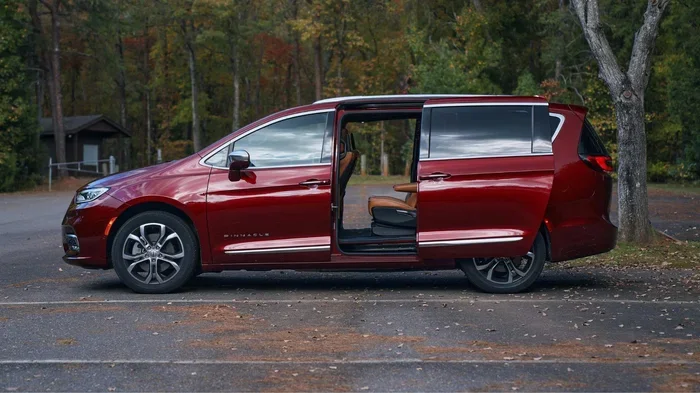
Chrysler Pacifica
The Chrysler Pacifica offers a modern, feature-rich experience. It’s comfortable, tech-forward, and family-friendly. However, its minivan reliability record is more mixed than Honda or Toyota. The 2017 and newer models are significantly improved over the early versions.
Watch out for electrical gremlins and transmission issues in older Pacificas. A well-maintained Pacifica with 100,000 to 130,000 miles can still be a solid buy, especially at the right price.
Kia Carnival
The Kia Carnival is a newer entry in the minivan segment but has quickly gained respect. Kia’s warranty coverage is among the best in the industry, which gives buyers peace of mind. The Carnival offers strong value and competitive pricing in the used market.
Long-term minivan reliability data for the Carnival is still being built, but early reports are encouraging. It’s worth considering if you want a newer model with modern safety features.
Warning Signs of a High-Mileage Minivan
Not every high-mileage van is a bad buy. But some high mileage minivan vehicles come with red flags you should watch for. Knowing these signs can save you from a costly mistake.
Engine Warning Signs
- Rough idle or stalling: This could indicate engine wear or vacuum leaks. A smooth idle is a good sign of engine health.
- Excessive smoke from the exhaust: Blue smoke suggests oil burning. White smoke may mean a head gasket issue.
- Oil leaks under the vehicle: Small drips can be normal, but puddles are a concern.
- Check engine light that stays on: Don’t ignore this. Get the codes read before you buy.
Transmission Warning Signs
- Slipping gears: The van changes gears on its own or feels like it’s struggling.
- Delayed engagement: A pause before the van moves when you shift from park to drive.
- Rough or jerky shifts: Smooth transmission shifts are a sign of a healthy gearbox.
- Transmission fluid that’s dark or smells burnt: This fluid should be red and smell slightly sweet.
Suspension and Body Warning Signs
- Excessive bouncing after bumps: Worn shocks and struts are expensive to replace.
- Uneven tire wear: This often points to alignment or suspension problems.
- Rust under the vehicle: Surface rust is common. Rust that eats through metal is a structural problem.
- Squeaking or clunking noises: These often come from worn suspension components.
Interior Wear Indicators
Minivan wear and tear inside the cabin can tell you a lot about how the vehicle was used. A van with 150,000 miles but a pristine interior might have been garage-kept and driven gently. A van with 80,000 miles but a shredded steering wheel and worn seats was probably driven hard.
- Steering wheel wear: Smooth spots or cracks suggest heavy daily use.
- Driver’s seat sagging: This is common in high-mileage vehicles.
- Dashboard cracking: UV and age damage that’s expensive to repair.
- Window and lock mechanism issues: Electrical problems that multiply with age.
How to Evaluate a Used Minivan Before Buying
Buying a used minivan is one of the biggest purchases most families make. Taking the right steps before you sign can save thousands of dollars in repairs. Here’s a step-by-step approach.
Step 1: Get a Vehicle History Report
Always pull a vehicle history report before you even visit the seller. Services like Carfax and AutoCheck can reveal accident history, title status, service records, and odometer discrepancies. A minivan with a clean history report is worth more peace of mind — and often a better price.
Look for these red flags in the report:
- Title branded as salvage or flood damage
- Major accident reported
- Odometer rollback warnings
- Multiple owners in a short time span
- Gaps in service history
Step 2: Request Maintenance Records
A minivan with full maintenance records is like a report card for the vehicle’s life. Ask the seller for receipts or records of oil changes, tire rotations, brake jobs, and major services. If they can’t provide records, that doesn’t automatically mean the van was neglected — but it does add uncertainty.
Step 3: Get a Pre-Purchase Inspection
This is the single most important step. Pay a trusted mechanic to inspect the used minivan before you buy. A pre-purchase inspection typically costs between $100 and $200. It can uncover hidden problems that would cost thousands to fix.
A good inspection covers:
- Engine compression and health
- Transmission operation
- Brake condition
- Suspension component wear
- Electrical system function
- Cooling system integrity
- Exhaust and emissions
Step 4: Take a Thorough Test Drive
Don’t rush the test drive. Drive the minivan on both city roads and highways. Listen for unusual sounds. Feel for vibrations. Test every feature — windows, locks, climate control, backup camera, and all seating adjustments.
Try these specific test drive techniques:
- Start the engine cold and listen for any knocking or ticking.
- Drive at highway speeds (60+ mph) and check for vibrations or noise.
- Brake hard gently to test brake responsiveness.
- Turn the steering wheel fully left and right to check for CV joint issues.
- Test the transmission by shifting through all gears.
Step 5: Compare Prices
Research the fair market value for the specific minivan model year you’re considering. Use resources like Kelley Blue Book, Edmunds, and NADA Guides. Compare similar vehicles in your area. A minivan priced significantly below market value is often a warning sign, not a bargain.
The Sweet Spot: Finding the Right Mileage
After all this information, you might be wondering: what’s the ideal mileage range for a used minivan? The answer depends on your budget and your needs, but here’s a practical guide.
For most families, the sweet spot for used minivan mileage falls between 80,000 and 130,000 miles. In this range, you get a vehicle that has already gone through the most expensive early depreciation phase but still has plenty of useful life ahead.
Minivan mileage chart for best value:
- Budget-conscious buyers: 100,000 to 150,000 miles — expect lower prices but factor in potential repair costs.
- Balanced buyers: 80,000 to 120,000 miles — the best mix of price and remaining lifespan.
- Premium buyers: 40,000 to 80,000 miles — higher price but fewer immediate repair concerns.
Remember that minivan reliability varies by brand, model year, and maintenance history. A well-documented Honda Odyssey with 130,000 miles may be more reliable than a mystery minivan with 60,000 miles.
Quick Tips for Buying a Used Minivan
- Always buy from a seller who provides a vehicle history report.
- Negotiate based on needed repairs, not just mileage.
- Set aside 10% of the purchase price for immediate repairs or replacements.
- Consider an extended warranty if buying a minivan over 100,000 miles.
- Check the minivan maintenance schedule and confirm the previous owner followed it.
- Don’t skip the test drive just because the numbers look good on paper.
Common Mistakes to Avoid
Even experienced buyers make mistakes when purchasing a used minivan. Here are the most common ones to watch out for:
- Focusing only on mileage: A van with 90,000 miles that was abused can be worse than one with 140,000 miles that was pampered.
- Skipping the pre-purchase inspection: This is the one step you can’t afford to skip.
- Ignoring the maintenance history: A clean history record is worth more than a low number on the odometer.
- Buying based on emotion: Fall in love with the features, but buy based on the condition.
- Not factoring in insurance and repair costs: Older, higher-mileage vehicles may cost more to insure or maintain.
Expert Insight: What Mechanics Say About Minivan Mileage
Most experienced mechanics agree on one thing: maintenance history matters more than raw mileage. A minivan that received regular oil changes, fluid replacements, and timely repairs can easily surpass 200,000 miles. The same van that was neglected may need major work at 80,000 miles.
When a mechanic evaluates a high mileage minivan, they look at the overall pattern of care. They check for consistent service intervals, proper fluid types, and evidence of major repairs done correctly. This holistic view gives a much clearer picture than any single number on the odometer.
Conclusion
So, how many miles is too many for a used minivan? The honest answer is: it depends. There’s no single number that makes a minivan too old or too worn. 100,000 to 150,000 miles is generally the sweet spot, but a well-maintained van can go well beyond that.
The key is to look at the whole picture. Consider the age, the brand reputation, the maintenance history, and the physical condition. A used minivan with higher mileage but excellent care can outperform a low-mileage van that was poorly maintained.
Take your time. Do your research. Get that inspection. And don’t be afraid of higher mileage if the van checks all the other boxes. A reliable used minivan can serve your family for many more years and miles than you might expect. The right vehicle at the right price is out there — you just need to know what to look for.
Armed with the information in this guide, you’re now equipped to make a confident, informed decision. Buy smart, drive safe, and enjoy the ride with your family for miles to come.
Frequently Asked Questions
Is 150,000 miles too much for a used minivan?
Not necessarily. Many minivans can last well beyond 150,000 miles with proper maintenance. The key is to check the maintenance history and get a pre-purchase inspection. A 150,000-mile minivan from a reliable brand like Honda or Toyota can still have many years of useful life left.
What is a good mileage range for a used minivan?
The sweet spot is generally between 80,000 and 130,000 miles. In this range, the van has already absorbed most of its depreciation but still has plenty of mechanical life remaining. However, a well-maintained minivan outside this range can still be a great buy.
How many miles can a minivan last in total?
Most modern minivans can last between 200,000 and 300,000 miles with proper care. Some models, particularly the Honda Odyssey and Toyota Sienna, have been known to exceed 300,000 miles. Regular maintenance and gentle driving habits contribute significantly to total minivan lifespan.
Should I avoid a used minivan with over 100,000 miles?
You shouldn’t automatically avoid them. A minivan with over 100,000 miles that has been well maintained can be a better value than a lower-mileage vehicle with unknown history. Always get a vehicle history report and a professional inspection before purchasing.
Does mileage matter more than age for a used minivan?
Neither matters more on its own — they both contribute to overall condition. A 12-year-old van with 60,000 miles may have dry seals and aged components. A 6-year-old van with 120,000 miles may have worn mechanical parts. The best approach is to evaluate both factors together along with maintenance history.
What minivan has the longest lifespan?
The Honda Odyssey and Toyota Sienna are consistently recognized as the longest-lasting minivans. Both models are known for durable engines and transmissions that handle high mileage well. When properly maintained, these vans routinely surpass 200,000 to 250,000 miles.