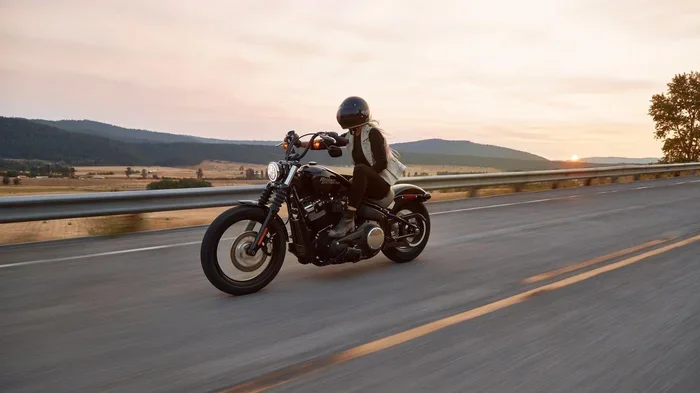
How Many Miles Is Too Much for a Cruiser Motorcycle
How many miles is too much for a cruiser motorcycle? The answer depends on maintenance history, engine type, and riding conditions. Most cruisers can handle 40,000 to 60,000 miles with proper care, but hidden mechanical issues can appear beyond that range. This guide helps you evaluate mileage, spot warning signs, and make smart decisions about your cruiser bike.
Key Takeaways
- Mileage Alone Is Not the Full Story: A well-maintained cruiser with 50,000 miles can outlast a neglected bike with 15,000 miles on the odometer.
- Service History Matters Most: Always request full motorcycle service records before buying any used cruiser motorcycle.
- Watch for Key Warning Signs: Excessive oil consumption, engine knocking, and frame damage are major red flags for high-mileage bikes.
- Regular Maintenance Extends Life: Consistent oil changes, chain care, and brake inspections keep any cruiser bike running strong.
- Know When to Walk Away: Some issues cost more to fix than the bike is worth, especially with major engine or transmission problems.
- Depreciation Slows After 20,000 Miles: High-mileage cruisers often hold value better than expected if properly maintained.
📑 Table of Contents
- What Is Considered High Mileage for a Cruiser Motorcycle?
- Factors That Determine How Many Miles Are Too Much
- Signs Your Cruiser Has Too Many Miles
- How to Evaluate a High-Mileage Cruiser Before Buying
- Maintaining Your Cruiser for Longevity
- When to Walk Away From a High-Mileage Cruiser
- How Mileage Affects Cruiser Motorcycle Value
- The Bottom Line on Cruiser Mileage
What Is Considered High Mileage for a Cruiser Motorcycle?
You see a beautiful cruiser motorcycle at a swap meet or online listing. The price looks great. Then you notice the odometer. It reads 65,000 miles. Your heart drops. Is this bike a money pit waiting to happen?
Here is the truth. There is no single magic number that defines too many miles on a cruiser bike. The answer depends on several factors that go way beyond just the odometer reading.
For most cruiser motorcycles, the 40,000 to 60,000 mile range marks the halfway point of a healthy engine life. A Harley-Davidson, Honda Shadow, or Yamaha V-Star can easily push past 100,000 miles with proper care. That sounds surprising, right?
But here is what many riders do not understand. A bike with 30,000 miles that was never serviced can be in worse shape than one with 70,000 miles that got regular oil changes. Mileage tells a story, but maintenance history writes the whole book.
Let us break down what really matters when you are judging the mileage on a cruiser motorcycle. Because the number on the clock is only part of the equation.
Why Mileage Numbers Alone Can Be Misleading
Imagine two identical 2015 Harley-Davidson Street Glides. One has 25,000 miles. The other has 55,000 miles. Which one is in better shape?
You cannot answer that question without knowing more. The bike with 25,000 miles might have sat in a garage for three years. The rubber seals could be dried out. The fuel lines might be cracked. The battery could be completely dead.
Meanwhile, the bike with 55,000 miles might have been ridden regularly by a careful owner who changed oil every 3,000 miles. The engine internals could be in better condition because they were properly lubricated and kept warm through regular use.
This is why motorcycle maintenance history matters so much. A number on a clock means nothing without context.
Average Mileage Ranges for Popular Cruiser Models
Different cruiser motorcycle models handle mileage differently. Here is a general breakdown of what to expect:
- Harley-Davidson Models: These engines are built for longevity. A well-maintained Harley can comfortably reach 75,000 to 100,000 miles. The big V-twin engines are surprisingly durable.
- Honda Shadow Series: Honda’s reliable engines often last 80,000 to 120,000 miles with basic care. These bikes are known for being low-maintenance workhorses.
- Yamaha V-Star and Bolt Models: Similar to Honda, these Japanese cruisers handle 60,000 to 100,000 miles without major issues.
- Indian Motorcycle Models: Indian cruisers can reach 60,000 to 90,000 miles comfortably. Their engines are powerful but need consistent upkeep.
- Small-Displacement Cruisers (250cc-500cc): These lighter bikes often reach 50,000 to 80,000 miles. Their smaller engines work harder per cc, so they wear faster.
These ranges assume regular maintenance and reasonable riding habits. A bike that was raced or neglected will fall well below these numbers.
Factors That Determine How Many Miles Are Too Much
So what actually determines whether a cruiser motorcycle has too many miles? Several key factors come into play. Let us look at each one closely.
Maintenance History and Service Records
This is the single most important factor. A cruiser bike with complete service records and 70,000 miles is often a better buy than one with 20,000 miles and no records at all.
What should you look for in service records?
- Regular oil changes: Oil should have been changed every 3,000 to 5,000 miles. This is the lifeblood of any engine.
- Valve adjustments: Cruiser engines need valve checks every 15,000 to 25,000 miles. This keeps the engine running smoothly.
- Chain maintenance: The drive chain should have been cleaned, lubricated, and adjusted regularly.
- Brake inspections: Brake pads, rotors, and fluid should have been checked and replaced as needed.
- Coolant flushes: For liquid-cooled cruisers, coolant should be changed every 2 years or 24,000 miles.
If the seller cannot provide service records, that does not automatically mean the bike is bad. But it does mean you need to be extra cautious during your inspection.
Engine Type and Design
The engine design of a cruiser motorcycle plays a huge role in how many miles it can handle. V-twin engines, which are the hallmark of most cruisers, have certain advantages and disadvantages when it comes to longevity.
V-twin engines run at lower RPMs than inline-four engines. This means less stress on internal components. The pistons, rods, and bearings experience less wear over time. That is why many Harley-Davidson engines can go well past 100,000 miles.
However, V-twin engines also produce more torque at lower speeds. This puts different stresses on the transmission and drivetrain. The primary chain and gear set need attention more frequently than on some other engine types.
Parallel-twin and inline-four cruiser engines, found on bikes like Honda NC750X or Yamaha FJR1300, tend to rev higher. They may need more frequent valve adjustments but often have very long engine lives when properly maintained.
Riding Conditions and Style
How a bike was ridden matters just as much as how it was maintained. A cruiser motorcycle that spent its life on smooth highways will have fewer issues than one that was ridden daily in stop-and-go city traffic.
City riding puts more stress on several components:
- The clutch wears faster with constant stopping and starting.
- Brakes get more use and wear down quicker.
- The engine never fully reaches optimal operating temperature, which can cause carbon buildup.
- Suspension components take a beating from potholes and rough roads.
On the other hand, a bike ridden mostly on open highways at steady speeds often has a longer mechanical life. The engine runs at a consistent temperature, and the components experience less repetitive stress.
Storage and Environmental Factors
Did you know that a cruiser motorcycle that sat unused for long periods can develop problems faster than one that was ridden regularly? It sounds counterintuitive, but it is true.
When a bike sits, several things happen:
- Engine oil settles and loses its protective properties.
- Tire flat spots develop from sitting in one position.
- Battery charge drains completely and sulfation begins.
- Rubber seals dry out and crack.
- Fuel degrades and can gum up carburetors or fuel injectors.
- Moisture collects inside the engine and exhaust system.
A bike that accumulated 40,000 miles over ten years of regular riding is often in better shape than one with 15,000 miles that sat in a garage for eight of those years. This is a crucial point many buyers overlook when evaluating motorcycle mileage.
Signs Your Cruiser Has Too Many Miles
So how do you know when a cruiser motorcycle has genuinely pushed past its limits? There are clear warning signs that appear when a bike has been ridden too hard or not maintained properly. Here is what to watch for.
Engine Warning Signs
The engine is the heart of any cruiser bike. When it starts showing problems, those are the first red flags that too many miles have taken their toll.
- Excessive oil consumption: If the bike burns more than one quart of oil every 1,000 miles, the engine internals are likely worn. This is common in high-mileage cruiser motorcycles with neglected maintenance.
- Blue or white exhaust smoke: Blue smoke means oil is burning in the combustion chamber. White smoke can indicate coolant leaking into the cylinders. Both are serious concerns.
- Knocking or tapping sounds: Unusual noises from the engine often mean bearing wear or valve train problems. These issues get worse over time and can lead to a full engine rebuild.
- Poor idle quality: A rough or unstable idle at low speeds can point to worn piston rings or carburetor issues.
- Loss of power: If the bike feels sluggish compared to how it should perform, compression may be leaking past worn piston rings or valves.
Transmission and Drivetrain Problems
The transmission and final drive take a beating on any cruiser motorcycle, especially one with high mileage.
- Clutch slipping: If the engine revs increase without a corresponding increase in speed, the clutch plates are worn. This is a common issue on bikes with 40,000+ miles.
- Difficulty shifting gears: Grinding or hesitation when shifting can indicate transmission wear. In extreme cases, the gears may be stripped.
- Chain or belt damage: A stretched chain, worn sprockets, or a cracked belt show that the drivetrain has accumulated significant mileage. These components should be replaced preventively.
- Drive shaft leaks: On shaft-driven cruisers, leaking seals around the drive shaft are a sign of aging components that need attention.
Frame and Suspension Wear
Frame damage is one of the most serious issues you can find on a high mileage motorcycle. Unlike engine parts, a bent or cracked frame cannot simply be repaired with a service job.
- Visible cracks in the frame: Inspect the welds around the engine mounts and swing arm pivot. Hairline cracks often appear where stress is highest.
- Rust or corrosion: Surface rust on the frame is cosmetic, but deep rust can compromise structural integrity. Pay special attention to the frame tubes near the exhaust.
- Suspension bottoming out: If the bike hits the bump stops frequently, the fork seals and shock absorbers are likely worn. This is common on bikes with lots of miles.
- Uneven tire wear: Excessive wear on one side of the tires can indicate alignment issues or frame damage from an accident.
How to Evaluate a High-Mileage Cruiser Before Buying
If you are considering a used cruiser motorcycle with higher mileage, do not panic. Many high-mileage cruisers are excellent buys. The key is knowing what to look for and what questions to ask before you hand over your money.
Request a Complete Vehicle History Report
Just like buying a used car, you should request a vehicle history report for any cruiser motorcycle you are considering. Services like Carfax or CycleVIN can reveal accident history, title issues, and registration records.
Look for these specific details in the report:
- Number of previous owners
- Any reported accidents or frame damage
- Title status (clean, salvage, or rebuilt)
- Odometer readings at each registration change
- Any liens or outstanding loans on the vehicle
A consistent odometer reading across multiple registrations is a good sign. Gaps or sudden drops in the mileage reading are major red flags for odometer rollback.
Perform a Thorough Pre-Purchase Inspection
Never buy a high-mileage cruiser bike without a professional inspection. A qualified mechanic can spot problems that a casual test ride will miss.
Here is what a thorough pre-purchase inspection should cover:
- Compression test: This checks the health of the engine cylinders. Low compression in one or more cylinders indicates wear.
- Leak-down test: This identifies exactly where air is escaping from the engine, revealing worn seals or gaskets.
- Frame inspection: The mechanic should check for cracks, bends, and previous repair work.
- Electrical system check: All lights, indicators, switches, and the charging system should be tested.
- Fluid analysis: Examining the oil, coolant, and brake fluid can reveal internal engine wear or contamination.
Spend the $150 to $300 on a pre-purchase inspection. It can save you thousands of dollars in unexpected repairs down the road.
Test Ride With Purpose
A test ride is your chance to feel how the bike actually performs. Do not just cruise around the block. Push the bike through its ranges and listen carefully.
What should you pay attention to during the test ride?
- Engine performance at different RPM ranges: Does the bike pull smoothly from low to high speeds?
- Transmission shifting: Are all gears engaging cleanly without grinding or slipping?
- Brake performance: Do the brakes feel firm and responsive? Any pulling to one side?
- Suspension behavior: Does the bike handle corners and bumps comfortably?
- Vibrations: Excessive vibration at certain speeds can indicate engine or drivetrain issues.
- Strange noises: Listen for knocking, ticking, rattling, or any unfamiliar sounds.
Write down everything you notice during the test ride. These observations will help you negotiate the price or decide to walk away.
Maintaining Your Cruiser for Longevity
If you already own a cruiser motorcycle and want to push its mileage well beyond the average, consistent maintenance is your best friend. The riders who get 100,000+ miles out of their bikes follow a disciplined maintenance routine.
Essential Maintenance Schedule for High-Mileage Cruisers
Here is a practical maintenance schedule that will help your cruiser bike last for decades:
- Every 3,000 miles or 3 months: Change the engine oil and filter. Use the oil weight recommended by the manufacturer. Check the tire pressure and inspect for visible damage.
- Every 5,000 miles: Check and adjust the chain tension. Lubricate the chain thoroughly. Inspect the brake pads and rotors for wear.
- Every 15,000 miles: Perform a valve adjustment. Check the coolant level and condition. Inspect all electrical connections and wiring.
- Every 25,000 miles: Replace the spark plugs. Change the air filter. Inspect the drive belt or chain for wear and replace if needed.
- Every 50,000 miles: Change the coolant flush the entire system. Replace brake fluid. Inspect the battery and replace if it shows signs of weakness.
- Every 75,000 miles: Consider a major service that includes checking the engine mounts, inspecting the frame thoroughly, and replacing any worn bushings or bearings.
Quick Tips for Extending Cruiser Mileage
Follow these simple tips to keep your cruiser motorcycle running strong for many more miles:
- Warm up the engine before riding hard: Give it 2 to 3 minutes to reach operating temperature. This allows the oil to circulate and protect all internal surfaces.
- Avoid short trips when possible: Short rides prevent the engine from reaching full operating temperature, which leads to moisture buildup and carbon deposits.
- Store the bike properly: Use a cover, maintain the battery with a tender, and stabilize the fuel if the bike will sit for more than a month.
- Address small problems immediately: A small leak or unusual noise today can become a major repair tomorrow. Do not ignore warning signs.
- Use quality parts and fluids: Cheap oil and inferior replacement parts may save money upfront but cost you more in the long run through premature wear.
Common Mistakes That Shorten Cruiser Lifespan
Avoid these common mistakes that cause cruiser motorcycles to wear out prematurely:
- Skipping oil changes: This is the number one killer of engines. Old, contaminated oil loses its lubricating properties and causes accelerated wear.
- Ignoring the cooling system: Even air-cooled cruisers need attention to their cooling fins and airflow paths. Overheating causes permanent engine damage.
- Neglecting the chain: A dry, dirty chain wears out the sprockets quickly and can snap, leaving you stranded.
- Overloading the bike: Exceeding the manufacturer’s weight capacity puts excessive stress on the engine, suspension, and frame.
- Using low-quality fuel: Cheap gasoline contains more contaminants and less detergent, leading to carbon buildup and fuel system problems.
When to Walk Away From a High-Mileage Cruiser
Not every high-mileage cruiser motorcycle is a good buy. Sometimes the smart move is to walk away and keep looking. Here is when you should seriously consider passing on a bike.
Major Engine or Transmission Damage
If a mechanic finds significant engine damage during the inspection, think carefully before proceeding. A full engine rebuild can cost anywhere from $3,000 to $8,000 depending on the model and extent of the damage. A transmission replacement can add another $2,000 to $5,000.
Compare these repair costs to the value of the bike. If fixing the problems costs more than the bike is worth, walk away. No deal is worth financial trouble.
Frame Damage or Accident History
A cruiser motorcycle with a damaged frame is a safety hazard. Even if the frame has been repaired, it may not be as strong as it was originally. Frame damage also affects handling and stability, which are critical for safe riding.
If the vehicle history report shows a major accident, or if you can see welding patches or alignment issues, it is best to move on to another bike.
Missing Documentation or Title Issues
A clean title is essential when buying any used cruiser motorcycle. If the seller cannot produce a clear title, or if there are liens on the vehicle, do not proceed with the purchase. You could end up losing the bike and your money.
Missing maintenance records are concerning but not always a dealbreaker. Missing title documentation is a dealbreaker.
When the Cost of Ownership Exceeds the Benefits
Sometimes a high mileage motorcycle looks cheap upfront but will cost a fortune to maintain. If you are looking at a bike that needs new tires, a clutch replacement, valve work, and a brake job all at once, the total cost can easily exceed what you would pay for a lower-mileage alternative.
Do the math before you buy. Factor in the purchase price plus the cost of all needed repairs. Then compare that total to the price of a similar bike in better condition. Often, the better-conditioned bike is actually the smarter financial choice.
How Mileage Affects Cruiser Motorcycle Value
Understanding how mileage impacts the resale value of a cruiser motorcycle helps you make smarter buying and selling decisions.
Most cruiser motorcycles depreciate the fastest in their first 5,000 to 10,000 miles. After that, the depreciation curve flattens significantly. A bike with 30,000 miles will not be worth half of what it cost new, even though the odometer has tripled from the break-in period.
Interestingly, very low-mileage cruisers sometimes sell for less per mile than moderate-mileage bikes. Collectors and buyers often prefer a bike that has been actually ridden over one that has been sitting in a garage. A well-documented, moderate-mileage cruiser bike with full service records often commands the best resale price.
If you plan to sell eventually, keeping detailed maintenance records and taking good care of the bike will pay off when it is time to trade up or move on.
The Bottom Line on Cruiser Mileage
So, how many miles is too much for a cruiser motorcycle? The honest answer is that it depends entirely on the specific bike, its history, and its current condition.
A well-maintained cruiser motorcycle with 60,000 miles can easily serve you faithfully for another 40,000 to 60,000 miles. A neglected bike with 20,000 miles might need a complete engine rebuild before you reach 30,000 miles.
The key is to look beyond the odometer. Examine the motorcycle maintenance history. Get a professional inspection. Listen to what the bike tells you during a test ride. And be honest about whether the price reflects the bike’s true condition.
Mileage is just one piece of the puzzle. Combine it with good judgment, thorough research, and a willingness to walk away from a bad deal, and you will find a cruiser motorcycle that will serve you well for many miles to come.
Trust your instincts. If something feels off about a particular bike, keep looking. The right cruiser motorcycle is out there, regardless of what the odometer says.
Frequently Asked Questions
Is 50,000 miles a lot for a cruiser motorcycle?
Not necessarily. For most well-maintained cruiser motorcycles, 50,000 miles is considered moderate mileage. Many cruiser engines are designed to last 100,000 miles or more. The key factor is whether the bike received regular maintenance and was ridden under normal conditions. A 50,000-mile bike with full service records is often a better buy than a 15,000-mile bike with no maintenance history.
Can a cruiser motorcycle last 100,000 miles?
Yes, absolutely. Many cruiser motorcycles can and do last 100,000 miles or more. Harley-Davidsons, Honda Shadows, and Yamaha V-Stars are known for their longevity. However, reaching 100,000 miles requires consistent maintenance, proper riding habits, and attention to small problems before they become big ones. Regular oil changes, valve adjustments, and drivetrain care are essential.
What is the average lifespan of a cruiser motorcycle in miles?
The average lifespan of a cruiser motorcycle ranges from 40,000 to 100,000 miles depending on the model, engine size, and how well it is maintained. Japanese cruisers tend to last longer due to their reliability-focused engineering. American V-twin cruisers can also reach high mileages with proper care. Your riding style and maintenance habits play a huge role in determining where your bike falls in that range.
Should I buy a cruiser motorcycle with over 60,000 miles?
You can, but only if the bike has a clean history and passes a thorough inspection. A cruiser motorcycle with 60,000+ miles can be a great value if the seller provides complete service records and the bike has been well cared for. Always invest in a pre-purchase inspection before committing. If the records are incomplete or the inspection reveals major issues, consider looking at a lower-mileage alternative.
How can I reduce wear on my cruiser motorcycle at high mileage?
Follow a strict maintenance schedule, use quality fluids and parts, and avoid harsh riding conditions when possible. Keep up with oil changes, valve adjustments, and chain maintenance. Store the bike properly during extended periods of inactivity. Address small issues immediately before they develop into expensive repairs. These simple habits will significantly extend the life of your cruiser bike at any mileage level.
Does mileage affect the insurance cost of a cruiser motorcycle?
Generally, mileage does not directly impact motorcycle insurance premiums the way it does for cars. However, some insurers may ask about your annual mileage when calculating rates. More importantly, the age and condition of your cruiser motorcycle can affect coverage options and premiums. A high-mileage bike in good condition should not cost significantly more to insure than a low-mileage version of the same model, as long as it remains in safe, rideable condition.
=== CONCLUSION ===
How many miles is too much for a cruiser motorcycle? The answer is not a simple number. It is a combination of maintenance, care, riding conditions, and the specific bike’s history. A cruiser motorcycle with 70,000 miles and excellent service records can be a better investment than one with 20,000 miles and a questionable past.
Always look beyond the odometer. Request full maintenance documentation. Get a professional inspection before buying. And be willing to walk away from any deal that does not feel right.
The right cruiser bike will serve you faithfully for thousands of miles, no matter what the odometer says. Take your time, do your homework, and make an informed decision. Your perfect cruiser is out there waiting for you.