Can a Bad Thermostat Cause Overheating and Engine Trouble
Yes, a bad thermostat can absolutely cause your engine to overheat. When the thermostat gets stuck closed or fails to open properly, it blocks coolant from reaching the engine, causing dangerous temperature spikes. Recognizing early signs like a rising temperature gauge, steam from the hood, or heater malfunctions can save you from costly engine damage. This guide covers everything you need to know about thermostat failures and overheating.
Your car’s engine works hard. It generates a lot of heat during every trip. And the thermostat is the small part that keeps things under control. But what happens when that little component fails? Can a bad thermostat cause overheating? The short answer is yes. A malfunctioning thermostat is one of the most common reasons engines overheat. In this article, we will walk you through exactly how this happens. You will learn to spot the warning signs early. We will also cover what to do and how to prevent it from happening again.
Many drivers ignore early warning signs. They hope the problem goes away. But a bad thermostat can lead to serious engine trouble. Overheating can warp metal parts. It can blow head gaskets. It can even ruin your engine completely. The good news is that catching the problem early saves you money and stress. Let us dive into how your thermostat works and why it matters so much.
Key Takeaways
- Thermostat failure is a leading cause of engine overheating because it controls coolant flow to the engine.
- A stuck-closed thermostat is the most common culprit behind overheating problems.
- Early symptoms include a rising temperature gauge, poor heater performance, and coolant leaks.
- Ignoring thermostat issues can lead to severe engine damage like a blown head gasket or warped engine block.
- Replacement costs are affordable and far cheaper than repairing engine damage from overheating.
- Regular cooling system maintenance helps prevent thermostat failure and keeps your engine running smoothly.
📑 Table of Contents
- What Does a Thermostat Do in Your Car?
- How a Bad Thermostat Causes Overheating
- Common Symptoms of a Bad Thermostat
- Other Parts That Can Cause Overheating Too
- Thermostat Replacement: What to Expect
- Preventing Overheating and Thermostat Problems
- What Happens If You Ignore an Overheating Engine
- Final Thoughts on Thermostat Failures and Engine Health
What Does a Thermostat Do in Your Car?
Your thermostat is a small valve located between the engine and the radiator. Its job is simple but critical. It regulates the flow of coolant through the engine. When the engine is cold, the thermostat stays closed. This lets the engine warm up quickly. Once the engine reaches its ideal operating temperature, the thermostat opens. It allows coolant to flow through the radiator and cool down. Then it cycles back as needed.
Think of it like a gatekeeper. It decides when coolant can enter the engine block. Without a working thermostat, your engine either runs too hot or too cold. Both situations cause problems. A thermostat stuck closed prevents coolant from flowing. This causes rapid overheating. A thermostat stuck open keeps coolant flowing constantly. The engine may never reach the right temperature. Either way, your cooling system cannot do its job properly.
How the Cooling System Works Together
The thermostat is just one part of a larger system. Your cooling system includes several key components. The radiator releases heat from the coolant. The water pump circulates coolant through the engine. The cooling fan helps lower the temperature when you are idling or moving slowly. The hoses carry coolant between all these parts. When everything works together, your engine stays at a steady temperature. But when one part fails, the whole system suffers.
The thermostat acts as the control switch. It tells the coolant when to move and when to stay put. Without proper thermostat function, the radiator and water pump cannot compensate. This is why a bad thermostat often leads to overheating, even if the rest of the system is in good shape.
How a Bad Thermostat Causes Overheating
Now let us get to the heart of the question. How exactly does a faulty thermostat lead to engine overheating? The answer comes down to two main failure modes. Understanding both helps you diagnose the problem faster.
Thermostat Stuck Closed
This is the most common and dangerous scenario. When the thermostat gets stuck in the closed position, coolant cannot reach the engine. The engine heats up rapidly with no way to release the excess warmth. Within minutes, the temperature gauge climbs into the red zone. Steam may start billowing from under the hood. This type of failure often happens without warning. One moment your engine runs fine, and the next it is overheating badly.
A stuck-closed thermostat usually happens from old age or corrosion. Mineral deposits build up inside the valve over time. The wax element inside the thermostat wears out. Rust and debris can also jam the mechanism. Whatever the cause, the result is the same. Your engine is running without proper coolant circulation.
Thermostat Stuck Open
A thermostat stuck open causes a different set of problems. Coolant flows constantly, even when the engine is cold. The engine takes much longer to warm up. It may never reach its optimal operating temperature. You might notice the temperature gauge reading lower than normal. While this does not cause immediate overheating, it creates other issues. The engine runs inefficiently. Fuel consumption increases. Emissions go up. Over time, the engine wear can lead to bigger problems.
In some cases, a stuck-open thermostat can still contribute to overheating. If the engine is under heavy load on a hot day, the constant coolant flow may not be enough. The system cannot build the pressure it needs to cool effectively.
Thermostat Opening Too Late or Partially
Sometimes the thermostat does not fail completely. It just works poorly. A thermostat that opens too late or only partially creates a gradual overheating problem. The engine runs hotter than it should. You may not notice at first. But over time, the extra heat takes a toll. This is the sneaky type of failure. It is easy to ignore until the damage is done.
Common Symptoms of a Bad Thermostat
Knowing the warning signs is your best defense against engine trouble. A failing thermostat gives you several clues before it completely breaks down. Watch for these overheating symptoms carefully.
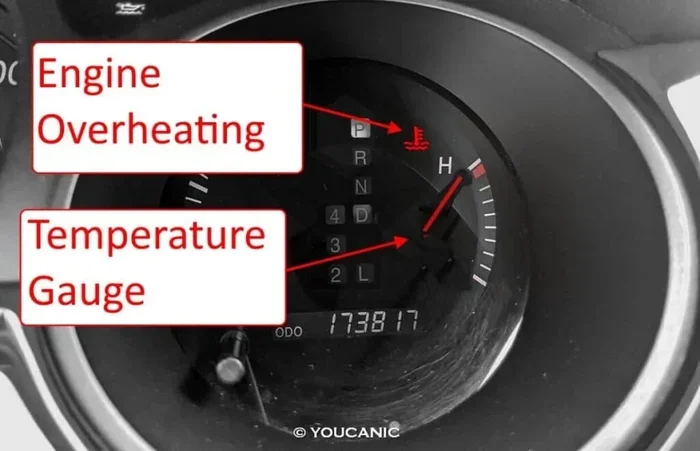
- Temperature gauge reading high or fluctuating. Your engine temperature gauge should sit in the normal range. If it spikes into the red or bounces up and down, the thermostat may be failing.
- Steam or smoke coming from the hood. This is a serious sign. It means your engine is overheating. Pull over safely and turn off the engine immediately.
- Heater blowing cold air. If your heater suddenly stops producing warm air, coolant may not be flowing properly. A stuck thermostat is a common cause.
- Coolant leaks near the thermostat housing. You may notice puddles under your car. Check around the thermostat housing for wet spots or drips.
- Unusual engine sounds. A knocking or rumbling noise can indicate the engine is too hot. Do not ignore this.
- Check engine light comes on. Modern vehicles monitor engine temperature. A thermostat problem can trigger the warning light on your dashboard.
Temperature Gauge Behavior to Watch For
Your temperature gauge tells a story. A healthy engine maintains a steady temperature. It should reach normal operating range within a few minutes of driving. If the gauge moves slowly, jumps around, or climbs rapidly, something is wrong. A bad thermostat often causes erratic gauge behavior. Pay attention to how your gauge normally behaves. Any sudden change is worth investigating.
Why Heater Problems Point to Thermostat Issues
Many drivers do not realize the heater depends on proper coolant flow. When the thermostat fails, the heater core may not receive enough warm coolant. This results in lukewarm or cold air from the vents. On cold mornings, this is especially noticeable. If your heater stops working and the engine feels hot, a thermostat problem is very likely.
Other Parts That Can Cause Overheating Too
While a bad thermostat is a leading cause, it is not the only one. Several other cooling system components can trigger overheating. Knowing the differences helps you narrow down the problem.
Low Coolant Levels
Not enough coolant means not enough cooling. Leaks in hoses, the radiator, or the water pump can drain your system. Check your coolant reservoir regularly. Top it off if needed. But find and fix the leak. Just adding coolant without fixing the source is a temporary fix.
Faulty Water Pump
The water pump pushes coolant through the engine and radiator. If it fails, coolant stops moving. The engine overheats quickly. Water pump failure often comes with a grinding noise. You might also see coolant leaking from the pump area.
Radiator Problems
A clogged or damaged radiator cannot release heat properly. Debris, rust, and old coolant can block the radiator fins. The cooling fan also plays a role. If the fan motor fails, the radiator cannot cool the coolant at low speeds or while idling.
Head Gasket Failure
A blown head gasket is a serious and expensive problem. It can be caused by prolonged overheating. Symptoms include white smoke from the exhaust, bubbling in the coolant reservoir, and oil contamination. A head gasket repair costs much more than replacing a thermostat. This is why early thermostat maintenance matters.
| Component | Common Overheating Symptom | Repair Cost Range |
|---|---|---|
| Thermostat | Sudden temperature spike | $100 – $300 |
| Water Pump | Coolant leak, grinding noise | $300 – $750 |
| Radiator | Coolant leaks, clogged fins | $300 – $900 |
| Cooling Fan | Overheating at idle | $150 – $450 |
| Head Gasket | White smoke, bubbles in coolant | $1,000 – $2,500 |
As you can see, the thermostat repair is by far the most affordable option. That is another reason to address thermostat issues early. Do not let a simple fix turn into a major engine repair.
Thermostat Replacement: What to Expect
If you suspect your thermostat is bad, getting it replaced is usually straightforward. Most mechanics can do the job in under an hour. The thermostat replacement cost is reasonable compared to the alternative of engine damage.
Step-by-Step Replacement Process
Here is what a typical thermostat replacement looks like:
- Let the engine cool completely. Never work on a hot engine. Wait at least 30 minutes after driving.
- Drain the coolant partially. The mechanic removes some coolant to access the thermostat housing.
- Remove the thermostat housing. This is usually located where the upper radiator hose connects to the engine.
- Pull out the old thermostat. Inspect the housing for debris or corrosion while it is open.
- Install the new thermostat. Make sure the wax element faces the correct direction. Replace the gasket if needed.
- Refill the coolant. The mechanic refills the system and checks for leaks.
- Test drive the vehicle. They monitor the temperature gauge to confirm the thermostat opens at the right temperature.
Thermostat Replacement Cost
The parts themselves are inexpensive. A new thermostat usually costs between $10 and $30. The total replacement cost includes labor. Most owners pay between $100 and $300 depending on the vehicle. Some cars make the thermostat harder to access, which increases labor time. But even on complex engines, the cost stays reasonable.
Can You Replace a Thermostat Yourself?
Experienced DIYers can replace a thermostat at home. It requires basic tools and some mechanical knowledge. You need to drain coolant, remove the housing, and install the new part. The job takes about one to two hours. Just make sure you use the correct thermostat for your vehicle. Thermostats are rated for specific temperature ranges. Using the wrong one can cause problems.
Preventing Overheating and Thermostat Problems
Prevention is always better than repair. A few simple habits can keep your cooling system healthy for years. Here is how to protect your engine from overheating.
Follow Your Vehicle Maintenance Schedule
Check your owner manual for the recommended cooling system service interval. Most manufacturers suggest flushing the coolant every 30,000 to 50,000 miles. Old coolant loses its effectiveness. It becomes acidic and can corrode internal parts. Fresh coolant keeps the system running smoothly and protects the thermostat.
Monitor Your Temperature Gauge Regularly
Make it a habit to glance at your temperature gauge while driving. It should stay in the normal range. If you notice any unusual movement, pull over and check. Catching a problem early prevents major damage. Do not wait for steam or warning lights to appear.
Check Coolant Levels Monthly
Open the hood and check the coolant reservoir. The level should be between the minimum and maximum marks. If it is low, top it off with the correct type of coolant. Frequent drops in coolant level may indicate a leak that needs professional attention.
Watch for Warning Signs
Do not ignore small changes. A slightly high temperature reading, a faint coolant smell, or a small puddle under your car all deserve attention. These are early signs that something is wrong. Addressing them quickly saves you from expensive repairs down the road.
Use Quality Coolant and Parts
When replacing your thermostat or coolant, use quality parts. OEM or reputable aftermarket thermostats last longer and perform better. Cheap coolant can cause corrosion and reduce the life of your cooling system components. Invest in good parts now to avoid trouble later.
Keep the Radiator Clean
Debris like leaves, bugs, and dirt can block airflow through the radiator. This reduces cooling efficiency. Hose down the front of the radiator occasionally to remove buildup. Especially after driving on dirt roads or through bugs on highway trips.
What Happens If You Ignore an Overheating Engine
Ignoring overheating is the worst thing you can do. The damage compounds quickly. Here is what can happen if you keep driving with an overheating engine.
First, the engine oil breaks down. Hot oil loses its lubricating properties. Metal parts start grinding against each other. This causes increased wear and friction. Next, the cylinder heads can warp. This leads to a loss of compression and poor engine performance. The head gasket can blow, allowing coolant into the combustion chambers. You may notice white exhaust smoke and coolant loss with no visible leak.
In severe cases, the engine block can crack. A cracked engine block means a full engine replacement. The cost can exceed several thousand dollars. All of this from a part that costs less than fifty dollars to replace. This is why understanding the connection between a bad thermostat and overheating matters so much.
Final Thoughts on Thermostat Failures and Engine Health
Your thermostat is a small part with a big job. It keeps your engine at the right temperature so everything else works properly. When it fails, overheating can happen fast. The good news is that thermostat problems are easy to diagnose and affordable to fix. You do not need to be a mechanic to understand the warning signs. A rising temperature gauge, cold air from the heater, or steam from the hood are all red flags. Take them seriously.
Regular maintenance goes a long way. Check your coolant levels. Follow your service schedule. Pay attention to how your vehicle normally runs. These simple habits keep your cooling system healthy and your engine safe. If you suspect a bad thermostat, get it checked right away. A quick visit to the mechanic now can save you from a major engine repair later.
Your car depends on many parts working together. The thermostat is one of the most important ones. Treat it well, and it will keep your engine running cool and strong for miles to come.
Frequently Asked Questions
Can a bad thermostat cause overheating even when the coolant level is full?
Yes, absolutely. The thermostat controls the flow of coolant, not the amount. Even with a full reservoir, a stuck thermostat prevents coolant from reaching the engine. This causes overheating regardless of how much coolant you have. Always check the thermostat if you have overheating issues with normal coolant levels.
How much does it cost to replace a thermostat?
The total cost typically ranges from $100 to $300. The thermostat part itself is very affordable, usually between $10 and $30. The rest is labor, which takes about one hour for most vehicles. Some cars with harder-to-reach thermostats may cost a bit more.
Can I drive my car if it is overheating?
No, you should not. Driving an overheating engine can cause serious and permanent damage. Pull over safely, turn off the engine, and let it cool down. Call for roadside assistance if needed. Continuing to drive can warp engine parts, blow the head gasket, or crack the engine block.
How long does a car thermostat last?
A thermostat typically lasts 10 years or 150,000 miles. However, extreme heat, corrosion, and poor coolant maintenance can shorten its lifespan. If your vehicle is older or has high mileage, it is wise to inspect the thermostat during routine cooling system service.
What temperature should a car thermostat open at?
Most car thermostats open at 195°F to 220°F. The exact rating is listed on the thermostat packaging or in your vehicle owner manual. Using the correct temperature-rated thermostat ensures your engine runs at its optimal operating temperature.
Can a thermostat cause overheating at highway speeds but not in city driving?
Yes, this can happen. At highway speeds, airflow through the radiator is strong, which can mask a partially stuck thermostat. But under heavy load like climbing a hill or towing, the engine generates more heat. A failing thermostat may not open enough to handle the extra demand, causing temperature spikes.
=== CONCLUSION ===
A bad thermostat is one of the simplest and most common causes of engine overheating. The connection between a faulty thermostat and overheating is clear. When the thermostat sticks closed, coolant cannot flow, and the engine heats up fast. Recognizing the symptoms early, such as a rising temperature gauge, heater failure, or steam from the hood, can save you from expensive repairs. Regular vehicle maintenance, including checking coolant levels and following your service schedule, keeps the thermostat and entire cooling system working properly. Do not ignore warning signs. Address thermostat issues quickly and affordably before they turn into major engine damage.