How Can I Empty My Cars Gas Tank Without Any Hassle
Knowing how to empty your car’s gas tank is a valuable skill every driver should have. Whether you need to drain fuel for maintenance, storage, or a repair, this guide covers every method you can use. We’ll walk you through safe, practical steps so you can handle the job without any hassle.
There are many reasons you might need to empty your car’s gas tank. Maybe you’re storing the vehicle for winter. Perhaps the fuel has gone bad and needs replacing. Or maybe you’re tackling a repair that requires the tank to be completely dry. Whatever the reason, emptying a car gas tank is a task you can handle yourself with the right guidance.
This guide will show you every method available. We’ll cover safety steps, tools you’ll need, and common mistakes to avoid. By the end, you’ll feel confident tackling the job on your own. Let’s get into it.
Key Takeaways
- Multiple Methods Available: You can drain your gas tank using the drain valve, a siphon pump, or by disconnecting the fuel line.
- Safety Comes First: Always work in a ventilated area, away from sparks, and wear protective gear.
- Common Mistakes Are Avoidable: Skipping safety steps or using the wrong tools can lead to fuel spills or damage.
- Disposal Matters: Never dump old fuel down the drain. Use proper fuel disposal centers.
- Post-Empty Steps Are Important: Cleaning and inspecting your tank after draining helps prevent future issues.
- Each Method Has Pros and Cons: Choose the method that fits your tools, comfort level, and situation.
📑 Table of Contents
- Why You Might Need to Empty Your Car’s Gas Tank
- Safety First: Preparing to Empty Your Gas Tank
- Methods to Empty Your Car’s Gas Tank
- Step-by-Step Guide to Draining Your Gas Tank
- Common Mistakes to Avoid When Emptying a Gas Tank
- What to Do After You’ve Emptied the Tank
- Expert Insights on Fuel Tank Maintenance
- Key Takeaways
- Conclusion
Why You Might Need to Empty Your Car’s Gas Tank
Before we dive into the how-to, let’s talk about why you might need to do this in the first place. Understanding the reason helps you choose the best method and prepare properly. Here are the most common situations where draining fuel makes sense.
Storing Your Vehicle Long-Term
Fuel degrades over time. Old gasoline can turn into a sticky residue that clogs your fuel system. If you’re storing a car for more than a few months, draining the gas tank completely is a smart move. It prevents gum and varnish buildup inside the engine and fuel lines.
Contaminated or Bad Fuel
Sometimes water or dirt gets into the fuel. This can cause engine stalling, rough idling, or poor acceleration. If you suspect contaminated fuel, emptying the tank and refilling with fresh gas is often the fastest fix.
Repair and Maintenance Needs
Certain repairs require a dry tank. Replacing the fuel pump, cleaning the tank interior, or fixing a fuel line leak all demand an empty tank. In these cases, knowing how to drain the fuel quickly and safely saves time and money.
Switching Fuel Types
If you’re converting a vehicle to run on a different fuel type, you need to remove all traces of the old fuel. Even small amounts of leftover gasoline can cause serious engine damage in diesel or alternative fuel systems.
Safety First: Preparing to Empty Your Gas Tank
Working with gasoline demands respect. Fuel is highly flammable and can cause serious harm if handled carelessly. Before you start any method, follow these essential safety steps.
Choose the Right Location
Always work outdoors or in a well-ventilated garage. Never attempt this in an enclosed space. Open flames, sparks from tools, and even static electricity can ignite gasoline fumes. Park on a flat surface and turn off the engine. Let the car cool down before you begin.
Wear Protective Gear
Wear safety goggles and nitrile gloves. Gasoline can irritate skin and eyes. Avoid wearing synthetic clothing that can generate static. Cotton clothing is a safer choice.
Keep Fire Extinguishers Nearby
Have a Class B fire extinguisher within arm’s reach. This type of extinguisher handles flammable liquid fires. It’s a small precaution that makes a big difference.
Gather Your Tools
Depending on the method you choose, you may need some or all of the following:
- Fuel-rated siphon pump or hose
- Gas-rated drain pan or fuel canister
- Wrench set for disconnecting fuel lines
- Safety goggles and gloves
- Absorbent rags for spills
- Fuel container approved for transport
Check Local Regulations
Fuel disposal rules vary by location. Some areas have strict rules about transporting and storing gasoline. Check with your local waste management authority before you begin. This ensures you stay compliant and environmentally responsible.
Methods to Empty Your Car’s Gas Tank
There are several ways to drain a gas tank. Each method has its advantages depending on your situation, tools, and comfort level. Let’s explore each one in detail.
Method 1: Using the Drain Valve
Many modern cars have a drain valve at the bottom of the fuel tank. This is the easiest and cleanest method if your vehicle has one. Look underneath the car near the rear, close to the fuel tank. You’ll usually see a small bolt or valve.
Here’s how to use it:
- Park on a flat surface and engage the parking brake.
- Place a drain pan directly under the valve.
- Put on your gloves and goggles.
- Slowly open the valve using a wrench or by turning it by hand.
- Let the fuel flow into the pan completely.
- Close the valve tightly when done.
This method is clean, quick, and requires no special tools beyond a wrench. If your car has a drain valve, this should always be your first choice.
Method 2: Siphoning Fuel with a Hose
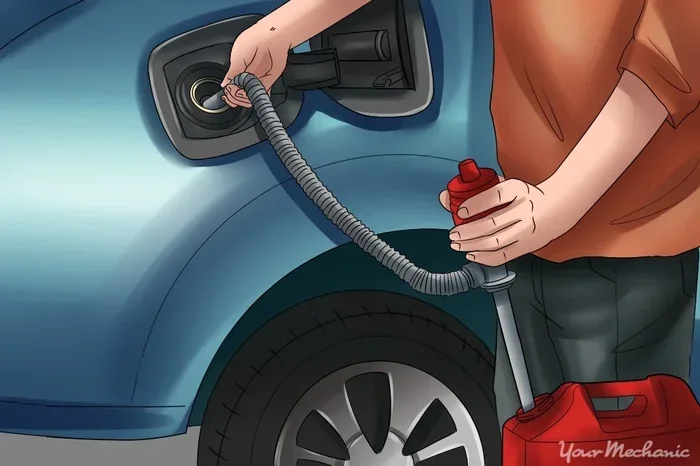
If your car doesn’t have a drain valve, siphoning is the most popular alternative. You’ll need a siphon pump or a length of flexible hose. This method works by creating suction to pull fuel out of the tank.
Here’s how to siphon fuel safely:
- Open the fuel cap on your car to break the vacuum seal.
- Insert the siphon hose into the tank through the fuel opening.
- Place the other end of the hose into your fuel container.
- Start the siphon by pumping the handle or using gravity.
- Let the fuel flow steadily into the container.
- Once the tank is empty, remove the hose carefully.
Siphon pumps are inexpensive and widely available at auto parts stores. They make the process much easier and safer than the old mouth-siphoning method. Never use your mouth to siphon fuel. It’s dangerous and unnecessary.
Method 3: Disconnecting the Fuel Line
This method involves disconnecting the fuel line that runs from the tank to the engine. It’s more involved but effective when the other methods aren’t available. You’ll need basic hand tools and a fuel-rated container.
Steps to disconnect the fuel line:
- Relieve fuel system pressure by removing the fuel pump fuse and running the engine briefly.
- Locate the fuel line near the tank.
- Place a drain pan and rags underneath.
- Use a wrench to disconnect the fuel line fitting.
- Allow the fuel to drain completely into the pan.
- Reconnect the line securely once draining is complete.
This method requires more mechanical knowledge. If you’re not comfortable, consider using the siphon method instead or having a professional assist you.
Method Comparison Table
| Method | Difficulty | Tools Needed | Best For |
|---|---|---|---|
| Drain Valve | Easy | Wrench, drain pan | Cars with a built-in valve |
| Siphon Pump | Easy to Medium | Siphon pump, fuel container | Most vehicles, no valve needed |
| Fuel Line Disconnect | Medium to Hard | Wrench set, rags, fuel container | When other methods aren’t available |
Step-by-Step Guide to Draining Your Gas Tank
Now that you know the methods, let’s walk through the complete process step by step. This guide combines the best practices from all three methods into one clear workflow.
Step 1: Prepare Your Workspace
Clear the area around your car. Remove any flammable materials. Lay down absorbent rags in case of spills. Make sure your fuel container is stable and ready to receive the gas.
Step 2: Relieve Fuel System Pressure
Before disconnecting anything, relieve the pressure in the fuel system. You can do this by removing the fuel pump fuse and cranking the engine for a few seconds. This prevents fuel from spraying out when you open connections.
Step 3: Choose Your Drain Method
Check if your car has a drain valve first. If it does, use that method. If not, go with the siphon pump. The fuel line disconnect should be your last resort unless you’re experienced with car maintenance.
Step 4: Drain the Fuel Completely
Let all the fuel flow out. Don’t rush this step. Make sure the tank is as empty as possible. Tilt the car slightly if needed (only on a safe ramp or jack stands) to get every last drop.
Step 5: Inspect and Clean
Once the tank is empty, take a moment to inspect it. Look for rust, debris, or signs of damage. If you’re storing the car, consider adding a fuel stabilizer to any remaining trace amounts.
Step 6: Dispose of Fuel Properly
Never pour old fuel down the drain, into the ground, or into regular trash. Take it to a local hazardous waste facility or auto shop that accepts used fuel. Many recycling centers also handle gasoline disposal safely.
Common Mistakes to Avoid When Emptying a Gas Tank
Even with the best intentions, mistakes happen. Here are the most common errors people make when trying to drain their gas tank — and how to avoid them.
Skipping Safety Precautions
The biggest mistake is treating gasoline casually. Fuel vapors are heavier than air and can travel along the ground to ignition sources. Always work in a ventilated area and keep sparks away.
Using the Wrong Container
Never use a container that isn’t rated for fuel storage. Regular plastic containers can degrade and leak. Use a UL-rated fuel canister designed for gasoline. This keeps you safe and prevents environmental contamination.
Forgetting to Relieve Fuel Pressure
Skipping this step can result in fuel spraying everywhere when you disconnect a line. Always relieve pressure first. It takes just a few minutes and prevents a messy and dangerous situation.
Not Draining Completely
Leaving old fuel in the tank defeats the purpose. Take your time and make sure the tank is as dry as possible. Even small amounts of degraded fuel can cause problems when you refill.
Ignoring Local Disposal Laws
Improper fuel disposal can result in fines and environmental damage. Always follow local regulations. Contact your local waste authority if you’re unsure about the rules in your area.
Rushing the Process
Emptying a gas tank isn’t a race. Rushing leads to spills, mistakes, and potential injury. Take your time, follow each step carefully, and work methodically.
What to Do After You’ve Emptied the Tank
Draining the tank is only half the job. What you do afterward matters just as much. Here’s how to wrap up the process properly.
Inspect the Tank Interior
If you had to remove the tank or open it, inspect the inside for rust, sediment, or moisture. Clean any debris with a safe solvent. A clean tank helps your fuel system run smoothly when you refill.
Check the Fuel Filter
Old fuel often carries contaminants. After draining, it’s a good idea to check or replace the fuel filter. This prevents debris from entering the engine when you add fresh fuel.
Refill with Fresh Gas
Once you’ve completed the drain and any necessary cleaning, refill the tank with fresh, high-quality gasoline. If you’re storing the car, consider adding a fuel stabilizer to extend the life of the gas for several months.
Run the Engine
After refilling, start the engine and let it run for a few minutes. This circulates the fresh fuel through the system. Listen for any unusual sounds or rough idling. If something feels off, check for air in the fuel lines or other issues.
Expert Insights on Fuel Tank Maintenance
Regular maintenance of your fuel system goes a long way in preventing problems. Here are some expert tips that can save you time and money.
Keep Your Tank at Least Half Full. This reduces condensation inside the tank, which means less water contamination. It also gives you more flexibility and fewer trips to the gas station.
Use Fuel Stabilizer for Stored Vehicles. If you’re storing a car for more than a month, add a fuel stabilizer to the tank before the final drive. This keeps the fuel fresh and prevents gum deposits from forming.
Replace Fuel Filters Regularly. A clogged fuel filter restricts fuel flow and can cause starting problems. Most manufacturers recommend replacing the filter every 20,000 to 40,000 miles.
Don’t Ignore Warning Signs. If your car is stalling, surging, or struggling to start, the fuel system might be the culprit. Addressing fuel issues early prevents costly repairs down the road.
Key Takeaways
- Know Your Methods: You can drain your car’s gas tank using a drain valve, siphon pump, or fuel line disconnect — choose the one that fits your vehicle.
- Safety Always Comes First: Work outdoors, wear protective gear, and keep a fire extinguisher nearby.
- Relieve Fuel Pressure First: This simple step prevents fuel spray and keeps you safe during the process.
- Dispose of Fuel Responsibly: Never dump old gasoline. Take it to a licensed disposal facility.
- Inspect After Draining: Check for rust, debris, and damage to keep your fuel system in top shape.
- Refill with Fresh Fuel: Old or contaminated fuel should always be replaced with clean gasoline for optimal engine performance.
Conclusion
Emptying your car’s gas tank doesn’t have to be a stressful experience. With the right method, proper safety precautions, and a little patience, you can handle this task confidently on your own. Whether you’re preparing a vehicle for storage, dealing with bad fuel, or tackling a repair, the steps in this guide will help you get the job done right.
Remember to always prioritize safety. Use the right tools. Dispose of old fuel responsibly. And take your time — rushing through fuel system work is never worth the risk. With these tips and methods, you’re well-equipped to manage your car’s fuel system with ease.
Now that you know how to empty a car gas tank without any hassle, you can tackle the job whenever it comes up. Keep this guide handy for future reference, and don’t hesitate to reach out to a professional if you run into any issues along the way.
Frequently Asked Questions
Can I empty my car’s gas tank without a siphon pump?
Yes, you can. If your car has a drain valve, you don’t need a siphon at all. You can also disconnect the fuel line to let the fuel drain out naturally. The siphon pump just makes the process cleaner and easier, but it’s not the only option available to you.
How long does it take to drain a gas tank?
It depends on the method you use and how much fuel is in the tank. Using a drain valve or siphon pump, you can expect the process to take about 15 to 30 minutes. Disconnecting the fuel line may take a bit longer due to setup and cleanup time.
Is it safe to store drained gasoline in my garage?
You can store fuel in your garage, but only in an approved, sealed fuel container. Keep the container away from heat sources, direct sunlight, and open flames. Ideally, store it in a well-ventilated outdoor shed or take it to a disposal facility as soon as possible.
Can I reuse old gasoline from my drained tank?
It depends on the condition of the fuel. If the gasoline looks clear and smells normal, it may still be usable. However, if it appears dark, has particles, or smells sour, it has gone bad. Bad fuel should be disposed of properly at a hazardous waste center.
Do I need to empty the tank before long-term storage?
It’s generally recommended to either empty the tank or fill it completely with fresh fuel and a stabilizer. A completely empty tank can develop rust from moisture inside. A full tank with stabilizer prevents fuel degradation and condensation buildup during storage.
What should I do if I spill gasoline while draining the tank?
Stop work immediately and clean up the spill. Use absorbent rags or cat litter to soak up the fuel. Dispose of the contaminated materials properly at a hazardous waste facility. Never wash gasoline into a storm drain or onto the ground. Ventilate the area well and keep ignition sources away until the spill is fully cleaned.