How Can I Empty My Car Gas Tank Quickly and Easily
Learning how to empty your car gas tank is a useful skill for maintenance, storage, or emergencies. Whether you need to drain fuel for a repair, prepare a vehicle for long-term storage, or handle a fuel spill, this guide covers every method. You will discover safe siphoning techniques, proper gasoline disposal tips, and step-by-step instructions. Each method is simple, practical, and easy to follow at home.
There are many reasons you might need to empty a car gas tank. Maybe your vehicle needs a fuel system repair. Perhaps you are storing the car for winter. Or maybe you accidentally filled the tank with the wrong fuel type. Whatever the reason, knowing how to drain fuel properly saves time, money, and stress.
This guide walks you through every reliable method to empty your gas tank quickly and safely. You do not need to be a mechanic. With basic tools and a little patience, you can handle this task yourself. Let us dive into the best approaches for fuel removal from your vehicle.
Key Takeaways
- Multiple Methods Available: You can empty a gas tank using siphoning, gravity drainage, or fuel pump removal depending on your vehicle.
- Safety Comes First: Always work in a ventilated area away from flames and follow proper fuel handling precautions.
- Proper Disposal Matters: Never dump gasoline down drains or on the ground. Use approved recycling centers or fire stations.
- Tools Are Simple: A basic siphon pump, drain pan, and a few common tools are all you need for most methods.
- Know Your Vehicle: Different cars have different access points. Understanding your fuel system helps you choose the best method.
📑 Table of Contents
- Why You Might Need to Empty Your Gas Tank
- Tools and Materials You Will Need
- Method 1: Siphoning Fuel from the Tank
- Method 2: Draining Through the Fuel Tank Drain Plug
- Method 3: Disconnecting the Fuel Pump Line
- Method 4: Using the Fuel Pump to Drain the Tank
- Safe Gasoline Disposal and Storage
- Common Mistakes to Avoid When Emptying a Gas Tank
- When to Call a Professional
- Final Thoughts on Emptying Your Car Gas Tank
Why You Might Need to Empty Your Gas Tank
Before we get into the how-to, it helps to understand why this task matters. A full or partially full tank can cause problems in several situations. Recognizing these scenarios helps you act quickly and avoid further damage.
Vehicle Maintenance and Repairs
Many car repairs require an empty fuel tank. Fuel pump replacements, tank rust repairs, and fuel line work all demand a dry tank. Leaving fuel inside can lead to leaks, contamination, or even fire hazards during the repair process.
Long-Term Vehicle Storage
If you plan to store a car for months, old fuel can break down and cause engine problems. Stale gasoline gums up the fuel system and clogs filters. Draining the tank completely prevents these issues and keeps your engine healthy during storage.
Wrong Fuel Emergencies
Putting diesel in a gasoline engine or vice versa is a common mistake. In this case, you must remove the contaminated fuel immediately. Running the engine even briefly can cause expensive internal damage. Emptying the tank becomes the first priority.
Seasonal Vehicle Preparation
Many car owners drain fuel when preparing vehicles for off-season storage. Boats, lawnmowers, and classic cars all benefit from an empty gas tank before sitting unused for months. This simple step prevents fuel degradation and system corrosion.
Tools and Materials You Will Need
Gathering the right tools before you start makes the process smooth and safe. Here is what you need for most gas tank emptying methods:
- Fuel siphon pump — manual or battery-operated
- Drain pan or container — rated for gasoline storage
- Fuel-safe rubber hose — sized for your vehicle
- Wrench set — for removing drain plugs or lines
- Safety gloves and goggles — protect your skin and eyes
- Fire extinguisher — always keep one nearby
- Gasoline-safe container — for storing or transporting fuel
- Rags and absorbent pads — for cleanup and spills
Working with gasoline requires respect. Always choose containers labeled for fuel storage. Never use containers that previously held chemicals or food items. Proper equipment keeps you safe and prevents accidents.
Method 1: Siphoning Fuel from the Tank
Siphoning is the most popular and effective way to drain a car gas tank. It works by creating suction that pulls fuel through a hose. This method suits most vehicles and requires minimal tools.
Step-by-Step Siphoning Process
- Position the vehicle on a flat, level surface. Park it away from any ignition sources.
- Open the fuel cap to allow air into the tank. This helps the siphon work smoothly.
- Place the drain pan beneath the vehicle or near the fuel access point.
- Insert the siphon pump hose into the tank opening. Push it down as far as it goes.
- Start the siphon by squeezing the pump bulb or using the battery-operated starter.
- Let gravity do the work. Fuel will flow through the hose into your drain container.
- Monitor the flow and reposition the hose as needed to catch all the fuel.
- Stop when the tank is empty and disconnect the hose carefully.
Using a manual siphon pump is simple and does not require any power source. Battery-operated models work faster but need a charged battery. Both options are affordable and widely available at auto parts stores.
Quick Tips for Siphoning Success
- Warm fuel flows faster than cold fuel. If possible, siphon shortly after driving.
- Keep the drain container lower than the tank for gravity-assisted flow.
- Never use your mouth to start a siphon. Always use a pump tool.
- Work outdoors or in a well-ventilated garage to avoid fume buildup.
Method 2: Draining Through the Fuel Tank Drain Plug
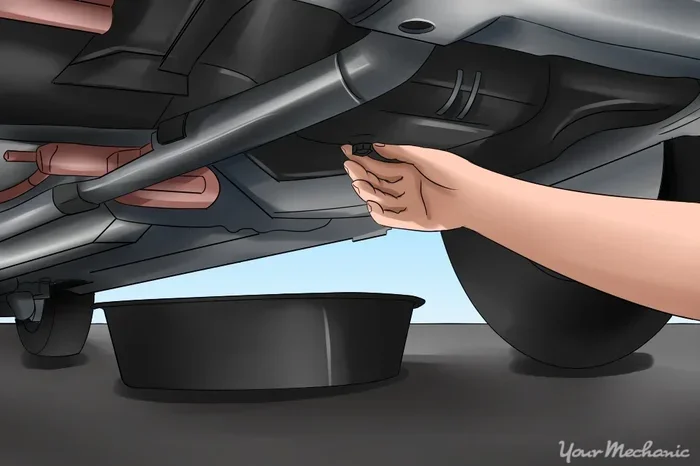
Many vehicles have a drain plug at the bottom of the gas tank. This is the fastest way to empty a fuel tank without any special equipment. However, not all cars have this feature.
Finding Your Drain Plug
Check your vehicle owner manual to locate the drain plug. On most cars, it sits underneath the tank near the rear axle. You may need to jack up the vehicle and look beneath it to find the plug.
Draining Steps
- Lift the vehicle safely using a jack and secure it with jack stands.
- Place the drain pan directly under the drain plug.
- Wear safety gloves and goggles before loosening the plug.
- Slowly open the plug using the correct wrench size.
- Let the fuel drain completely into the pan.
- Tighten the plug back securely once draining is complete.
- Lower the vehicle and clean up any drips or spills.
This method works great for fuel tank draining when you have direct access. It is fast, clean, and leaves almost no fuel behind. Just be careful not to overtighten the plug when reinstalling it.
Method 3: Disconnecting the Fuel Pump Line
For vehicles without a drain plug, disconnecting the fuel line at the fuel pump is an effective alternative. This method requires a bit more mechanical knowledge but gets the job done thoroughly.
What You Need to Know
The fuel pump line carries gasoline from the tank to the engine. By disconnecting this line, you can drain fuel directly into a container. This method works well when you need to remove fuel for repairs or storage.
Step-by-Step Fuel Line Disconnection
- Relieve fuel system pressure by removing the fuel pump fuse and cranking the engine briefly.
- Locate the fuel pump — it is usually near the rear of the vehicle along the frame rail.
- Place absorbent rags around the fuel line connection to catch any drips.
- Disconnect the fuel line using the appropriate wrench or quick-release tool.
- Position a drain pan directly under the disconnected line.
- Allow the fuel to drain completely into the container.
- Reconnect the fuel line securely and replace the fuel pump fuse.
Always refer to your vehicle service manual for specific instructions. The fuel system design varies between makes and models. Taking your time prevents mistakes and keeps you safe.
Method 4: Using the Fuel Pump to Drain the Tank
Some vehicles allow you to run the fuel pump without starting the engine. This method uses the car’s own fuel pump to push fuel out through the return line or fuel rail.
How This Method Works
By activating the fuel pump electrically, you can push fuel out of the tank and into a collection container. This works best for vehicles with accessible fuel lines and electric fuel pumps.
Steps to Drain Using the Fuel Pump
- Disconnect the fuel return line or fuel pressure regulator line.
- Route a hose from the disconnected line into your drain container.
- Turn the ignition to the ON position without starting the engine.
- Let the fuel pump run for a few seconds to push fuel through the line.
- Repeat the process until the tank is sufficiently empty.
- Turn off the ignition and reconnect all lines securely.
This method is clever and requires no extra tools beyond basic hand tools. It is especially useful for fuel system maintenance where you want to remove most of the fuel without fully draining the tank.
Safe Gasoline Disposal and Storage
Once you have successfully drained your gas tank, the next critical step is handling the fuel safely. Gasoline is a hazardous material that requires responsible disposal.
Where to Take Old Gasoline
- Local hazardous waste centers — most cities accept gasoline for recycling
- Fire stations — many fire departments collect used fuel
- Auto repair shops — some shops will accept fuel for proper disposal
- Community recycling events — check local schedules for hazardous waste collection days
How to Store Gasoline Safely
If you need to keep the fuel for later use, follow these storage rules:
- Use only approved gasoline containers with proper ventilation caps
- Store containers in a cool, well-ventilated area away from living spaces
- Keep containers away from direct sunlight and heat sources
- Label each container clearly with the date and fuel type
- Never store gasoline near pilot lights, water heaters, or electrical panels
- Use stored fuel within three to six months for best quality
Improper gasoline disposal harms the environment and can result in fines. Always take the time to handle fuel responsibly. It protects you, your community, and the planet.
Common Mistakes to Avoid When Emptying a Gas Tank
Even with good intentions, mistakes happen when draining a fuel tank. Here are common errors and how to avoid them:
Skipping Safety Precautions
The biggest mistake is skipping safety steps. Gasoline vapors are highly flammable and can ignite from a single spark. Always work outdoors, wear protective gear, and keep a fire extinguisher nearby.
Using Improper Containers
Never store gasoline in milk jugs, water bottles, or non-rated containers. These can leak, melt, or react with the fuel. Always use EPA-approved fuel containers designed for gasoline storage.
Forgetting to Relieve Fuel Pressure
Disconnecting fuel lines without relieving pressure causes fuel to spray everywhere. This creates a mess and a fire risk. Always release system pressure before working on any fuel connection.
Leaving Residual Fuel Behind
A small amount of fuel often remains in the tank and lines. This leftover fuel can contaminate new fuel or cause starting problems. Take your time to drain as completely as possible.
Ignoring Local Regulations
Different areas have different rules about fuel storage and disposal. Check your local regulations before draining or transporting gasoline. Following the law keeps you safe and avoids penalties.
When to Call a Professional
Not every situation calls for a DIY approach. Some scenarios are better left to trained professionals. Here are signs you should seek expert help:
- The fuel tank is deeply rusted or damaged
- You cannot access the tank or fuel lines safely
- You have contaminated fuel that needs professional testing
- The vehicle has a complex fuel system you are unfamiliar with
- You feel uncomfortable working with gasoline or fuel systems
Professional mechanics have the experience and equipment to handle fuel system work safely and efficiently. There is no shame in calling for help when a task feels beyond your comfort zone.
Final Thoughts on Emptying Your Car Gas Tank
Emptying a car gas tank is a straightforward process once you know the right method for your vehicle. Whether you choose siphoning, gravity drainage, or fuel line disconnection, each approach works well when done carefully. The key is to prioritize safety at every step and handle gasoline responsibly.
Remember that proper fuel disposal is just as important as the draining process. Never pour gasoline on the ground, down drains, or into regular trash. Taking a few extra minutes to dispose of fuel correctly protects the environment and keeps your community safe.
With the tools, knowledge, and precautions outlined in this guide, you can confidently handle any gas tank emptying task. Keep this information handy for your next vehicle maintenance project or emergency situation. You will be glad you learned these simple but valuable skills.
Frequently Asked Questions
Can I use a regular garden hose to siphon gas from my tank?
No, you should never use a regular garden hose for siphoning gasoline. Standard hoses may contain chemicals or materials that react with fuel and contaminate it. Always use a fuel-safe siphon hose rated for gasoline and other petroleum products. These hoses are designed to be chemically resistant and safe for fuel transfer.
How long does it take to empty a car gas tank?
The time depends on the method you use and the amount of fuel in the tank. Siphoning typically takes 15 to 30 minutes for a full tank. Gravity drainage through a drain plug is faster, often taking 10 to 20 minutes. Fuel line disconnection can take 20 to 40 minutes depending on the vehicle setup. Plan for at least 30 minutes to be safe.
Is it legal to store gasoline at home?
Yes, storing gasoline at home is legal in most areas, but there are limits. Most jurisdictions restrict the amount you can store to between 25 and 50 gallons. You must use approved containers and store them in a ventilated area away from living spaces. Check your local fire codes and regulations for specific rules in your area.
Can I reuse gasoline that has been sitting in a stored tank?
Gasoline typically remains usable for three to six months when stored properly in sealed, approved containers. After that, it begins to degrade and can cause engine problems. If stored fuel has a sour smell, darker color, or contains sediment, it is best to dispose of it properly rather than use it in your vehicle. Adding a fuel stabilizer can extend the shelf life of stored gasoline.
What should I do if I spill gasoline while draining the tank?
Act quickly and safely if you spill gasoline. First, stop any ignition sources immediately. Use absorbent rags or pads to soak up the spill. Do not use water, as it spreads the fuel. Ventilate the area well and dispose of the used rags in a sealed metal container. For large spills, contact your local hazardous waste authority for guidance on cleanup and disposal.
Do I need to empty the gas tank before storing my car for winter?
It is generally recommended to either empty the tank completely or fill it to the top with fresh fuel and add a fuel stabilizer. A completely empty tank prevents fuel degradation but can lead to internal rust. A full tank with stabilizer prevents condensation and keeps the fuel system protected. Choose the approach that best fits your storage duration and conditions.