Car Starting Issues: Causes and Fixes You Must Know
Car starting issues can turn a good morning into a frustrating one, but most causes are simple to diagnose and fix. From dead batteries and corroded terminals to failing starter motors and fuel pump problems, understanding the root cause saves you time and money. This guide walks you through every common reason your engine won’t fire up and gives you clear, step-by-step solutions you can use right away.
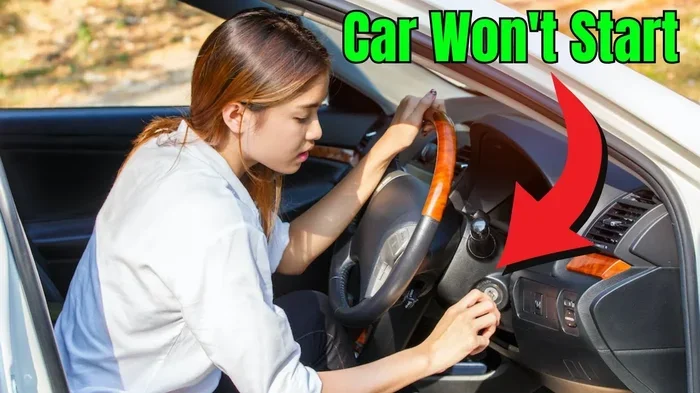
There’s nothing worse than turning the key and hearing nothing but silence. You’re standing in the driveway, late for work, coffee in hand, and your car simply refuses to cooperate. Car starting issues affect millions of drivers every year, and the reasons range from dead batteries to hidden electrical gremlins.
The good news? Most of these problems have simple fixes you can handle yourself. Even better, knowing what to look for saves you from expensive tow bills and unnecessary mechanic visits. In this guide, we’ll break down every common cause of car won’t start situations and give you clear, practical solutions. Whether it’s a freezing winter morning or a hot summer day, you’ll know exactly what to check and what to fix.
We’ve organized this article so you can quickly find the answer to your specific problem. Jump to the section that matches your symptoms, follow the steps, and get back on the road. Let’s dive in and solve your car starting issues once and for all.
Key Takeaways
- Dead or weak battery is the #1 cause of car starting issues and easy to prevent with regular checks.
- Corroded battery terminals and loose connections can block power flow even when the battery is good.
- Starter motor and solenoid failures create a clicking noise and need professional attention.
- Fuel system problems like a bad fuel pump or clogged filter starve the engine of gas.
- Ignition switch and key fob issues are common in newer vehicles and easy to overlook.
- Cold weather worsens almost every starting problem, so preparation matters.
- Regular maintenance catches small problems before they leave you stranded.
📑 Table of Contents
- Why Your Car Won’t Start: The Big Picture
- Dead or Weak Battery: The #1 Cause of Car Starting Issues
- Corroded or Loose Battery Terminals
- Starter Motor and Solenoid Problems
- Fuel System Failures That Prevent Starting
- Ignition Switch and Key Fob Problems
- Spark Plug and Ignition Coil Issues
- Cold Weather and Car Starting Issues
- Common Mistakes That Cause Repeated Starting Problems
- When to Call a Professional Mechanic
- How to Prevent Car Starting Issues Before They Happen
- Key Takeaways
- Frequently Asked Questions
- Final Thoughts
Why Your Car Won’t Start: The Big Picture
When your engine refuses to turn over, the problem usually falls into one of three categories: electrical, fuel, or mechanical. Understanding this basic framework helps you narrow down the cause fast.
Electrical problems involve the battery, alternator, starter motor, and wiring. These are the most common culprits behind car starting issues. Fuel system problems include a failing fuel pump, clogged filter, or empty tank. Mechanical issues cover things like a broken timing belt or seized engine, though these are less frequent.
Before you panic, take a deep breath and listen carefully. Does the engine crank slowly? Do you hear a single click? Complete silence? Each sound tells a different story and points toward a different fix. Let’s explore each possibility in detail.
Dead or Weak Battery: The #1 Cause of Car Starting Issues
A dead battery tops the list of reasons cars won’t start. Your battery provides the electrical juice needed to crank the engine. When it loses charge, nothing happens when you turn the key.
Signs of a Dead Battery
- No sound at all when you turn the ignition key.
- Dim headlights or dashboard lights that barely glow.
- A slow, sluggish cranking sound instead of a firm start.
- The battery warning light on your dashboard stays on.
- Electrical accessories like power windows work slowly.
Common Reasons Batteries Die
Batteries don’t just die randomly. They usually fail because of something preventable. Leaving lights on overnight is the classic mistake. But other causes include short trips that don’t fully recharge the battery, extreme temperatures, and age. Most car batteries last three to five years. If yours is older, it might be time for a replacement.
Parasitic draw is another sneaky cause. This happens when something in your car continues draining power after you turn off the engine. Faulty interior lights, aftermarket accessories, or a defective alternator can all create parasitic draw and slowly kill your battery.
How to Fix a Dead Battery
- Jump-start the car using jumper cables and another vehicle or a portable jump starter.
- Let the engine run for at least 20 minutes to recharge the battery.
- Test the battery voltage with a multimeter. A healthy battery reads 12.6 volts or higher.
- If the battery is old or won’t hold a charge, replace it with a new one matched to your vehicle’s specifications.
Quick Tip: Keep a portable jump starter in your trunk. It’s a small investment that can save you from a roadside emergency on a dark, lonely road.
Expert Insight: “I always tell my customers to check their battery before seasonal changes. Cold weather reduces battery capacity by up to 35%, so a battery that works fine in summer might fail you in January,” says certified mechanic Tom Rivera.
Corroded or Loose Battery Terminals
Even with a fully charged battery, car starting issues can happen if the terminals are corroded or loose. Battery terminals are the connection points where power flows from the battery to your car’s electrical system. When those connections are dirty or wobbly, electricity can’t get through properly.
You’ll often see a white, blue, or greenish powdery substance on the terminals. That’s corrosion, and it acts like an insulator, blocking the electrical current. Loose terminals, on the other hand, create an intermittent connection that comes and goes.
How to Clean Battery Terminals
- Disconnect the negative cable first, then the positive cable.
- Make a paste of baking soda and water.
- Apply the paste to the corroded terminals and let it sit for a few minutes.
- Scrub gently with an old toothbrush or wire brush.
- Rinse with a little water and dry thoroughly.
- Reconnect the positive cable first, then the negative cable.
- Apply a thin layer of petroleum jelly to prevent future corrosion.
After cleaning, try starting your car. If it fires up right away, the corroded terminals were the problem. This simple fix takes about ten minutes and costs almost nothing.
Starter Motor and Solenoid Problems
The starter motor is the electric motor that cranks your engine when you turn the key. It works together with the starter solenoid, which acts as a switch sending power to the motor. When either one fails, you’ll experience car starting issues that range from annoying to completely immobilizing.
Symptoms of a Failing Starter
- A single loud click when you turn the key, but the engine doesn’t crank.
- Grinding or whining noises coming from under the hood.
- The engine cranks slowly or intermittently.
- Your car starts only after multiple attempts.
- You need to tap the starter with a wrench to get it working (a temporary fix).
Starter vs. Solenoid: What’s the Difference?
People often confuse the starter motor and the solenoid, but they’re different parts with different jobs. The starter solenoid receives a small electrical signal from the ignition and uses it to push the starter gear into the engine’s flywheel. The starter motor then does the heavy work of spinning the engine. When the solenoid fails, the motor never engages. When the motor itself fails, you hear the solenoid click but the engine won’t crank.
Fixing Starter Problems
Starter replacement is a job best left to a professional mechanic. The part itself costs between $200 and $400, and labor adds another $100 to $200 depending on your vehicle. However, before replacing the starter, a good mechanic will check the wiring, connections, and solenoid first. Sometimes the fix is as simple as repairing a loose wire or replacing a faulty relay.
Common Mistake: Many drivers try to start a car with a bad starter by having someone bump or rock the vehicle. This can damage the transmission and is only safe for manual transmission cars. Automatics should never be bump-started.
Fuel System Failures That Prevent Starting
Your engine needs three things to run: spark, air, and fuel. When the fuel system fails, your car has plenty of electrical power and a healthy engine, but it simply can’t get the gas it needs. Fuel-related car starting issues are especially common in older vehicles and those with high mileage.
Fuel Pump Failure
The fuel pump pushes gasoline from the tank to the engine. When it fails, fuel never reaches the combustion chambers. You might hear a faint humming sound near the rear of the car when you turn the key to the “on” position. No hum means the pump might be dead.
Fuel pumps typically last 100,000 miles or more, but they can fail prematurely from contaminated fuel, running the tank too low, or electrical issues. Replacement costs range from $400 to $800 including parts and labor.
Clogged Fuel Filter
The fuel filter catches dirt and debris before they reach the engine. Over time, it gets clogged and restricts fuel flow. A clogged filter causes slow starts, stalling, and poor acceleration. Most fuel filters should be replaced every 30,000 to 40,000 miles, but check your owner’s manual for the exact interval.
Empty Fuel Tank
It sounds obvious, but running out of fuel is one of the top reasons for car won’t start situations. Modern fuel gauges aren’t always accurate, and the reserve light can come on sooner than you expect. Make it a habit to keep your tank at least a quarter full, especially in winter when moisture can freeze in an almost-empty tank.
| Fuel System Issue | Main Symptom | Average Repair Cost | DIY Fixable? |
|---|---|---|---|
| Dead Fuel Pump | No humming sound, engine won’t crank | $400 – $800 | No |
| Clogged Fuel Filter | Slow start, stalling, poor acceleration | $50 – $150 | Yes, with basic tools |
| Empty Tank | Engine cranks but won’t fire | Free (just add fuel) | Yes |
| Dirty Fuel Injectors | Rough idle, misfires, hard start | $50 – $300 | Partially (fuel additives) |
Ignition Switch and Key Fob Problems
Modern vehicles rely on sophisticated ignition systems and keyless entry. When something goes wrong with the ignition switch or the key fob, your car might not recognize that you’re trying to start it.
Faulty Ignition Switch
The ignition switch is the mechanical lock cylinder where you insert your key. Over years of use, the internal contacts wear out and fail to send the correct signal. Symptoms include the dashboard lights flickering, the key getting stuck, or the car starting intermittently.
Replacing an ignition switch costs between $150 and $300 and usually takes about an hour at a repair shop. This is a straightforward fix that eliminates a surprisingly common source of car starting issues.
Key Fob Battery Dead
If you drive a keyless start vehicle, a dead key fob battery is a frequent cause of no-start conditions. The car can’t detect the fob and refuses to start the engine. Most key fobs use a CR2032 battery that costs about $3 and lasts one to two years.
Many keyless start cars have a backup start method. Look for a small slot near the steering column or center console where you can place the fob directly. This bypass the dead battery and lets the car start. Check your owner’s manual for the exact location.
Quick Tip: Replace your key fob battery once a year, even if it seems to work fine. It takes two seconds and prevents a frustrating morning surprise.
Spark Plug and Ignition Coil Issues
Spark plugs create the electrical spark that ignites the fuel-air mixture inside your engine’s cylinders. When spark plugs wear out or ignition coils fail, the engine cranks but won’t fire up, or it runs rough and stalls immediately.
Worn Spark Plugs
Spark plugs have a limited lifespan. Standard copper plugs last about 30,000 miles, while iridium and platinum plugs can go 60,000 to 100,000 miles. When plugs wear out, they fail to create a strong enough spark, leading to engine misfires, rough idling, and difficulty starting.
Replacing spark plugs is one of the easiest and cheapest maintenance tasks. A set of plugs costs between $20 and $80, and many car owners can do the job themselves with a basic socket set.
Failing Ignition Coils
Ignition coils transform the battery’s low voltage into the high voltage needed to create a spark. A bad coil means no spark, which means no combustion. You’ll usually notice a check engine light, rough running, or a noticeable loss of power before the car completely refuses to start.
Expert Insight: “I recommend changing spark plugs at the halfway point of their recommended lifespan. It’s cheap insurance against being stranded with a no-start condition,” says automotive specialist Sarah Chen.
Cold Weather and Car Starting Issues
Winter is the worst season for car starting problems. Cold temperatures thicken engine oil, reduce battery capacity, and make fuel harder to vaporize. Even a healthy car can struggle to start when the temperature drops below freezing.
Why Cold Weather Wrecks Your Start
- Battery chemistry slows down in cold temperatures, reducing available cranking power by up to 35%.
- Engine oil thickens, making the starter motor work harder to turn the engine.
- Fuel lines can develop condensation that freezes and blocks fuel flow.
- Tire pressure drops, increasing rolling resistance and making the engine harder to turn over.
Cold Weather Prevention Tips
- Use a battery blanket or engine block heater in extreme cold climates.
- Switch to synthetic oil, which flows better in low temperatures.
- Keep your gas tank at least half full to prevent fuel line freeze.
- Park your car in a garage or sheltered area whenever possible.
- Consider a battery maintainer or trickle charger if your car sits unused for days.
These small steps make a huge difference. A battery maintainer keeps your battery topped off during long cold spells, and synthetic oil reduces the strain on your starter motor when temperatures plummet.
Common Mistakes That Cause Repeated Starting Problems
Some drivers unknowingly create habits that lead to repeated car starting issues. Avoiding these mistakes can save you a lot of headaches and extend the life of your vehicle’s starting system.
Leaving Accessories On
Headlights, interior lights, phone chargers, and dashcams all draw power when the engine is off. Making a habit of leaving them on slowly drains the battery and leads to dead-start situations.
Ignoring Warning Signs
A slow crank, dim lights, or a check engine light are your car’s way of asking for help. Ignoring these signals often leads to complete no-start failures at the worst possible moment.
Skipping Regular Maintenance
Battery tests, spark plug replacements, fuel filter changes, and alternator checks all fall under routine maintenance. Skipping them means small problems grow into big, expensive repairs.
Common Mistake: Many drivers try to jump-start a car with a bad alternator. The jump start works temporarily, but the alternator won’t recharge the battery, and you’ll be back to a dead car within hours. Always check the alternator after a jump start.
When to Call a Professional Mechanic
While many car starting issues can be diagnosed and fixed at home, some problems require professional tools and expertise. Here’s when it’s time to call for help:
- You’ve checked the battery, terminals, and starter, but the car still won’t start.
- The check engine light is flashing along with a no-start condition.
- You smell gasoline or notice a fuel leak near the engine or tank.
- The engine cranks normally but won’t fire, suggesting a deeper mechanical issue.
- You’ve tried jump-starting and the car dies again within minutes.
- You’re dealing with a security system lockout or anti-theft immobilizer issue.
A professional mechanic has diagnostic tools like OBD-II scanners that can read error codes and pinpoint problems quickly. This saves you time, prevents misdiagnosis, and often costs less than replacing the wrong part.
Quick Tip: Before visiting the mechanic, write down exactly what happens when you try to start the car. Do you hear a click? Does the engine crank slowly? Do the lights dim? These details help the mechanic diagnose the problem faster and more accurately.
How to Prevent Car Starting Issues Before They Happen
The best way to deal with car starting issues is to prevent them entirely. A little proactive care goes a long way toward keeping your car reliable and ready to go every time you need it.
Build a Simple Maintenance Routine
- Test your battery every six months, especially before winter and summer.
- Inspect battery terminals monthly for corrosion and clean them as needed.
- Replace spark plugs on schedule according to your owner’s manual.
- Change the fuel filter every 30,000 to 40,000 miles.
- Check the alternator during every oil change to ensure it’s charging properly.
- Keep your gas tank above a quarter full to avoid fuel pump strain and freeze risks.
- Replace the key fob battery annually or when you notice weak signal strength.
Following this simple checklist catches small problems before they become big ones. It also keeps your car running smoothly for years and reduces the chance of an unexpected no-start situation.
Key Takeaways
- Dead or weak battery is the #1 cause of car starting issues and easy to prevent with regular checks.
- Corroded battery terminals and loose connections can block power flow even when the battery is good.
- Starter motor and solenoid failures create a clicking noise and need professional attention.
- Fuel system problems like a bad fuel pump or clogged filter starve the engine of gas.
- Ignition switch and key fob issues are common in newer vehicles and easy to overlook.
- Cold weather worsens almost every starting problem, so preparation matters.
- Regular maintenance catches small problems before they leave you stranded.
Frequently Asked Questions
Why does my car crank but not start?
A car that cranks but won’t start usually has a fuel delivery problem, a spark issue, or a sensor malfunction. Check your fuel pump, spark plugs, and ignition coils first. If those look fine, have a mechanic scan for error codes, as a faulty crankshaft or camshaft sensor is a common hidden cause.
How do I know if my battery or alternator is causing starting issues?
Test the battery voltage with a multimeter. A healthy battery reads 12.6 volts or higher when the engine is off. If the battery is good but the voltage drops below 13.5 volts when the engine runs, your alternator isn’t charging properly. Dimming headlights while idling are a strong sign of alternator failure.
Can a bad key fob battery cause a car not to start?
Yes, in keyless start vehicles, a dead key fob battery prevents the car from recognizing the fob and starting the engine. Most vehicles have a backup start method that lets you place the fob directly against the start button or a designated slot to bypass the dead battery.
How long does a car battery last?
Most car batteries last between three and five years, but lifespan varies based on driving habits, climate, and battery quality. Short trips, extreme heat, and frequent short commutes tend to shorten battery life. Have your battery tested annually after the three-year mark to stay ahead of failure.
Is it safe to jump-start a car in the rain?
Yes, jump-starting a car in the rain is safe as long as you follow proper precautions. Keep the jumper cables away from puddles, connect them in the correct order, and make sure both vehicles are parked on dry ground. Never touch the cable clamps together or let them dangle in standing water.
What should I do if my car starts and then immediately dies?
This symptom often points to a fuel delivery issue or a failing fuel pump. It could also be a problem with the mass airflow sensor or a vacuum leak. Try checking your fuel level and fuel filter first. If the problem persists, have the vehicle towed to a mechanic for a proper diagnosis.
Final Thoughts
Car starting issues are frustrating, but they’re rarely the end of the world. Most causes are predictable, preventable, and fixable with basic knowledge and a little patience. From a dead battery and corroded terminals to failing fuel pumps and worn spark plugs, you now have the tools to diagnose and solve the most common problems yourself.
Remember that prevention beats repair every time. A simple maintenance routine, seasonal battery checks, and attention to warning signs can keep your car starting reliably for years. And when the problem is beyond a DIY fix, knowing what to tell the mechanic saves you time and money.
The next time your car gives you trouble in the driveway, don’t panic. Refer back to this guide, follow the steps, and you’ll likely have your car running again in no time. Stay prepared, stay informed, and don’t let car starting issues slow you down.