Can You Drive a Car With a Blown Head Gasket Safely
Can you drive a car with a blown head gasket? The short answer is no. Driving with a blown head gasket can cause severe engine damage, overheating, and costly repairs. This guide covers the symptoms, risks, and what you should do if your head gasket fails on the road.
You are cruising down the road when your temperature gauge starts climbing. Steam rises from under the hood. Your heart drops as you wonder, can you drive a car with a blown head gasket? The honest answer might surprise you. Driving with a blown head gasket is one of the riskiest things you can do to your engine.
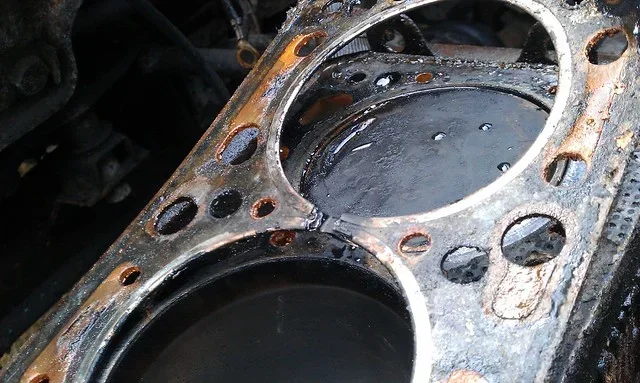
A head gasket is a small but mighty part. It sits between the engine block and the cylinder head. Its job is to seal the combustion chambers and keep coolant and oil where they belong. When that seal breaks, your engine is in serious trouble. Many drivers ignore the early signs and keep driving. That is almost always a mistake. In this guide, we will walk you through everything you need to know about head gasket failure, what happens when you keep driving, and how to handle it the right way.
Key Takeaways
- Do not drive: Operating a vehicle with a blown head gasket can worsen engine damage significantly.
- Know the symptoms: White smoke, overheating, and coolant loss are clear signs of head gasket failure.
- Repair costs vary: Head gasket repair costs range from $1,000 to $2,500 depending on the vehicle.
- Act fast: Ignoring a blown head gasket can lead to complete engine failure and a total loss.
- Prevention helps: Regular maintenance and monitoring your engine temperature can prevent head gasket problems.
- Towing is safer: If you suspect a blown gasket, have your car towed to a mechanic instead of driving it.
📑 Table of Contents
- What Happens When You Drive With a Blown Head Gasket?
- Warning Signs Your Head Gasket Has Failed
- The Risks of Continuing to Drive
- How Mechanics Diagnose a Blown Head Gasket
- Repair Options and Costs
- Prevention Tips to Avoid Head Gasket Failure
- Can You Still Drive If the Gasket Is Only Slightly Damaged?
- Common Mistakes Drivers Make With a Blown Head Gasket
- Key Takeaways
- Conclusion
What Happens When You Drive With a Blown Head Gasket?
Your engine is a finely tuned machine. Every part has a specific job. The head gasket keeps the combustion process sealed and separate from the cooling system and oil passages. When that gasket blows, those systems start to mix. The results can be devastating.
The Combustion Process Gets Disrupted
Each cylinder in your engine relies on tight compression to run properly. When a head gasket fails, combustion gases can escape into areas they should never reach. This leads to compression loss. Your engine loses power. It may run rough or misfire. Some drivers notice a bubbling sound in the radiator. That is combustion gas escaping into the cooling system.
Coolant and Oil Start Mixing
One of the most dangerous things that happens is coolant mixing with engine oil. The head gasket normally keeps these fluids completely separate. Once it fails, they combine. Oil with coolant in it loses its lubricating ability. This means metal parts inside your engine start grinding against each other without proper protection. Over time, this causes scoring, warping, and even seizing of engine components.
Overheating Becomes Inevitable
A blown head gasket almost always leads to engine overheating. Coolant leaks out or burns off due to the breach. Without enough coolant circulating, temperatures spike fast. An overheating engine can warp the cylinder head, crack the engine block, or damage pistons and valves. These are expensive problems. Some are so severe the engine needs a full replacement.
Warning Signs Your Head Gasket Has Failed
The good news is that head gasket failure gives you plenty of warning. The bad news is that many drivers ignore these signs. Learning to recognize them early can save you thousands of dollars and a lot of heartache.
White Smoke From the Exhaust
This is one of the most recognizable blown head gasket symptoms. When coolant leaks into the combustion chamber, it burns and produces thick white smoke. You will see this smoke coming from the tailpipe. It often smells sweet, almost like syrup. If you notice this, pull over safely and turn off the engine.
Coolant Loss Without Visible Leaks
Are you constantly topping off your coolant but cannot find a leak? That is a red flag. A blown head gasket can push coolant out of the system internally. You might see coolant disappearing from the reservoir without any puddles under the car. This is a classic sign of head gasket failure.
Overheating That Comes and Goes
Your temperature gauge creeping into the red is never normal. If your engine overheats randomly or runs hotter than usual, the head gasket may be compromised. Overheating can both cause and result from a blown gasket. It becomes a vicious cycle that only gets worse with time.
Milky Residue on the Oil Cap
Pop open your oil fill cap and look closely. A milky, brownish residue underneath the cap means coolant is mixing with your oil. This is a serious sign. Do not ignore it. That contaminated oil is not protecting your engine anymore.
Bubbles in the Radiator or Coolant Reservoir
With the engine off and cool, remove the radiator cap and look at the coolant. If you see small bubbles or constant gurgling, combustion gases are leaking into the cooling system. This is a strong indicator of head gasket failure.
The Risks of Continuing to Drive
So, can you drive a car with a blown head gasket for a few more miles? Some people do. But every mile you drive makes things worse. Here is why you should stop and get help immediately.
Cumulative Engine Damage
Every minute you run a blown head gasket, more damage accumulates. The mixing of coolant and oil creates sludge. This sludge clogs passages and reduces oil flow. Hot combustion gases entering the cooling system raise pressure inside the radiator. Over time, this pressure can damage the radiator, hoses, and water pump.
Warped or Cracked Cylinder Head
Engine overheating caused by a blown gasket can warp the cylinder head. Once warped, the head no longer sits flush against the engine block. This means the new gasket will also fail if you replace it without machining the head. In worse cases, the head can actually crack. A cracked cylinder head often means a full engine replacement.
Catastrophic Engine Failure
In the worst-case scenario, driving with a blown head gasket leads to catastrophic engine failure. Pistons can seize. Connecting rods can bend or break. The entire engine block can crack. At that point, the cost of repair exceeds the value of the vehicle. You are looking at a total loss.
Safety Hazards on the Road
Beyond engine damage, there are safety concerns. Sudden overheating can cause steam to billow from under the hood, reducing visibility. A loss of power while driving can make steering and braking harder. In extreme cases, engine components can break loose and cause further damage to other parts of the vehicle.
How Mechanics Diagnose a Blown Head Gasket
If you suspect a head gasket failure, a mechanic has several ways to confirm it. These diagnostic tests are quick and relatively affordable.
Compression Test
A compression test measures the pressure inside each cylinder. If one or more cylinders show low compression, the head gasket may be leaking. This test gives mechanics a clear picture of how well your combustion chambers are sealed.
Cooling System Pressure Test
This test pressurizes the cooling system and checks for leaks. If the system loses pressure without any external leaks visible, the head gasket is likely the culprit. Combustion gases entering the cooling system will show up as pressure loss.
Hydrocarbon Test (Block Test)
A block test checks the coolant for the presence of combustion gases. A chemical reagent changes color when hydrocarbons are detected in the coolant. A color change confirms that combustion gases are leaking past the head gasket.
Visual Inspection
Experienced mechanics can often spot head gasket failure through visual signs. They will look for coolant in the oil, oil in the coolant, white exhaust smoke, and physical damage to the gasket surface during a more involved inspection.
Repair Options and Costs
If the diagnosis confirms a blown head gasket, you will need to decide how to proceed. The repair is not simple, but it is usually more affordable than a full engine replacement.
The Head Gasket Replacement Process
A head gasket replacement is a major repair. The mechanic must remove the cylinder head, inspect it for warping or cracks, resurface it if needed, and install a new gasket. The process also involves replacing the head bolts, which are designed for single use in most modern engines. The entire job can take anywhere from 8 to 15 hours depending on the vehicle.
Average Head Gasket Repair Cost
The head gasket repair cost varies widely. On average, you can expect to pay between $1,000 and $2,500. The gasket itself is relatively inexpensive. The real cost comes from labor. The cylinder head must be removed, inspected, and reinstalled carefully. Luxury vehicles and performance cars can cost even more due to engine complexity.
When Replacement Makes Sense
For most vehicles, head gasket replacement is the right choice. The car has value, and the repair cost is less than replacing the entire engine or buying a new vehicle. However, if the engine block is cracked or the head is severely damaged, the repair becomes much more complex and expensive.
Temporary Fixes to Avoid
You may have seen products advertised as head gasket sealers you can pour into the radiator. Some of these work temporarily. But they are not a long-term solution. They can clog cooling passages and cause additional problems. Use them only as a last resort to get the vehicle to a shop safely.
Prevention Tips to Avoid Head Gasket Failure
The best way to deal with a blown head gasket is to prevent it from happening in the first place. Fortunately, there are steps you can take to protect your engine.
Keep Your Cooling System in Top Shape
Your cooling system is your engine’s first line of defense against overheating. Flush the coolant according to your vehicle’s maintenance schedule. Check hoses and the radiator for cracks or leaks regularly. A well-maintained cooling system reduces the risk of head gasket failure significantly.
Monitor Your Temperature Gauge
Make it a habit to glance at your temperature gauge while driving. If it starts climbing, pull over and let the engine cool. Continuing to drive while the engine is overheating is one of the fastest ways to blow a head gasket.
Address Overheating Immediately
If your engine ever overheats, do not ignore it. Shut off the engine, let it cool, and investigate the cause. Whether it is a faulty thermostat, a failing water pump, or a low coolant level, prompt attention can prevent head gasket damage.
Follow Your Maintenance Schedule
Regular oil changes and coolant flushes keep your engine running smoothly. Fresh oil lubricates properly and helps manage heat. Old, contaminated oil loses its effectiveness and can contribute to overheating and gasket wear.
Watch for Early Warning Signs
Do not wait for full-blown symptoms. If you notice even slight coolant loss, minor overheating, or unusual exhaust smoke, get your vehicle inspected. Catching head gasket problems early can save you from a complete engine rebuild.
Can You Still Drive If the Gasket Is Only Slightly Damaged?
Some people wonder if a minor head gasket leak is safe to drive on. The answer depends on the severity of the damage. A small leak might allow you to drive a short distance to a repair shop. But even a minor leak can worsen quickly under load or heat. The safest approach is always to have the vehicle towed. Driving even a short distance with a compromised gasket risks turning a minor repair into a major one.
Common Mistakes Drivers Make With a Blown Head Gasket
When drivers discover their head gasket has failed, they often make poor decisions. Here are the most common mistakes:
- Adding coolant and keeping driving: This masks the problem temporarily but does not fix the underlying issue.
- Using stop-leak products as a permanent solution: These products can cause clogs and do not address the root cause.
- Ignoring the problem entirely: A blown gasket will not heal itself. Delaying repair only increases damage and cost.
- Choosing the cheapest mechanic: Head gasket replacement requires skill and precision. Cutting corners on labor or parts can lead to repeated failures.
- Not replacing the cylinder head if it is warped: Installing a new gasket on a warped head guarantees the problem will return.
Key Takeaways
- Do not drive with a blown head gasket: Every mile increases the risk of severe engine damage.
- Recognize the symptoms early: White smoke, overheating, coolant loss, and milky oil are clear warning signs.
- Get a professional diagnosis: Compression tests, pressure tests, and block tests can confirm head gasket failure quickly.
- Repair costs are significant but manageable: Most head gasket replacements cost between $1,000 and $2,500.
- Prevention is always better than repair: Regular cooling system maintenance and prompt attention to overheating can prevent gasket failure.
- Towing is the safest option: If you suspect a blown gasket, have your vehicle towed to a trusted mechanic.
Conclusion
So, can you drive a car with a blown head gasket? The answer is a clear no. The risks far outweigh any short-term convenience. A blown head gasket is a serious engine problem that only gets worse with every mile you drive. From overheating to coolant mixing with oil to catastrophic engine failure, the consequences can be devastating and expensive.
If you notice any of the warning signs we discussed, take action immediately. Get your vehicle inspected by a qualified mechanic. If the diagnosis confirms a blown head gasket, arrange for a tow and schedule the repair as soon as possible. The sooner you address the problem, the better your chances of avoiding a full engine replacement.
Your engine is the heart of your vehicle. Treat it with care, and it will serve you well for years to come. Do not let a small gasket problem turn into a major disaster. Stay proactive, stay informed, and keep your car running safely on the road.
Frequently Asked Questions
How far can you drive with a blown head gasket?
You should not drive at all with a blown head gasket. Even a short distance can cause serious engine damage. If you must move the vehicle, have it towed to a repair shop. Driving any distance risks turning a repairable problem into a total engine failure.
What causes a head gasket to blow?
Head gasket failure is usually caused by engine overheating. Other causes include a worn or defective gasket, engine detonation, a warped cylinder head, or age-related wear. Poor maintenance and ignoring cooling system problems can also lead to head gasket failure over time.
Is it worth repairing a blown head gasket?
In most cases, yes. Head gasket repair is significantly cheaper than replacing the entire engine. The cost typically ranges from $1,000 to $2,500. If your vehicle is otherwise in good condition, the repair is usually a smart investment that extends the life of your car.
Can you temporarily fix a blown head gasket?
Some aftermarket sealants claim to temporarily seal a head gasket leak. These products may buy you a short window to reach a repair shop. However, they are not permanent fixes and can cause additional problems if they clog cooling passages. Always follow up with a proper repair.
How long does a head gasket replacement take?
A head gasket replacement typically takes between 8 and 15 hours of labor. The exact time depends on the vehicle model, engine design, and whether the cylinder head needs machining or replacement. Your mechanic can give you a more accurate estimate once the diagnosis is complete.
What happens if you ignore a blown head gasket?
Ignoring a blown head gasket leads to worsening engine damage. Coolant continues to leak or burn, oil becomes contaminated, and the engine overheats repeatedly. Eventually, the cylinder head can warp or crack, pistons can seize, and the engine may need complete replacement. What starts as a $1,500 repair can turn into a $4,000+ engine replacement or a totaled vehicle.