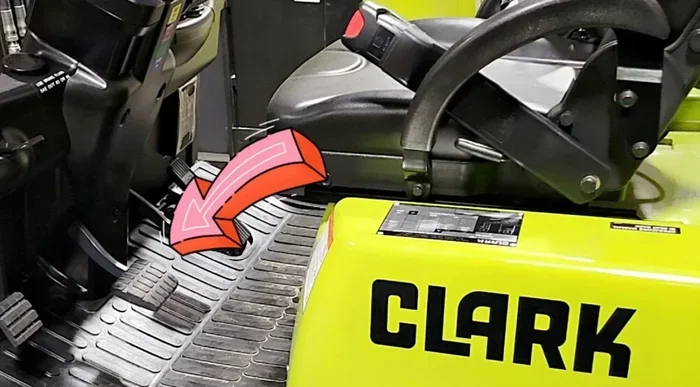
Do You Really Need to Use the Inching Pedal on a Forklift
The inching pedal on a forklift is a control that lets operators move the machine at very low speeds for precise positioning. You need it when you are stacking loads, navigating tight spaces, or handling fragile materials. Skipping it can lead to accidents, damaged goods, and safety violations in the workplace.
The inching pedal on a forklift is one of those controls that confuses a lot of operators. You see it on the floor, but you might wonder if you really need it. The short answer is yes, in most situations. But there are times when you can skip it. Understanding when and how to use this pedal makes a big difference in your daily work.
If you operate a forklift regularly, you know that precision matters. Whether you are stacking pallets on a high rack or moving through a crowded warehouse, control is everything. The inching pedal gives you that extra level of control when you need it most. This article breaks down everything you need to know about the inching pedal on a forklift. We will cover how it works, when to use it, common mistakes, and expert safety tips.
Key Takeaways
- The inching pedal allows for slow, precise forklift movement during delicate operations like stacking and loading.
- Using the inching pedal correctly reduces the risk of accidents, load damage, and workplace injuries.
- OSHA regulations require proper use of all forklift controls, including the inching pedal, as part of safe material handling.
- Not every situation requires the inching pedal. Use it for precision tasks and the accelerator for open-floor travel.
- Common mistakes include using the inching pedal for long distances, confusing it with the brake, and pressing too hard.
- Proper forklift training and daily inspections help operators master pedal control and maintain warehouse safety.
- Understanding hydraulic pressure and load capacity helps you use the inching pedal more effectively.
📑 Table of Contents
- What Is the Inching Pedal on a Forklift?
- When You Should Use the Inching Pedal on a Forklift
- When You Can Skip the Inching Pedal
- Comparison Table: Inching Pedal vs. Accelerator Pedal
- Common Mistakes Operators Make with the Inching Pedal
- Expert Tips for Safe Forklift Operation
- Key Takeaways
- Conclusion
What Is the Inching Pedal on a Forklift?
The inching pedal is a special control found on most counterbalance forklifts and warehouse forklifts. When you press it, the forklift moves at a very slow speed. This slow movement helps you position the machine with great accuracy. Think of it like a cruise control for slow, careful movements during material handling tasks.
Most forklifts have three pedals on the floor. The right pedal is the accelerator. The left pedal is the brake. The middle pedal, or sometimes a separate pedal, is the inching pedal. Not all forklifts have the same layout, so check your operator manual. Different models from brands like Toyota, Crown, and Hyster may arrange the pedals differently.
How the Inching Pedal Differs from the Brake Pedal
On many forklifts, the inching pedal also serves as the brake when you lift your foot off it. This dual function can confuse new operators. When you press the inching pedal down, the forklift moves forward or backward slowly. When you release it, the machine stops. This design lets you control speed without using the hand brake.
The brake pedal, on the other hand, brings the forklift to a full and immediate stop. It is for emergency stops and parking. The inching pedal is for fine-tuning your movement. Understanding this difference is key to safe forklift operation. Always take a moment to familiarize yourself with the pedal layout before starting your shift.
The Role of Hydraulic Pressure in Inching
The inching pedal works hand in hand with the forklift’s hydraulic system. When you press the pedal, it controls the flow of hydraulic fluid to the mast and wheels. This controlled flow is what gives you that smooth, slow movement. The hydraulic pressure adjusts based on how hard you press the pedal.
This connection between the inching pedal and the hydraulic lift is important. It lets you raise or lower the forks while moving at a crawl. This combination is essential for tasks like loading and unloading trucks. Proper hydraulic pressure ensures that your load stays stable and your movements stay smooth. If the hydraulic system is not working right, the inching pedal will not feel right either.
When You Should Use the Inching Pedal on a Forklift
There are specific situations where the inching pedal becomes your best friend. Knowing these moments can keep you safe and protect your loads. Let us walk through the most important times to use this pedal.
Stacking Loads on High Racks
When you place a pallet on a high rack, precision is critical. You cannot afford to bump into the rack or drop the load. The inching pedal lets you creep forward at a walking pace. This slow speed gives you time to align the forks with the pallet slots perfectly.
Many operators make the mistake of using the accelerator for this task. That is a common error. The accelerator delivers too much power. You might overshoot your target and damage the rack or the load. The inching pedal keeps everything under control. It gives you the precision positioning you need for safe and accurate stacking.
Navigating Narrow Aisles
Warehouse aisles can be very tight. In narrow aisle forklift operations, space is limited. You need every inch of clearance. The inching pedal helps you move through these tight spaces without scraping the racking or hitting other equipment.
This is especially true for reach trucks and order pickers. These machines operate in very confined areas. Using the inching pedal in these conditions gives you the fine control you need to work safely. Slow and steady movement prevents costly damage to racking systems and other warehouse equipment.
Loading and Unloading Trucks
When you load a forklift into a trailer or a truck bed, you need slow and steady movement. The inching pedal allows you to back the forks into the trailer at a controlled speed. You can adjust your position without sudden jerks.
This is also important for unloading. You want to place pallets gently onto the truck floor. A fast movement can shift the load or damage the truck’s interior. The inching pedal ensures a smooth and careful placement every time. It protects both your cargo and the vehicle you are working with.
Handling Fragile or Unbalanced Loads
Some loads are fragile. Think of glass products, electronics, or chemicals. These items need extra care during transport. The inching pedal lets you move the forklift at a crawl, reducing the risk of sudden movements that could damage the load.
Unbalanced loads are another reason to use the inching pedal. When the weight is not evenly distributed, the forklift can become unstable. Slow movement helps you maintain control and prevent tipping hazards. Always check the load capacity before lifting. Exceeding the rated capacity is dangerous, no matter how slowly you move.
When You Can Skip the Inching Pedal
Not every forklift task requires the inching pedal. Knowing when to skip it is just as important as knowing when to use it. Let us look at the situations where the inching pedal is not your main tool.
Moving Across Open Warehouse Floor
When you are traveling across a clear, open warehouse floor, you do not need the inching pedal. The accelerator pedal is the right choice for this. You want to move at a normal travel speed to get from one area to another efficiently.
Using the inching pedal for long distances is a waste of time. It slows you down unnecessarily. Save the inching pedal for the moments that truly need it. Think of it like driving a car. You would not use the lowest gear on a highway. Match your pedal choice to the task at hand.
Low-Speed Travel on Rough Terrain
On rough terrain forklift operations, the inching pedal may not be your primary tool. These machines are built for tough conditions. The standard pedals give you enough control for most rough terrain tasks. However, you might still use the inching pedal for very precise positioning on uneven ground.
The key is to match your pedal choice to the terrain and the task. Using the wrong pedal for the wrong situation can reduce your efficiency and safety. Always assess the ground conditions before you start moving.
Emergency Situations
In an emergency, you should reach for the brake pedal, not the inching pedal. The inching pedal is not designed for sudden stops. It is for controlled, slow movement. If you need to stop quickly, the brake pedal is your go-to control.
Knowing which pedal to use in an emergency can prevent serious accidents. Always keep your right foot ready over the brake pedal when you are operating a forklift. This habit alone can save lives.
Comparison Table: Inching Pedal vs. Accelerator Pedal
Let us look at how these two pedals compare. This table helps clarify when to use each one for better pedal control and operator safety.
| Feature | Inching Pedal | Accelerator Pedal |
|---|---|---|
| Speed Range | Very slow, crawl speed | Full travel speed |
| Precision | High precision positioning | General movement |
| Best For | Stacking, narrow aisles, loading | Open floor travel |
| Hydraulic Control | Yes, controls mast and wheels | No, wheels only |
| Load Safety | Reduces risk of load shift | Higher risk if used too fast |
| Operator Fatigue | Low for short tasks | Low for long distances |
This comparison shows that both pedals serve different purposes. A skilled forklift operator knows how to switch between them smoothly. The inching pedal gives you control when precision matters. The accelerator gets you where you need to go efficiently.
Common Mistakes Operators Make with the Inching Pedal
Even experienced operators sometimes make mistakes with the inching pedal. Being aware of these errors can save you from problems. Let us look at the most common ones.
Using the Inching Pedal for Long Distances
This is the most common mistake. The inching pedal is not meant for long-distance travel. It is designed for short, precise movements. Using it for extended periods slows you down and can cause operator fatigue. Your foot will also cramp, which reduces your control over the forklift.
Quick Tip: If you find yourself using the inching pedal for more than a few seconds, switch to the accelerator pedal. Reserve the inching pedal for moments that need precision. This simple habit will improve your efficiency and reduce fatigue.
Confusing the Inching Pedal with the Brake
As mentioned earlier, the inching pedal often doubles as the brake. But some operators confuse it with the dedicated brake pedal. This confusion can lead to delayed stops or unexpected movements. Always know which pedal is which on your specific forklift model.
Take a moment before each shift to review the pedal layout. This simple habit can prevent costly mistakes. If you are operating a new or unfamiliar forklift, ask your supervisor for a quick walkthrough of the controls.
Pressing the Inching Pedal Too Hard
The inching pedal is meant for gentle, gradual pressure. Pressing it too hard can cause sudden jerks. These jerks can shift your load or destabilize the forklift. In worst cases, it can lead to tip-over accidents. Always apply smooth and steady pressure to maintain control and ensure load stability.
Think of it like driving a car with a manual transmission. You want smooth, gradual inputs, not sudden ones. Your foot should always move gently on the inching pedal. This approach protects your load and keeps the forklift stable.
Expert Tips for Safe Forklift Operation
Safe forklift operation goes beyond just using the right pedals. Here are some expert insights that every operator should know. These tips will help you improve your skills and stay safe on the job.
Get Proper Forklift Training and Certification
No one should operate a forklift without proper forklift training and certification. OSHA regulations require all forklift operators to complete a certified training program. These programs teach you how to use every control on the machine, including the inching pedal.
Forklift certification is not just a legal requirement. It builds your confidence and competence. A well-trained operator is a safe operator. Look for training programs that cover all aspects of forklift operation, from basic controls to advanced load management techniques.
Perform Daily Forklift Inspections
Before you start your shift, inspect the forklift. Check the pedals for proper function. Make sure the inching pedal responds smoothly. If something feels off, report it immediately. A malfunctioning pedal can lead to loss of control.
Daily inspections are part of standard forklift maintenance. They catch small problems before they become big safety issues. Keep a checklist and go through it every single day. This habit builds a strong safety culture in your workplace.
Keep Your Load Stable and Secure
Load management is a huge part of forklift safety. Before you move, make sure the load is balanced and secure on the forks. An unstable load can tip over, even at low speeds. The inching pedal helps you move carefully, but it cannot fix a poorly loaded pallet.
Always check the load capacity of your forklift before lifting. Exceeding the rated capacity is dangerous, no matter how slowly you move. Distribute weight evenly and tilt the mast slightly backward for added stability during transport.
Maintain Awareness of Your Surroundings
Forklift operation is not just about controlling the machine. You need to stay aware of your surroundings at all times. Look in the direction you are traveling. Use your horn at blind corners. Keep pedestrians out of your path.
The inching pedal gives you control, but situational awareness keeps you safe. These two skills work together for safe warehouse operations. Always be on the lookout for obstacles, uneven floors, and other hazards in your path.
Key Takeaways
- The inching pedal allows for slow, precise forklift movement during delicate operations like stacking and loading.
- Using the inching pedal correctly reduces the risk of accidents, load damage, and workplace injuries.
- OSHA regulations require proper use of all forklift controls, including the inching pedal, as part of safe material handling.
- Not every situation requires the inching pedal. Use it for precision tasks and the accelerator for open-floor travel.
- Common mistakes include using the inching pedal for long distances, confusing it with the brake, and pressing too hard.
- Proper forklift training and daily inspections help operators master pedal control and maintain warehouse safety.
- Understanding hydraulic pressure and load capacity helps you use the inching pedal more effectively.
Conclusion
The inching pedal on a forklift is a tool that every operator should understand. It is not just another pedal on the floor. It is a control that gives you precision, safety, and confidence in your daily work. You do not need it for every move, but you need it for the right moments.
Whether you are stacking pallets on a high rack, loading a truck, or navigating a narrow aisle, the inching pedal helps you do the job right. Use it when precision matters. Skip it when you are just traveling across open space. And always remember that proper forklift training and regular maintenance go hand in hand with safe operation.
Mastering the inching pedal is a small step that makes a big difference. Take the time to learn it, practice it, and respect it. Your safety and the safety of those around you depend on it. Make the inching pedal a natural part of your forklift operation, and you will notice a real improvement in your work.
Frequently Asked Questions
Can you drive a forklift without using the inching pedal?
Yes, you can drive a forklift without using the inching pedal for general travel. The accelerator pedal handles most of your movement around the warehouse. However, you should use the inching pedal for tasks that require precision, like stacking loads or navigating narrow aisles. Skipping it entirely during those tasks can be unsafe.
Is the inching pedal the same as the brake on a forklift?
On many forklift models, the inching pedal also acts as the brake when you release it. But it is not the same as the dedicated brake pedal. The brake pedal brings the forklift to a full stop quickly. The inching pedal slows the machine down for precise control. Always check your forklift manual to understand the pedal layout.
Does every type of forklift have an inching pedal?
Most counterbalance forklifts and warehouse forklifts have an inching pedal. However, some smaller pallet jacks or hand-operated lifts may not have one. Rough terrain forklifts and reach trucks typically include an inching pedal. The best way to know is to check the operator manual for your specific forklift model.
What happens if you use the inching pedal too aggressively?
Pressing the inching pedal too hard can cause sudden jerks in movement. These jerks can shift your load or destabilize the forklift. In worst cases, it can lead to tip-over accidents. Always apply smooth and gentle pressure to maintain control and ensure load stability.
Do I need a forklift certification to use the inching pedal?
Yes, OSHA requires all forklift operators to have proper certification. A certified training program covers all forklift controls, including the inching pedal. You learn when and how to use each control safely. Operating a forklift without certification is both illegal and dangerous.
How can I improve my inching pedal control?
Practice in a safe, open area before tackling complex tasks. Start by pressing the pedal gently and slowly. Focus on smooth, gradual movements. Over time, you will develop a feel for how much pressure is needed. Regular forklift training sessions can also help you refine your pedal control skills.