Does a Hybrid Charge While Driving The Truth Revealed
So, does a hybrid charge while driving? The short answer is yes, but not the way most people think. Hybrid vehicles use a clever system called regenerative braking to recapture energy and top up the battery as you drive. However, self-charging hybrids cannot plug in, while plug-in hybrids give you the option to charge from an outlet too.
You have probably wondered about this at some point. Does a hybrid charge while driving? It is a question that pops up in every car enthusiast group, every YouTube comment section, and every conversation at the coffee shop. The answer is more interesting than a simple yes or no, and it involves some really smart engineering that has been around for decades.
Hybrid vehicles have been on the road since the late 1990s. Toyota launched the Prius and changed the automotive world forever. Since then, millions of drivers have embraced hybrid technology without fully understanding how the charging process works. Many people assume there is a charging cable involved. Others think the gasoline engine does all the work. The truth sits somewhere in between, and it is genuinely fascinating.
In this article, we will break down everything you need to know. We will cover how regenerative braking works, what self-charging hybrids are, how plug-in systems differ, and whether your driving habits affect energy recovery. By the end, you will have a crystal-clear picture of what happens under the hood of every hybrid vehicle on the road today.
Key Takeaways
- Hybrids do charge while driving: The regenerative braking system captures energy during deceleration.
- Self-charging hybrids rely on driving alone: You never need to plug them in to recharge the battery.
- Plug-in hybrids offer more flexibility: You can charge from an outlet and still benefit from regenerative braking.
- Charging speed depends on driving habits: Aggressive braking and hill descent generate more energy recovery.
- Hybrid battery size matters: Smaller batteries in standard hybrids charge faster through driving alone.
- Fuel efficiency improves with hybrid charging: The more the battery stays charged, the less the gas engine works.
- Myth busted: Hybrids do not charge on flat roads at steady speeds alone.
📑 Table of Contents
- How Does a Hybrid Vehicle Work?
- Regenerative Braking: The Heart of Hybrid Charging
- Self-Charging Hybrids vs Plug-In Hybrids
- Does a Hybrid Charge While Driving on the Highway?
- How Driving Habits Affect Hybrid Charging
- Common Myths About Hybrid Charging
- Expert Tips to Get the Most Out of Your Hybrid
- Conclusion
How Does a Hybrid Vehicle Work?
Before we dive into charging, it helps to understand the basic setup. A hybrid car combines two power sources. Most commonly, that means a gasoline engine and an electric motor. Some hybrids also use a diesel engine, but the gasoline-electric setup is by far the most popular.
The electric motor gets its power from a hybrid battery pack. This battery is much smaller than the one in a fully electric vehicle. A standard hybrid battery might hold 1 to 2 kilowatt-hours of energy. Compare that to an electric vehicle battery that can hold 60 or more kilowatt-hours. The small size is intentional. It keeps the car light and efficient.
The gasoline engine kicks in when you need extra power. It also helps keep the battery charged at a certain level. But the real magic happens when you slow down or brake. That is where the charging while driving comes into play.
The Role of the Electric Motor
The electric motor in a hybrid serves two purposes. First, it drives the car at low speeds using battery power. Second, it acts as a generator during braking. When you lift your foot off the accelerator or press the brake pedal, the motor reverses its role. Instead of using electricity, it creates electricity. This energy flows back into the battery pack and stores it for later use.
This process is called regenerative braking, and it is the core of how hybrids charge while driving. Without it, hybrid technology would not work nearly as well. The system captures energy that would otherwise be wasted as heat in traditional brake pads.
How the Gasoline Engine Supports Charging
In a standard hybrid, the gasoline engine does more than just propel the car forward. It also acts as a generator in certain conditions. When the battery drops below a specific charge level, the engine can spin the electric motor to generate electricity. This electricity then charges the battery. So the engine contributes to the charging while driving process in two ways: directly through motion and indirectly through energy generation.
This is why you never have to worry about plugging in a standard hybrid. The system keeps itself balanced. The battery management system monitors charge levels constantly and decides when to use the engine for charging and when to use pure electric power.
Regenerative Braking: The Heart of Hybrid Charging
If there is one thing that makes hybrids unique, it is regenerative braking. This system is the main reason your hybrid charges while driving. Let us look at how it works in detail.
When you drive at a steady speed on a flat highway, very little energy is regenerated. Your car is using momentum, and there is no need to slow down. But the moment you take your foot off the accelerator, the electric motor switches to generator mode. It creates resistance in the drivetrain, which slows the car down. At the same time, it produces electricity that flows into the hybrid battery.
When you hit the brake pedal, the system intensifies this process. Traditional friction brakes also engage, but the electric motor does the heavy lifting first. This is why hybrid brake pads tend to last longer than those in conventional cars. The regenerative system handles most of the braking workload.
When Does Regenerative Braking Work Best?
Not all driving situations generate the same amount of energy. Here are the scenarios where energy recovery is most effective:
- Heavy braking: The harder you slow down, the more electricity the motor generates.
- Downhill driving: Gravity pulls the car forward, and the motor resists that motion, creating a charging effect.
- Stop-and-go traffic: Frequent slowing and stopping means frequent energy recovery cycles.
- City driving: Urban routes with lots of intersections and traffic lights are ideal for regeneration.
On the flip side, regenerative braking does very little on long, flat stretches of road at a constant speed. This is a common misconception. People think their hybrid is charging all the time, but the reality is more nuanced. The system needs changes in speed to work effectively.
Can You Feel Regenerative Braking?
Yes, most drivers can feel it. When you lift off the accelerator in a hybrid, you might notice the car slowing down more than a conventional car would. This is the regenerative resistance at work. Some manufacturers let you adjust the level of regeneration. Toyota calls it B mode on many of its hybrids. When you engage B mode, the car maximizes energy recovery and slows down more aggressively.
This feature is especially useful on steep hills. Instead of riding the brakes, you can use B mode to control your speed while simultaneously charging the hybrid battery. It is a win-win situation that makes driving more efficient and safer.
Self-Charging Hybrids vs Plug-In Hybrids
The term “self-charging hybrid” has become very popular in marketing. But what does it really mean? And how does it differ from a plug-in hybrid? Let us break it down.
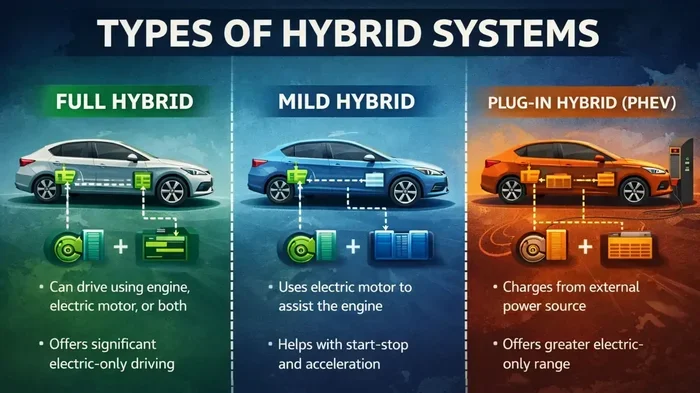
A self-charging hybrid relies entirely on regenerative braking and the gasoline engine to keep the battery charged. You never plug it into an electrical outlet. The car charges itself as you drive. Toyota’s Hybrid Synergy Drive system, found in the Prius and many other models, is the most well-known example of this approach.
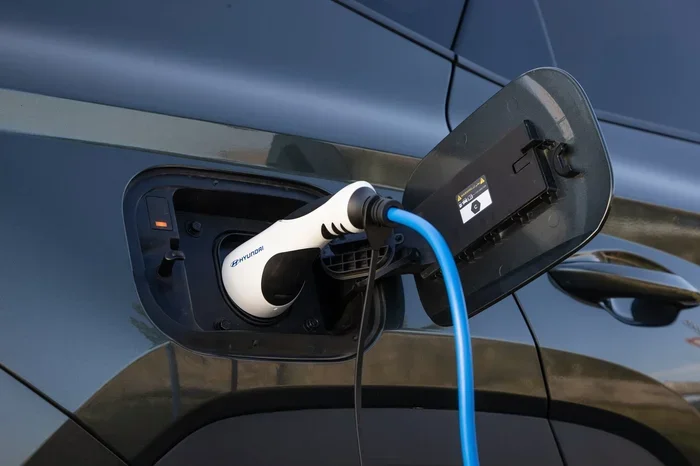
A plug-in hybrid, often called a PHEV, gives you the option to charge from an external power source. You can plug it into a wall outlet or a charging station. This allows the battery to reach a higher charge level before you start driving. Once the electric-only range is depleted, the car operates like a regular hybrid and uses regenerative braking to top up the battery while driving.
Key Differences at a Glance
| Feature | Self-Charging Hybrid | Plug-In Hybrid |
|---|---|---|
| External Charging | Not required | Required for full electric range |
| Battery Size | Small (1-2 kWh) | Larger (8-18 kWh) |
| Electric-Only Range | 1-2 miles | 20-60 miles |
| Charging While Driving | Yes, through regeneration | Yes, through regeneration |
| Fuel Economy | Excellent | Very good |
| Cost | Lower | Higher |
Both types of hybrids charge while driving through regenerative braking. The main difference is the battery size and the ability to plug in. If you want maximum electric-only driving, a plug-in hybrid is the better choice. If you want simplicity and no charging hassle, a self-charging hybrid works great.
Does a Hybrid Charge While Driving on the Highway?
This is one of the most common questions we get. The short answer is: it depends on your driving conditions. On a long, flat highway at a steady speed, very little regeneration occurs. The car is cruising, and there is no need to slow down. The gasoline engine handles most of the work in this scenario.
However, if you are driving on a hilly highway, the story changes. When you crest a hill and start descending, regenerative braking kicks in. The electric motor resists the downhill momentum and converts it into electricity. This charges the hybrid battery even at highway speeds. So highway driving is not completely useless for charging, but it is far less effective than city driving.
If you are someone who does mostly highway commuting, you might notice the battery charge level stays relatively stable. The gasoline engine keeps the battery at a minimum charge, and regeneration adds small amounts during downhill stretches and braking. Over time, these small contributions add up and help maintain fuel efficiency.
Tips for Maximizing Charge on Highway Drives
- Use cruise control wisely: On flat roads, cruise control maintains steady speed, which means less regeneration. On hilly roads, it can help smooth out energy recovery.
- Coast before stops: Lift off the accelerator early when you see a red light or slowdown. This lets the regenerative system do its work.
- Avoid hard braking: Smooth, gradual braking generates more consistent energy recovery than slamming on the brakes.
- Monitor your charge gauge: Watch the battery indicator to see when regeneration is active. Many hybrids show a rising charge bar during braking.
How Driving Habits Affect Hybrid Charging
Your driving style plays a bigger role in hybrid charging than most people realize. Aggressive drivers and gentle drivers get very different results from the same hybrid system. Here is how your habits influence energy recovery.
Smooth Driving Maximizes Efficiency
When you drive smoothly and anticipate traffic, you use regenerative braking more effectively. Instead of slamming on the brakes at the last second, you ease off the accelerator early. This gives the electric motor more time to capture energy and feed it back into the battery.
Smooth drivers also tend to use less gasoline overall. The hybrid system can keep the car in electric-only mode longer when the battery has sufficient charge. This creates a positive cycle: good driving habits lead to more charging, which leads to less fuel use, which leads to better efficiency.
Aggressive Driving Reduces Charging Benefits
On the other hand, aggressive driving hurts the charging process. Hard acceleration uses a lot of battery power. Then, when you finally brake hard, the regeneration system can only recover a fraction of that energy. The net loss is significant. You end up using more gasoline and getting less benefit from the electric motor.
Think of it like filling a bucket with a hole in the bottom. The harder you run, the more water you spill. A hybrid battery works similarly. You want to minimize the gaps between filling and draining, and smooth driving does exactly that.
City vs Country Driving
City driving is the best environment for a hybrid. The constant stops, starts, and slowdowns provide plenty of opportunities for regenerative braking. Country roads and open highways offer fewer chances to regenerate energy. If you live in a city, your hybrid will charge more effectively while driving than if you live in a rural area with long, straight roads.
This is why hybrids are so popular in urban areas. Cities like Los Angeles, New York, and London are perfect environments for hybrid technology. The stop-and-go traffic that frustrates many drivers is actually a gift for hybrid owners.
Common Myths About Hybrid Charging
There are a lot of misconceptions floating around about how hybrids charge. Let us clear up some of the most common ones.
Myth 1: Hybrids Charge While Parked
A standard self-charging hybrid does not charge while parked. The engine is off, and there is no motion to drive the regenerative system. Plug-in hybrids also do not charge while parked unless they are plugged into an electrical outlet. If you leave a plug-in hybrid unplugged, the battery will slowly lose charge over time.
Myth 2: You Can Overcharge a Hybrid Battery
This is simply not true. The battery management system in every hybrid prevents overcharging. When the battery reaches full capacity, the system stops accepting energy. The gasoline engine then takes over to power the car directly. You never need to worry about damaging the battery by charging it too much.
Myth 3: Hybrid Batteries Need Regular Replacement
Modern hybrid batteries are built to last the lifetime of the vehicle. Many Toyota hybrids have gone well beyond 200,000 miles without needing a battery replacement. The battery management system keeps the charge level within a safe range, which extends battery life significantly. Replacement is rare and usually only needed after many years of use.
Myth 4: Hybrids Are Just Gas Cars with a Bigger Battery
This is a fundamental misunderstanding of how hybrid technology works. A hybrid is not a gas car with a backup battery. It is a fully integrated system where the gasoline engine and electric motor work together seamlessly. The power-split device in many hybrids allows the car to draw power from either source or both simultaneously. This integration is what makes hybrids so efficient.
Expert Tips to Get the Most Out of Your Hybrid
Now that you understand how hybrid charging works, here are some practical tips to maximize your results.
- Learn your B mode: If your hybrid has a B mode or low setting, use it on hills and in heavy traffic. It increases regenerative braking and charges the battery faster.
- Watch your speed: Driving at moderate speeds is more efficient than going fast. Air resistance increases dramatically at high speeds, which drains both fuel and battery.
- Keep tires properly inflated: Underinflated tires create more rolling resistance, which means the engine and motor work harder. This reduces the efficiency of your entire hybrid system.
- Use EV mode when possible: Most hybrids let you drive on electric power alone at low speeds. Use this in parking lots and residential streets to save fuel.
- Plan your routes: If you have a choice between a flat route and a hilly one, the flat route is usually more efficient. However, hilly routes can actually charge the battery more through regeneration on descents.
- Keep the battery between 20% and 80%: While the car manages this automatically in most cases, being aware of your charge level helps you understand how the system works and when regeneration is active.
Conclusion
So, does a hybrid charge while driving? The answer is a clear yes. Through regenerative braking and the support of the gasoline engine, hybrid vehicles recover energy during everyday driving. This energy is stored in the hybrid battery pack and used to power the electric motor later.
Self-charging hybrids rely entirely on this process and never need to be plugged in. Plug-in hybrids offer the additional option of external charging but still benefit from regeneration while driving. Both types of hybrids use smart technology to make the most of every brake pedal press and every downhill stretch.
Your driving habits matter. City driving with frequent stops generates more charging than steady highway cruising. Smooth driving maximizes energy recovery, while aggressive driving wastes it. Understanding these dynamics helps you get the most out of your hybrid vehicle and enjoy better fuel economy for years to come.
The truth about hybrid charging is simple and elegant. The car does the work for you. You just need to understand how it works and drive in a way that supports the system. Once you do, you will wonder how you ever drove without it.
Frequently Asked Questions
Can a hybrid run on battery alone without the gasoline engine?
Yes, most hybrids can run on electric power alone at low speeds and short distances. The electric motor uses stored energy from the battery pack to propel the car. However, the range is limited, usually 1 to 2 miles for standard hybrids. The gasoline engine kicks in automatically when the battery charge drops or when you need more power.
How long does it take for a hybrid battery to charge while driving?
There is no fixed time because it depends on your driving conditions. In city traffic with lots of stops, the battery can maintain a healthy charge level throughout your trip. On a long highway drive, the battery may only gain small amounts of charge during braking and downhill stretches. The battery management system keeps the charge within an optimal range at all times.
Do plug-in hybrids charge while driving the same way as regular hybrids?
Yes, plug-in hybrids use the same regenerative braking system as regular hybrids. The difference is the battery size and the ability to charge from an external outlet. A plug-in hybrid can recover energy while driving, but it also has a larger battery that can be charged at home or at a charging station for extended electric-only driving.
Will my hybrid battery die if I never plug it in?
No. Self-charging hybrids are designed to maintain battery health without ever being plugged in. The gasoline engine and regenerative braking work together to keep the battery charged. The battery management system prevents deep discharge and overcharging, ensuring the battery stays healthy for the life of the vehicle.
Does cold weather affect hybrid charging while driving?
Yes, cold weather can reduce the efficiency of regenerative braking. Batteries perform less effectively in low temperatures, which means they accept less energy during regeneration. However, modern hybrid systems are designed to handle cold conditions. The gasoline engine compensates by providing extra power and helping to warm the battery.
Can you manually control how much the hybrid charges while driving?
You can influence charging by how you drive. Using B mode or low gear increases regenerative braking and charges the battery faster. Coasting early before stops also helps. However, you cannot override the battery management system. The car automatically decides how much charge to accept and when to use stored energy for propulsion.