Can You Turn Steering Assist Off And Why It Matters
Yes, you can turn steering assist off in most vehicles, but doing so changes how your car handles and responds. Steering assist, also known as power steering or electric steering boost, helps you turn the wheel with minimal effort. Understanding when and why to disable it can save you from costly repairs, improve vehicle control, and keep you safer on the road.
Have you ever been driving and noticed your steering feels unusually light or heavy? Maybe a warning light popped up on your dashboard, and you wondered what it all means. Can you turn steering assist off? The short answer is yes. But the real question is whether you should.
Modern vehicles come loaded with electronic systems designed to make driving easier and safer. Steering assist is one of those features that most drivers take for granted every single day. It works behind the scenes, quietly helping you navigate turns, park in tight spaces, and maintain control at low speeds. But when this system malfunctions or when you want more direct road feel, knowing how to turn it off becomes essential.
In this guide, we will walk you through everything you need to know about disabling steering assist. We will cover how the system works, why you might want to turn it off, the risks involved, and what to do when your steering assist fails unexpectedly. Whether you are a daily commuter, a weekend racer, or just someone who wants more control over your car, this article has you covered.
Key Takeaways
- Steering assist is a standard feature in modern cars that reduces the effort needed to turn the steering wheel.
- You can usually turn steering assist off through a button, fuse removal, or diagnostic tool depending on your vehicle.
- Disabling steering assist makes the wheel much harder to turn, especially at low speeds and during parking maneuvers.
- Steering assist failure can trigger warning lights and should be addressed immediately for safety reasons.
- There are valid reasons to disable steering assist, including racing, towing, and certain emergency situations.
- Regular maintenance keeps your steering system healthy and prevents unexpected assist loss.
- Understanding your vehicle’s steering system empowers you to make smarter driving decisions.
📑 Table of Contents
- What Is Steering Assist and How Does It Work?
- Can You Turn Steering Assist Off? Yes, Here Is How
- Why Would You Want to Turn Steering Assist Off?
- What Happens When You Turn Steering Assist Off?
- Common Steering Assist Problems and Warning Signs
- How to Fix Steering Assist Problems
- Is It Safe to Drive Without Steering Assist?
- Quick Tips for Managing Steering Assist
- Expert Insights on Steering Assist Systems
- Frequently Asked Questions
- Conclusion
What Is Steering Assist and How Does It Work?
Before we dive into turning steering assist off, let us understand what it actually is. Steering assist is a system that helps you turn your steering wheel with less physical effort. It uses either hydraulic fluid or electric motors to boost the force you apply to the steering wheel.
Most cars built after 2010 use electric power steering (EPS). This system relies on a small electric motor that kicks in when you turn the wheel. The car’s computer detects how much force you are applying and adds the right amount of assistance. The result is smooth, effortless steering whether you are cruising on the highway or maneuvering into a parking spot.
Older vehicles use hydraulic power steering. A pump driven by the engine pushes fluid through a series of hoses and valves to help you turn. This system provides a more natural road feel but requires regular maintenance, including fluid checks and hose inspections.
Types of Steering Assist Systems
Not all steering assist systems are the same. Here are the main types you will find in vehicles today:
- Electric Power Steering (EPS): Uses an electric motor to provide steering boost. It is the most common system in modern cars.
- Hydraulic Power Steering (HPS): Uses engine-driven hydraulic fluid to assist steering. Found in older and some performance vehicles.
- Electro-Hydraulic Steering (E-HPS): A hybrid system that combines electric and hydraulic components for better efficiency.
- Variable Ratio Steering: Adjusts the steering ratio based on speed, giving you more assist at low speeds and less at high speeds.
- Active Steering Systems: Advanced systems found in luxury and performance cars that can adjust steering angle and assist level automatically.
Each type has its own way of delivering assist, and each can be disabled in different ways. Understanding which system your car uses is the first step toward knowing how to manage it.
Can You Turn Steering Assist Off? Yes, Here Is How
The answer to the question “can you turn steering assist off” is a definite yes. However, the method varies depending on your vehicle make, model, and year. Let us explore the different ways to disable steering assist.
Method 1: Steering Assist Disable Button
Some vehicles, especially trucks and SUVs, come with a dedicated steering assist off button. This is usually located on the left side of the steering column or on the dashboard near the driver’s door. Pressing this button reduces or completely eliminates the steering boost.
For example, certain Ford and Chevrolet models offer a steering mode setting that lets you choose between comfort mode and sport mode. In sport mode, the assist level drops significantly, giving you a heavier, more responsive steering feel. This is popular among drivers who want a more connected experience with the road.
Method 2: Removing the Steering Assist Fuse
In vehicles without a dedicated button, you can disable steering assist by removing the power steering fuse. Check your owner’s manual for the fuse box location and the specific fuse associated with the steering system.
Keep in mind that removing a fuse is a temporary solution. The steering will become significantly harder to turn, which can be dangerous if you are not prepared for it. This method is best used for diagnostic purposes or short-term situations.
Method 3: Using an OBD-II Diagnostic Tool
For a more precise approach, you can use an OBD-II scanner to access the steering control module. These tools allow you to view error codes, reset the system, and in some cases, disable specific features like steering assist.
Professional mechanics and automotive enthusiasts often use this method. It provides detailed information about the steering system’s health and lets you make adjustments without physically modifying the vehicle.
Method 4: Disconnecting the Electric Motor
In electric power steering systems, you can physically disconnect the steering assist motor. This is a more advanced method and should only be done by someone with automotive knowledge. Once disconnected, the steering reverts to manual operation, requiring much more effort to turn.
Why Would You Want to Turn Steering Assist Off?
You might be wondering why anyone would want to turn off a feature designed to make driving easier. There are actually several valid reasons why drivers choose to disable steering assist.
Racing and Track Driving
On a racetrack, steering assist can actually work against you. The added boost can make the steering feel vague and unresponsive. Many track drivers prefer to turn steering assist off so they can feel every bump, corner, and shift in weight through the steering wheel. This direct feedback helps them make precise adjustments at high speeds.
Towing Heavy Loads
When you are towing a heavy trailer, the extra weight puts significant stress on your vehicle’s steering system. Some drivers choose to reduce or disable steering assist to maintain better control. The heavier steering feel gives them a stronger sense of the trailer’s movement and helps prevent overcorrection.
Steering Assist Failure or Malfunction
Sometimes the steering assist system fails, and the warning light appears on your dashboard. In these cases, you may need to turn the system off temporarily while you diagnose the problem. A steering assist failure can be caused by a faulty sensor, a dead battery, a wiring issue, or a damaged motor.
Emergency Situations
In rare emergency situations, a malfunctioning steering assist system can actually make the steering wheel jerk or behave unpredictably. Disabling the assist in these moments can help you maintain control until you can safely pull over.
Personal Preference for Road Feel
Some drivers simply prefer a more natural steering feel. They do not like the artificial lightness that power steering provides and want to feel more connected to the road. Disabling steering assist gives them exactly that.
What Happens When You Turn Steering Assist Off?
Turning off steering assist is not something to take lightly. The changes to your driving experience are immediate and significant. Here is what you can expect.
Heavier Steering Wheel
The most obvious change is that your steering wheel becomes much harder to turn. At low speeds, such as when parking or making U-turns, you will need to put in considerably more physical effort. This can be especially challenging for drivers with reduced upper body strength or those who are not used to driving without assist.
Reduced Comfort on Long Drives
Without steering assist, long drives become physically tiring. Your arms, shoulders, and hands will work much harder to keep the car on course. This fatigue can affect your concentration and overall driving safety.
Improved Road Feedback
On the positive side, turning off steering assist gives you a much better sense of what the front tires are doing. You will feel road texture, camber changes, and grip levels more clearly. Many driving enthusiasts value this feedback above all else.
Increased Steering Effort at Low Speeds
One of the biggest challenges is maneuvering at low speeds. Parallel parking, three-point turns, and navigating tight spaces all require significantly more effort without steering assist. This is something to consider before you decide to disable the system.
Common Steering Assist Problems and Warning Signs
Steering assist systems are reliable, but they can develop problems over time. Knowing the warning signs can help you address issues before they become serious safety concerns.
Steering Assist Warning Light
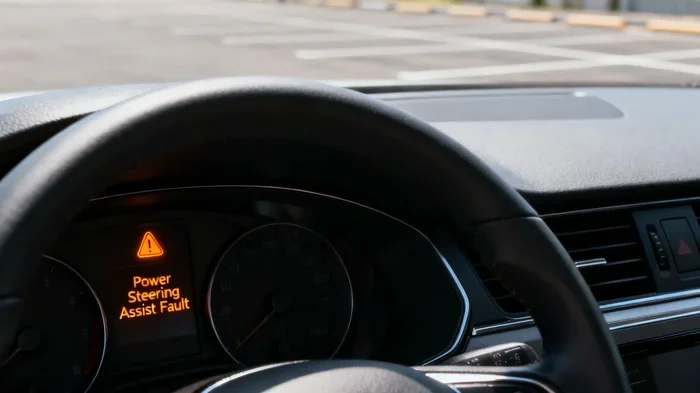
The most common sign of a steering assist problem is a warning light on the dashboard. This light usually looks like a steering wheel with an exclamation mark. When it appears, it means the system has detected a fault and may not be providing proper assistance.
Stiff or Heavy Steering
If your steering suddenly becomes very hard to turn, the assist system may have failed. This can happen due to a loss of power, a faulty sensor, or a problem with the electric motor. Do not ignore stiff steering — it is a clear sign that something is wrong.
Intermittent Steering Assist
Sometimes the steering assist works inconsistently. It might be fine for a few minutes and then suddenly stop working. This points to an electrical issue, possibly a loose connection, a failing sensor, or a problem with the vehicle’s computer.
Unusual Noises When Turning
Grinding, whining, or clicking noises when you turn the steering wheel are never good signs. In hydraulic systems, these sounds often indicate low fluid levels or a failing pump. In electric systems, they may point to a motor or gear problem.
Steering Assist Failure After Battery Replacement
Interestingly, replacing your car battery can sometimes cause a steering assist failure. This happens because the new battery may need to be re-registered or the system needs a reset. If you notice steering problems after a battery change, check the system with a diagnostic tool before assuming the worst.
How to Fix Steering Assist Problems
If you are experiencing steering assist issues, there are several steps you can take to troubleshoot and fix the problem.
- Check the Power Steering Fluid: For hydraulic systems, low fluid levels are a common cause of steering assist problems. Top off the fluid and look for leaks in the hoses and connections.
- Inspect the Electrical Connections: For electric systems, check the wiring harness and connectors leading to the steering motor. Corrosion or loose connections can cause intermittent failures.
- Reset the System: Disconnect the car battery for about 15 minutes, then reconnect it. This can reset the steering control module and clear minor error codes.
- Use a Diagnostic Scanner: An OBD-II scanner can read error codes specific to the steering system. These codes will point you toward the root cause of the problem.
- Replace Faulty Sensors: If the diagnostic scan reveals a bad sensor, replacing it is usually straightforward and affordable.
- Consult a Professional Mechanic: For complex issues, especially those involving the steering motor or control module, it is best to seek professional help.
Regular maintenance is the best way to prevent steering assist problems. Keep your fluid levels topped off, inspect electrical connections during routine service, and address warning lights promptly. A well-maintained steering system will serve you reliably for years.
Is It Safe to Drive Without Steering Assist?
Driving without steering assist is technically possible, but it comes with significant risks. The steering wheel becomes very heavy, especially at low speeds and during sharp turns. This can be exhausting and may lead to delayed reactions in emergency situations.
If your steering assist fails while you are driving, the safest approach is to gradually reduce your speed and pull over to a safe location. Do not attempt to drive long distances without assist. Have the vehicle towed to a mechanic if necessary.
For short distances, such as moving the car out of a dangerous position, driving without assist is manageable. But for any extended driving, it is not recommended. Your safety and the safety of others on the road should always come first.
Quick Tips for Managing Steering Assist
- Read your vehicle owner’s manual to understand how your specific steering assist system works.
- Never ignore a steering assist warning light — address it immediately.
- Keep your power steering fluid at the proper level if your car uses a hydraulic system.
- Have the steering system inspected during every oil change or scheduled service.
- If you disable steering assist, practice driving in a safe, empty area first.
- Re-enable steering assist as soon as possible after troubleshooting or testing.
- Keep an OBD-II scanner in your garage for quick diagnostics.
Expert Insights on Steering Assist Systems
Automotive experts agree that steering assist systems have revolutionized the driving experience. Modern electric power steering is incredibly reliable and requires far less maintenance than older hydraulic systems. However, when problems do arise, they can be more complex to diagnose and repair.
According to automotive engineers, the trend in the industry is moving toward fully adaptive steering systems that adjust the level of assist based on driving conditions, speed, and driver input. These smart systems promise even better control and safety, but they also add complexity that can make troubleshooting more challenging.
Experienced mechanics recommend that drivers familiarize themselves with their vehicle’s steering system basics. Knowing how it works and what to do when it fails can save you time, money, and potentially prevent accidents on the road.
Frequently Asked Questions
Can you turn steering assist off on all vehicles?
Not all vehicles have a built-in option to turn steering assist off. Most modern cars do not include a steering assist disable button. However, you can usually disable it by removing the power steering fuse or using a diagnostic tool. Check your vehicle’s manual or consult a mechanic for the specific method that applies to your car.
What causes steering assist to fail suddenly?
Sudden steering assist failure is often caused by a dead battery, a faulty steering angle sensor, a damaged electric motor, or a wiring issue. In hydraulic systems, a broken pump or lost fluid can also cause immediate failure. If your steering assist stops working, pull over safely and have the vehicle inspected.
Is it bad to drive without steering assist?
Driving without steering assist is not ideal and can be dangerous, especially at low speeds or in emergency situations. The steering wheel becomes very heavy, which can cause fatigue and slower reaction times. Only drive without assist for short distances to reach a safe location or mechanic.
Can a dead battery cause steering assist problems?
Yes, a dead or weak battery is one of the most common causes of steering assist issues. The electric power steering system relies on electrical power, and a low battery voltage can cause the system to malfunction or shut off entirely. Replacing or recharging the battery often resolves the problem.
How much does it cost to repair a steering assist system?
The cost varies widely depending on the problem. A simple sensor replacement might cost between $150 and $300. A new steering motor can range from $400 to $1,200 including labor. Hydraulic system repairs involving fluid leaks or pump failure can cost $500 to $2,000 or more. Always get a detailed quote from a trusted mechanic.
Can I drive with the steering assist warning light on?
You should avoid driving with the steering assist warning light on if possible. The light indicates that the system is not functioning correctly, and your steering may become unexpectedly heavy or unresponsive. Have the vehicle diagnosed and repaired before driving it normally.
Conclusion
The question “can you turn steering assist off” has a clear answer: yes, you can. Whether you want to disable it for a better driving experience, because of a system failure, or for a specific driving situation, understanding how steering assist works and how to manage it puts you in control of your vehicle.
Steering assist is a valuable feature that makes everyday driving more comfortable and safer. But like any electronic system, it can develop problems that require attention. By staying informed about how your steering system works, recognizing warning signs early, and knowing when to seek professional help, you can keep your car steering smoothly for years to come.
Take the time to learn about your specific vehicle’s steering system. Read the manual, keep up with maintenance, and never ignore warning signs. Your steering system is one of the most critical safety features in your car, and understanding it is one of the best things you can do as a driver.