Can I Still Drive With a P0171 Code and Worry Less
Yes, you can usually still drive with a P0171 code, but ignoring it may lead to bigger engine problems over time. This code means your engine has a lean fuel mixture, which happens when there is too much air or not enough fuel. Understanding the causes and symptoms helps you decide whether to keep driving or pull over safely. We will cover everything from diagnosis to repair so you can handle this with confidence.
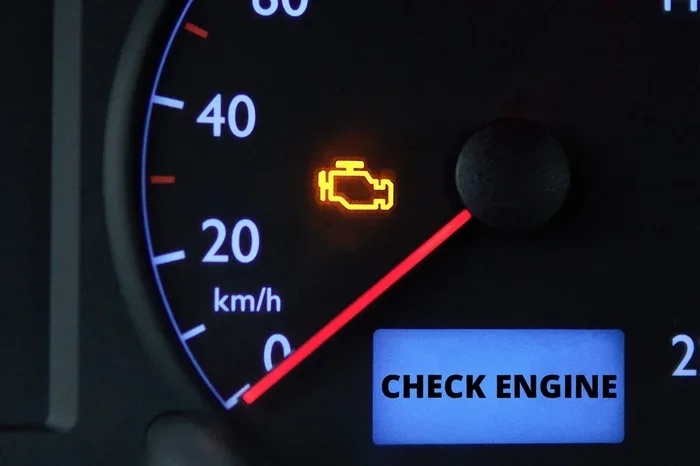
Your check engine light just came on, and when you plugged in your OBD-II scanner, it confirmed what you feared — a P0171 code. Maybe you are on your way to work, running errands, or halfway through a road trip. The last thing you want is your car breaking down on you. So the big question is, can you still drive with a P0171 code? The honest answer is yes, but with some important caveats. Let us walk through everything you need to know so you can make the right call for your situation.
A P0171 code is one of the most common trouble codes that mechanics and DIYers encounter. It tells you that the fuel system in bank one of your engine is running lean. That means the air-fuel ratio has too much air and not enough fuel. Your engine needs a precise balance to run smoothly, and when that balance tips, your performance suffers. The good news is that many causes are easy to fix, and understanding them puts you in control of the situation.
Key Takeaways
- You can drive short distances with a P0171 code, but avoid long trips until you fix the issue.
- A lean fuel mixture is the core problem, meaning too much air and not enough fuel enters the engine.
- Common causes include vacuum leaks, faulty oxygen sensors, dirty MAF sensors, and weak fuel pumps.
- Symptoms to watch for include rough idling, reduced fuel economy, engine misfires, and hesitation during acceleration.
- Simple fixes like replacing an air filter or cleaning a MAF sensor can resolve the issue affordably.
- Ignoring the code can damage your catalytic converter and lead to expensive repairs.
- Regular maintenance keeps your fuel system healthy and prevents the P0171 code from returning.
📑 Table of Contents
- What Does the P0171 Code Actually Mean?
- Can You Really Drive With a P0171 Code?
- Common Causes of the P0171 Code
- Symptoms You Should Watch For
- How to Fix the P0171 Code
- Quick Tips to Handle a P0171 Code
- Common Mistakes People Make With a P0171 Code
- Can a P0171 Code Cause Long-Term Engine Damage?
- Preventing the P0171 Code From Returning
- Expert Insight: What Mechanics Wish You Knew
- Conclusion
What Does the P0171 Code Actually Mean?
Before you decide whether to keep driving, it helps to understand what the P0171 code is telling you. When your car’s powertrain control module detects that bank one has a lean condition, it sets off this specific diagnostic trouble code. Bank one refers to the side of your engine where cylinder number one sits. The powertrain control module constantly monitors your engine’s performance through a network of sensors, and when something is off, it flags it.
How the Air-Fuel Ratio Works
Your engine runs best when the air-fuel mixture sits at a ratio of about 14.7 parts air to one part fuel. This is called the stoichiometric ratio. When the air-fuel ratio drifts too far toward lean — meaning too much air relative to fuel — the P0171 code gets triggered. Your engine control module adjusts fuel delivery constantly to maintain this balance, but sometimes something interferes with that process.
Short-Term vs Long-Term Fuel Trim
Two important numbers your scanner shows are short-term fuel trim and long-term fuel trim. These values tell you how much your engine is adjusting the fuel mix. If you see short-term fuel trim values above plus 10 to 15 percent, your engine is compensating for a lean condition. Long-term fuel trim gives you a bigger picture of what has been happening over time. Both numbers can help you pinpoint whether the P0171 code is a new problem or an ongoing one.
Can You Really Drive With a P0171 Code?
The direct answer is yes, you can generally still drive with a P0171 code. Your car will not shut down or stop working just because this code appeared. However, that does not mean you should treat it casually. Driving with a P0171 code for a short distance — like getting to a nearby mechanic — is usually fine. But if you are planning a long highway trip, you want to be more cautious.
Short-Distance Driving vs Long Trips
For short trips around town, a P0171 code is manageable. Your engine will still run, even if not at peak performance. You might notice some rough spots, but you will likely get where you are going safely. For longer drives, the risk increases. A lean condition can cause your engine to run hotter than normal, which puts extra stress on internal components over time.
When You Should Pull Over Immediately
There are situations where you should not keep driving at all. If you notice your engine stalling, severe misfires, or a dramatic loss of power, pull over safely. These symptoms suggest the lean condition is serious and could cause further damage. Also, if you hear unusual knocking sounds from the engine, stop and call for help. Trust your instincts — you know your car better than anyone.
Common Causes of the P0171 Code
Figuring out what triggered the P0171 code is the next step. There are several possible culprits, and some are much more common than others. Understanding these causes helps you narrow down the problem and decide on the best fix.
Vacuum Leaks
A vacuum leak is the number one most common cause of a P0171 code. Your engine relies on a sealed system to measure and control the air entering the cylinders. When a vacuum hose cracks, gets loose, or develops a hole, extra air sneaks in without being measured. This throws off the air-fuel ratio and creates a lean condition. Vacuum leaks can happen in older cars especially, but they can affect any vehicle. Common spots include the intake manifold gasket, brake booster hose, and PCV valve connections.
Dirty or Faulty Mass Airflow Sensor
The mass airflow sensor, often called the MAF sensor, measures how much air enters your engine. If this sensor gets dirty or fails, it sends incorrect readings to the engine control module. The result? Your engine may not get enough fuel because it does not think enough air is coming in. A dirty MAF sensor is a surprisingly common and easy fix. A simple cleaning with MAF sensor cleaner spray can often restore proper function.
Oxygen Sensor Problems
Your oxygen sensor monitors how much oxygen is left in your exhaust gases. It sends this data back to the powertrain control module, which uses it to adjust the fuel mix. When an oxygen sensor goes bad, it can send incorrect readings that cause the engine to run lean. Oxygen sensors wear out over time, especially in higher-mileage vehicles. Replacing one is a straightforward repair that most mechanics handle quickly.
Fuel System Issues
Sometimes the problem is simply that not enough fuel is reaching the engine. A weak fuel pump, clogged fuel injector, or faulty fuel pressure regulator can all restrict fuel delivery. If your fuel pump is struggling, you might also notice hesitation during acceleration or difficulty starting the engine. Checking fuel pressure with a gauge is a quick way to rule out fuel system problems as the cause of your P0171 code.
Air Filter and Intake Issues
A clogged or dirty air filter might seem like it would cause a rich condition, but in some cases it can restrict airflow enough to confuse the sensors. This leads to incorrect fuel calculations and a lean condition. Replacing your engine air filter is one of the cheapest and easiest maintenance tasks you can do, and it is worth checking when you get a P0171 code.
Exhaust Leaks
An exhaust leak before the oxygen sensor can also trigger a P0171 code. If exhaust gases are escaping through a crack or loose connection, the oxygen sensor reads the wrong oxygen levels. This causes the engine control module to adjust the fuel mix incorrectly. Exhaust leaks are common near the manifold and can often be heard as a ticking or hissing sound from the engine bay.
Symptoms You Should Watch For
Knowing the symptoms of a P0171 code helps you catch the problem early and avoid worsening damage. Some signs are obvious, while others are subtle. Here is what to look for:
- Rough or unstable idle — Your engine might shake or sound uneven when sitting at a stoplight.
- Reduced fuel economy — A lean condition often causes your engine to burn more fuel than normal.
- Engine misfires — You may feel a jerking sensation or hesitation when accelerating.
- Check engine light — This is the most obvious sign, but it does not always come with noticeable symptoms.
- Difficulty starting — A severely lean mixture can make your engine hard to turn over.
- Hesitation during acceleration — You might feel a delay or stumbling when you press the gas pedal.
- Unusual exhaust smell — A lean condition can produce a different odor from your tailpipe.
If you notice any combination of these symptoms along with a P0171 code, it is worth addressing the issue sooner rather than later. Even if your car seems to run okay, a persistent lean condition can cause wear on your engine over time.
How Severe Are These Symptoms?
The severity varies depending on what is causing the P0171 code. A small vacuum leak might only cause a slight rough idle that you barely notice. But a failing fuel pump or a major exhaust leak can cause significant drivability problems. Use your judgment — if something feels off, get it checked. Your ears and your seat are better diagnostic tools than you might think.
How to Fix the P0171 Code
Once you understand what is causing your P0171 code, fixing it becomes much more manageable. The approach depends on the root cause, so start with a proper diagnosis. Here is a step-by-step look at how to handle the most common fixes.
Step 1: Check for Vacuum Leaks
Start by inspecting all your vacuum hoses and connections. Look for cracked, brittle, or disconnected hoses. You can also use a smoke test tool, which blows smoke into the intake system and reveals leaks visually. This is one of the fastest ways to find a vacuum leak, and many auto parts stores will do this test for free or a small fee.
Step 2: Clean the MAF Sensor
Remove your mass airflow sensor and clean it carefully with MAF sensor cleaner. Do not touch the delicate wires inside. Let it dry completely before reinstalling. This simple step resolves a surprising number of P0171 code cases. After cleaning, clear the code with your scanner and take a test drive to see if it returns.
Step 3: Inspect the Oxygen Sensor
Check your oxygen sensor for damage or excessive wear. On most vehicles, the upstream oxygen sensor — the one before the catalytic converter — is the most likely to fail. If your sensor is old or showing signs of damage, replacing it is a smart move. The cost is usually reasonable, and it eliminates one of the most common triggers for a lean condition.
Step 4: Test Fuel Pressure
Attach a fuel pressure gauge to your fuel rail and compare the reading to your vehicle’s specifications. Low fuel pressure points to a weak fuel pump, a clogged fuel filter, or a faulty fuel pressure regulator. Each of these has its own repair path, but catching a fuel delivery problem early prevents further engine stress.
Step 5: Replace the Air Filter
Do not overlook the basics. A dirty air filter restricts airflow and can confuse your engine’s sensors. Replacing it costs just a few dollars and takes about five minutes. If your air filter has not been changed in a long time, this is the easiest first step when dealing with a P0171 code.
Step 6: Check for Exhaust Leaks
Inspect the exhaust system visually, paying close attention to areas near the exhaust manifold and oxygen sensor. Listen for hissing or ticking sounds while the engine is running. If you find a leak, it can often be repaired by tightening a clamp or replacing a gasket. More severe cracks may require welding or section replacement.
Quick Tips to Handle a P0171 Code
- Do not panic. A P0171 code is common and often fixable without major expense.
- Start with the simplest fixes — air filter, MAF sensor cleaning, and vacuum hose inspection.
- Use a quality OBD-II scanner to monitor your fuel trim values in real time.
- Take short test drives after each repair to see if the code returns before moving to the next fix.
- Keep your maintenance records up to date so you can track patterns that might point to recurring issues.
- Address the code promptly. Even if your car drives fine, a persistent lean condition can damage your catalytic converter over time.
Common Mistakes People Make With a P0171 Code
When drivers see a P0171 code, they often make mistakes that either worsen the problem or waste money. Here are the most common ones to avoid.
- Ignoring the code entirely. A P0171 code will not fix itself. Over time, a lean condition can damage your catalytic converter and other expensive components.
- Replacing parts without diagnosis. Buying a new oxygen sensor or fuel pump without proper testing wastes money. Always diagnose first.
- Using cheap aftermarket parts. Low-quality sensors and filters can fail quickly and may trigger the same P0171 code again.
- Clearing the code without fixing the root cause. If the underlying problem remains, the code will return, often with more severe symptoms.
- Delaying repairs. What starts as a minor vacuum leak can lead to engine misfires and reduced performance if left unaddressed.
Avoiding these mistakes saves you time, money, and frustration. A methodical approach to diagnosing and fixing the P0171 code is always the best path forward.
Can a P0171 Code Cause Long-Term Engine Damage?
This is a question many car owners ask, and the answer depends on how long you drive with the code active. A P0171 code means your engine is running lean, which creates several potential problems if left unresolved.
Over time, a lean mixture causes your engine to run hotter than designed. Excessive heat can lead to engine misfires, increased wear on pistons and valves, and in severe cases, engine damage. The catalytic converter is also at risk. When unburned oxygen passes through the exhaust system in large amounts, it overheats the catalytic converter, which can lead to premature failure. Replacing a catalytic converter is one of the most expensive repairs on any vehicle, often costing over a thousand dollars.
The good news is that most people address a P0171 code well before it reaches that stage. By taking action when the code first appears, you protect your engine and your wallet. Think of the P0171 code as an early warning system — it is your car telling you something needs attention, and listening is always the smart move.
How Much Does It Cost to Fix?
Repair costs vary widely depending on the cause. Cleaning a MAF sensor costs just the price of cleaner, around ten to fifteen dollars. Replacing an air filter runs about fifteen to thirty dollars. A vacuum leak repair might cost fifty to two hundred dollars depending on the location. Oxygen sensor replacement typically runs one hundred to three hundred dollars including parts and labor. Fuel pump replacement can be more expensive, ranging from four hundred to eight hundred dollars. The key takeaway is that early diagnosis keeps costs low.
Preventing the P0171 Code From Returning
Once you have fixed the P0171 code, you want to keep it from coming back. Regular maintenance is your best defense. Here is what works:
- Change your air filter at the recommended intervals or sooner if you drive in dusty conditions.
- Use quality fuel from reputable stations to keep your fuel injectors clean and functioning properly.
- Inspect vacuum hoses during routine maintenance, especially on higher-mileage vehicles.
- Replace your oxygen sensor on schedule, typically every sixty thousand to one hundred thousand miles.
- Address check engine lights promptly — do not wait for multiple symptoms to appear before taking action.
- Keep up with regular tune-ups including spark plug replacement and fuel system cleaning.
Staying proactive with your maintenance schedule dramatically reduces the chance of seeing a P0171 code again. A well-maintained engine runs efficiently, delivers better engine performance, and avoids the lean conditions that trigger trouble codes.
Expert Insight: What Mechanics Wish You Knew
Experienced mechanics often see the same mistakes repeated with P0171 codes. The most common one is assuming the code points to a single problem. In reality, a P0171 code can have multiple causes, and the only way to find the right one is through systematic diagnosis. Experienced technicians always start with the simplest and least expensive possibilities — vacuum leaks, dirty sensors, and air filters — before moving to more complex repairs like fuel pump or fuel injector replacement.
Another piece of advice from the pros is to pay attention to your fuel trim numbers. They tell a story about what your engine is experiencing, and a good mechanic will use them to guide the diagnostic process. If you are taking your car to a shop, asking about fuel trim readings shows that you are engaged and informed, which often leads to better communication and more honest service.
Finally, do not underestimate the value of a second opinion. If a mechanic recommends an expensive repair for a P0171 code and you are not sure, getting a second diagnostic opinion is perfectly reasonable. Most reputable shops will not mind this approach, and it can save you from unnecessary work.
Conclusion
So, can you still drive with a P0171 code? Yes, you can, but you should not treat this as a long-term solution. A P0171 code means your engine is running lean, and driving with that condition for too long risks damage to expensive components like your catalytic converter. The best approach is to diagnose the cause as soon as possible and address it with the appropriate fix. Whether it is a simple vacuum leak, a dirty MAF sensor, or a more involved fuel system repair, taking action quickly keeps your car running well and your repair costs down. Use the tips and information in this guide to handle the situation confidently and keep your engine healthy for miles to come.
Frequently Asked Questions
How far can I drive with a P0171 code?
You can typically drive short distances, around 30 to 50 miles, with a P0171 code without causing immediate harm. However, you should avoid long highway trips until you diagnose and fix the underlying cause. The longer you drive with a lean condition, the more stress it puts on your engine and exhaust system.
Is it safe to drive with a P0171 code at highway speeds?
Driving at highway speeds with a P0171 code is generally not recommended. The increased engine load can worsen the lean condition and cause overheating or misfires. If you must drive on the highway, keep your speed moderate and watch for any signs of engine distress like stalling or severe hesitation.
What is the most common cause of a P0171 code?
The most common cause is a vacuum leak, which allows extra unmetered air into the engine and throws off the air-fuel ratio. Other frequent causes include a dirty MAF sensor, a faulty oxygen sensor, and fuel delivery problems like a weak fuel pump or clogged fuel injector.
Can a P0171 code cause my car to stall?
Yes, in some cases a P0171 code can cause stalling, especially if the lean condition is severe. When your engine does not get enough fuel relative to air, it can misfire or stall, particularly at idle or during low-speed driving. If your car stalls, pull over safely and seek diagnosis.
How much does it cost to fix a P0171 code?
Costs range widely depending on the cause. Simple fixes like replacing an air filter or cleaning a MAF sensor cost under fifty dollars. More involved repairs like replacing an oxygen sensor or fixing a vacuum leak might run one hundred to three hundred dollars. Major repairs like a fuel pump replacement can cost four hundred dollars or more.
Will a P0171 code clear itself?
A P0171 code will not clear itself until the underlying problem is fixed and the engine control module completes several drive cycles without detecting the lean condition. Simply clearing the code with a scanner without fixing the cause will result in the code returning quickly. Always address the root problem first.