How Do I Find My Cars Actual Cash Value Right Now
Finding your cars actual cash value is easier than most people think. You can use free online tools, check industry guides, and consider key factors like mileage and condition. Knowing your cars actual cash value helps you sell smarter, trade in fairly, and settle insurance claims with confidence. This guide walks you through every step so you get a number you can trust.
So you want to know what your car is really worth. Maybe you are thinking about selling it. Perhaps you need to file an insurance claim. Or maybe you are trading it in and want to make sure you are not getting shortchanged. Whatever the reason, finding your cars actual cash value is the single most important step you can take.
Actual cash value is not the same as what you paid for the car. It is not what you still owe on the loan either. Instead, it is what the market says your car is worth today, factoring in age, condition, mileage, and local demand. Sounds simple, right? But here is the thing — many people get this number wrong. They accept the first estimate they see or rely on a gut feeling. That can cost you real money.
This guide will show you exactly how to find your cars actual cash value right now. We will cover free online tools, the factors that change your number, common mistakes to avoid, and tips to get the most accurate result. By the end, you will feel confident walking into any sale, trade-in, or insurance discussion. Let us get started.
Key Takeaways
- Use multiple tools: Kelley Blue Book, NADA Guide, and Edmunds all give different estimates for your cars actual cash value.
- Condition matters most: Interior wear, exterior damage, and maintenance history can shift your valuation by hundreds or thousands of dollars.
- Compare private party vs. trade-in: Private party value is almost always higher than what a dealer offers.
- Check local market prices: Your cars actual cash value varies by region based on demand and supply.
- Avoid common mistakes: Ignoring mileage, skipping vehicle history reports, and accepting the first number you see are costly errors.
- Insurance uses actual cash value: Understanding how insurers calculate this number protects you during a claim.
- Get a professional appraisal: For high-value or unique vehicles, a certified appraiser gives the most accurate figure.
📑 Table of Contents
- What Is Actual Cash Value and Why Does It Matter?
- How Insurance Companies Calculate Your Cars Actual Cash Value
- Top Online Tools to Find Your Cars Actual Cash Value Right Now
- Factors That Affect Your Cars Actual Cash Value
- How to Get the Most Accurate Valuation for Your Car
- Common Mistakes People Make When Valuing Their Car
- How Actual Cash Value Differs from Other Valuation Types
- Quick Tips to Maximize Your Cars Actual Cash Value
- Conclusion
What Is Actual Cash Value and Why Does It Matter?
Actual cash value is the amount a reasonable buyer would pay for your car in its current condition. It is not the original purchase price. It is not the replacement cost. It is a fair market number based on real-world data.
Think of it this way. You bought your car three years ago for $25,000. Today, that same model might sell for $16,000. The difference is car depreciation — the natural loss of value over time. Actual cash value accounts for this drop and more.
Here are the main situations where knowing your cars actual cash value becomes essential:
- Selling your car privately: You want a fair price that attracts buyers without leaving money on the table.
- Trading in at a dealership: You need to know what the dealer will offer so you can negotiate.
- Filing an insurance claim: After an accident, your insurer pays out based on actual cash value, not what you owe.
- Refinancing your auto loan: Lenders use this number to determine your equity in car loan.
- Buying a used car: You want to make sure the asking price is fair before you sign anything.
The point is clear. Actual cash value touches almost every car transaction. Understanding it gives you power as a buyer or seller.
How Insurance Companies Calculate Your Cars Actual Cash Value
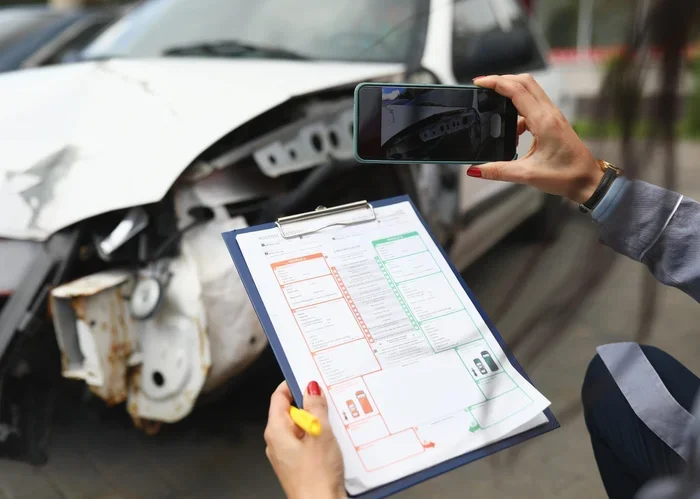
If you have ever been in an accident, you know the process. Your insurer sends an adjuster. The adjuster determines your cars actual cash value. Then they offer you a check. But how do they get that number? It is not a guess. Insurance companies follow a specific process.
The Adjuster Reviews Comparable Sales
Adjusters look at recent comparable sales in your area. They find cars with the same make, model, year, trim level, and similar mileage. They compare retail price listings and private party transactions. This data forms the backbone of the valuation.
They Factor in Vehicle Condition
The adjuster inspects your car inside and out. They note any damage, missing features, or wear. They also consider maintenance history. A car with full service records and no accidents will score higher than one with a rough past.
They Subtract Depreciation
Every car loses value from the moment you drive it off the lot. Insurers use car depreciation tables to estimate how much value your vehicle has lost since purchase. Age and mileage are the biggest drivers here.
They Consider Local Market Conditions
A truck in Texas might be worth more than the same truck in New York. Demand varies by region. Market value shifts based on season, fuel prices, and local trends. Your cars actual cash value in one city can differ from another by hundreds of dollars.
Understanding this process helps you challenge a low offer. If you know how insurers think, you can present better evidence and get a fairer payout.
Top Online Tools to Find Your Cars Actual Cash Value Right Now
The good news is you do not need to hire an appraiser to get a solid estimate. Several free online tools give you a quick car valuation in minutes. Here are the best ones.
Kelley Blue Book (KBB)
Kelley Blue Book is one of the most trusted names in vehicle valuation. You enter your car details and get instant estimates for trade-in value, private party value, and retail price. KBB breaks down the numbers by region, so your cars actual cash value reflects local market conditions. It is a great starting point for anyone.
NADA Guide
The National Automobile Dealers Association publishes the NADA Guide. Banks and lenders often use NADA values for auto loan decisions. NADA focuses heavily on trade-in and loan values. It is especially useful if you are refinancing or working with a financial institution.
Edmunds
Edmunds provides detailed pricing breakdowns including true market value. Their tool factors in optional equipment, trim level, and even color choices. Edmunds also offers a vehicle history report integration, which helps you understand how past accidents or service records affect value.
Black Book and CCC Information Services
Black Book is popular among dealers and insurers. It focuses on wholesale and auction values. CCC Information Services is widely used in the insurance industry for total loss calculations. These tools are less consumer-facing but still influence the numbers you see online.
CarGurus Instant Market Value
CarGurus pulls live listing data from thousands of dealerships and private sellers. The result is a real-time market value estimate. This tool is excellent for understanding what buyers are actually paying right now, not just what guides suggest.
Pro Tip: Never rely on just one tool. Check at least three sources. Average the numbers together for the most balanced estimate of your cars actual cash value.
Factors That Affect Your Cars Actual Cash Value
Two cars of the same make and year can have very different values. Why? Because many factors come into play. Let us break them down.
Mileage
Mileage is one of the biggest factors. A car with 150,000 miles will be worth significantly less than one with 60,000 miles. Lower mileage signals less wear and more life left in the engine. If your mileage is above average for the year, expect a lower cars actual cash value.
Vehicle Condition
Condition covers everything from paint quality to interior cleanliness. A car with a clean interior, no dents, and smooth operation will always fetch a higher price. On the flip side, vehicle condition problems like cracked dashboards, stained seats, or rust can tank your value fast.
Maintenance History
Buyers love proof of care. A full service record shows the previous owner kept up with oil changes, tire rotations, and major inspections. This builds trust and supports a higher valuation. A car with no records raises red flags.
Trim Level and Optional Features
Not all trims are created equal. A base model will be worth less than a loaded EX-L or Touring trim. Optional features like leather seats, sunroof, navigation system, and premium audio add value. Even things like all-wheel drive can boost your number in certain markets.
Accident History
This one hurts. A car with a recorded accident — even a minor one — will sell for less. Structural damage is the worst. It can reduce your actual cash value by 10 to 25 percent or more. Always get a vehicle history report from Carfax or AutoCheck before selling or buying.
Location and Demand
Where you live matters. SUVs sell better in mountain towns. Convertibles do well in warm climates. Trucks dominate in rural areas. Your cars actual cash value shifts based on what buyers in your area are willing to pay.
Color and Popularity
It sounds silly, but color affects value. Neutral colors like white, black, and silver sell faster and hold value better. Unusual colors can limit your buyer pool. Popular models with high demand also command stronger prices.
How to Get the Most Accurate Valuation for Your Car
Now that you know the tools and factors, let us talk strategy. How do you go from a rough estimate to a precise number?
Step 1: Gather Your Vehicle Details
Before you use any tool, have your information ready. You will need the year, make, model, trim level, mileage, and VIN. The VIN is especially important because it reveals the exact factory options and any vehicle history report data tied to your car.
Step 2: Run a Vehicle History Report
Get a report from Carfax or AutoCheck. This shows accidents, title status, service records, and ownership history. A clean report supports a higher valuation. A troubled history lowers it. Be honest about what the report shows.
Step 3: Check at Least Three Valuation Tools
Use KBB, NADA, and Edmunds. Compare the trade-in, private party, and retail numbers. Write them all down. Look for patterns. If three tools agree within a range, that is your sweet spot.
Step 4: Adjust for Your Cars Specific Condition
The online tools give you a baseline. Now you adjust. Is your car above average condition? Add 5 to 10 percent. Below average? Subtract accordingly. Consider your mileage, any damage, and the quality of your maintenance records.
Step 5: Research Local Listings
Go to Craigslist, Facebook Marketplace, and Autotrader. Search for your exact car in your zip code. What are people asking? What have similar cars sold for recently? This real-world data refines your cars actual cash value more than any generic guide.
Step 6: Consider a Professional Appraisal
For high-value vehicles, classic cars, or cars with unique features, a professional appraisal is worth the investment. A certified appraiser inspects your car and provides a documented valuation. This carries weight with insurers, buyers, and lenders.
Following these steps takes about 30 minutes. The result is a well-supported number you can stand behind.
Common Mistakes People Make When Valuing Their Car
Even with the best tools, people still mess up their valuation. Here are the most common errors and how to avoid them.
Mistake 1: Confusing Trade-In Value with Market Value
Dealers offer trade-in value, which is always lower than what a private buyer pays. If you use the trade-in number as your selling price, you will leave hundreds of dollars on the table. Know the difference between trade-in value and private party value.
Mistake 2: Ignoring Mileity
Mileage matters more than most people realize. A car with 10,000 miles per year or less is considered low-mileage. Above 15,000 miles per year is high. Your cars actual cash value shifts significantly based on this single number.
Mistake 3: Forgetting About Outstanding Loans
If you still owe money on your car loan, your equity in the vehicle is less than the actual cash value. Being underwater on a loan means you could owe more than the car is worth. Always factor in your loan balance when planning a sale or trade-in.
Mistake 4: Accepting the First Number You See
One tool is never enough. Different guides use different data sources and methodologies. The first number you see is a starting point, not a final answer. Always cross-reference.
Mistake 5: Overlooking Cosmetic Issues
Small things add up. A scratched bumper, worn tires, or a dirty interior might seem minor to you. But buyers notice. These issues can reduce your valuation by hundreds of dollars. Fix what you can before listing your car.
Mistake 6: Not Understanding the Total Loss Equation
If your car is damaged beyond repair, your insurer declares it a total loss. They pay actual cash value minus your deductible. Many people are shocked by how low this number is. Understanding total loss calculations ahead of time prevents nasty surprises.
Avoiding these mistakes keeps you informed and in control of the process.
How Actual Cash Value Differs from Other Valuation Types
It helps to understand how actual cash value compares to other numbers you might encounter. Here is a quick look at the differences.
Actual Cash Value vs. Replacement Cost
Replacement cost is what it would take to buy a brand-new equivalent today. Actual cash value accounts for depreciation. Insurance policies typically pay actual cash value, not replacement cost, for older vehicles.
Actual Cash Value vs. Trade-In Value
Trade-in value is what a dealer offers. It is the lowest of the common valuations. Private party value sits in the middle, and retail price is the highest. Your cars actual cash value usually lands somewhere between trade-in and private party value.
Actual Cash Value vs. Fair Market Value
These terms are often used interchangeably. Fair market value assumes a willing buyer and a willing seller, neither under pressure. Actual cash value is similar but may include adjustments for condition and regional factors.
Understanding these distinctions helps you set realistic expectations and negotiate better outcomes.
Quick Tips to Maximize Your Cars Actual Cash Value
Want to squeeze every dollar out of your valuation? Here are quick wins that work.
- Wash and detail your car: A clean car photographs better and feels more valuable to buyers. A professional detail costs $50 to $150 but can boost your perceived value by much more.
- Fix minor issues: Replace burned-out bulbs, fix small dents, and touch up scratches. These small fixes signal that the car was well cared for.
- Gather your paperwork: Service records, registration, and a clean title build buyer confidence. Organized paperwork supports a higher price.
- Time your sale right: Sell convertibles in spring and summer. Sell trucks and SUVs before winter. Timing your sale to seasonal demand can add value.
- Know your numbers: Walk into any negotiation with printed estimates from KBB, NADA, and local listings. Knowledge is your strongest bargaining tool.
These tips take minimal effort but make a real difference in what you can command for your vehicle.
Conclusion
Finding your cars actual cash value does not have to be confusing or expensive. With free online tools, a little research, and honest self-assessment, you can get a reliable number in under an hour. Remember to check multiple sources, factor in your vehicles unique condition, and always compare local market prices.
Whether you are selling, trading in, filing an insurance claim, or simply curious, knowing your actual cash value puts you in a position of strength. It protects you from lowball offers and helps you make smart financial decisions.
Take the time today. Run the numbers. Do the research. Your future self will thank you when you walk away with a fair deal and a clear understanding of what your car is truly worth. Your cars actual cash value is waiting to be discovered. Go find it.
Frequently Asked Questions
What is the fastest way to find my cars actual cash value?
Use an online valuation tool like Kelley Blue Book or Edmunds. Enter your car details and you will get an instant estimate in under two minutes. For the most accurate result, cross-reference with at least two other tools and check local listings.
Does my cars actual cash value include outstanding loan balance?
No. Actual cash value reflects what the market would pay for your car. It does not subtract what you owe. Your equity in the vehicle is your actual cash value minus your remaining loan balance. If you owe more than the car is worth, you are underwater.
How often does my cars actual cash value change?
Your cars actual cash value can shift monthly based on market demand, seasonal trends, and mileage accumulation. Major life events like adding miles or sustaining damage also trigger value changes. It is smart to recheck your valuation every few months.
Can I dispute my insurance companys actual cash value offer?
Yes. If you believe the offer is too low, gather evidence. Provide comparable local listings, your maintenance records, and any receipts for recent repairs or upgrades. You can also request a reappraisal or hire an independent appraiser to support your case.
What is the difference between actual cash value and book value?
Book value comes from industry guides like Kelley Blue Book or NADA. Actual cash value is the real-world market price a buyer would pay. They are often close but not always the same. Local market conditions, individual car condition, and demand can cause the two numbers to diverge.
Should I sell my car privately or trade it in for the best value?
Selling privately almost always yields the highest price because you capture the full private party value. Trading in is more convenient but the dealer needs to make a profit, so they offer less. If you want maximum return, private sale is the way to go.