Discover the Top Benefits of Auto Tint for Your Vehicle
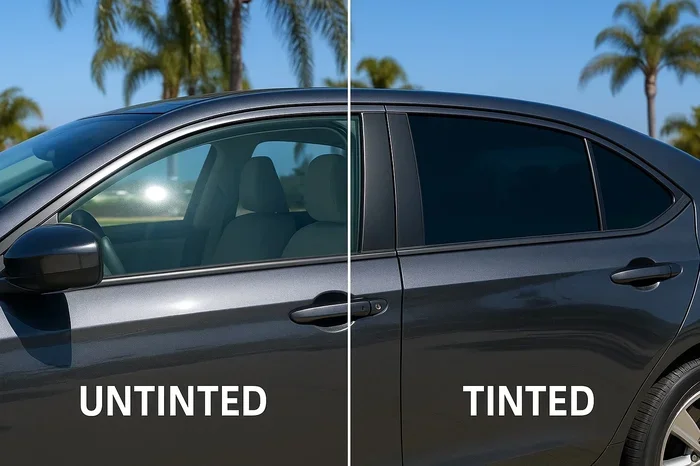
Auto tint offers far more than a sleek look for your car. It provides UV protection, reduces heat rejection, and keeps your vehicle cooler inside. With glare reduction and added privacy, auto tint is a smart upgrade for any driver. Learn how car tint can protect your health, your interior, and your wallet.
You might think auto tint is just about making your car look cool. But the truth is, there are real, practical reasons millions of drivers choose to tint their windows every year. From protecting your skin to keeping your car cooler, the benefits go way beyond appearance.
When you invest in window tinting, you are investing in your comfort, your health, and even your vehicle’s longevity. Auto tint has come a long way too. Modern window film technology offers incredible UV protection and heat rejection without making your car look like a mysterious limo. Whether you drive a sedan, SUV, or truck, there is a tinting solution that fits your needs perfectly.
In this guide, we will walk you through every major benefit of adding auto tint to your vehicle. You will learn how it works, what to look for, and why so many car owners are making the switch. By the end, you will have a clear picture of why car tint is one of the best upgrades you can make for your daily drive.
Key Takeaways
- UV Protection: Auto tint blocks up to 99 percent of harmful rays that cause skin damage and fade your car’s interior.
- Heat Rejection: Quality window film can reject up to 70 percent of solar heat, keeping your cabin cool and comfortable.
- Glare Reduction: Tinted windows reduce blinding glare, making driving safer and less tiring on long trips.
- Privacy and Security: A darker tint keeps prying eyes away from your belongings and personal space.
- Interior Preservation: Solar control film protects your seats, dashboard, and trim from sun damage.
- Resale Value: Well-maintained tinted vehicles often fetch a higher price on the used market.
📑 Table of Contents
- Why Auto Tint Matters More Than You Think
- UV Protection and Health Benefits
- Heat Rejection and Cabin Comfort
- Glare Reduction and Driving Safety
- A Comparison of Auto Tint Types
- Privacy and Security on the Road
- Aesthetic Appeal and Resale Value
- Common Mistakes to Avoid When Tinting Your Vehicle
- Expert Insights on Auto Tinting
- Final Thoughts on the Benefits of Auto Tint
Why Auto Tint Matters More Than You Think
Many people overlook the importance of window tinting until they experience a problem. The sun’s rays hit your car all day, every day, whether you are parked at work or driving down the highway. Over time, this exposure adds up and causes real damage that you cannot easily reverse.
Auto tint acts as a protective shield for your entire vehicle. It filters out harmful rays and reduces the amount of solar heat that enters your cabin. Think of it as sunscreen for your car. Just as you protect your skin from burning, your car deserves the same level of care and attention.
The visible light transmission rating of your tint determines how much light passes through the glass. Lower percentages mean darker tints. But even lighter tints offer significant benefits. The key is choosing the right tint percentage for your climate, your driving habits, and your personal preferences.
Understanding How Auto Tint Works
Not all window film is created equal. There are several types of auto tint available on the market today. Each type has its own unique properties, benefits, and drawbacks. Here is a closer look at the most common options.
Dyed tint is the most basic and affordable option. It uses multiple layers of dye to absorb heat and reduce glare. However, it may fade over time and offers less UV protection than other options. It is a decent starting point for budget-conscious drivers.
Metalized tint contains tiny metallic particles that reflect heat away from your vehicle. This type offers excellent heat rejection and adds structural strength to your windows. The downside is it can interfere with cell phone and GPS signals inside the car.
Carbon tint is a popular middle-ground option. It provides superior heat rejection without the signal interference issues of metalized film. Carbon tint also has a matte finish that many car owners prefer for its sleek, non-reflective appearance.
Ceramic tint is the premium choice available. It uses nano-ceramic particles to block heat and UV rays without affecting visibility or signal strength. While it costs more upfront, the performance and durability make it worth the investment for many drivers seeking long-term value.
UV Protection and Health Benefits
One of the most significant advantages of auto tint is its ability to block harmful ultraviolet rays. UV rays are invisible but they can cause serious damage to your skin and your car’s interior over time. Many people do not realize that they are exposed to UV radiation even while sitting inside their vehicle.
UV protection from quality window film can block up to 99 percent of UVA and UVB rays. This level of protection is comparable to wearing SPF 500 sunscreen. For drivers who spend long hours on the road, this amount of protection is incredibly valuable and often overlooked.
Protecting Your Skin on the Road
Studies have shown that drivers who spend extended time behind the wheel have higher rates of skin damage on the left side of their body. This is because the left window receives more direct sunlight in left-hand drive countries. The cumulative effect of daily exposure adds up over months and years.
Auto tint provides a layer of defense against this daily exposure. Skin protection from ultraviolet rays is especially important for people who are frequently on the road. Truck drivers, rideshare drivers, and delivery professionals can all benefit greatly from tinted windows on the driver side.
Children and passengers in the back seat also need protection. Even with the windows rolled up, UV rays can penetrate standard glass. Adding auto tint ensures that everyone in the vehicle is properly shielded from harmful radiation, regardless of where they are sitting.
Preserving Your Car’s Interior
The sun does not just damage your skin. It also fades and degrades your car’s interior surfaces. Your dashboard, seats, and steering wheel are all vulnerable to solar heat and UV exposure on a daily basis.
Over time, you may notice cracking, fading, or discoloration on leather and vinyl surfaces. Interior protection is one of the most overlooked benefits of window tinting. A good quality auto tint can significantly slow down this aging process and keep your interior looking newer for longer.
Think about the cost of reupholstering seats or replacing a cracked dashboard. The investment in car tint pays for itself many times over by preserving the condition of your interior. This is especially true for luxury vehicles or cars with premium interior materials that are expensive to repair or replace.
Heat Rejection and Cabin Comfort
Have you ever sat in a car that has been baking in the sun all day? The interior temperature can reach well over 150 degrees Fahrenheit. Heat rejection is one of the most immediate and noticeable benefits of installing auto tint on your vehicle.
Quality window film can reduce the amount of solar heat entering your vehicle by up to 70 percent. This means your cabin stays significantly cooler, even on the hottest days of summer. You do not have to blast the air conditioning the moment you sit down behind the wheel.
How Heat Rejection Affects Fuel Efficiency
Here is a benefit that surprises many people. When your car stays cooler, your air conditioning system does not have to work as hard to bring the temperature down. This means your engine uses less fuel overall.
Energy efficiency may not be the first thing that comes to mind when you think about auto tint. But the connection is real and well-documented. Less AC usage means better fuel economy, especially during the hot summer months when you rely on your cooling system the most.
Some studies suggest that window tinting can improve fuel efficiency by 1 to 3 percent. While this may seem small, it is a nice bonus that comes with all the other benefits you receive. Over the life of your vehicle, those small savings can add up to a meaningful amount of money.
Infrared Heat and Why It Matters
Infrared heat is the type of heat that you feel on your skin when you sit in a hot car. Standard glass blocks some visible light but allows a significant amount of infrared radiation to pass through. This is why your car gets so hot even with the windows slightly cracked.
Advanced auto tint films are specifically designed to block infrared heat while still allowing visible light in. This means you get a cooler cabin without sacrificing brightness or visibility. The solar control properties of quality window film target the heat you feel, not just the light you see.
Choosing the Right Tint for Heat Rejection
Not all tints perform equally when it comes to heat rejection. Here are some quick tips to help you choose the best option for your needs:
- Ceramic tint offers the highest level of heat rejection and is ideal for hot, sunny climates.
- Carbon tint provides excellent heat reduction at a more affordable price point than ceramic.
- Metalized tint works well for heat rejection but may interfere with electronic signals.
- Dyed tint is the most budget-friendly option but offers the least amount of heat reduction.
Consider your local climate when choosing your tint percentage. If you live in a hot, sunny area, investing in a higher-performance film will pay off quickly in comfort and savings. Talk to your installer about the best tint percentage for your specific needs and driving conditions.
Glare Reduction and Driving Safety
Glare from the sun and other vehicles can be a serious distraction while driving. It can cause eye strain, headaches, and even temporary blindness in extreme cases. Glare reduction is one of the most practical benefits of auto tint that directly impacts your safety on the road.
Window film reduces the amount of light that enters your vehicle, making it easier to see the road clearly at all times. This is especially helpful during sunrise and sunset when the sun is low and directly in your line of sight. Glare can be unpredictable and dangerous, and tinted windows help you stay in control.
Glare from other vehicles’ headlights at night is another common problem that many drivers face. Tinted windows help soften these bright lights, reducing eye fatigue on long drives. Safer driving should always be a top priority, and auto tint contributes directly to that goal every time you get behind the wheel.
Different Tint Levels for Different Needs
The level of glare reduction you get depends on the tint percentage you choose. Lighter tints still reduce glare significantly while maintaining maximum visibility for safe driving. Darker tints offer more glare reduction but may limit visibility in low-light conditions such as nighttime or tunnels.
Many drivers choose a medium tint percentage for the best balance between comfort and safety. It is also worth noting that some states have specific laws about how dark your tint can be. Always check your local regulations before scheduling your installation to avoid any legal issues.
A Comparison of Auto Tint Types
Choosing the right type of auto tint can feel overwhelming with so many options available. Use this comparison table to understand the key differences between each type of window film.
| Tint Type | Heat Rejection | UV Protection | Signal Interference | Price Range |
|---|---|---|---|---|
| Dyed | Low to Medium | Moderate | None | Budget |
| Metalized | High | Good | Yes | Mid-Range |
| Carbon | High | Very Good | None | Mid to High |
| Ceramic | Very High | Excellent | None | Premium |
As you can see from the table, each type of auto tint has its own strengths and weaknesses. Your choice should depend on your budget, your climate, and your specific priorities. For most drivers, carbon or ceramic tint offers the best overall balance of performance and value.
Privacy and Security on the Road
Privacy is a major reason many car owners choose to tint their windows. When your windows are tinted, it becomes much harder for people outside to see into your vehicle. This adds a layer of personal security and peace of mind that many drivers appreciate every day.
Whether you are parked at the mall, the airport, or on a busy street, auto tint keeps your belongings out of sight. This simple deterrent can reduce the risk of break-ins and theft. Thieves are less likely to target a vehicle they cannot easily see into or assess for valuable items.
Privacy for Families and Valuables
Families with young children often appreciate the added privacy that window tinting provides. It creates a more intimate, comfortable space inside the car where kids can nap without being exposed to direct sunlight. You also have more control over the cabin environment when outsiders cannot see in.
If you regularly transport valuable items, tinted windows offer an extra layer of protection. Laptop bags, shopping bags, and electronics are less visible to potential thieves passing by. This is a simple yet effective way to protect your possessions without having to keep everything in the trunk.
Aesthetic Appeal and Resale Value
Let us talk about the obvious benefit. Auto tint simply makes your car look better. A well-applied tint gives your vehicle a polished, finished appearance that turns heads on the road. It can enhance the lines and contours of your car, making it stand out for all the right reasons.
But the aesthetic benefits go beyond just looks. A tinted vehicle often signals quality and attention to detail. When potential buyers see a well-maintained car with professional window tinting, they perceive it as a well-cared-for vehicle overall. First impressions matter, and tinted windows create a positive one instantly.
Boosting Your Vehicle’s Resale Value
Resale value is an important consideration for any car owner. Auto tint can positively impact the resale price of your vehicle in several meaningful ways.
First, tinted windows suggest that the car has been well-maintained. Buyers associate window film with overall vehicle care and attention. Second, the interior protection that tinting provides means the interior is likely in better condition than an untinted vehicle of the same age. Third, the added comfort and features make the car more attractive to potential buyers.
When it comes time to sell, a quality car tint can be a selling point that sets your vehicle apart. Some buyers are willing to pay more for a vehicle that already has professional tinting installed. It saves them the time, hassle, and cost of having it done themselves after purchase.
Quick Tips for Maintaining Your Auto Tint
To keep your auto tint looking great and performing well for years, follow these simple maintenance tips:
- Wait at least 48 hours after installation before rolling down your windows.
- Clean your tinted windows with a soft, non-abrasive microfiber cloth.
- Use ammonia-free cleaning products to avoid damaging the film.
- Avoid parking in direct sunlight for extended periods whenever possible.
- Have your tint inspected regularly for any signs of peeling or bubbling.
Proper care ensures your window film lasts for many years without losing its effectiveness. Most quality tints come with warranties of five to ten years. With good maintenance habits, you can enjoy all the benefits of auto tint for a long time without worrying about early degradation.
Common Mistakes to Avoid When Tinting Your Vehicle
While auto tint offers many wonderful benefits, there are common mistakes that car owners should avoid. Making informed decisions will help you get the best results from your tinting investment and avoid costly regrets.
One common mistake is choosing the cheapest option available. Budget tints may seem like a good deal upfront, but they often fade, bubble, and lose effectiveness within a year or two. Investing in a quality window film from a reputable installer pays off in the long run with better performance and longevity.
Another mistake is ignoring local tinting laws. Every state has specific regulations regarding tint percentage and allowable darkness levels. Getting caught with illegal tint can result in fines, failed inspections, and the requirement to remove the film entirely. Always research your local laws before scheduling your appointment.
A third mistake is choosing the wrong tint percentage for your needs. If you live in a hot climate, a lighter tint may not provide enough heat rejection. Conversely, if you need maximum visibility, an overly dark tint can be dangerous when driving at night. Consider your priorities carefully before making a final decision.
Finally, some people try to install car tint themselves to save money. While DIY kits are available at auto parts stores, professional installation ensures a bubble-free, long-lasting finish. The small additional cost of professional work is well worth the peace of mind and superior results you get in return.
Expert Insights on Auto Tinting
We spoke with several automotive detailing and tinting professionals to get their take on the benefits of auto tint. Here is what the experts had to say about why they recommend window tinting to their clients:
“The number one benefit I see with professional window tinting is heat rejection. In hot climates, it is a game changer. Customers consistently tell us they cannot believe how much cooler their car stays with quality auto tint installed. It is one of the few upgrades that delivers immediate, noticeable results every single day.” — Mark Stevens, Certified Auto Detailer
“Many of my clients get car tint for the UV protection alone. They do not realize how much sun damage accumulates over years of daily driving. Once they understand the health benefits for their skin and the protection it offers their interior, they are always glad they made the investment.” — Sarah Chen, Automotive Window Film Specialist
“From a safety perspective, glare reduction is something every driver should consider. It is a simple upgrade that makes a real difference, especially for anyone who drives long distances or commutes daily through areas with intense sun. The comfort improvement is immediate and significant.” — James Rodriguez, Tint Installation Manager
Final Thoughts on the Benefits of Auto Tint
Auto tint is far more than a cosmetic upgrade for your vehicle. It is a practical investment that pays dividends in comfort, safety, health, and even long-term savings. From UV protection and heat rejection to enhanced privacy and improved resale value, the benefits are clear, compelling, and backed by real-world results.
Whether you are looking to protect your family from harmful rays, keep your car cooler in the summer, or simply give your vehicle a polished and refined look, auto tint delivers on every front. The wide range of window film options available today means there is a perfect solution for every vehicle, every budget, and every driver’s unique needs.
Take the time to research your options, choose a reputable and experienced installer, and enjoy the many advantages that auto tint brings to your daily driving experience. Your car, your health, and your wallet will all thank you for making the smart choice to tint your windows. It is one upgrade that keeps on giving, year after year, drive after drive.
Frequently Asked Questions
Is auto tint legal in all states?
No, tinting laws vary by state and even by municipality. Each state has specific regulations regarding allowable tint percentage and darkness levels for different windows. Always check your local laws before installing auto tint to ensure you remain compliant and avoid fines or removal requirements.
How long does auto tint last?
Quality window film typically lasts between five and ten years with proper care. The lifespan depends on the type of tint you choose, the quality of installation, and how well you maintain it. Ceramic and carbon tints tend to last longer than dyed options, making them a better long-term investment for most drivers.
Can I tint my windows myself?
Yes, DIY car tint kits are available, but professional installation is highly recommended. Professional installers have the tools, experience, and clean environments needed to apply window film without bubbles, wrinkles, or dust particles. The small extra cost is well worth the superior and longer-lasting results you get from a professional job.
Does auto tint affect visibility at night?
This depends on the tint percentage you choose. Lighter tints maintain excellent nighttime visibility while still providing glare reduction and UV protection. Darker tints may reduce visibility in low-light conditions. Most experts recommend choosing a medium tint that balances daytime comfort with safe nighttime driving.
How much does auto tint cost?
The cost of auto tint varies based on the type of film, the number of windows, and your location. Dyed tint is the most affordable, while ceramic tint is the most expensive. On average, a full vehicle tint job costs between $200 and $500. Remember that quality tinting is an investment that pays off through comfort, protection, and improved resale value.
Will auto tint bubble or fade over time?
High-quality window film from reputable brands rarely bubbles or fades when installed professionally. Cheaper tints and DIY installations are more prone to these issues. Choosing a trusted installer and a quality car tint product ensures your tint stays smooth, clear, and effective for many years without unsightly bubbling or discoloration.