How Many Years Does a Key Fob Battery Last Exactly
A key fob battery typically lasts between 3 and 5 years, but usage habits and battery type can shorten or extend that range. You can replace most key fob batteries yourself in under two minutes. This guide covers everything from warning signs to step-by-step replacement instructions.
Your car key fob is one of those small things you barely think about. Until one morning it just stops working. That moment of frustration is something almost every driver faces at some point. The big question is always the same: how long should a key fob battery actually last?
How many years does a key fob battery last exactly? The honest answer is it depends. Most key fob batteries survive between three and five years. But your daily habits, the type of fob you own, and even your climate can shift that timeline significantly. In this guide, we break down everything you need to know about key fob battery life, from early warning signs to the simple steps you can take to get the most out of each battery.
Whether you drive a sedan, SUV, or truck, the principles are the same. A little knowledge goes a long way toward keeping your remote key fob working reliably. Let us walk you through the full picture.
Key Takeaways
- Average lifespan: Most key fob batteries last 3 to 5 years depending on usage.
- Common battery type: CR2032 is the most widely used key fob battery.
- Replacement is easy: You can swap the battery yourself without a mechanic.
- Warning signs: Reduced range, intermittent signals, and multiple clicks signal a dying battery.
- Battery type matters: Lithium batteries outlast standard alkaline options in most key fobs.
- Reset may be needed: Some vehicles require you to reset your car key after changing the battery.
- You can still drive: Even with a dead fob, most cars allow you to start the engine using a backup method.
📑 Table of Contents
- Understanding Key Fob Battery Life
- Signs Your Key Fob Battery Is Dying
- How to Replace a Key Fob Battery
- How to Make Your Key Fob Battery Last Longer
- What Happens When the Key Fob Battery Dies Completely
- Common Key Fob Battery Mistakes to Avoid
- When to See a Professional
- Key Fob Battery Life by Vehicle Brand
- Key Takeaways
- Frequently Asked Questions
- Final Thoughts
Understanding Key Fob Battery Life
Before we get into the numbers, it helps to understand what is actually happening inside your key fob. A car key fob battery powers a small radio transmitter. This transmitter sends a coded signal to your vehicle. When you press the lock or unlock button, the signal tells the car to respond. That process uses energy every single time you use it.
But your fob also sends signals passively. Many modern keyless entry systems constantly ping the car to detect when you are nearby. This means the battery drains even when you are not actively pressing any buttons. That is why key fob battery life varies so much from one driver to another.
Average Key Fob Battery Lifespan
Most manufacturers design key fob batteries to last somewhere in the three-to-five-year window. Here is a general breakdown based on usage patterns:
- Light use (under 10 presses per day): 4 to 5 years
- Moderate use (10 to 30 presses per day): 3 to 4 years
- Heavy use (30+ presses per day): 2 to 3 years
- Push-button start systems: 2 to 4 years due to constant proximity scanning
These numbers are averages. Your actual experience may differ. Some drivers report getting six years out of a single CR2032 battery. Others find themselves replacing it every 18 months. The difference usually comes down to how often the fob communicates with the car and how close you keep it to your body.
What Type of Battery Do Key Fobs Use?
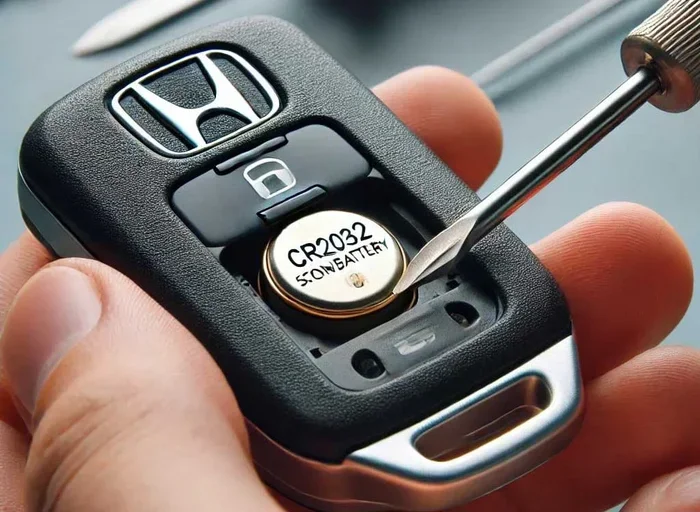
The vast majority of key fobs run on a CR2032 coin cell battery. This is a 3-volt lithium battery that is cheap and widely available. You can find one at almost any grocery store, gas station, or pharmacy for under a few dollars.
Some older or less common fobs use different battery types. These include CR2025, CR1632, or even small rechargeable lithium packs. Always check your vehicle owner manual before purchasing a replacement. Using the wrong battery type can damage your fob or cause it to malfunction.
Signs Your Key Fob Battery Is Dying
Catching a low battery early saves you from being locked out of your car. Most key fobs give you several warning signs before they completely die. Here are the most common ones to watch for:
Reduced Signal Range
This is the earliest and most noticeable sign. If you used to unlock your car from 30 feet away and now you need to stand right next to it, your battery is weakening. A key fob with low battery has a shorter broadcast range. The signal simply does not travel as far.
Intermittent Function
Sometimes the fob works fine. Other times it does nothing. This on-and-off behavior is a classic symptom of a fading battery. The voltage drops just enough to cause unreliable performance. If you find yourself pressing the button multiple times to get a response, that is a red flag.
Multiple Clicks When Locking or Unlocking
When you press the button and hear the car respond with several rapid clicks instead of one solid click, pay attention. This often means the car key battery dying does not have enough power to complete the locking sequence in one go.
Warning Light on the Dashboard
Many newer vehicles display a key fob battery low warning on the dashboard or instrument cluster. If you see this message, do not ignore it. You have some time to replace the battery, but procrastination will only make the problem worse.
Push-Button Start Not Recognizing the Fob
Cars with push-button start systems rely heavily on the fob being detected. If your car struggles to recognize the fob when you sit down, the battery is likely running low. Some vehicles let you start the engine by placing the fob directly on the start button. This is a temporary workaround that signals a battery problem.
How to Replace a Key Fob Battery
The good news is that replacing a key fob replacement battery is one of the easiest DIY tasks you can do. No mechanic is required. No special tools are needed. Most people complete the job in under two minutes.
Step-by-Step Replacement Guide
Follow these simple steps to swap out your dead fob battery:
- Identify the battery type. Check your owner manual or look at the old battery. Most are CR2032.
- Open the fob casing. Use a small flathead screwdriver or a coin to pry open the seam. Work gently around the edge.
- Remove the old battery. Note the positive and negative sides. Take a photo if you are unsure.
- Insert the new battery. Match the orientation exactly. The positive side usually faces up.
- Snap the fob back together. Press firmly until the two halves click into place.
- Test the fob. Stand near your car and try locking and unlocking. Make sure everything works.
If you prefer a visual guide, many manufacturers post video tutorials on their websites. Watching someone else do it can make the process feel even simpler.
Can You Replace a Key Fob Battery Yourself?
Absolutely. The vast majority of key fobs are designed for easy battery replacement. You do not need to visit a dealer or a locksmith. However, some newer or more complex fob designs can be trickier to open. If your fob has a small screw holding it together, use the right size screwdriver. And if you are unsure, search for a model-specific tutorial online.
For most drivers, replacing the key fob battery yourself is quick, free, and straightforward. Keep a spare CR2032 in your glove box, and you will never be caught off guard.
Do You Need to Reset the Key After Changing the Battery?
In most cases, no. The fob should work immediately after you insert the new battery. However, some vehicles require you to reset your car key after changing the battery. This usually involves sitting in the car, closing all doors, and cycling the ignition a specific number of times. Check your owner manual for model-specific instructions.
How to Make Your Key Fob Battery Last Longer
Want to stretch your key fob battery lifespan beyond the average range? A few simple habits can make a real difference. Here are practical tips that actually work:
Avoid Extreme Temperatures
Heat and cold both drain batteries faster. Do not leave your fob on the dashboard in direct summer sun. In winter, keep it in an interior pocket rather than an exposed bag or pouch. Stable temperatures help the battery hold its charge longer.
Do Not Press Buttons Unnecessarily
Every button press uses energy. Some people habitually press the lock button multiple times out of habit. Break that habit. One firm press is all it takes. Also, avoid pressing the buttons when you are far from the car, since the signal has to work harder and drains the battery faster.
Keep the Fob Away from Other Electronics
Other electronic devices can cause interference. When your fob sits next to a phone, tablet, or laptop, it may emit stray signals that waste power. Store your fob in a dedicated spot, separate from other electronics.
Use the Mechanical Key When Possible
Many key fobs include a hidden mechanical key blade. If you are walking a short distance to your car, use the mechanical key to unlock the door instead of pressing the remote button. This small change adds up over months and years.
Buy Quality Batteries
Not all batteries are created equal. Cheap off-brand batteries may die faster or leak. Stick with trusted brands like Energizer, Duracell, or Panasonic for the best results. A quality battery costs only a little more but often lasts significantly longer.
What Happens When the Key Fob Battery Dies Completely
A completely dead fob does not mean you are stranded. Most modern vehicles have backup systems in place. Here is what you need to know:
Can You Drive a Car If the Key Fob Battery Dies?
In most cases, yes. Cars with push-button start usually have a backup detection zone. Place the dead fob directly against the start button or the steering column. The car can read the passive chip inside the fob even without a working battery. You can start the engine and drive normally.
However, if your car key fob battery dies and the backup method does not work, you may need to contact roadside assistance. Keeping a spare battery on hand prevents this situation entirely.
Can You Drive With a Low Key Battery?
Generally, yes. A low battery does not mean immediate failure. You might notice reduced range or occasional signal drops. But the fob usually continues working well enough to lock, unlock, and start your car. It is a good idea to replace the battery as soon as you notice the warning signs rather than waiting for a complete failure.
Common Key Fob Battery Mistakes to Avoid
Even simple tasks come with pitfalls. Here are the most common mistakes drivers make when dealing with key fob batteries:
- Using the wrong battery type. Always double-check the battery model before purchasing.
- Forgetting to replace both fobs. If one battery is dying, the other is probably close behind. Replace both at the same time.
- Touching the battery contacts with metal tools. This can cause a short circuit. Use plastic or rubber-handled tools.
- Ignoring the low battery warning. Pushing through on a weak battery can leave you locked out at the worst possible moment.
- Storing spare batteries in the wrong place. Keep spare batteries in a cool, dry location away from metal objects that could cause a discharge.
When to See a Professional
Most key fob battery issues are simple fixes you can handle at home. But there are times when professional help makes sense:
- If you replace the battery and the fob still does not work, the problem may be with the fob itself, not the battery.
- If your car won’t start with a new battery in the fob, the vehicle’s receiver module may need diagnosis.
- If you have a smart fob with a built-in rechargeable battery, you may need dealer-level service or a specialized charger.
- If the fob casing is cracked or damaged, a professional can help you source the correct replacement unit.
Dealers and locksmiths can also program new fobs if you lose yours entirely. This is a more expensive process but sometimes unavoidable. The good news is that a fresh battery solves the vast majority of key fob problems.
Key Fob Battery Life by Vehicle Brand
Different brands use different fob designs and battery configurations. Here is a general comparison of what you can expect:
- Toyota and Lexus: 3 to 5 years. These brands use standard CR2032 batteries in most models.
- Honda and Acura: 3 to 4 years. Honda fobs are known for reliable battery performance.
- Ford: 3 to 5 years depending on the fob type. Push-button start models tend to drain faster.
- Chevrolet: 3 to 4 years. GM fobs with remote start features may use more power.
- BMW and Luxury Brands: 2 to 4 years. Advanced fobs with more features tend to drain faster.
These ranges are estimates. Your personal usage pattern will ultimately determine how long your specific fob battery lasts.
Key Takeaways
- Most key fob batteries last 3 to 5 years under normal usage conditions.
- Watch for warning signs like reduced range, intermittent signals, and multiple clicks.
- Replacement is simple and cheap. You can do it yourself with a CR2032 battery and a small screwdriver.
- You can still drive with a dead fob by using the backup detection method on the start button.
- Good habits extend battery life. Avoid extreme temperatures and unnecessary button presses.
- Replace both fobs at once if one battery is low to avoid being caught off guard.
- See a professional if the new battery does not fix the problem, as the issue may be with the fob itself.
Frequently Asked Questions
How do I know when my key fob battery needs replacing?
The most common signs include reduced signal range, intermittent operation, multiple clicks when locking or unlocking, and a low battery warning on the dashboard. If you notice any of these, it is time to grab a replacement battery and open up your fob.
Can I drive my car if the key fob battery dies completely?
Yes, in most cases you can. Vehicles with push-button start systems have a backup mode that reads the passive chip in the fob. Simply place the dead fob against the start button or steering column, and the car should recognize it and allow you to start the engine.
What kind of battery does a key fob use?
The most common key fob battery is the CR2032 coin cell. It is a 3-volt lithium battery that is inexpensive and easy to find. Always check your vehicle owner manual to confirm the correct battery type for your specific fob model.
Does a key fob battery die suddenly or gradually?
Most key fob batteries die gradually. You will notice decreasing signal strength and intermittent performance over weeks or months before it completely fails. This gradual decline gives you plenty of time to replace the battery before you are left stranded.
How much does it cost to replace a key fob battery?
A CR2032 battery costs between one and five dollars at most retail stores. If you prefer to have a dealer or locksmith replace it, you might pay a service fee of twenty to fifty dollars. But doing it yourself is fast, free, and takes less than two minutes.
Can a low key fob battery cause other car problems?
Not directly. A weak fob battery only affects the remote functions of the key fob. However, if the battery dies completely and you cannot get into the car, it can create a stressful situation. That is why replacing the battery at the first sign of weakness is always the smart move.
Final Thoughts
How many years does a key fob battery last exactly? For most drivers, the answer is somewhere between three and five years. But the real secret is staying ahead of the problem. Pay attention to the early warning signs, keep a spare battery handy, and do not wait until you are locked out to take action.
A dead key fob battery is one of those small inconveniences that can ruin your entire morning. A little proactive maintenance goes a long way. Replace the battery when you first notice the signal weakening, and you will never have to worry about it again.
Your key fob works hard every single day. It deserves a fresh battery now and then to keep running smoothly. Now that you know exactly what to look for and how to handle it, you are fully prepared for whatever comes next. Safe driving, and happy replacing!