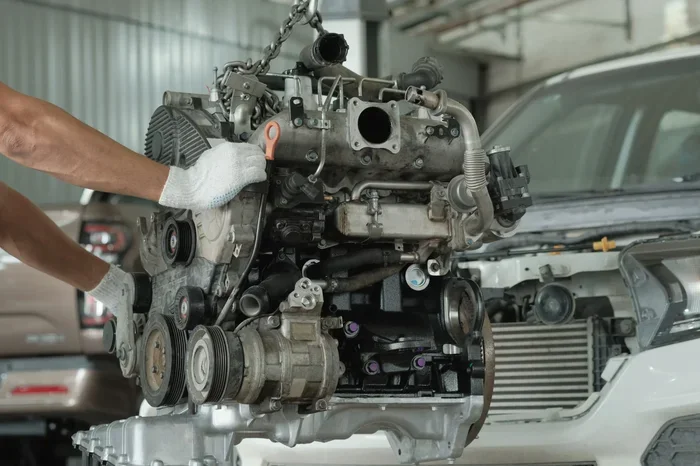
Does Insurance Cover Engine Replacement and Repairs
Whether your insurance covers engine replacement depends on your policy type, the cause of damage, and your specific coverage limits. Most standard policies do not cover routine engine failure, but comprehensive and collision plans may help if the damage stems from an accident, natural disaster, or covered event. Understanding your engine repair coverage can save you thousands of dollars and prevent unexpected financial surprises.
Your car engine is the heart of your vehicle. When it fails, the repair or replacement bill can be terrifying. One moment your car is running fine, and the next, you are staring at a quote for several thousand dollars. The first question that pops into your mind is usually the same: does insurance cover engine replacement?
The short answer is: it depends. Most standard car insurance policies do not cover engine failure caused by normal wear and tear. However, certain situations and policy types can provide the coverage you need. In this guide, we will walk through every scenario, every policy type, and every option available to you. By the end, you will know exactly what to expect and how to protect yourself financially.
Whether you are dealing with a blown engine right now or just want to be prepared for the future, this article covers everything you need to know about engine replacement and insurance coverage. Let us break it down section by section.
Key Takeaways
- Standard policies typically exclude engine failure: Most basic plans only cover damage from accidents or external events.
- Comprehensive coverage helps with non-accident damage: Flood, fire, and theft-related engine damage may be covered.
- Mechanical breakdown insurance exists: This optional add-on specifically covers engine repairs and replacements.
- Wear and tear is never covered: Insurance does not pay for age-related or maintenance-related engine problems.
- Deductibles apply to most claims: You will likely pay a portion out of pocket even when coverage applies.
- Always review your policy details: Knowing your exact coverage before you need it prevents costly surprises.
- Regular maintenance reduces risk: Keeping up with oil changes and fluid checks can help prevent engine damage that might void claims.
📑 Table of Contents
- Does Car Insurance Cover Engine Replacement?
- Types of Car Insurance That May Cover Engine Replacement
- What Happens When You File an Engine Replacement Claim?
- Common Engine Problems That Lead to Replacement
- How to Protect Yourself from Engine Replacement Costs
- What to Do If Your Claim Is Denied
- Engine Replacement Cost: What to Expect
- Final Thoughts on Engine Replacement Coverage
Does Car Insurance Cover Engine Replacement?
The answer to this question is not a simple yes or no. It entirely depends on why the engine failed and what type of coverage you carry. Most people assume their insurance will cover engine repairs, only to find out it does not. Understanding the nuances can save you a lot of frustration and money.
Car insurance is designed primarily to protect you from losses caused by external events. These include accidents, theft, vandalism, and natural disasters. Routine mechanical failure, on the other hand, is considered a maintenance issue. Insurance companies view engine wear and tear as the responsibility of the vehicle owner.
When Insurance Does Cover Engine Damage
There are specific situations where your insurance policy will cover engine replacement or repair. Let us look at the most common scenarios:
- Accident-related engine damage: If you get into a collision and the impact damages your engine, collision coverage will typically pay for the repairs.
- Flood or water damage: If your car is submerged in water and the engine suffers hydrolock, comprehensive coverage may cover the replacement.
- Fire damage: An engine fire caused by an external source is usually covered under comprehensive insurance.
- Theft-related damage: If your car is stolen and the engine is damaged during the theft or recovery process, comprehensive coverage applies.
- Vandalism: If someone deliberately damages your engine, comprehensive coverage will typically cover the cost.
In all these cases, the key factor is that the engine damage was caused by a covered event. The insurance company is not paying for your engine because it broke down on its own. They are paying because an external force caused the damage.
When Insurance Does NOT Cover Engine Damage
Understanding what is not covered is just as important as knowing what is covered. Here are the most common situations where you will be paying out of pocket:
- Normal wear and tear: Over time, engines naturally degrade. Worn piston rings, old gaskets, and general aging are not covered.
- Lack of maintenance: If you skipped oil changes or ignored warning signs, the insurance company may deny your claim.
- Pre-existing conditions: If the engine had known issues before you purchased the policy, those are excluded.
- Mechanical failure from age: An old engine that simply wears out is not a covered event.
- Racing or off-road use: If you use your car in ways not covered by your policy, engine damage from those activities is excluded.
Many drivers are surprised to learn that their basic liability insurance does not cover their own vehicle at all. Liability insurance only pays for damage you cause to other people or their property. It does not pay for repairs to your own car, including engine replacement.
Types of Car Insurance That May Cover Engine Replacement
Not all insurance policies are created equal. The type of coverage you carry determines whether engine replacement is included. Let us explore the different policy types and what they mean for your engine.
Collision Coverage
Collision coverage pays for damage to your vehicle caused by an accident with another vehicle or object. If you hit a guardrail and the impact damages your engine, collision coverage will help pay for the repair. This coverage is especially important for newer or more expensive vehicles.
However, collision coverage does not cover engine failure that happens while you are driving normally. If your engine seizes up on a highway with no accident involved, collision insurance will not help. You must have an accident-related cause for the claim to be valid.
Comprehensive Coverage
Comprehensive coverage is the other major physical damage coverage. It covers damage from events that are not collisions. This includes fire, theft, vandalism, flooding, falling objects, and animal damage.
If a tree falls on your car and crushes the engine, comprehensive coverage will cover the replacement. If your car is flooded during a storm and the engine takes on water, comprehensive coverage applies. This type of coverage is essential for protecting your engine from non-accident-related events.
Mechanical Breakdown Insurance
Mechanical breakdown insurance (MBI) is an optional coverage that functions like a warranty for your vehicle. It covers repairs caused by mechanical failure, including engine replacement. This is the one type of insurance that covers engine failure even when no accident or external event occurred.
MBI is not available in all states, and not all insurers offer it. It is most commonly available for newer vehicles with lower mileage. The coverage typically kicks in after the manufacturer’s warranty expires, bridging the gap between warranty protection and full out-of-pocket repair costs.
Extended Warranty vs. Mechanical Breakdown Insurance
People often confuse extended warranties with mechanical breakdown insurance. While both cover mechanical failures, they work differently. An extended warranty is purchased from a dealer or third-party company and acts as a service contract. MBI is purchased through your insurance company and is part of your car insurance policy.
MBI may be more convenient because it bundles with your existing insurance. Extended warranties may offer more comprehensive coverage but come with their own set of restrictions and exclusions.
What Happens When You File an Engine Replacement Claim?
If you believe your engine damage is covered by insurance, the claims process is straightforward. However, there are several steps you should follow carefully to ensure a smooth experience.
Step-by-Step Claims Process
- Document the damage: Take clear photos of the engine and any visible damage. Write down when the problem started and what happened.
- Contact your insurance company: Report the claim as soon as possible. Provide all the details and documentation you have gathered.
- Get an assessment: Your insurer will send an adjuster to evaluate the damage. They may also require an independent mechanic’s assessment.
- Review the estimate: The adjuster will provide an estimate for the repair or replacement cost. Review this carefully.
- Pay your deductible: If your claim is approved, you will need to pay your deductible before the insurance company covers the rest.
- Complete the repair: Once approved, you can proceed with the engine replacement or repair at an approved shop.
Understanding Deductibles and Coverage Limits
Every insurance policy comes with a deductible. This is the amount you pay out of pocket before your insurance kicks in. Deductibles for comprehensive and collision coverage typically range from $500 to $2,500. If your engine replacement costs $8,000 and your deductible is $1,000, your insurance will pay $7,000.
Coverage limits also play a role. Your policy will have a maximum amount it will pay for your vehicle, which is usually based on the actual cash value of the car. If your older vehicle is worth only $3,000 and the engine replacement costs $5,000, the insurance company may declare the car a total loss instead of paying for the repair.
Common Engine Problems That Lead to Replacement
Understanding what causes engine failure can help you prevent costly replacements. Here are the most common reasons engines need to be replaced entirely:
- Hydrolock: Water enters the engine through the intake, causing catastrophic damage. This often happens during flooding and may be covered by comprehensive insurance.
- Blown head gasket: A failed head gasket can cause the engine to overheat and seize. This is often the result of poor maintenance.
- Rod knock: Worn bearings inside the engine cause a knocking sound and eventually lead to engine failure.
- Cracked engine block: This can happen from overheating, freezing, or a severe impact.
- Timing belt failure: If the timing belt breaks, it can cause massive internal engine damage.
If you notice warning signs like unusual noises, overheating, or a check engine light, address the issue immediately. Ignoring these signs can turn a simple repair into a full engine replacement. And remember, if you need to clear the check engine light yourself, that is only a temporary fix and does not address the underlying problem.
How to Protect Yourself from Engine Replacement Costs
Prevention is always better than cure when it comes to engine replacement. Here are practical steps you can take to reduce the risk of engine failure and protect yourself financially.
Regular Maintenance Schedule
Following your manufacturer’s recommended maintenance schedule is the single best way to prevent engine failure. This includes:
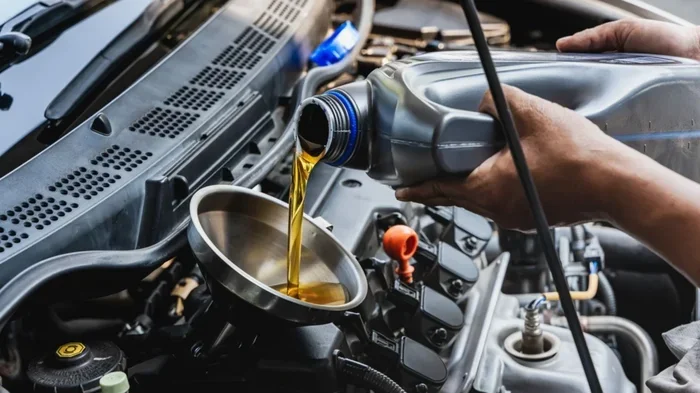
- Changing your oil every 5,000 to 7,500 miles (or as specified by your vehicle)
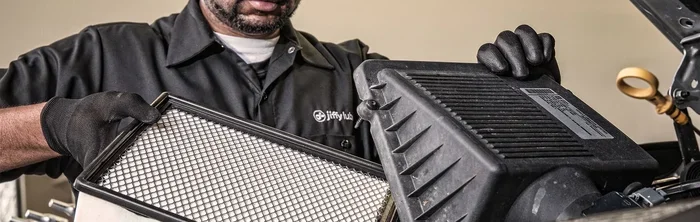
- Replacing the engine air filter at regular intervals
- Flushing and replacing coolant on schedule
- Checking and topping off transmission fluid
- Inspecting belts and hoses for wear
Regular maintenance also helps your insurance claim if you ever need one. Insurers may deny claims if they determine that poor maintenance contributed to the engine failure.
Consider Additional Coverage Options
If you drive a newer vehicle or have a car loan, consider adding mechanical breakdown insurance or an extended warranty. These options can provide peace of mind and protect you from unexpected engine replacement costs.
You should also review your policy annually. As car insurance rates go up, it is a good time to evaluate whether your coverage levels still meet your needs. Make sure your comprehensive and collision deductibles are amounts you can comfortably afford.
Drive Smart and Avoid Risk
Defensive driving reduces your risk of accidents that can damage your engine. Avoid aggressive acceleration, hard braking, and overloading your vehicle. These habits put extra stress on the engine and can accelerate wear and tear.
Also, be mindful of weather conditions. If flooding is forecasted, park your car in a elevated or covered area. A few minutes of planning can prevent thousands of dollars in engine damage.
What to Do If Your Claim Is Denied
Engine replacement claims get denied more often than you might think. If your insurance company denies your claim, do not give up. You have options.
First, ask for a detailed explanation in writing. The insurer must tell you exactly why the claim was denied. Common reasons include policy exclusions, lack of maintenance, or pre-existing conditions.
You can dispute the denial by providing additional documentation. Gather maintenance records, mechanic reports, and photos that support your claim. If the dispute is not resolved, you can file a complaint with your state’s insurance regulator.
In some cases, it may be worth consulting an attorney who specializes in insurance disputes. They can evaluate whether the denial was legitimate or a violation of your policy terms.
Engine Replacement Cost: What to Expect
The cost of replacing a car engine varies widely depending on the vehicle, the type of engine, and whether you choose a new or used replacement. Here is a general breakdown:
- New engine: $4,000 to $10,000 including labor
- Used engine: $1,500 to $4,000 including labor
- Rebuilt engine: $2,500 to $5,000 including labor
- Labor costs: $1,000 to $2,000 depending on the vehicle
Luxury vehicles and performance cars will cost significantly more to replace. A standard sedan engine replacement is much cheaper than a V8 truck engine. Always get multiple quotes from certified mechanics before committing to a replacement.
If you are dealing with engine issues and wondering whether you can still drive the car, check out our guide on whether you can drive a car without insurance for important safety and legal considerations.
Final Thoughts on Engine Replacement Coverage
So, does insurance cover engine replacement? The honest answer is that it depends on your policy, the cause of the damage, and the specific circumstances. Standard liability insurance will not cover engine replacement. Collision and comprehensive coverage will cover engine damage caused by accidents and external events. Mechanical breakdown insurance covers failure from internal mechanical issues.
The best approach is to understand your current coverage thoroughly. Read your policy documents carefully. Ask your insurance agent specific questions about engine failure scenarios. And consider adding mechanical breakdown insurance if you want protection against unexpected engine failures.
Taking care of your engine through regular maintenance is the most cost-effective strategy. Oil changes, fluid checks, and timely repairs keep your engine healthy and reduce the risk of catastrophic failure. If you ever face an engine replacement, knowing your insurance coverage will help you make confident decisions and avoid financial stress.
Remember, being prepared is always better than being caught off guard. Review your policy today, understand exactly what is covered, and take the necessary steps to protect yourself and your vehicle from the high cost of engine replacement.
Frequently Asked Questions
Will my insurance pay for a new engine if it just broke down?
In most cases, no. Standard insurance policies do not cover engine failure from normal wear and tear or mechanical breakdown. However, if you have mechanical breakdown insurance or the failure was caused by a covered event like a collision or flood, your insurance may pay for the replacement.
How much does engine replacement cost without insurance?
Engine replacement typically costs between $4,000 and $10,000 for a new engine, including labor. Used or rebuilt engines can reduce the cost to $1,500 to $5,000. The exact price depends on your vehicle make, model, and the mechanic you choose.
Can I get temporary car insurance that covers engine repairs?
Temporary insurance policies generally do not cover engine repairs caused by mechanical failure. They are designed for short-term liability coverage. If you need engine repair coverage, look into mechanical breakdown insurance or a comprehensive policy with collision and comprehensive coverage.
Does comprehensive insurance cover engine damage from flooding?
Yes, comprehensive insurance covers engine damage caused by flooding and water intrusion. If water enters your engine and causes hydrolock or other damage, comprehensive coverage will typically pay for the repair or replacement, minus your deductible.
What is the difference between an extended warranty and mechanical breakdown insurance?
An extended warranty is a service contract that covers repair costs for specific components, including the engine. Mechanical breakdown insurance is an insurance policy add-on that covers similar repairs. MBI is purchased through your insurance company, while extended warranties are often bought from dealers or third-party companies.
Can I drive my car with a damaged engine and still have insurance?
Driving a car with a damaged engine can be dangerous and may violate your insurance policy terms. If your engine is severely damaged, it is best to have the vehicle towed to a repair shop. You can also review your coverage options to determine what your policy will pay for.