How Do You Verify the Engine Number on Your Vehicle
Verifying your engine number is a straightforward process that helps confirm your vehicle’s identity, ownership, and history. You can locate the engine number on the engine block, check it against your vehicle documentation, and use it to verify specifications and prevent fraud. This guide walks you through every step, from finding the number to understanding what it means for your car.
Have you ever wondered what makes your car’s engine truly unique? Just like a fingerprint, every engine has its own special number that tells a story. This number, known as the engine number, plays a big role in identifying your vehicle, confirming its specs, and keeping your ownership records straight.
Whether you’re buying a used car, doing routine maintenance, or just curious about your ride, knowing how to verify the engine number is a valuable skill. It’s not as complicated as it sounds. In fact, anyone can learn to do it with a little guidance. In this article, we’ll walk you through the entire process, step by step.
Verifying your engine number is one of those small tasks that saves you from big headaches down the road. Think of it as giving your car a quick identity check. Let’s dive in and make it easy.
Key Takeaways
- Engine numbers are unique identifiers: Every engine has a distinct number that helps verify its origin, specifications, and history.
- You can find the engine number in multiple locations: The engine block, vehicle documentation, and registration papers all contain this information.
- Verifying the engine number helps prevent fraud: Matching the engine number to the vehicle ensures it hasn’t been swapped or tampered with.
- The process is simple and free: You don’t need a mechanic or special tools to check your engine number.
- Engine numbers matter for maintenance and resale: Accurate records boost your vehicle’s value and make ownership transfers smoother.
📑 Table of Contents
- What Is an Engine Number and Why Does It Matter?
- Where Can You Find the Engine Number?
- How to Verify the Engine Number Step by Step
- Why Engine Verification Is Important for Used Car Buyers
- Common Mistakes People Make When Checking Engine Numbers
- What Does the Engine Number Tell You?
- How to Handle an Engine Number Mismatch
- Tips for Keeping Your Engine Number Records Organized
- Final Thoughts on Verifying Your Engine Number
What Is an Engine Number and Why Does It Matter?
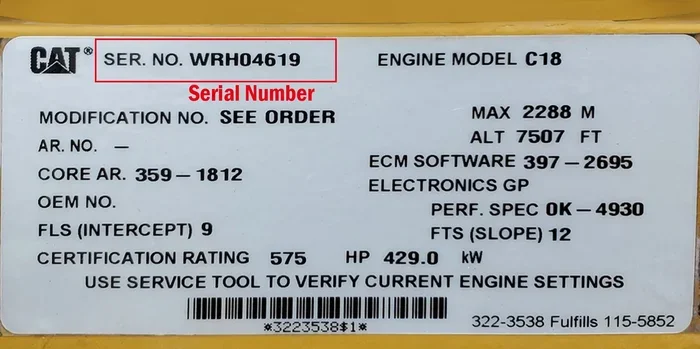
An engine number is a unique code stamped directly onto your vehicle’s engine. It tells you important details like the engine type, manufacturing date, and the factory where it was built. Every engine produced has its own distinct number, so no two are ever the same.
Here is why this number matters so much:
- Vehicle identification: The engine number helps confirm that your car is exactly what the seller or manufacturer says it is.
- Fraud prevention: Matching the engine number to the vehicle records helps catch stolen or swapped engines.
- Maintenance tracking: Mechanics use the engine number to look up the correct parts and service history.
- Resale value: A verified engine number builds trust with buyers and can increase your car’s market value.
- Legal compliance: Many regions require engine verification during registration or inspection processes.
Without the engine number, tracing your vehicle’s true history becomes much harder. That is why taking a few minutes to verify it can pay off big time.
Where Can You Find the Engine Number?
Finding the engine number might sound tricky, but it is actually quite accessible. The number is typically stamped or etched in a few common spots. Let us walk you through them.
On the Engine Block
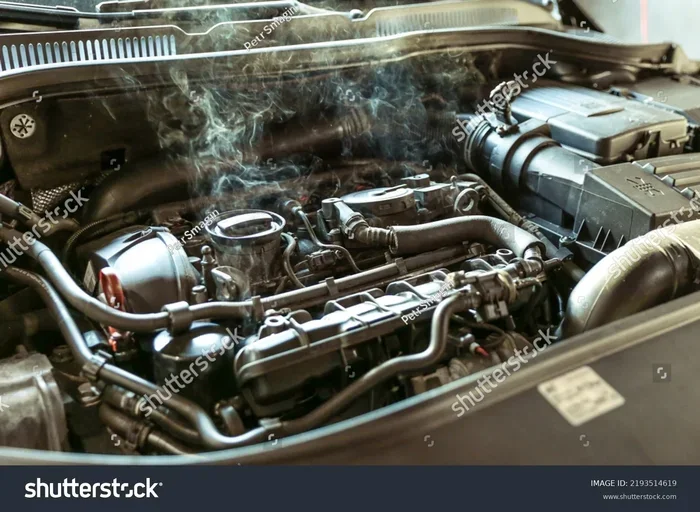
The most common place to find the engine number is directly on the engine block. This is the large metal structure that houses all the moving parts of your engine. Depending on your vehicle make and model, you might find it on the front, side, or top of the block.
You may need to clean a small area with a rag or brush to see it clearly. Grease and dirt can build up over time and make the number hard to read. Use a flashlight to get a good look, especially if the engine bay is dark.
On the Vehicle Documentation
Your vehicle paperwork is another great source for the engine number. Check the following documents:
- Vehicle registration certificate: This official document lists the engine number alongside other key details.
- Owner’s manual: Many manufacturers include the engine number in the manual for quick reference.
- Service records: Past maintenance logs often record the engine number for parts compatibility.
If you have lost your paperwork, you can usually request copies from your local motor vehicle department or the dealership where you purchased the car.
On the Vehicle Identification Number Plate
Some vehicles have a separate plate or sticker that displays both the engine number and the vehicle identification number, commonly known as the VIN. This plate is often located on the dashboard near the windshield or on the driver’s side door jamb.
Remember, the engine number and the VIN are not the same thing. The VIN identifies the entire vehicle, while the engine number is specific to the engine itself. Confusing the two is a common mistake, so always double-check which number you are looking at.
How to Verify the Engine Number Step by Step
Now that you know where to look, let us go through the actual verification process. Follow these steps carefully to make sure everything matches up.
Step 1: Gather Your Documents
Before you get your hands dirty, collect all relevant documents. You will need the vehicle registration, the owner’s manual, and any service records you can find. Having these ready makes the comparison process much smoother.
Step 2: Locate the Engine Number on the Block
Open the hood and find the engine block. Look for a raised or stamped sequence of numbers and letters. It is usually about 4 to 8 characters long, though some engines have longer codes. Use a clean cloth to wipe the area if needed.
Take a clear photo of the number with your phone. This makes it easier to compare later and share with a mechanic if needed.
Step 3: Cross-Reference with Your Documents
Compare the number you found on the engine block with the one listed on your registration and manual. They should match exactly, including any letters, dashes, or spaces.
If the numbers do not match, do not panic. There could be a simple explanation, such as a replacement engine or a clerical error. However, a mismatch is worth investigating further.
Step 4: Check for Consistency Across Multiple Sources
For extra confidence, verify the engine number against at least two other sources. These can include the VIN plate, the insurance documents, or a trusted mechanic’s records. Consistency across multiple sources gives you peace of mind.
Step 5: Record the Engine Number Safely
Once you have confirmed the engine number, save it in a secure place. Write it down in a notebook, store it in a digital file, or keep a photo in your phone gallery. This way, you always have it handy when you need it.
Why Engine Verification Is Important for Used Car Buyers
If you are shopping for a used car, verifying the engine number should be on your must-do list. A dishonest seller might try to hide important details or swap the engine without telling you. Here is what you need to watch for.
First, always ask the seller for the engine number before you commit to a purchase. A willing seller will have no problem sharing this information. If they hesitate or dodge the question, that is a red flag.
Second, physically check the engine number yourself. Do not rely solely on what the seller tells you. Go to the engine block, find the number, and compare it with the paperwork they provided.
Third, consider running a vehicle history report. Services like Carfax or AutoCheck can reveal whether the engine has been replaced or if there are any red flags in the vehicle’s past. You can also run diagnostics to check for any hidden issues with the engine or related systems.
Taking these precautions protects your investment and helps you avoid buying a vehicle with hidden problems.
Common Mistakes People Make When Checking Engine Numbers
Even though verifying an engine number is straightforward, people still make avoidable mistakes. Here are some pitfalls to watch out for.
- Confusing the engine number with the VIN: These are two different codes. The VIN belongs to the entire vehicle, while the engine number is specific to the engine. Always double-check which one you are reading.
- Not cleaning the area first: Dirt and grease can obscure the number, leading to misreading. Take a moment to wipe the surface before recording the digits.
- Relying on just one source: Always cross-reference the engine number across multiple documents. A single source might contain an error.
- Ignoring a mismatch: If the numbers do not match, do not ignore it. Investigate further or consult a trusted mechanic. A mismatch could indicate a replaced or rebuilt engine.
- Forgetting to update records: If you replace your engine or have it rebuilt, make sure the engine number is updated in your documents. Outdated records cause confusion later.
Avoiding these simple mistakes keeps the verification process accurate and stress-free.
What Does the Engine Number Tell You?
Once you have located and verified your engine number, you might wonder what it actually reveals. The answer is quite a lot.
The engine number typically contains information about the engine’s model, displacement, fuel type, and production date. Some manufacturers also encode the assembly plant location within the number. By decoding this information, you can learn valuable details about your engine’s origin and specifications.
If you want to dig deeper, many car manufacturers offer online tools where you can enter the engine number and get a detailed breakdown. You can also ask your local dealership to look it up for you. They often have access to internal databases that decode the number quickly and accurately.
For those who like to stay on top of their car’s health, you might also want to check whether you need to reset anything after routine maintenance. For example, after an oil change, you may need to reset your oil change indicator to keep your maintenance schedule on track.
How to Handle an Engine Number Mismatch
Discovering a mismatch between the engine number and your documents can be unsettling. But it does not always mean something is wrong. Here is how to handle the situation calmly and wisely.
Check for a Rebuilt or Replacement Engine
If your car has had a rebuilt or replacement engine, the engine number will naturally be different from the original. In this case, the mismatch is expected. Ask the previous owner or mechanic for documentation about the engine swap. Proper records make the situation much easier to explain.
Contact the Manufacturer or Dealership
If you cannot find a reasonable explanation for the mismatch, reach out to the manufacturer or an authorized dealership. They can look up the engine number in their system and tell you exactly what engine it belongs to. This is especially helpful for older vehicles where records may be incomplete.
Consult a Trusted Mechanic
A qualified mechanic can inspect the engine and help determine whether it matches the vehicle. They have experience spotting signs of engine swaps, rebuilds, or other modifications that might explain a number discrepancy.
Do not ignore a mismatch. Addressing it early protects you from legal issues and ensures your vehicle records remain accurate.
Tips for Keeping Your Engine Number Records Organized
Staying organized with your engine number records makes life easier every time you need them. Here are some practical tips.
- Store digital copies: Take clear photos of your engine number and save them in a cloud folder. You can access them from anywhere, anytime.
- Keep physical copies in a safe place: Store printed copies of your vehicle documents in a fireproof folder or a secure location at home.
- Update after every service: Whenever your car receives maintenance or repairs, ask the mechanic to note the engine number in the service record.
- Use a dedicated app: Several apps are designed to help car owners track maintenance, documents, and vehicle identification numbers. Find one that works for you.
- Share with a trusted person: Let a family member or close friend know where your engine number records are stored, just in case you ever need them urgently.
These small habits go a long way in keeping your vehicle ownership clean and hassle-free.
Final Thoughts on Verifying Your Engine Number
Verifying your engine number is one of the simplest yet most important things you can do for your vehicle. It takes just a few minutes, requires no special tools, and gives you valuable peace of mind. Whether you are a car owner, a buyer, or just someone who wants to understand their vehicle better, this knowledge is well worth the effort.
Remember to check the engine block, cross-reference your documents, and always watch out for mismatches. Keep your records organized and up to date. These habits protect your investment and keep you one step ahead of potential problems.
Your car’s engine number is its unique identity. Treat it with the same care you give to the rest of your vehicle, and you will reap the benefits for years to come.
Frequently Asked Questions
Can I verify the engine number without opening the hood?
Yes, in many cases. You can find the engine number listed on your vehicle registration, owner’s manual, or insurance documents without ever opening the hood. However, physically checking the engine block is the most reliable method and is recommended whenever possible.
Is the engine number the same as the VIN?
No, the engine number and the VIN are different. The VIN identifies the entire vehicle, while the engine number is specific to the engine. Both are important for vehicle identification, but they serve different purposes and contain different information.
What should I do if the engine number is worn or unreadable?
If the engine number is hard to read, try cleaning the area with a cloth and using a flashlight. You can also check your vehicle documents for the recorded number. If the number is completely illegible, visit a dealership or mechanic who can help decode it using their databases.
Does the engine number change after a rebuild?
Yes, if the engine has been rebuilt or replaced, the engine number will likely be different from the original. Always ask for documentation of any engine work and update your vehicle records accordingly to avoid confusion later.
Can I use the engine number to find compatible parts?
Absolutely. The engine number is one of the best ways to find the right parts for your vehicle. Auto parts stores and online retailers often use the engine number to narrow down compatible components, ensuring a perfect fit for your engine.
How often should I verify my engine number?
There is no set schedule, but it is a good idea to verify the engine number whenever you buy or sell a vehicle, after major engine work, or when updating your vehicle records. Making it a habit during routine maintenance checks also helps keep your information current.