How Do I Know If My Cabin Air Filter Needs Replacing
Your cabin air filter keeps the air inside your car clean and fresh. A dirty filter causes weak airflow, weird smells, and poor air quality. Knowing the warning signs helps you replace it at the right time and keep your car running smoothly.
Your car does a lot to protect you while you drive. It shields you from rain, wind, and road noise. But what about the air you breathe inside the cabin? That is where the cabin air filter comes in. This small but mighty component works hard to keep dust, pollen, and pollutants out of your car. Over time, it gets clogged and stops working properly. So how do you know when it is time to replace it? In this guide, we will walk you through every sign, symptom, and solution. You will learn exactly what to look for and when to act.
Many car owners overlook the cabin air filter until problems become obvious. A dirty filter does not just affect air quality. It can also impact your vehicle’s HVAC system and overall comfort. The good news is that checking and replacing this filter is simple and affordable. Whether you are a seasoned DIYer or a complete beginner, this article has you covered. Let us dive in and explore everything you need to know about your cabin air filter.
Key Takeaways
- Reduced airflow from vents: A clogged filter restricts air, making your AC and heater less effective.
- Unpleasant odors: A dirty filter traps mold, dust, and debris that create bad smells inside your car.
- Increased allergy symptoms: A worn filter lets pollen, dust, and pollutants enter the cabin.
- Visible dirt and debris: Inspecting the filter yourself can reveal buildup that signals replacement time.
- Replacement interval matters: Most cabin air filters need changing every 12,000 to 30,000 miles or once a year.
- DIY replacement is easy: You can replace most cabin air filters yourself in under 30 minutes.
📑 Table of Contents
- What Is a Cabin Air Filter and Why Does It Matter?
- Top Signs Your Cabin Air Filter Needs Replacing
- How Often Should You Replace Your Cabin Air Filter?
- Can You Replace the Cabin Air Filter Yourself?
- Benefits of Regular Cabin Air Filter Replacement
- How Much Does a Cabin Air Filter Replacement Cost?
- Common Myths About Cabin Air Filters
- When to Seek Professional Help
- Final Thoughts
What Is a Cabin Air Filter and Why Does It Matter?
The cabin air filter is a small pleated filter located inside your vehicle’s HVAC system. It sits between the outside air and your car’s interior. Its job is to trap dust, pollen, mold spores, and other airborne particles. This keeps the air inside your car clean and healthy to breathe.
Most modern vehicles come equipped with one. But many drivers do not even know it exists. The filter works similarly to the air filter in your home HVAC system. It captures contaminants before they enter the cabin. Without it, you and your passengers would breathe in all kinds of pollutants every time you drive.
How the Cabin Air Filter Works
When your car’s fan pulls air in from outside, it passes through the cabin air filter first. The filter traps particles like dust, pollen, soot, and even tiny insects. Clean air then flows into the cabin through the vents. This process happens every time you turn on the fan or air conditioning.
Over time, all those trapped particles build up. The filter becomes saturated and less effective. Airflow decreases, and pollutants start slipping through. This is when you begin to notice problems. That is why regular inspection and timely replacement matter so much.
Where Is the Cabin Air Filter Located?
The location varies by vehicle model. In most cars, you will find it behind the glove box. Some vehicles place it under the dashboard or near the windshield base. Check your owner’s manual for the exact location. If you are unsure, a quick search online with your vehicle’s make and model can help you find it.
Top Signs Your Cabin Air Filter Needs Replacing
Your car gives you plenty of warning signs when the cabin air filter is due for replacement. Learning to recognize these signals can save you from discomfort and costly repairs. Here are the most common indicators that your filter needs attention.
Reduced Airflow from the Vents
This is the most obvious sign of a dirty cabin air filter. When the filter becomes clogged with dust and debris, it restricts airflow. You may notice that your vents blow much weaker air than usual. This is especially noticeable when you turn the fan to a higher setting.
If you find yourself constantly cranking up the fan but getting little relief, the filter is likely the culprit. Reduced airflow also puts extra strain on your HVAC blower motor. Over time, this can lead to more serious and expensive repairs. Do not ignore weak airflow. It is one of the clearest signals that your cabin air filter needs replacing.
Unpleasant Odors Coming From the Vents
A healthy cabin air filter should not produce any smell. But when it gets dirty, it can develop a musty or moldy odor. This happens when moisture gets trapped in the filter along with dust and organic matter. Mold and bacteria begin to grow, creating a foul smell that blows into your car.
If you notice a musty or rotten smell when you first turn on your AC, check your filter. This is especially common in humid climates or after the rainy season. A quick replacement often solves the problem completely. Your car should smell fresh and clean, not musty and damp.
Increased Allergy Symptoms Inside the Car
Do you find yourself sneezing more while driving? Are your eyes itchy or your throat irritated inside the car? A dirty cabin air filter could be the reason. When the filter becomes saturated, it can no longer effectively trap allergens like pollen, dust, and pet dander.
This is especially important for people with allergies or asthma. A worn filter lets these particles circulate freely inside the cabin. If your allergy symptoms worsen while driving but improve when you step outside, your cabin air filter may be to blame. Replacing it can make a noticeable difference in your comfort and health.
Visible Dirt and Debris on the Filter
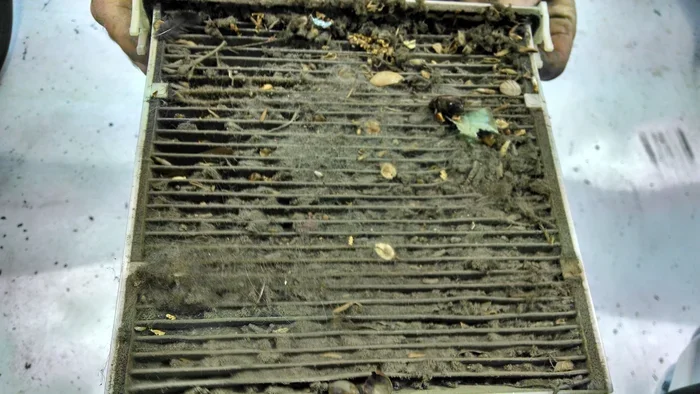
Sometimes the best way to know if your filter needs replacing is to simply look at it. Most cabin air filters are easy to access and inspect. Open the housing, pull out the filter, and hold it up to the light. If you cannot see light passing through, the filter is too dirty and needs replacement.
Look for visible layers of dust, dirt, leaves, or other debris. A clean filter should appear mostly white or light gray. If it looks dark brown or black, it is definitely time for a new one. This simple visual check takes only a minute and can save you from bigger problems down the road.
Noisy Blower Motor
A clogged cabin air filter forces your blower motor to work harder. This can cause unusual noises coming from the ventilation system. You might hear whistling, rattling, or straining sounds when the fan is on.
These noises indicate that the motor is struggling to push air through a dirty filter. Ignoring this can lead to blower motor failure over time. If you hear strange sounds from your vents, inspect the cabin air filter. It may just need a simple swap.
Poor Air Conditioning Performance
Your AC relies on proper airflow to cool the cabin effectively. A dirty cabin air filter restricts this airflow, making the AC less efficient. You may notice that the air coming from the vents is not as cold as it used to be.
In hot weather, this can make driving uncomfortable and even unsafe. If you find yourself constantly adjusting the temperature or fan speed, the filter could be the issue. Replacing it often restores your AC to full cooling power. This is a quick fix that makes a big difference on those hot summer days.
How Often Should You Replace Your Cabin Air Filter?
The replacement interval depends on several factors. Your driving conditions, environment, and vehicle model all play a role. However, most manufacturers recommend replacing the cabin air filter every 12,000 to 30,000 miles. A good rule of thumb is to check it once a year.
Factors That Affect Filter Life
Several conditions can shorten the life of your cabin air filter. Understanding these factors helps you determine the right replacement schedule for your situation.
- Driving in dusty or rural areas: Gravel roads and construction zones fill the filter faster.
- High pollen seasons: Spring and fall can clog the filter quickly if you drive with windows cracked.
- Urban driving with heavy traffic: Exhaust fumes and pollution deposit more particles on the filter.
- Frequent use of the AC or heater: The more you run your ventilation system, the faster the filter fills up.
- Pets in the car: Pet hair and dander accumulate on the filter faster than you might expect.
Recommended Replacement Intervals by Driving Condition
Your driving environment plays a huge role in how quickly the filter gets dirty. Here is a simple breakdown of recommended replacement intervals based on common driving conditions.
- Normal driving conditions: Replace every 30,000 miles or once a year.
- Dusty or unpaved roads: Replace every 15,000 to 20,000 miles.
- Heavy traffic or urban pollution: Replace every 15,000 to 20,000 miles.
- High pollen or allergy season: Replace before the season starts or every 12,000 miles.
- Frequent short trips: Replace every 12,000 to 15,000 miles, as moisture builds up faster.
Always refer to your vehicle’s owner manual for the manufacturer’s specific recommendation. Some vehicles have a cabin air filter indicator that alerts you when it is time for a replacement. If your car has this feature, pay attention to it.
Can You Replace the Cabin Air Filter Yourself?
The short answer is yes. In most vehicles, replacing the cabin air filter is a straightforward DIY job. You do not need special tools or mechanical expertise. Many car owners complete the replacement in just 15 to 30 minutes.
Tools You Will Need
You will need very few tools for this task. A flathead screwdriver or trim removal tool is usually sufficient. You will also need the replacement filter, which you can buy at most auto parts stores or online. Make sure to get the correct filter size for your specific vehicle model.
Step-by-Step Replacement Guide
Follow these simple steps to replace your cabin air filter at home. This process works for most common vehicle models.
- Locate the filter housing: Check your owner’s manual to find the exact location. It is typically behind the glove box or under the dashboard.
- Remove the glove box or access panel: Most glove boxes have clips or screws that hold them in place. Simply unclip or unscrew them to access the housing.
- Open the filter housing: The housing cover usually lifts off or pops out. Be careful not to damage any clips or tabs.
- Remove the old filter: Pull out the old filter and note the airflow direction arrow printed on it. This arrow shows which way the air flows through the filter.
- Insert the new filter: Place the new filter in the housing with the airflow arrow pointing in the correct direction. Make sure it sits snugly in place.
- Reassemble the housing and glove box: Put the cover back on and reattach the glove box or access panel. Make sure all clips are secure.
If you are not comfortable doing this yourself, any mechanic or dealership can do it for you. The cost of the filter itself is usually between 20 and 50 dollars. Labor costs, if you pay someone, are typically minimal since it is a quick job.
Common Mistakes to Avoid During Replacement
- Installing the filter backwards: Always follow the airflow direction arrow. A backwards filter reduces effectiveness.
- Forgetting to check for debris: Before inserting the new filter, clear any leaves or debris from the housing.
- Using the wrong filter size: Always double-check that the replacement filter matches your vehicle’s specifications.
- Ignoring the filter housing seal: Make sure the housing seals properly. Gaps let unfiltered air bypass the filter.
Benefits of Regular Cabin Air Filter Replacement
Replacing your cabin air filter on schedule offers many benefits beyond just fresh air. Let us look at why this simple maintenance task is so important.
Improved Air Quality Inside the Car
A clean cabin air filter traps dust, pollen, smog, and other airborne particles. This means the air you and your passengers breathe is significantly cleaner. For allergy sufferers, this alone is worth the small cost of replacement.
Better HVAC System Performance
When the filter is clean, air flows freely through the system. Your heater and AC work more efficiently and reach the desired temperature faster. This also reduces strain on the blower motor, potentially extending its lifespan.
Healthier Environment for Passengers
Children, elderly passengers, and those with respiratory conditions are especially sensitive to poor air quality. A clean filter helps protect everyone in the car from irritants and allergens. It is a small change that makes a big difference for your family’s health.
Prevention of Costly Repairs
A clogged filter puts extra stress on your HVAC system. Over time, this can lead to blower motor failure or other expensive repairs. Regular replacement is a cheap way to avoid these larger costs. Think of it as preventive maintenance that pays for itself.
While you are thinking about vehicle maintenance, it is also worth checking other filters and components. For example, understanding how your car’s weight capacity works helps you avoid overloading and causing unnecessary wear. Similarly, keeping up with regular maintenance like checking fluid levels and tire pressure keeps your car running at its best.
How Much Does a Cabin Air Filter Replacement Cost?
The good news is that cabin air filter replacement is one of the most affordable maintenance tasks. The filter itself typically costs between 20 and 50 dollars, depending on your vehicle model and the filter brand. If you replace it yourself, that is all you will spend.
If you take your car to a dealership or independent mechanic, you will also pay for labor. However, since the job takes only 15 to 30 minutes, labor costs are usually between 25 and 75 dollars. The total cost typically ranges from 45 to 125 dollars including parts and labor.
Compare this to the cost of replacing a blower motor or repairing HVAC damage caused by a neglected filter. The savings are significant. Regular cabin air filter replacement is one of the best returns on investment you will find in car maintenance.
Common Myths About Cabin Air Filters
There are several misconceptions about cabin air filters that keep drivers from maintaining them properly. Let us clear up a few of the most common ones.
Myth 1: Cabin Air Filters Are Only for Luxury Cars
Many drivers believe cabin air filters are only found in expensive or newer vehicles. In reality, most cars manufactured after 2000 come equipped with one. Even some older models have them. Check your owner’s manual to confirm whether your vehicle has one.
Myth 2: You Do Not Need to Replace It Unless You Notice Problems
Waiting for obvious symptoms means the filter has already been compromised for some time. Proactive replacement keeps your air quality at its best and prevents strain on your HVAC system. Do not wait for problems to appear.
Myth 3: The Engine Air Filter and Cabin Air Filter Are the Same
These are two different filters with different jobs. The engine air filter cleans air going into the engine. The cabin air filter cleans air entering the passenger compartment. Both need regular replacement, but they serve entirely different purposes. If you are unsure about your engine air filter, you can learn about cleaning versus replacing your engine air filter for more guidance.
Myth 4: Cabin Air Filters Last the Life of the Vehicle
This is simply not true. Cabin air filters collect pollutants and become saturated over time. They must be replaced periodically to function correctly. Treat them like any other consumable part, such as oil or windshield wipers.
When to Seek Professional Help
While cabin air filter replacement is easy for most drivers, there are times when professional help makes sense. If your vehicle’s filter is located in a hard-to-reach spot, a mechanic can handle it quickly. Additionally, if you notice persistent HVAC problems even after replacing the filter, a professional inspection is warranted.
Other signs that you need expert help include persistent musty smells after replacement, unusual noises from the ventilation system that do not go away, or visible mold growth inside the HVAC ducts. These issues may indicate a deeper problem beyond just a dirty filter. A qualified technician can diagnose and address the root cause.
Also, if you are unsure about the filter location or replacement process for your specific vehicle, do not hesitate to consult a professional. Many dealerships and quick-lube shops offer cabin air filter replacement as part of routine maintenance services. It is a quick and painless way to keep your car in top shape.
Final Thoughts
Your cabin air filter plays a bigger role in your driving comfort than most people realize. It keeps the air clean, reduces allergens, and helps your HVAC system work efficiently. Paying attention to the warning signs of a dirty filter can save you from discomfort, health issues, and costly repairs.
The next time you notice weak airflow, strange smells, or increased allergy symptoms while driving, check your cabin air filter. It is one of the simplest and most affordable maintenance tasks you can do. Whether you replace it yourself or have a professional do it, staying on top of this small part makes a big difference in your daily driving experience.
Make it a habit to inspect your cabin air filter at least once a year. Set a reminder on your phone or mark it in your maintenance log. Your lungs, your passengers, and your vehicle will all thank you. Clean air inside your car is not a luxury. It is a basic part of safe and comfortable driving.
For more tips on keeping your vehicle in excellent condition, explore our other maintenance guides. Whether you are looking for advice on vehicle upgrades or general car care, we have you covered with expert insights and practical guidance.
Frequently Asked Questions
How do I know if my cabin air filter is dirty?
You can tell your cabin air filter is dirty if you notice reduced airflow from the vents, musty odors, increased allergy symptoms, or visible dirt on the filter. Simply pull out the filter and hold it up to the light. If you cannot see light through it, it is time for a replacement.
What happens if you never change your cabin air filter?
If you never change your cabin air filter, it becomes completely clogged with dust, pollen, and debris. This restricts airflow, reduces AC performance, and allows pollutants into your cabin. Over time, it can also strain your blower motor and lead to costly HVAC repairs.
Can a dirty cabin air filter affect your health?
Yes, a dirty cabin air filter can negatively affect your health. When the filter is saturated, it can no longer trap allergens, mold spores, and pollutants. These particles then circulate inside your car, which can trigger allergies, asthma symptoms, and respiratory irritation.
Is cabin air filter replacement expensive?
No, cabin air filter replacement is very affordable. The filter itself costs between 20 and 50 dollars. If you do it yourself, that is all you will spend. If you pay a mechanic, the total cost including labor usually ranges from 45 to 125 dollars.
How long does it take to replace a cabin air filter?
Most drivers can replace a cabin air filter in 15 to 30 minutes. The process is straightforward and requires only basic tools. If you are doing it for the first time, give yourself about an hour to be comfortable with the steps.
Can I drive with a bad cabin air filter?
You can drive with a bad cabin air filter, but it is not recommended. A dirty filter reduces air quality, strains your HVAC system, and can cause discomfort during driving. It is best to replace it as soon as you notice any warning signs.
=== CONCLUSION ===
Knowing how to recognize the signs of a dirty cabin air filter is an essential part of vehicle ownership. From reduced airflow and unpleasant smells to allergy symptoms and noisy blower motors, your car gives you plenty of clues. The key is to stay proactive and replace your filter before it causes bigger problems. This simple maintenance task keeps your air clean, your HVAC system healthy, and your driving experience comfortable. Make cabin air filter replacement a regular part of your car care routine, and you will feel the difference every time you get behind the wheel.