Is There a Separate Reservoir for the Rear Washer Fluid
Not all vehicles have a separate reservoir for rear washer fluid. Many cars share a single tank for both front and rear windshield washer systems, while others use a dedicated rear reservoir. Knowing which setup your car has helps you maintain proper fluid levels and keep your rear windshield clear. This guide covers everything you need to know about rear washer fluid reservoirs.
Driving in rain or snow can be tough. Your wipers work hard to keep the front windshield clear. But what about the rear window? If you have a rear wiper, you know how important it is for visibility. And that brings up a common question. Is there a separate reservoir for the rear washer fluid? The answer might surprise you. Some cars have one tank for all washer fluid. Others split the system into two. This matters more than most drivers think.
Understanding your car’s washer system helps you stay safe on the road. It also saves you time and money on repairs. In this guide, we will break down everything you need to know. We will cover how the system works. We will look at where the reservoir sits. And we will walk you through how to refill it. By the end, you will feel confident about your rear washer setup.
Key Takeaways
- Not all cars have a separate rear reservoir: Many vehicles use one shared tank for front and rear washer fluid.
- Location varies by vehicle: The rear washer reservoir may be under the hood, inside the trunk, or mounted behind the rear panel.
- Low fluid causes poor rear visibility: A dry reservoir means your rear windshield won’t get cleaned when you need it most.
- Refilling is simple: You can top off most reservoirs with standard washer fluid in just a few minutes.
- Watch for warning signs: Weak spray, no spray, or a warning light on your dashboard can signal a low or empty reservoir.
- Regular maintenance matters: Checking your washer fluid levels regularly keeps your car safe and road-ready.
📑 Table of Contents
- What Is the Rear Washer Fluid Reservoir?
- Do All Cars Have a Separate Reservoir for Rear Washer Fluid?
- How to Find and Locate the Rear Washer Reservoir
- Signs Your Rear Washer Fluid Reservoir Needs Attention
- How to Refill and Maintain the Rear Washer Fluid Reservoir
- Common Problems with Rear Washer Fluid Systems
- Expert Tips for Keeping Your Rear Washer System in Top Shape
- Conclusion
What Is the Rear Washer Fluid Reservoir?
The rear washer fluid reservoir is a small tank that holds liquid for your rear windshield wiper. When you pull the lever or press the button, a pump sends fluid through a hose. The fluid sprays out of a nozzle on the rear of the car. This cleans dirt, bugs, mud, and grime off the back window.
Most washer fluid is blue or green. It contains water, methanol, and cleaning agents. Some fluids are designed for winter use. These winter washer fluids have a lower freezing point. They help prevent the system from freezing in cold weather.
How the Rear Washer System Works
The rear washer system is simple. It has a few key parts:
- Reservoir: This is the tank that holds the fluid.
- Pump: This small electric pump pushes the fluid out.
- Hose: A tube connects the pump to the nozzle.
- Nozzle: This is the small sprayer on the rear of the car.
- Wiper: The rear wiper blade wipes the fluid across the glass.
When you activate the rear washer, the pump turns on. It pushes fluid from the reservoir through the hose. The fluid sprays out of the nozzle onto the rear windshield. The wiper then clears the glass. This all happens in a few seconds.
Some cars use a shared pump system. Others have a dedicated pump just for the rear. The setup depends on the vehicle model and maker. But the basic idea is the same. Fluid goes from the tank to the glass.
Do All Cars Have a Separate Reservoir for Rear Washer Fluid?
The short answer is no. Not every car has a separate reservoir for the rear washer fluid. Many vehicles use just one reservoir for both the front and rear windshield washers. This is the most common setup in modern cars. A single tank sits under the hood. It connects to both the front and rear spray systems.
However, some vehicles do have a dedicated rear reservoir. This is more common in certain types of cars. Let us look at the two main setups.
Single Reservoir Setup
In a single reservoir setup, one tank serves both the front and rear washers. This is the standard design for most sedans, SUVs, and trucks. The tank is usually located near the front of the engine bay. It connects to the front washer system through one set of hoses. A second hose runs to the rear of the car.
This design is simple and cost-effective. It also means you only need to check one fluid level. The downside is that if you run low, both systems suffer. You might lose front spray before the rear, or vice versa.
Dual Reservoir Setup
A dual reservoir setup uses two separate tanks. One tank holds fluid for the front washer. The other tank is the rear washer fluid reservoir. This design is more common in luxury cars, trucks with large rear windows, and vehicles designed for off-road use.
Having two tanks gives you more control. You can fill up the rear reservoir separately. This is helpful if you use the rear wiper more often than the front. For example, if you tow a trailer, the rear window gets dirty fast. A separate tank lets you keep the rear system full without worrying about the front.
Which Setup Does Your Car Have?
To find out which setup your car uses, check your owner’s manual. The manual will show a diagram of the washer system. It will tell you if there is one tank or two. You can also look under the hood. If you see one washer fluid cap, you likely have a single reservoir. If you see two caps, you have a dual setup.
Here is a quick comparison of the two setups:
| Feature | Single Reservoir | Dual Reservoir |
|---|---|---|
| Number of Tanks | One | Two |
| Rear Washer Fluid | Shared with front | Separate tank |
| Common In | Most sedans, SUVs, trucks | Luxury cars, trucks, off-road vehicles |
| Refill Convenience | One fill point | Two fill points |
| Cost | Lower | Slightly higher |
| Rear-Only Refill | Not possible | Yes |
How to Find and Locate the Rear Washer Reservoir
Finding your rear washer fluid reservoir is not always easy. The location depends on your car’s design. Let us walk through the most common places to look.
Under the Hood
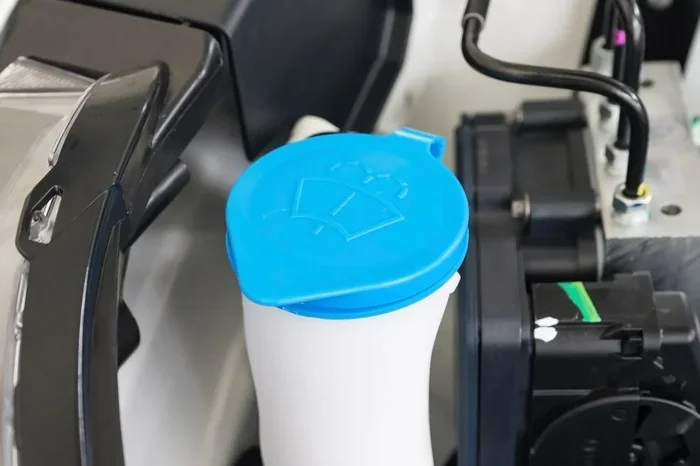
In most cars with a single reservoir, the tank sits under the hood. Look for a small plastic tank with a cap that has a windshield wiper symbol on it. The cap is usually blue or white. In single-reservoir setups, this one tank feeds both the front and rear washers.
If your car has a dual setup, there may be two caps under the hood. One is for the front. The other is the rear washer fluid reservoir. The rear reservoir cap may have a different symbol or marking. It might say “rear” or have a small arrow pointing backward.
Inside the Trunk or Cargo Area
Some vehicles place the rear washer reservoir inside the trunk or cargo area. This is common in cars where under-hood space is tight. In these vehicles, you will find the tank behind the rear panel or inside a storage compartment. Check your owner’s manual for the exact location.
Behind the Rear Bumper or Panel
In a few car models, the rear washer reservoir is mounted behind the rear bumper or panel. This is more common in trucks and SUVs with large rear windows. You may need to remove a plastic cover or panel to access it. This setup can make refilling a bit less convenient, but it keeps the tank out of sight.
Here are some quick tips to help you find your reservoir:
- Check the owner’s manual: It will have a diagram and exact location.
- Look for the wiper symbol: The cap will have a windshield wiper icon.
- Follow the hoses: Trace the rubber hose from the rear nozzle back to the tank.
- Ask a mechanic: If you cannot find it, a quick trip to a shop can sort it out.
Signs Your Rear Washer Fluid Reservoir Needs Attention
It is easy to ignore the rear washer system until it stops working. But there are clear signs that your reservoir needs attention. Watching for these signs can help you avoid a dirty rear window at a bad time.
No Spray From the Rear Nozzle
The most obvious sign is no spray at all when you press the rear washer button. This usually means the reservoir is empty. It could also mean a hose is disconnected or a pump has failed. Start by checking the fluid level first. If the tank is dry, that is your answer.
Weak or Intermittent Spray
If the spray is weak or comes out in bursts, the fluid level is likely low. A nearly empty reservoir puts strain on the pump. The pump has to work harder with less fluid. This can also cause air bubbles in the hose. The result is an inconsistent spray pattern.
Rear Wiper Leaves Streaks
A rear wiper that leaves streaks may not need a new blade. It may just need fluid. Without enough washer fluid, the wiper cannot pick up dirt properly. It drags grime across the glass instead of clearing it. Before you buy a new wiper, try refilling the reservoir first.
Warning Light on the Dashboard
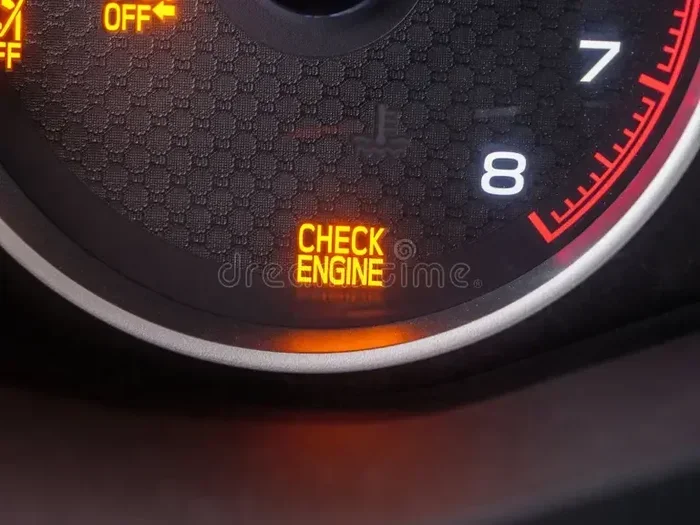
Some newer cars have a dashboard warning light for low washer fluid. If you see a wiper or fluid icon on your dash, do not ignore it. Check the fluid levels right away. This light is a clear signal that your rear washer fluid reservoir or front reservoir needs a top-off.
Unusual Smell or Discoloration
If the washer fluid smells strange or looks dark, it may be contaminated. Old fluid can collect dust and debris in the tank. This can clog the nozzles and hoses. Flush the system and refill with fresh washer fluid if you notice these signs.
How to Refill and Maintain the Rear Washer Fluid Reservoir
Refilling your rear washer fluid is one of the easiest car maintenance tasks. You do not need any special tools. Most people can do it in under five minutes. Here is how to do it step by step.
Step-by-Step Refill Guide
- Park the car on a flat surface. Make sure the engine is off and cool.
- Open the hood. Prop it up with the support rod.
- Locate the reservoir. Find the cap with the windshield wiper symbol.
- Remove the cap. Twist it counterclockwise or pull it straight up.
- Pour in washer fluid. Use a funnel if the opening is small. Fill to the max line.
- Replace the cap. Twist it clockwise until it clicks into place.
- Test the system. Go to a safe spot and spray the rear washer. Make sure fluid comes out strong.
That is it. You are done. It is that simple.
What Kind of Washer Fluid Should You Use?
Not all washer fluids are the same. Here are the main types you will find on store shelves:
- All-season washer fluid: Works in most weather conditions. It cleans well and resists freezing down to about -20°F.
- Winter-grade washer fluid: Designed for freezing temperatures. It can handle lows of -40°F or colder. Use this in winter months.
- Bug and tar remover: A specialty fluid that breaks down insect residue and road tar. Great for summer driving.
- Water-based DIY mix: Some people mix water with a small amount of glass cleaner. This works in a pinch but is not as effective as store-bought fluid.
For most drivers, a good all-season fluid is the best choice. It handles everyday dirt and works in a wide range of temperatures. If you live in a cold climate, switch to a winter-grade fluid before the first frost.
Maintenance Tips for Long-Lasting Performance
Keeping your rear washer system in good shape takes very little effort. Follow these simple tips:
- Check fluid levels monthly: A quick glance under the hood keeps you from getting caught with an empty tank.
- Use genuine washer fluid: Avoid using plain water. It does not clean as well and can grow bacteria.
- Clean the nozzles: Use a pin or needle to clear any clogged spray holes. Dirt and wax can block them.
- Inspect the hoses: Look for cracks or leaks in the rubber hoses. Replace any damaged ones right away.
- Run the rear washer regularly: Even if the rear window looks clean, use it once a month. This keeps the pump working and prevents the fluid from going stale.
Common Problems with Rear Washer Fluid Systems
Like any car system, the rear washer setup can develop problems over time. Most issues are minor and easy to fix. Here are the most common ones.
Clogged Nozzles
The most common problem is a clogged nozzle. Dirt, wax, and dried fluid can block the tiny spray holes. You can usually clear a clog with a straight pin or a needle. Simply poke into each spray hole and blow gently. The fluid should spray freely again.
Broken Washer Pump
If you have fluid but no spray, the pump may be dead. The pump is a small electric motor inside the reservoir. It can burn out over time. Replacing a pump is usually inexpensive. Parts cost between $10 and $30. Labor is simple and fast.
Leaking Hoses
The rubber hoses that connect the reservoir to the nozzle can crack or split. This causes fluid to leak out before it reaches the rear window. Look for wet spots or drips near the hoses. Replace any damaged sections to restore proper spray.
Frozen Fluid in Winter
If you live in a cold climate, washer fluid can freeze inside the reservoir or hoses. This is why using the right winter-grade fluid is so important. Never use plain water in cold weather. It will freeze and can crack the reservoir or burst a hose.
If your fluid freezes, move the car to a warm garage. Let it thaw completely before using the system. Do not try to force the pump with frozen fluid inside.
Low Fluid Due to a Slow Leak
Sometimes the reservoir itself develops a crack or loose connection. This causes a slow leak. You may notice the fluid level dropping faster than normal. Inspect the tank and connections regularly. Replace a cracked reservoir before it empties completely.
Rear Washer Not Working but Front Is Fine
If the front washer works but the rear does not, the problem is usually in the rear-specific parts. Check the rear reservoir level first. Then look at the rear hose and pump. In dual-reservoir setups, the front and rear systems are independent. A problem with one does not affect the other.
Expert Tips for Keeping Your Rear Washer System in Top Shape
We asked a few experienced auto mechanics for their best tips on rear washer maintenance. Here is what they had to say.
Tip 1: Do not wait until the fluid is completely empty. Running the pump dry can burn it out. Keep the reservoir at least one-quarter full at all times.
Tip 2: Use a winter blend in cold climates. Even if the temperature has not dropped yet, switch to winter fluid early. It is better to be safe than to deal with a frozen system.
Tip 3: Clean the reservoir cap area before opening. Dirt and debris around the cap can fall into the fluid. Wipe the cap and surrounding area with a cloth before you remove it.
Tip 4: Flush the system once a year. Old washer fluid can build up sediment. Draining and refilling the reservoir once a year keeps the system clean and working well.
Tip 5: Check the rear hose routing after winter. Cold weather can make rubber hoses brittle. Inspect them for cracks or damage after the winter season ends.
Conclusion
So, is there a separate reservoir for the rear washer fluid? The answer depends on your vehicle. Many cars use a single shared reservoir for both front and rear washers. Others have a dedicated rear reservoir that keeps the systems independent. Both setups work well when properly maintained.
Knowing which setup your car has makes a big difference. It helps you refill the right tank. It also helps you troubleshoot problems faster. Whether you have a single or dual reservoir, keeping the fluid topped off is essential. A clean rear window improves your visibility and keeps you safe on the road.
Take a few minutes to check your rear washer fluid today. It is one of the smallest maintenance tasks, but it makes a big impact. Keep your fluid fresh, your nozzles clear, and your rear window clean. Your future self will thank you the next time you are driving in the rain.
Frequently Asked Questions
Can I use water instead of washer fluid in the rear reservoir?
You can, but it is not recommended. Water does not clean as well as washer fluid. It can also freeze in cold weather and grow bacteria over time. Stick to proper washer fluid for the best results and system protection.
How often should I check my rear washer fluid level?
Check your rear washer fluid at least once a month. If you drive often or in dirty conditions, check it more frequently. A quick glance under the hood takes only a few seconds and can save you from a surprise empty tank.
What happens if I run the rear washer pump dry?
Running the pump dry can burn it out. The pump motor needs fluid to stay cool during operation. Without fluid, it overheats quickly. If this happens, you will need to replace the pump, which costs between $10 and $30 for parts plus labor.
Is it expensive to replace a rear washer fluid reservoir?
No, it is very affordable. A replacement reservoir typically costs between $15 and $40 for the part. If you take it to a shop, labor adds about $50 to $100. But many car owners can replace it themselves in under 30 minutes.
Why does my rear washer spray only work intermittently?
Intermittent spray usually means the fluid level is low or the nozzle is clogged. Check the fluid level first. If the tank is full, try cleaning the nozzle with a pin. If the problem continues, the pump or hose may have an air leak or blockage.
Can I add rear washer fluid to the front reservoir if they are shared?
Yes, in a single-reservoir setup, any washer fluid you add goes to both the front and rear systems. There is no need to separate them. Just make sure you use the right type of fluid for your climate and driving conditions.