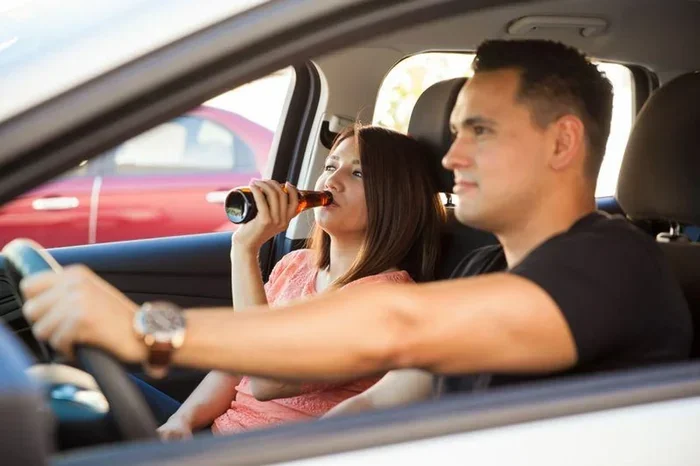
Can a Passenger Drink in a Car in Florida Right Now
Can a passenger drink in a car in Florida? The short answer is no. Florida law strictly prohibits open alcohol containers in the passenger area of any vehicle. Both drivers and passengers can face serious penalties, including fines and even jail time. Understanding Florida open container laws can save you from costly mistakes and legal trouble on the road.
Key Takeaways
- Passengers cannot drink alcohol in a car in Florida. The law applies to all occupants of the vehicle.
- Open container laws in Florida are strict and cover any vehicle on a public road.
- Penalties for violations can include fines up to $500 and even jail time in some cases.
- Exceptions exist for certain vehicles like limousines, buses, and motorhomes with living quarters.
- Proper storage in the trunk is the safest way to transport open alcohol containers.
- Florida Statute 316.1936 is the key law governing open containers in vehicles.
- Both drivers and passengers share responsibility for following alcohol container laws.
📑 Table of Contents
- Can a Passenger Drink in a Car in Florida? Here Is What You Need to Know
- Understanding Florida Open Container Laws
- Penalties for Violating Open Container Laws in Florida
- Exceptions: When Is It Legal?
- Where Should You Store Alcohol in a Vehicle?
- How Florida Laws Compare to Other States
- What Happens During a Traffic Stop?
- Special Situations to Be Aware Of
- Tips to Stay Safe and Legal
- Frequently Asked Questions
- Final Thoughts on Passenger Drinking Laws in Florida
Can a Passenger Drink in a Car in Florida? Here Is What You Need to Know
You are cruising down a Florida highway. The sun is blazing. Your friend sitting next to you cracks open a cold beer. It looks harmless. But here is the thing — that simple act could land both of you in legal trouble.
Can a passenger drink in a car in Florida? The answer is a clear and firm no. Florida has some of the strictest open container laws in the country. These laws apply to everyone in the vehicle, not just the driver.
Understanding Florida alcohol regulations is more than just knowing the rules. It is about protecting yourself, your passengers, and your wallet. A single mistake can lead to fines, license points, or even a court appearance. This guide breaks down everything you need to know about drinking in a car as a passenger in Florida.
We will cover the law itself, the penalties, the few exceptions, and practical tips to stay on the right side of Florida traffic law. Whether you are a resident or just visiting the Sunshine State, this information matters.
Understanding Florida Open Container Laws
Florida Statutes Chapter 316, Section 316.1936, is the backbone of open container vehicle regulations. This law makes it illegal to have an open or consumed alcoholic beverage inside the passenger area of a motor vehicle on a public road.
The law does not just target drivers. It applies to passenger alcohol laws as well. Anyone in the car can be held responsible.
What Counts as an Open Container?
Not sure what qualifies as an open container? Here are the basics:
- Any bottle, can, or vessel that has been opened or has a broken seal.
- Any container with contents partially consumed. Even a few sips counts.
- Any container that has had its seal broken. This includes bottles with the cap removed.
The law does not require proof that the person actually drank from the container. Simply having an open container in the passenger area is enough to violate the law. This makes Florida alcohol regulations stricter than many other states.
Where Is the Passenger Area?
The law defines the passenger area as the space designed or used for seating the driver and passengers. This includes:
- The front seat.
- The back seat.
- The area between the front and back seats.
It does not include the trunk. It does not include a locked glove compartment in some interpretations. But the safest rule is simple — if the container is within reach of any occupant, it is a problem.
Penalties for Violating Open Container Laws in Florida
Some people think getting caught with an open container is a minor issue. That is far from the truth. Drinking and driving Florida laws are taken seriously by courts and law enforcement.
Criminal Penalties
An open container violation in Florida is classified as a non-criminal traffic infraction. However, the penalties can still sting:
- Fines: Up to $500 for a first offense.
- Jail Time: Up to 60 days in some cases.
- License Points: Violations can add points to your driving record.
If the open container situation leads to a DUI stop, the consequences multiply significantly. DUI laws Florida are already harsh. Adding an open container charge makes things worse.
Civil and Insurance Consequences
Beyond criminal penalties, there are other costs to consider:
- Increased car insurance rates. Even a minor infraction can trigger premium hikes.
- Court fees and legal costs. Fighting a ticket can cost more than paying it.
- Employment impacts. Some jobs require a clean driving record.
The financial impact of a single open container violation can surprise you. It is always better to avoid the situation entirely.
Exceptions: When Is It Legal?
Are there any situations where a passenger can legally drink in a car in Florida? The exceptions are limited but real. Knowing them can save you from unnecessary trouble.
Limo Buses and For-Hire Vehicles
Passengers riding in a limousine, charter bus, or for-hire vehicle are allowed to consume alcohol. These vehicles are designed for this purpose. The driver is separated from the passenger area, and the law makes a specific allowance.
This is why you often see passengers enjoying drinks on a ride to a concert or a night out. It is legal — as long as the vehicle meets the proper classification.
Motorhomes and Recreational Vehicles
Motorhomes and recreational vehicles with a living quarters area are another exception. Passengers in the living area of an RV can legally consume alcohol while the vehicle is parked. However, the driver of the RV cannot drink while operating the vehicle.
This exception makes sense when you think about it. An RV is essentially a home on wheels. The living area is separate from the driving area.
Privately Owned Property
If the vehicle is parked on private property and not on a public road, the open container law does not apply. This means drinking in a parked car in your own driveway or in a private parking lot is not a violation of Florida vehicle code regarding open containers.
However, be careful. If a law enforcement officer observes you from a public area, they may still approach. Use common sense.
Where Should You Store Alcohol in a Vehicle?
If you need to transport alcohol in your car, proper storage is essential. Following container storage laws keeps you safe and legal.
The Trunk Is Your Best Friend
The safest and most legal place to store open alcohol containers is the trunk. The trunk is outside the passenger area as defined by law. Even if your car does not have a traditional trunk, the area behind the last row of seats typically qualifies.
Here are some practical tips for transporting alcohol:
- Place all open containers in the trunk. Make sure they are sealed or secured.
- Keep containers out of reach. Do not place them behind the driver’s seat where they are easily accessible.
- Use sealed bags for unopened containers. This adds an extra layer of clarity.
Common Mistakes People Make
Many drivers and passengers make avoidable mistakes when transporting alcohol. Here are the most common ones:
- Leaving an open bottle on the passenger seat. This is an instant violation.
- Storing a container in the cup holder. Even if the car is parked, this is risky.
- Placing containers in the back seat. The back seat is still part of the passenger area.
- Assuming the driver is the only one responsible. Passengers can also be cited.
These mistakes happen all the time. They are easy to avoid with a little awareness.
How Florida Laws Compare to Other States
Florida alcohol regulations are among the stricter ones in the United States. Let us take a quick look at how they compare.
| State | Passenger Drinking Allowed? | Open Container in Vehicle? |
|---|---|---|
| Florida | No | Illegal in passenger area |
| Alaska | No | Illegal in passenger area |
| Tennessee | No | Illegal in passenger area |
| Virginia | No | Illegal in passenger area |
| Mississippi | Yes (limited) | Partially allowed |
| Connecticut | No | Illegal in passenger area |
As you can see, most states follow a similar pattern to Florida. Only a handful of states allow passengers to drink in a vehicle. Mississippi is one of the few that has more relaxed rules.
For Florida residents and visitors alike, the rule is simple — do not drink in a car. It is not worth the risk.
What Happens During a Traffic Stop?
If a police officer pulls you over and sees an open container in the car, here is what typically happens.
The officer will identify the open container violation. They may question the driver and any passengers. In many cases, the officer will issue a citation to the person responsible for the container.
Here is what you should do if you are stopped:
- Stay calm and be polite. Arguing will not help your situation.
- Do not admit to drinking. You have the right to remain silent.
- Provide your license and registration. Cooperate with the officer.
- Contact a lawyer if needed. A legal professional can advise you on your options.
Knowing your rights during a traffic stop is important. It protects you and ensures fair treatment under Florida traffic law.
Special Situations to Be Aware Of
Some situations create gray areas that can confuse even careful drivers. Let us clear those up.
Rideshare Vehicles Like Uber and Lyft
Rideshare passengers are generally not allowed to drink alcohol in the vehicle. Uber and Lyft policies prohibit open containers. Drivers can refuse rides if they smell alcohol. Violating these rules can lead to account suspension or deactivation.
Camping and Tailgating Scenarios
Florida is famous for camping and tailgating. If you are parked at a campsite or in a parking lot for a game, the open container law still applies if you are on a public road or parking lot. Private property is the exception.
Always check the specific location rules before cracking open a drink in or near your vehicle.
Passengers Under 21 Years Old
Florida has a zero-tolerance policy for underage drinking. Any amount of alcohol in the system of a person under 21 is illegal. If a minor is found with an open container, the penalties are even more severe. This includes fines, community service, and potential license suspension.
Underage drinking and driving Florida laws are designed to protect young people. Parents and guardians should educate teens about these rules early.
Tips to Stay Safe and Legal
Staying out of trouble with Florida open container laws is straightforward. Follow these simple tips:
- Finish your drink before getting in the car. This is the easiest way to avoid any issues.
- Designate a driver. If you plan to drink, make sure someone stays sober.
- Use a designated driver service. Rideshares or taxis are great alternatives.
- Store alcohol in the trunk. If you must transport it, keep it out of the passenger area.
- Educate your passengers. Make sure everyone in the car knows the rules.
- Do not leave open containers visible. Even if they are in the trunk, keeping them out of sight is best practice.
These tips take minimal effort but offer maximum protection. They keep you safe, legal, and focused on enjoying your time in Florida.
Frequently Asked Questions
Can a passenger drink alcohol in a parked car in Florida?
Even if the car is parked on a public road or public parking lot, a passenger cannot legally drink alcohol in Florida. The open container law applies to any vehicle on a public roadway. The only exception is if the vehicle is on private property.
What happens if a passenger has an open container in Florida?
The passenger can be cited for an open container violation. The fine can be up to $500. In some cases, the driver may also be held responsible if the container was within the driver’s control.
Can you drink alcohol in the back seat of a car in Florida?
No. The back seat is still part of the passenger area under Florida law. Drinking alcohol in the back seat is illegal and can result in a citation for everyone involved.
Are there any vehicles where passengers can drink in Florida?
Yes. Passengers in limousines, charter buses, and motorhomes with living quarters are allowed to consume alcohol. These vehicles have specific design features that separate the passenger area from the driver’s area.
Is it legal to transport unopened alcohol in a car in Florida?
Yes. Unopened alcohol containers stored in the trunk or behind the last row of seats are legal to transport. The key is that the seal must be intact and the container must be outside the passenger area.
Can a driver be charged if a passenger drinks in their car?
Yes. If the driver has control over the vehicle and an open container is present, the driver can also be cited. Florida vehicle code holds both drivers and passengers accountable for open container violations.
Final Thoughts on Passenger Drinking Laws in Florida
Can a passenger drink in a car in Florida? The answer remains a definitive no. Florida takes open container laws seriously, and the penalties can affect your wallet, your record, and your life.
Understanding Florida alcohol regulations is not just about avoiding fines. It is about making smart, responsible choices. Whether you are a local or a visitor, knowing the rules keeps you safe and out of trouble.
The few exceptions that exist — limousines, buses, and RVs — are narrow and specific. For everyone else, the rule is clear. Keep alcohol out of the passenger area, store it properly in the trunk, and enjoy your drinks in a legal setting.
Share this information with friends and family. A little awareness goes a long way in preventing unnecessary legal headaches. Stay informed, stay safe, and enjoy everything Florida has to offer — responsibly.