Can You Disconnect Cruise Control Here Is What Happens
Yes, you can disconnect cruise control at any time using the brake pedal, cancel button, or the on/off switch. Understanding how to deactivate your cruise control system is essential for safe driving, especially in heavy traffic, bad weather, or emergencies. This guide covers exactly what happens when you cancel cruise control and how each method works.
Have you ever been cruising down the highway with cruise control engaged and wondered what would happen if you turned it off? Maybe you saw a sudden slowdown in traffic or the weather turned bad. Knowing how to disconnect cruise control is one of those basic driving skills that everyone should have down cold.
The good news is that canceling cruise control is simple and fast. Whether you drive a new car with adaptive cruise control or an older vehicle with a basic cruise control system, the process is straightforward. In this article, we will walk you through every method, explain what happens under the hood, and share tips to keep you safe on the road.
So let us dive right in. By the end of this guide, you will know exactly how to deactivate cruise control in any situation and why it matters more than you might think.
Key Takeaways
- Easy Deactivation: You can cancel cruise control instantly using the brake pedal, cancel button, or the on/off switch.
- Safety First: Disconnecting cruise control gives you full manual control of your vehicle speed.
- Different Systems Work Differently: Traditional cruise control and adaptive cruise control behave differently when you turn them off.
- No Damage Done: Turning off cruise control does not harm your vehicle or its systems.
- Resume Function Matters: After canceling, you can often resume your set speed with a simple button press.
- Know Your Car: Every vehicle has a slightly different setup for cruise control deactivation.
- Bad Weather = Manual Mode: Experts recommend disabling cruise control in rain, snow, or icy conditions.
📑 Table of Contents
- What Happens When You Disconnect Cruise Control
- How to Cancel Cruise Control: Every Method Explained
- What Happens to Your Speed After Canceling
- Cruise Control Cancel vs Resume: What Is the Difference
- Why You Should Disconnect Cruise Control in Certain Situations
- Common Mistakes When Disconnecting Cruise Control
- How Cruise Control Systems Work Behind the Scenes
- Manual Driving After Canceling Cruise Control
- Key Takeaways
- Conclusion
What Happens When You Disconnect Cruise Control
When you cancel cruise control, your car immediately stops maintaining the set speed. The throttle body closes slightly, and the engine reduces power output. Your vehicle begins to slow down naturally based on road conditions, friction, and gravity.
If you are going downhill, the car may pick up speed. If you are on a flat road, it will gradually lose momentum. Either way, you regain full control of the vehicle speed the moment you deactivate the system.
The Immediate Effects on Your Vehicle
Here is what happens the second you turn off cruise control:
- Throttle release: The engine stops holding the set speed. The throttle plate closes to reduce airflow.
- Speed drops naturally: Your car starts slowing down depending on the terrain and current speed.
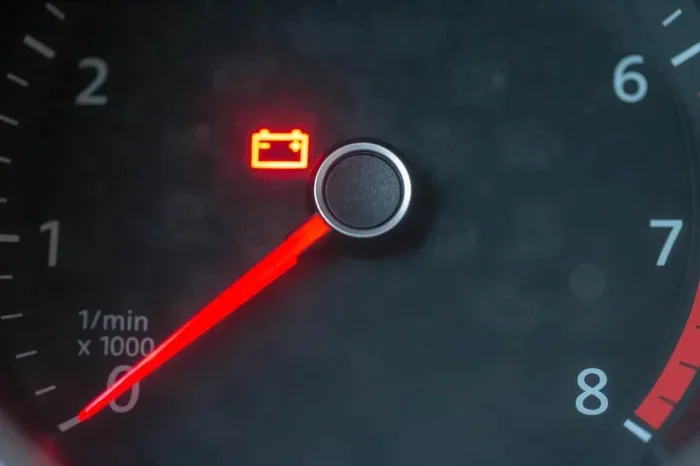
- Dashboard indicators change: The cruise control icon on your dashboard warning light cluster turns off.
- Manual control returns: You are now responsible for accelerating and braking like normal.
Some drivers worry that turning off cruise control might cause a jolt or lurch. In most modern vehicles, the transition is smooth and barely noticeable. Older cars might feel a slight change in engine note, but nothing alarming.
Does It Affect Your Engine or Transmission?
No. Disabling cruise control does not harm your engine or transmission in any way. The cruise control system is designed to be engaged and disengaged hundreds of times over its lifetime. Think of it like flipping a light switch. It is built for regular use.
However, if your cruise control not working properly and you try to force it off, you might notice unusual behavior. Always use the designated cancel method. If the system is stuck, pull over safely and consult your owner manual or a mechanic.
How to Cancel Cruise Control: Every Method Explained
There are several ways to turn off cruise control. The method you use depends on your vehicle model and the situation. Let us break down each approach so you know exactly what to do.
Method 1: Pressing the Brake Pedal
This is the most common and universal way to deactivate cruise control. Almost every car with cruise control is programmed to cancel the system the moment you press the brake pedal. It is a safety feature designed to keep you in control during emergencies.
Here is how it works:
- Simply press the brake pedal firmly.
- The cruise control system receives a signal that you want to slow down.
- The system cancels immediately, and the set speed is cleared from memory.
- You now have full control of the accelerator and brakes.
Quick Tip: You do not need to slam the brake. A gentle press is enough to cancel cruise control. Save the hard braking for actual emergencies.
Method 2: Using the Cancel Button
Many vehicles have a dedicated cancel button on the steering wheel or dashboard. This button lets you turn off cruise control without touching the brake pedal. It is especially handy when you need to slow down slightly but do not want to fully disengage the system.
Look for a button labeled “Cancel” or marked with a cruise control icon and a slash through it. Pressing it clears the set speed but keeps the cruise control system active. You can resume the previous speed later using the resume function.
Method 3: The On/Off Switch
Some cars have a physical on/off switch for the cruise control system. This is usually located on the steering column, dashboard, or near the gear shift. Flipping this switch turns the entire cruise control system off.
Unlike the cancel button, the on/off switch disables the system entirely. The set speed is erased, and you cannot resume it until you turn the system back on and set a new speed.
Method 4: Adaptive Cruise Control Deactivation
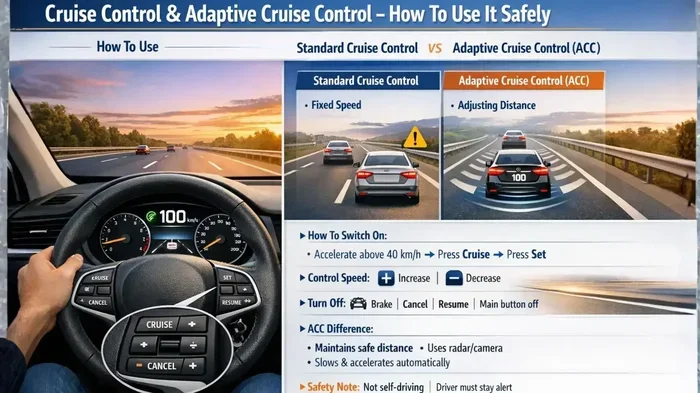
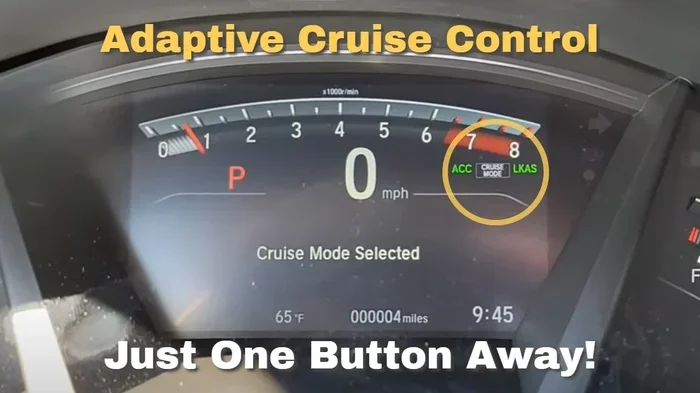
If your car has adaptive cruise control, the deactivation process is similar but with some differences. Adaptive systems use sensors and radar to maintain a safe following distance. When you cancel, the car stops adjusting its speed to match traffic ahead.
Most adaptive systems use the same brake pedal method or a steering wheel button. Some newer models also allow you to cancel through the infotainment screen. Check your vehicle manual for the specific steps.
What Happens to Your Speed After Canceling
After you disconnect cruise control, your car’s speed begins to change based on several factors. Understanding these factors helps you stay safe and in control.
On Flat Roads
On a flat, straight road, your vehicle will slowly lose speed due to air resistance and rolling friction. Depending on your initial speed, you might drop 2 to 5 miles per hour within 10 to 15 seconds if you do not press the accelerator.
On Downhill Grades
Going downhill without cruise control means gravity works in your favor. Your car will pick up speed, sometimes faster than you expect. This is why it is important to press the brake lightly or shift to a lower gear when descending steep hills.
On Uphill Grades
Climbing a hill after canceling cruise control means your car will slow down as the engine works against gravity. You may need to press the accelerator to maintain momentum, especially on steep inclines.
Cruise Control Cancel vs Resume: What Is the Difference
Understanding the difference between cancel and resume helps you use cruise control more effectively. These two functions serve different purposes and behave differently.
What Does Cancel Do?
When you cancel cruise control, the system releases the throttle and stops maintaining speed. The set speed is temporarily stored in memory on most vehicles. However, the system is no longer actively controlling your car.
Canceling is the right move when you need to slow down for traffic, curves, or road conditions. It is a temporary pause, not a permanent shutoff.
What Does Resume Do?
The resume function brings back the last set speed after you have canceled cruise control. Press the resume button, and your car accelerates back to the stored speed automatically.
Resume only works if you have not turned the cruise control system off completely using the on/off switch. If you fully powered down the system, you need to set a new speed.
Quick Comparison
| Feature | Cancel | Resume |
|---|---|---|
| Stops speed maintenance | Yes | No |
| Saves set speed in memory | Yes | Uses saved speed |
| Requires brake press | No (usually) | No |
| System stays active | Yes | Yes |
| Reactivates automatically | No | Yes, when pressed |
Use cancel when you need a temporary break from cruise control. Use resume when conditions are safe and you want to return to your set speed.
Why You Should Disconnect Cruise Control in Certain Situations
While cruise control is a fantastic convenience, there are situations where you should turn off cruise control immediately. Smart drivers know when to switch to manual mode.
Bad Weather Conditions
Rain, snow, ice, and fog all create unpredictable road conditions. Adaptive cruise control may not react fast enough on wet or icy roads. The system relies on sensors that can be confused by snow buildup or heavy rain. Manual driving gives you the ability to react instantly to changing conditions.
Heavy Traffic
Stop-and-go traffic is not the place for cruise control. You need constant access to the brake and accelerator. Traditional cruise control is not designed for frequent speed changes. Even adaptive cruise control can struggle in very dense traffic.
Winding Roads and Curves
Cruise control maintains a constant speed, which can be dangerous on curvy roads. You need to adjust your speed for each turn manually. Keeping cruise control on in twisty roads reduces your ability to respond quickly.
Fatigue or Distraction
If you feel tired or distracted, cruise control can give you a false sense of security. You still need to stay alert and keep your hands on the wheel. Some drivers become overly relaxed when cruise control is active, which defeats the purpose of staying safe.
- Always keep your hands on the steering wheel, even with cruise control on.
- Reduce your set speed in wet or low-visibility conditions.
- Practice canceling and resuming in a safe, empty area before you need it on the road.
- Read your vehicle manual to understand your specific cruise control features.
- Never use cruise control when you are overly tired or impaired.
Common Mistakes When Disconnecting Cruise Control
Even experienced drivers make mistakes when deactivating cruise control. Here are the most common errors and how to avoid them.
Mistake 1: Slamming the Brake Instead of Pressing Gently
Many drivers panic and slam the brake when they want to cancel cruise control. This is unnecessary and can confuse drivers behind you. A gentle press on the brake pedal is all you need to deactivate the system.
Mistake 2: Forgetting to Resume After Clearing Traffic
Some drivers cancel cruise control in traffic and forget to set it again afterward. This means they cruise at a slower speed than necessary. Use the resume function or set a new speed once conditions improve.
Mistake 3: Confusing Cancel with the On/Off Switch
Pressing cancel temporarily pauses the system. Flipping the on/off switch shuts it down completely. Know the difference so you do not accidentally turn off your cruise control when you only meant to pause it.
Mistake 4: Ignoring a Malfunctioning Cruise Control
If your cruise control not working properly, do not ignore it. A stuck cruise control system can be dangerous. If the system will not cancel, try the brake pedal first. If that does not work, shift to neutral or pull the emergency brake gently. Get the car checked by a professional as soon as possible.
How Cruise Control Systems Work Behind the Scenes
Understanding how your cruise control system works helps you appreciate why canceling it is so effective. The system uses a combination of sensors, actuators, and electronic controls to maintain your set speed.
When you activate cruise control, the system reads your current vehicle speed from the speedometer and sends a signal to the throttle body. The throttle body adjusts the opening to maintain the exact speed you selected. An actuator controls this process electronically or through a cable, depending on your vehicle.
When you disconnect cruise control, the signal to the throttle body stops. The actuator releases the throttle, and the spring inside the throttle body returns it to the idle position. This is why your car slows down naturally after canceling.
Modern adaptive cruise control systems add radar sensors and cameras to the mix. These components measure the distance to the vehicle ahead and adjust your speed accordingly. Canceling the system disables all of these features instantly, returning you to full manual control.
The Role of the ECU
The Engine Control Unit, or ECU, manages the cruise control system. When you cancel, the ECU receives the command and stops sending throttle commands. It then returns control to the driver. This process happens in milliseconds, which is why the transition feels so smooth.
The ECU also monitors for errors. If it detects a problem with the cruise control malfunction sensors or wiring, it will automatically disable the system and turn on a dashboard warning light. This is a safety feature designed to prevent erratic behavior.
Manual Driving After Canceling Cruise Control
Once you cancel cruise control, you are driving manually again. This means you control the accelerator, brake, and gear shifts. Some drivers find this shift jarring at first, especially if they rely heavily on cruise control during long trips.
The key is to stay alert and keep both hands on the wheel. Manual driving requires more active engagement, but it also gives you greater control over your safety. After canceling cruise control, pay attention to your speed, the road ahead, and your surroundings.
If you are on a long drive and need a break, consider pulling over safely rather than just canceling cruise control and continuing at high speed. A short rest can help you stay sharp and focused on the road ahead.
Transitioning Back to Cruise Control
When you are ready to use cruise control again, follow these steps:
- Check that road conditions are safe and traffic is flowing steadily.
- Press the on button to activate the cruise control system.
- Accelerate to your desired speed.
- Press the set button to lock in the speed.
- Remove your foot from the accelerator and let the system take over.
It only takes a few seconds to re-engage cruise control. The process is quick and easy once you have done it a few times.
Key Takeaways
- Easy Deactivation: You can cancel cruise control instantly using the brake pedal, cancel button, or the on/off switch.
- Safety First: Disconnecting cruise control gives you full manual control of your vehicle speed.
- Different Systems Work Differently: Traditional cruise control and adaptive cruise control behave differently when you turn them off.
- No Damage Done: Turning off cruise control does not harm your vehicle or its systems.
- Resume Function Matters: After canceling, you can often resume your set speed with a simple button press.
- Know Your Car: Every vehicle has a slightly different setup for cruise control deactivation.
- Bad Weather = Manual Mode: Experts recommend disabling cruise control in rain, snow, or icy conditions.
Conclusion
Disconnecting cruise control is simple, safe, and something every driver should know how to do. Whether you press the brake pedal, hit the cancel button, or flip the on/off switch, the process takes just a second and gives you full control of your vehicle.
Now you know exactly what happens when you turn off cruise control. Your throttle releases, your speed adjusts naturally, and you are back in the driver’s seat. You also understand the differences between canceling and resuming, the importance of manual driving in certain conditions, and the common mistakes to avoid.
Use this knowledge to drive smarter and safer. The next time you are on the road and need to deactivate cruise control, you will do it with confidence and ease. Stay alert, stay in control, and enjoy the ride.
Frequently Asked Questions
Can you disconnect cruise control while driving at high speed?
Yes, absolutely. You can cancel cruise control at any speed by pressing the brake pedal or the cancel button. The system is designed to respond instantly, so you will regain manual control immediately regardless of how fast you are going.
Does turning off cruise control save fuel?
It depends on the driving conditions. In stop-and-go traffic or hilly terrain, manual driving can be more fuel-efficient because cruise control may accelerate unnecessarily. On flat, open highways, cruise control often helps maintain a steady speed that saves fuel.
What is the difference between cancel and off on cruise control?
Cancel temporarily pauses the system while keeping it active in memory. The set speed is stored, and you can resume it later. Off shuts the entire cruise control system down completely, erasing the stored speed and requiring you to restart the system from scratch.
Can a malfunctioning cruise control system be dangerous?
Yes, if the cruise control will not cancel or keeps re-engaging, it can be unsafe. If you experience this issue, slow down using the brake, turn off the system using the on/off switch, and have the vehicle inspected by a qualified mechanic as soon as possible.
Should you use cruise control in the rain?
Most experts recommend turning off cruise control in wet conditions. Rain can cause hydroplaning, and cruise control may not react quickly enough to sudden traction loss. Manual driving allows you to adjust your speed instantly based on road conditions.
How do you reactivate cruise control after canceling it?
Press the on button to activate the system, accelerate to your desired speed, and then press the set button. The system will lock in the speed and take over throttle control. If your vehicle has a resume button, you can also use it to return to the previously set speed after canceling.
===
SEO Title: Can You Disconnect Cruise Control Here Is What Happens
Meta Title: Can You Disconnect Cruise Control? Here Is What Happens
URL Slug: can-you-disconnect-cruise-control-here-is-what-happens