How Can I Get a Replacement Title for My Car Today
A replacement title for my car is essential when you’ve lost your certificate of title or it was damaged. You can apply through your state DMV office or online in many states. This guide covers everything you need to know, from required documents to fees and processing times.
Losing your car title can feel like a panic moment. You might worry that your vehicle is somehow tied to you without that piece of paper. The good news is that getting a replacement title for my car is a straightforward process in most states. Whether you lost it, damaged it, or never received it, you have options to get a duplicate car title and keep your ownership proof intact.
This guide walks you through every step of the vehicle title replacement process. You’ll learn what documents you need, how much it costs, and how long it takes. We also cover special situations like bonded titles and online applications. By the end, you’ll feel confident about handling this on your own without unnecessary stress or confusion.
Millions of drivers apply for replacement titles every year. It’s one of the most common transactions at state DMV offices across the country. The process is designed to be simple, accessible, and fair. You just need to know the right steps and have your paperwork ready.
Key Takeaways
- You can apply online or in person: Many states offer both options for getting a duplicate car title quickly and conveniently.
- Gather your documents first: You’ll need your VIN, proof of identity, and payment for title fees before you start.
- Processing times vary: Standard service takes 2 to 4 weeks, but expedited title service can speed things up to just a few days.
- Special situations exist: Bonded titles and salvage titles require extra steps and additional paperwork.
- Keep your title safe: Store your car ownership document in a secure place to avoid future headaches and replacement costs.
- Electronic titles are growing: Many states now offer digital titles that are just as valid as paper ones.
📑 Table of Contents
- What Is a Car Title and Why Do You Need a Replacement?
- Common Reasons You Might Need a Replacement Title
- How to Apply for a Replacement Car Title
- Online vs. In-Person: Which Method Works Best?
- What Documents Do You Need for a Title Replacement?
- How Long Does It Take to Get a Replacement Title?
- Special Situations: Bonded Titles and Salvage Titles
- Conclusion
What Is a Car Title and Why Do You Need a Replacement?
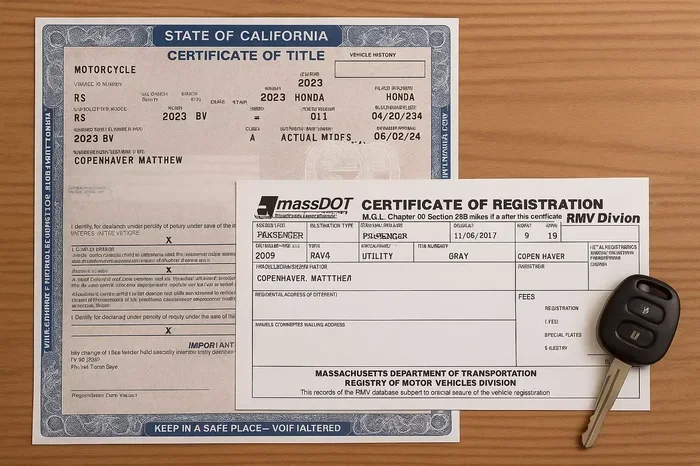
A car title, also called a certificate of title, is a legal document that proves you own your vehicle. Think of it as the birth certificate for your car. It includes your full name, your address, the vehicle identification number (VIN), and important details about the vehicle itself such as the make, model, and year.
You need a replacement title for my car whenever the original is lost, stolen, or destroyed. Without it, you can’t sell the vehicle, register it in a new state, or prove ownership during certain situations. A duplicate car title serves the exact same legal purpose as the original. It carries the same weight and validity in the eyes of the law.
Some people also need a replacement when they move to a new state and need to update their car registration and ownership records. Others discover their title has errors or missing information that needs correction. Whatever the reason, the process is designed to be simple and accessible for all vehicle owners.
Why People Lose Their Car Titles
There are many reasons someone might need a lost car title replacement. Moving homes is one of the most common causes. Papers get lost in the shuffle of packing boxes and reorganizing a new space. Natural disasters like floods, fires, or storms can destroy important documents that were stored in the wrong place.
Sometimes a well-meaning family member throws out old paperwork without realizing its importance. Other times, titles simply fade or tear from years of being handled. Here are the most common reasons people seek a replacement:
- Accidental damage: Coffee spills, torn paper, or faded ink can make a title completely unreadable and invalid.
- Never received it: After purchasing a vehicle, the title sometimes gets lost in the mail during delivery.
- Loan payoff delays: If you paid off a title loan, the lienholder may not send the updated title promptly or at all.
- Incomplete sale: The buyer may have taken the title but never completed the transfer process properly.
- Name changes: After marriage, divorce, or other legal name changes, the old title no longer reflects your correct identity.
Common Reasons You Might Need a Replacement Title
Understanding why people seek a replacement title for my car helps you see that you’re not alone. This is one of the most common DMV transactions every single year. Millions of drivers across the country apply for duplicate titles regularly. The process exists specifically to help people in these situations.
The most frequent reasons include:
- Lost or misplaced title: The title is somewhere in the house but you simply can’t find it despite searching thoroughly.
- Stolen title: The document was taken, and you need a fresh one for your security and peace of mind.
- Damaged title: Torn, water-damaged, or faded titles are no longer considered valid by DMV offices.
- Name change after life events: Marriage, divorce, or court-ordered name changes require the title to reflect your current legal name.
- Lien release needed: After paying off your auto loan completely, the lienholder must release their claim on the vehicle.
Each situation has a slightly different process, but the core steps remain the same across all states. You apply, provide identification, pay the required fee, and wait for your new document to arrive. The key is knowing which path works best for your specific situation and acting promptly.
When You Need a Replacement Title Quickly
Sometimes you need a replacement title for my car in a real hurry. Maybe you’re selling the vehicle this weekend or relocating across state lines for a new job. In these situations, look into expedited title service through your state DMV. Many states offer rush processing for an additional fee. This can cut your wait time from several weeks down to just a few business days.
Some states also offer temporary paper permits that let you drive legally while you wait for the permanent replacement. Ask your local DMV office about these options if timing is critical. Being prepared and informed makes the whole process much smoother and less stressful.
How to Apply for a Replacement Car Title
The application process for a vehicle title replacement is simpler than most people expect. You have two main paths available: applying online or visiting your local state DMV office in person. The right choice depends on your state’s offerings and your personal preference for convenience versus direct assistance.
Step-by-Step Application Process
Follow these steps to get your duplicate car title without unnecessary stress or confusion:
- Check your state’s eligibility for online applications. Not all states allow online title replacements. Visit your state DMV website to confirm what options are available to you.
- Gather all your documents. You’ll need your VIN, proof of identity, and a payment method ready. Having everything organized beforehand saves enormous time.
- Complete the application form. This can be done digitally online or on paper at the DMV office depending on your chosen method.
- Pay the required fee. Title fees vary by state but typically range from $15 to $50 for a standard replacement.
- Submit your application. Whether online or in person, make absolutely sure all information is accurate and complete before submitting.
- Wait for processing. Standard processing takes 2 to 4 weeks in most states, though expedited options are available.
For those wondering about specific state processes, some states make it very convenient. For example, if you live in Georgia, you can apply for a replacement car title online in Georgia through the state’s official portal. This saves a trip to the DMV entirely and lets you handle everything from the comfort of your home.
What If You Need to Transfer a Title at the Same Time?
Sometimes you need a replacement title because you’re also transferring ownership to someone else. For instance, if you’ve purchased a used vehicle and the previous owner hasn’t completed the transfer properly, you may need to sort out the title transfer process first. This involves both the buyer and seller signing the title and submitting it to the DMV for processing.
If you’re buying or selling a Tesla, for example, the process of how to transfer my Tesla to a new owner involves specific electronic title procedures that differ from traditional paper titles. Tesla uses digital title transfer systems in many states, which can be faster but also come with their own set of requirements and steps to follow carefully.
Online vs. In-Person: Which Method Works Best?
Choosing between online and in-person applications depends on your state’s available options, your specific situation, and how quickly you need the document. Both methods have clear advantages that make them suitable for different circumstances and preferences.
Applying Online for a Replacement Title
Online applications are the most convenient option available. You can apply from your couch at midnight if needed, without ever leaving your house. The process typically involves filling out a digital form, uploading a photo of your identification, and paying with a credit or debit card securely.
Benefits of the online route include:
- 24/7 access: You can apply any time, day or night, without worrying about office hours or closing times.
- No waiting in line: Skip the DMV crowds and long wait times entirely.
- Faster processing in some states: Some DMVs actually prioritize online applications over paper ones.
- Track your application: Many states provide online status updates so you know exactly where things stand.
- No travel costs: Save gas money and time by not driving to a physical office location.
However, online applications aren’t available everywhere. Some states require in-person visits for all title replacements, especially when complications are involved. Additionally, if your situation includes a lienholder, a name change, or other complexities, you may need to visit the office in person regardless of online options.
Applying In Person at the DMV
Visiting your local state DMV office gives you the advantage of face-to-face assistance from a trained clerk. A professional can help you fill out the correct forms and answer any questions on the spot. This is especially helpful if your situation is complex or you’re unsure about which documents you need.
Tips for a smooth in-person visit:
- Go early in the morning: DMV lines tend to be shortest before 10 AM on weekdays.
- Bring all documents: Nothing slows things down faster than forgetting a required item and having to come back another day.
- Check for appointments: Many DMVs now offer online appointment booking that lets you skip the general waiting area.
- Bring multiple payment options: Some offices accept only certain payment methods, so bring both cash and a card if possible.
- Wear comfortable shoes: Even with an appointment, you may spend some time waiting or filling out additional forms.
What Documents Do You Need for a Title Replacement?
Having the right documents ready before you start saves enormous time and prevents frustrating trips back and forth to the DMV. The requirements vary slightly by state, but most follow a very similar pattern that you can prepare for in advance.
Core Documents Required
For most vehicle title replacement applications, you’ll need the following documents ready:
- Proof of identity: A valid driver’s license or state-issued ID card that matches your current legal name.
- Proof of ownership: This could be a bill of sale, previous registration, or insurance documents that show you as the owner.
- Vehicle Identification Number (VIN): You can find this on your dashboard, driver’s side door jamb, or insurance documents. If you need to look up my warranty with my VIN, the same document serves double duty and saves you time.
- Completed application form: Available for download on your state DMV website or for pickup at any office location.
- Payment for title fees: Check your state’s current fee schedule online before you go so you know exactly what to expect.
Special Documents for Complex Situations
Some situations require additional paperwork beyond the standard list:
- Name change: Bring your marriage certificate, divorce decree, or court order showing the legal name change.
- Lienholder involvement: If there’s an outstanding loan on the vehicle, the lienholder must sign off on the replacement request.
- Power of attorney: If someone else is applying on your behalf, they’ll need a notarized authorization letter from you.
- Out-of-state titles: You may need additional verification if your original title was issued in a different state than your current residence.
When you upgrade my vehicle or make other major changes to your car, keeping all your documentation organized makes future transactions much smoother. The same principle applies to title replacements. A simple folder for all vehicle-related paperwork can save you hours of hassle down the road.
How Long Does It Take to Get a Replacement Title?
Patience is key when applying for a replacement title for my car. Processing times vary widely depending on your state, the method you choose, and whether your application is straightforward or requires additional review by a DMV specialist.
Here’s a general breakdown of what to expect across most states:
- Standard processing: 2 to 4 weeks for most states with typical, uncomplicated applications.
- Online applications: Often processed faster, sometimes within 1 to 2 weeks compared to paper applications.
- Expedited service: 3 to 7 business days for an additional fee of $10 to $30 depending on your state.
- In-person same-day service: Some DMV offices can issue a temporary paper title on the spot for immediate use.
If you’re in a time crunch, always ask about expedited options when you apply. The extra fee is almost always worth the peace of mind. Also, make sure your application is complete before submitting. Incomplete applications are the number one cause of processing delays and repeated back-and-forth with the DMV.
What If You Haven’t Received Your Title After the Expected Time?
Sometimes the car ownership document doesn’t arrive on schedule. Don’t panic or assume the worst. First, check the tracking information if you applied online and received a confirmation number. Then contact your state DMV directly by phone or online portal. They can look up your application status and let you know if anything is holding it up. Common delays include address verification issues, missing signature lines, or outstanding fees that need to be resolved.
Special Situations: Bonded Titles and Salvage Titles
Not every replacement title for my car situation is straightforward. Some vehicles fall into special categories that require additional steps, extra paperwork, and sometimes a bit more patience. Understanding these situations helps you prepare properly.
What Is a Bonded Title?
A bonded title is a type of duplicate car title that includes a surety bond attached to it. This bond protects any previous owners or lienholders who might come forward with a claim against the vehicle. You might need a bonded title if you bought a vehicle and the seller never provided a proper original title, or if your original title was lost for an extended period of time.
The process involves several specific steps:
- Getting a vehicle history report to confirm there are no outstanding liens or ownership disputes.
- Purchasing a surety bond from a licensed bonding company, typically costing a percentage of the vehicle’s value.
- Submitting the bond along with your replacement application to the DMV for review.
- Waiting for the bond period to expire, which is usually 3 to 5 years, before receiving a standard clean title.
Salvage and Rebuilt Titles
Salvage titles are issued for vehicles that insurance companies declared total losses due to damage or theft recovery. If your vehicle had a salvage title and you need a replacement, the process is similar but may require additional inspection. A salvage title replacement carries the same salvage brand on the new document. This is important to know if you plan to sell the vehicle later, as it affects resale value.
Some states allow you to convert a salvage title to a rebuilt title after the vehicle passes required repairs and inspection. This changes the title status and can significantly affect the vehicle’s market value and insurability. If you’re considering this path, check with your local DMV for the specific requirements in your state.
Electronic Titles vs. Paper Titles
Many states are moving toward electronic titles, also called e-titles. These are digital versions of your car ownership document stored securely in a state database. You don’t receive a physical paper unless you specifically request one, sometimes for a small printing fee. Electronic titles are just as valid as paper ones and can be transferred electronically between owners during sales.
If your state uses electronic titles, getting a replacement title for my car might mean updating the digital record rather than printing a new physical document. This can actually speed up the process significantly. Check with your state DMV to see if this option is available and what it means for your specific situation.
Conclusion
Getting a replacement title for my car doesn’t have to be stressful or overwhelming. Whether you’ve lost your certificate of title, damaged it beyond use, or need to correct an error, the process is well-established and manageable for anyone willing to follow the steps. Start by gathering your documents, choosing your preferred application method, and paying the required title fees. Most people receive their duplicate car title within a few weeks without any complications.
Remember to store your new title in a safe place after you receive it. A fireproof home safe or a secure digital scan can protect you from future loss and the hassle of going through this process again. If you ever find yourself in this situation again, you’ll know exactly what to do and how to handle it efficiently.
Your vehicle is a major investment, and your car ownership document is the legal proof that protects that investment. Take the time to handle your title replacement correctly, and you’ll have peace of mind knowing your ownership is secure and your rights as a vehicle owner are fully protected.
Frequently Asked Questions
How much does it cost to replace a car title?
Title fees typically range from $15 to $50 depending on your state. Some states charge more for expedited service or for bonded titles. Check your state DMV website for the exact fee schedule before you apply so there are no surprises.
Can I get a replacement title if my car has a lien on it?
Yes, but the lienholder must be involved in the process. The lienholder will need to sign off on the replacement application. Once you pay off the loan completely, the lienholder releases their claim and you can get a clean duplicate car title in your name.
What is the difference between a duplicate title and a bonded title?
A duplicate car title is a straight replacement for a lost or damaged original. A bonded title includes a surety bond that protects against ownership claims. You typically need a bonded title when the original was lost for a long time or when there’s no clear chain of ownership documentation.
Can I drive my car without a title?
You can drive your car without the physical title in your possession, but you must carry your registration and proof of insurance. However, selling or transferring the vehicle is not legal without a valid title. If you need a replacement title for my car, it’s best to apply as soon as possible.
How do I find my VIN if I don’t have my title?
Your VIN is located on your dashboard on the driver’s side, on the driver’s side door jamb sticker, and on your vehicle registration or insurance card. You can also find it on previous registration paperwork or loan documents if you have those available.
Can I replace a car title online in any state?
No, online title replacement is not available in every state. Some states require in-person visits for all title replacements. Check your state DMV website to see if online applications are offered for vehicle title replacement in your location.