Does a Cabin Air Filter Really Affect Your Gas Mileage
A cabin air filter cleans the air inside your car, but many drivers wonder if it impacts gas mileage. The short answer is yes, a clogged cabin air filter can slightly affect fuel economy by restricting airflow and forcing your vehicle to work harder. In this guide, we break down exactly how a cabin air filter affects gas mileage, what happens when it gets dirty, and simple steps you can take to keep your car running efficiently.
You might not think about your cabin air filter very often. It sits quietly behind your glove box, doing its job of keeping the air inside your car clean. But here is the question that has puzzled car owners for years: does a cabin air filter really affect gas mileage?
The answer might surprise you. While the cabin air filter is not directly connected to your engine’s combustion process, a dirty or clogged filter can still have a small but real impact on your fuel economy. In this article, we will explore the connection between your cabin air filter and gas mileage. We will look at how it works, what happens when it gets dirty, and how you can keep your car running efficiently.
Whether you drive a Toyota, a Ford, or anything in between, understanding your cabin air filter matters. It is one of those simple maintenance tasks that can save you money at the pump and keep your car feeling great. Let us dive in and break it all down.
Key Takeaways
- A dirty cabin air filter can reduce gas mileage by slightly restricting airflow and making your engine work harder.
- Cabin air filters and engine air filters serve different purposes, but both impact vehicle performance and fuel efficiency.
- Replacing your cabin air filter regularly is an easy, affordable way to maintain good fuel economy and interior air quality.
- Most cabin air filters need replacement every 15,000 to 30,000 miles, depending on driving conditions.
- Signs of a clogged cabin air filter include reduced airflow from vents, musty odors, and increased strain on the HVAC system.
- A clean cabin air filter supports better engine performance and overall vehicle maintenance.
📑 Table of Contents
- What Is a Cabin Air Filter and What Does It Do?
- How Does a Cabin Air Filter Affect Gas Mileage?
- Cabin Air Filter vs. Engine Air Filter: What Is the Difference?
- Signs Your Cabin Air Filter Needs Replacement
- How Often Should You Replace Your Cabin Air Filter?
- Quick Tips for Maintaining Your Cabin Air Filter
- Conclusion
What Is a Cabin Air Filter and What Does It Do?
A cabin air filter is a small but important part of your vehicle. It sits inside your car’s HVAC system, which stands for heating, ventilation, and air conditioning. Its main job is to filter the air that comes into the passenger cabin. It catches dust, pollen, dirt, and other particles before they reach your lungs.
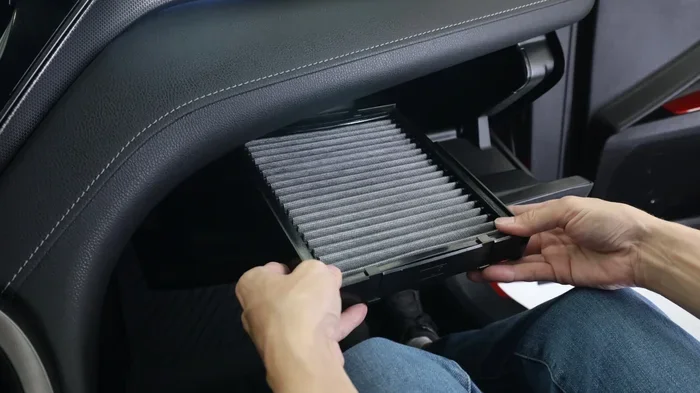
Most modern cars come with a cabin air filter. If you own a Toyota Camry or a Honda Civic, there is a good chance your vehicle has one. The filter is usually located behind the glove box or under the dashboard. It is easy to miss because you do not see it during normal driving.
The cabin air filter works like a net. It traps tiny particles while letting clean air flow through. Over time, all that trapped debris builds up. The filter gets dirty. And when it gets dirty, it starts to restrict airflow. This is where things get interesting for anyone who cares about fuel economy.
Why Cabin Air Filters Matter for Your Health
Beyond gas mileage, a clean cabin air filter is important for your health. It filters out allergens, smog, and pollution. If you suffer from allergies, a good cabin filter can make a big difference during pollen season. It keeps the air inside your car fresh and clean. This is especially true if you drive in cities with heavy traffic and poor air quality.
So while we focus on gas mileage, remember that the cabin air filter also plays a role in your comfort and well-being. It is a small part with a big impact.
How Does a Cabin Air Filter Affect Gas Mileage?
Here is where things get a bit technical, but we will keep it simple. Your car’s HVAC system uses a blower motor to push air through the cabin. When the cabin air filter is clean, air flows freely. The blower motor does not have to work hard. Everything runs smoothly.
But when the cabin air filter gets clogged, airflow drops. The blower motor has to work harder to push air through the dirty filter. This puts a small extra load on your vehicle’s electrical system. The alternator works harder. The engine works a tiny bit harder too. Over time, this extra effort can reduce your MPG by a small margin.
Now, let us be honest. The impact is not huge. You will not see a dramatic drop in fuel economy just because your cabin air filter is dirty. But over thousands of miles, those small losses add up. Think of it this way: every little bit counts when you are trying to maximize your fuel efficiency.
The Science Behind Airflow and Fuel Consumption
Your car’s engine and electrical systems are connected in more ways than you might think. When any component works harder, it draws more energy. The blower motor is no exception. A clogged cabin air filter means the motor pulls more current from the alternator. The alternator then puts more load on the engine. The engine burns a little more fuel to compensate.
This is similar to how a dirty engine air filter can affect performance. If you want to learn more about cleaning your engine air filter instead of replacing it, check out our guide on cleaning your engine air filter. Both filters play a role in keeping your vehicle running efficiently.
Cabin Air Filter vs. Engine Air Filter: What Is the Difference?
People often confuse the cabin air filter with the engine air filter. They are not the same thing. The cabin air filter cleans the air you breathe inside the car. The engine air filter cleans the air that goes into the engine for combustion. Both are important, but they serve different purposes.
A dirty engine air filter can have a much bigger impact on gas mileage than a dirty cabin air filter. When the engine air filter is clogged, it restricts the air supply to the engine. This throws off the air-fuel mixture. The engine runs rich, meaning it burns more fuel than it should. This can significantly hurt your gas mileage.
On the other hand, a dirty cabin air filter mainly affects airflow into the passenger compartment. The impact on fuel economy is smaller but still worth paying attention to. Both filters should be part of your regular car maintenance routine.
| Feature | Cabin Air Filter | Engine Air Filter |
|---|---|---|
| Purpose | Filters air entering the passenger cabin | Filters air entering the engine |
| Location | Behind glove box or under dashboard | Near the engine air intake |
| Impact on Gas Mileage | Small, indirect effect | Larger, direct effect |
| Replacement Frequency | Every 15,000 to 30,000 miles | Every 15,000 to 45,000 miles |
| DIY Replacement | Yes, very easy | Yes, fairly easy |
| Cost | $15 to $50 | $20 to $60 |
Both filters are essential for your vehicle’s overall performance. Keeping them clean helps your car run better and last longer. If you want to learn more about how different factors affect your vehicle’s performance, you might enjoy reading about how V6 Tacomas perform on gas for more insights on fuel economy.
Signs Your Cabin Air Filter Needs Replacement
How do you know when your cabin air filter is dirty? There are several clear signs. Paying attention to these can help you catch problems early and keep your fuel efficiency in check.
- Reduced airflow from vents: This is the most obvious sign. If your vents are not blowing air as strongly as they used to, the cabin air filter might be clogged.
- Musty or musty odors: A dirty filter can trap moisture and mold. This creates unpleasant smells inside your car.
- Increased noise from the blower motor: When the filter is dirty, the motor works harder. You might hear it humming or straining more than usual.
- Worse air quality inside the car: If you notice more dust or allergens inside the cabin, your filter is probably overdue for a change.
- Dashboard warning lights: Some vehicles have a maintenance light that comes on when the cabin filter needs attention. If you see the maintenance required light on your dashboard, it could be related to your cabin air filter or other service needs.
If you notice any of these signs, do not ignore them. Replacing the filter is quick and inexpensive. It can also prevent bigger problems down the road.
Can a Dirty Cabin Air Filter Trigger the Maintenance Light?
Some Toyota models and other vehicles will display a maintenance required light when it is time for service. This light does not always mean your cabin air filter is dirty. It could indicate an oil change or other routine maintenance. But if the light comes on and you have not changed your cabin filter recently, it is worth checking. Replacing the filter is one of the simplest vehicle maintenance tasks you can do.
For more information on driving with a maintenance light on, check out our article on driving with a maintenance required light on in a Toyota.
How Often Should You Replace Your Cabin Air Filter?
The general rule is to replace your cabin air filter every 15,000 to 30,000 miles. But this can vary based on your driving conditions and habits. If you drive in dusty areas or heavy traffic, you might need to replace it more often. Living near a construction zone or a dirt road can also clog your filter faster.
Here are some factors that affect how often you should replace your cabin air filter:
- Driving environment: Dusty, rural, or construction-heavy areas wear out filters faster.
- Air quality: Cities with high pollution levels can clog filters more quickly.
- Usage patterns: If you use your HVAC system constantly, the filter works harder and gets dirty sooner.
- Filter quality: Higher-quality filters last longer and trap more particles.
- Vehicle model: Some vehicles have more accessible filters that are easier to check and replace.
Checking your owner’s manual is always a good first step. It will give you the manufacturer’s recommended replacement schedule. But use your judgment too. If you notice any of the signs we discussed earlier, go ahead and replace the filter. It is a small investment that pays off in better fuel economy and a more comfortable driving experience.
The Cost of Ignoring Your Cabin Air Filter
What happens if you just skip replacing the cabin air filter? Over time, the buildup of dirt and debris can cause real problems. The blower motor can burn out. The HVAC system can develop mold. And your gas mileage can suffer. All of these problems cost money to fix. A new cabin air filter costs between $15 and $50. It is one of the cheapest and most effective maintenance items you can buy.
Think about it this way. A clean cabin air filter helps your car breathe better. Just like you feel more energetic on a fresh day, your car runs better with clean airflow. The blower motor does not strain. The HVAC system works efficiently. And your vehicle uses fuel more wisely.
Quick Tips for Maintaining Your Cabin Air Filter
Keeping your cabin air filter in good shape is easy. You do not need to be a mechanic to do it. Here are some practical tips to help you get the most out of your cabin air filter and protect your fuel efficiency.
- Check it regularly: Every few oil changes, pop open the cabin filter area and take a look. If it looks dark and dirty, it is time for a replacement.
- Buy quality filters: Not all cabin air filters are created equal. OEM filters or high-quality aftermarket options last longer and perform better.
- Replace it before it gets completely clogged: Do not wait until airflow is completely blocked. Replace it at the first sign of reduced airflow.
- Keep your car clean: Vacuuming the cabin regularly reduces the amount of dust and debris that reaches the filter.
- Park in covered areas when possible: This reduces the amount of dust, pollen, and debris that enters your car through the HVAC system.
These simple habits can extend the life of your cabin air filter and keep your gas mileage where it should be. A little attention goes a long way when it comes to car maintenance.
Can You Clean a Cabin Air Filter Instead of Replacing It?
Some cabin air filters are reusable and can be cleaned. These are usually made of washable materials. You can rinse them with water and let them dry before reinstalling. However, most cabin air filters are disposable and should be replaced rather than cleaned. Check your owner’s manual to see what type your vehicle uses.
If you are interested in learning more about cleaning versus replacing air filters, our article on cleaning your engine air filter covers this topic in detail. The same principles apply to cabin air filters in many cases.
Conclusion
So, does a cabin air filter really affect your gas mileage? The answer is yes, but in a subtle way. A dirty cabin air filter restricts airflow, makes your blower motor work harder, and puts a small extra load on your engine. Over time, this can reduce your fuel economy by a few miles per gallon. It is not a dramatic change, but it is real.
The good news is that replacing your cabin air filter is easy, affordable, and one of the simplest things you can do for your vehicle. It takes just a few minutes and costs very little. Plus, you get the bonus of cleaner air inside your car and a more comfortable driving experience.
Make cabin air filter replacement part of your regular car maintenance routine. Check it every 15,000 to 30,000 miles. Watch for signs of a clogged filter. And do not let a small, overlooked part drag down your gas mileage. Your wallet and your car will thank you.
Remember, every maintenance task you do on your vehicle adds up. A clean cabin air filter, fresh engine oil, and properly inflated tires all work together to keep your car running at its best. Stay on top of your maintenance, and you will enjoy better fuel economy, a smoother ride, and a car that lasts longer.
Frequently Asked Questions
Can a cabin air filter really reduce gas mileage?
Yes, a dirty cabin air filter can slightly reduce gas mileage. When the filter is clogged, the blower motor works harder, which puts extra load on the engine. This causes a small decrease in fuel efficiency over time.
How often should I replace my cabin air filter?
Most manufacturers recommend replacing the cabin air filter every 15,000 to 30,000 miles. However, if you drive in dusty or polluted areas, you may need to replace it more frequently. Always check your owner’s manual for specific guidance.
Is a cabin air filter the same as an engine air filter?
No, they are not the same. The cabin air filter cleans the air that enters the passenger compartment. The engine air filter cleans the air that goes into the engine for combustion. Both are important, but they serve different purposes and affect gas mileage in different ways.
What happens if I never replace my cabin air filter?
If you never replace your cabin air filter, it will become clogged with dirt and debris. This restricts airflow, reduces HVAC efficiency, and can cause musty odors. Over time, it may also slightly reduce gas mileage and put extra strain on the blower motor.
Can I clean my cabin air filter instead of replacing it?
Some cabin air filters are reusable and can be washed with water. However, most are disposable and should be replaced. Check your owner’s manual to see what type your vehicle uses. Reusable filters should be completely dry before reinstalling.
Does a clean cabin air filter improve fuel economy?
A clean cabin air filter helps maintain good airflow and reduces the workload on your vehicle’s blower motor and electrical system. While the improvement in fuel economy is small, it contributes to overall vehicle efficiency and is a worthwhile part of regular maintenance.