Why Does the Maintenance Light Stay On and What It Means
The maintenance light staying on can mean your car is due for routine service or signals a deeper issue. This light, often called the maintenance required light, is part of your vehicle’s oil life monitoring system. Understanding what triggers it and how to address it can save you time, money, and prevent bigger problems down the road.
Have you ever glanced at your dashboard and noticed the maintenance light glowing steadily? It is one of those warning lights that can make you pause mid-drive. You wonder, “Is this serious? Can I keep driving?” The good news is that the maintenance required light is usually not an emergency. But it does mean your vehicle needs attention.
The maintenance light staying on is a common experience for car owners. Whether you drive a Toyota, Honda, or any other brand, this little indicator serves an important purpose. It tracks your service intervals and reminds you when it is time for routine care. Understanding what this light means can help you stay on top of your car’s health without unnecessary worry.
In this guide, we will walk through every reason your maintenance light might stay on. We will cover how the oil life monitoring system works, what triggers the light, how to reset it, and when you should actually visit a mechanic. By the end, you will feel confident knowing exactly what to do when that little light comes on.
Key Takeaways
- Routine Service Reminder: The maintenance light most often appears when your car reaches a set mileage interval for scheduled service.
- Oil Life System: Modern vehicles use an oil life monitoring system that tracks driving habits and reminds you when an oil change is due.
- Reset Is Usually Simple: In most cases, you can reset the maintenance light yourself with a few simple steps.
- Different from Check Engine Light: The maintenance light is not the same as the check engine light, though both deserve attention.
- Ignoring It Can Cause Problems: Driving for too long with the light on may lead to engine wear or other issues.
- Professional Help Helps: If the light stays on after resetting, a diagnostic scan can reveal hidden issues.
📑 Table of Contents
What Does the Maintenance Light Mean?
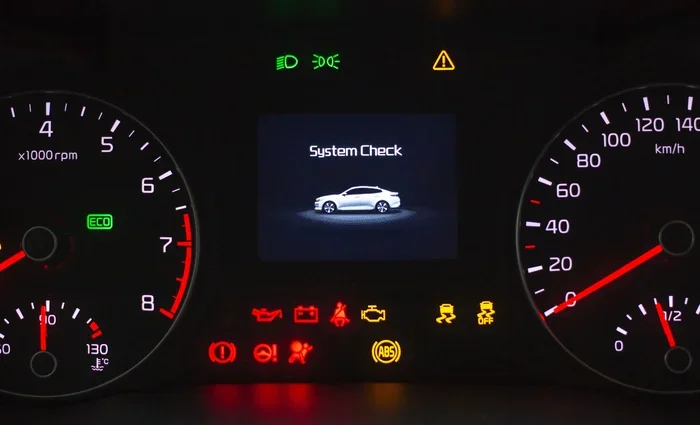
The maintenance light is a dashboard indicator that tells you it is time for scheduled vehicle service. It is sometimes labeled as “Maintenance Required,” “Service Due,” or “Service Interval.” The exact wording depends on your car’s make and model.
This light is part of your car’s oil life monitoring system. The system tracks how you drive and estimates when your engine oil needs replacing. It does not measure the actual quality of the oil. Instead, it uses algorithms based on driving habits like mileage, temperature, and idle time.
Most automakers set the default service interval at 5,000 miles or 6 months, whichever comes first. However, some newer vehicles use a more advanced system that adjusts the interval based on real-time driving conditions.
How the Oil Life Monitoring System Works
The oil life monitoring system is a smart feature in modern cars. It does not just count miles. It looks at several factors to estimate oil condition. Here is how it typically works:
- Engine revolutions: The system tracks how many times your engine cycles.
- Driving temperature: Hotter driving conditions can degrade oil faster.
- Idle time: Extended idling can affect oil life calculations.
- Short trips: Frequent short trips may trigger the light sooner.
- Mileage accumulation: The system always tracks total miles driven.
When the system determines that the oil life has reached a certain percentage, usually around 15%, the maintenance light turns on. This is your cue to book a service appointment or perform an oil change yourself.
Difference Between Maintenance Light and Check Engine Light
Many people confuse the maintenance light with the check engine light. They are not the same thing. The check engine light signals a problem detected by the onboard diagnostics system. The maintenance light is simply a reminder for routine care.
That said, ignoring the maintenance light for too long can eventually trigger the check engine light. Old or degraded oil can cause engine wear, which may lead to more serious issues. If you are unsure which light you are seeing, running a diagnostic scan can help clarify the situation.
Common Reasons the Maintenance Light Stays On
There are several reasons why your maintenance light might stay on even after you think you have addressed it. Let us look at the most common causes.
1. Oil Change Is Overdue
The most common reason is simple: your oil change is overdue. If you have been putting off that oil change, the light will keep reminding you. Even if the oil looks fine visually, the oil life monitoring system has its own timeline based on your driving patterns.
If you have been driving in harsh conditions, the system may count that as accelerated wear. Harsh conditions include stop-and-go traffic, extreme temperatures, and heavy towing. In these cases, the light may come on earlier than expected.
2. Maintenance Light Was Not Reset After Service
Sometimes the maintenance light stays on because it was never reset after the last service. This is very common. Many quick-lube shops reset the light for you, but not all of them do. If you changed your own oil, you need to reset it manually.
If you recently had service done and the light is still on, check with the service center. They can usually reset it quickly at no extra cost.
3. Faulty Oil Life Sensor
In rare cases, the oil life sensor itself may malfunction. If the sensor gives incorrect readings, the light will stay on even when your oil is fresh. This is not common, but it does happen, especially in older vehicles.
If you have recently changed your oil and reset the light but it comes back within days, a faulty sensor could be the culprit. A mechanic can test the sensor and replace it if needed.
4. Electrical or Computer Glitch
Modern cars rely heavily on computers. Sometimes a simple electrical glitch can cause the maintenance light to stay on. This can happen after a battery disconnect, a power surge, or even a software hiccup.
In most cases, a simple reset fixes this. If the light persists, a diagnostic check can help identify any underlying computer issues.
5. Multiple Service Items Are Due
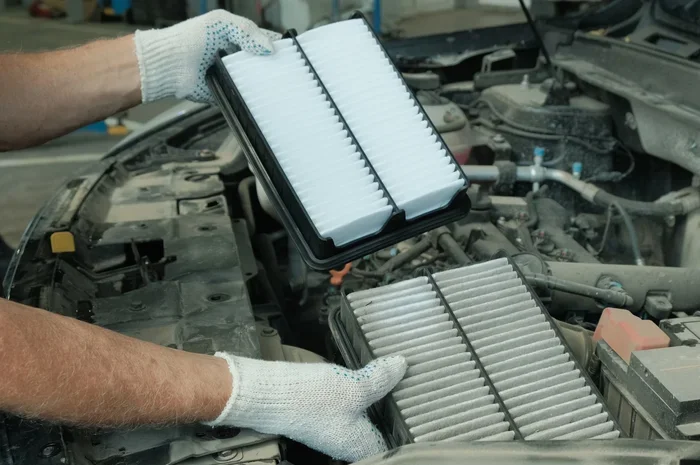
Some vehicles display the maintenance light when more than one service item is due at once. For example, if your oil needs changing and your air filter needs replacing, the system may keep the light on until all items are addressed.
Check your owner’s manual for the full maintenance schedule. This will list all the service items that trigger the light at different mileage intervals.
How to Reset the Maintenance Light
Resetting the maintenance light is usually straightforward. The exact steps vary by vehicle, but the general process is similar across most brands. Here is a general guide.
Step-by-Step Reset Process
- Turn the ignition to the “ON” position without starting the engine.
- Press the odometer or trip meter button until you see the maintenance message.
- Turn the ignition to the “OFF” position.
- Press and hold the trip meter button.
- Turn the ignition back to “ON” while still holding the button.
- Release the button when the light starts to blink or the message changes.
These steps work for many Toyota and Honda models. However, always refer to your vehicle’s owner manual for the exact procedure. Some newer vehicles require a specific sequence or even a diagnostic tool to reset the light.
When Resetting Does Not Work
If you have followed the steps and the maintenance light stays on, do not panic. There are a few things you can try. First, disconnect the car battery for about 15 minutes and reconnect it. This can clear minor electrical glitches.
If that does not work, the issue may be deeper. In that case, visiting a mechanic or dealership for a professional diagnostic is the best next step. They have specialized tools that can communicate with your car’s computer system.
Can You Drive With the Maintenance Light On?
Yes, you can generally drive with the maintenance light on. It is not an immediate danger signal like a red temperature warning light. The maintenance light is a reminder, not an alarm.
However, that does not mean you should ignore it indefinitely. Driving with old oil or skipping scheduled service can lead to engine damage over time. The oil life monitoring system is designed to protect your engine by reminding you to change the oil before it degrades completely.
If the light has been on for a while and you have not addressed it, consider getting your oil changed soon. This is especially important if you notice any changes in your car’s performance, such as reduced fuel efficiency or unusual engine noise. For more information on driving with maintenance lights on, check our detailed guide on driving with a maintenance light on in a Toyota.
Preventing the Maintenance Light From Staying On
The best way to deal with the maintenance light is to prevent it from becoming a recurring issue. Here are some practical tips.
Follow Your Service Schedule
Stick to the maintenance schedule outlined in your owner’s manual. Most vehicles need an oil change every 5,000 to 7,500 miles. Some newer models with synthetic oil can go up to 10,000 miles. Check your manual or consult with your dealer to confirm the right interval for your car.
Reset the Light After Every Service
Always make sure the maintenance light is reset after each service. Whether you do it yourself or have a professional handle it, this simple step prevents the light from lingering. Make it a habit to confirm the reset before leaving the service center.
Keep Track of Your Mileage
Do not rely solely on the oil life monitoring system. Keep a manual record of your oil changes and service dates. This gives you a backup reference and helps you spot patterns or potential issues early.
Address Warning Signs Promptly
If you notice any unusual symptoms along with the maintenance light, do not wait. Strange noises, reduced performance, or warning messages on the dashboard should all be investigated quickly. Early action can prevent costly repairs.
When to See a Professional
Most of the time, the maintenance light is nothing to worry about. A simple oil change and reset will take care of it. But there are times when professional help is the right call.
You should see a mechanic if the light stays on after a reset. If the light keeps coming back shortly after being turned off, there may be an underlying issue. A check engine light that turns off on its own is different from a maintenance light, but both warrant attention if they persist.
Also, if you notice other warning lights alongside the maintenance light, get your vehicle inspected right away. Multiple dashboard warnings can indicate a more complex problem that needs professional diagnosis.
Quick Tips for Managing the Maintenance Light
- Keep your owner’s manual handy. It has the exact reset procedure for your vehicle.
- Note your service dates in a phone app or notebook.
- Do not ignore the light for more than a week or two.
- Use quality oil that meets your manufacturer’s specifications.
- Ask the service center to confirm the reset was successful.
- Check your tire pressure regularly, as some systems monitor multiple service items.
Key Takeaways
The maintenance light staying on is your car’s way of saying it is time for routine service. It is rarely an emergency, but it should not be ignored. By understanding how the oil life monitoring system works and following a consistent service schedule, you can keep your car running smoothly and avoid unnecessary trips to the mechanic.
Resetting the light after each service is a quick and easy step that prevents the light from becoming a nuisance. If the light persists despite your best efforts, a professional diagnostic can uncover any hidden issues.
Taking care of your vehicle’s maintenance needs is one of the best things you can do for its longevity and performance. Stay proactive, stay informed, and your car will thank you for it.
Frequently Asked Questions
Can I drive my car if the maintenance light is on?
Yes, you can generally drive safely with the maintenance light on. It is a service reminder, not an emergency warning. However, you should get your car serviced soon to avoid potential engine wear from old oil or overdue maintenance.
How do I know if my maintenance light means the oil needs changing?
In most vehicles, the maintenance light is directly tied to the oil life monitoring system. When the system calculates that your oil life has reached a low percentage, it triggers the light. An oil change and reset usually resolves the issue.
Will the maintenance light reset itself after an oil change?
Not always. In many cars, you need to manually reset the light after an oil change. The reset process varies by vehicle, so check your owner’s manual for the correct steps.
What happens if I ignore the maintenance light for a long time?
Ignoring the maintenance light for too long can lead to degraded oil, reduced engine performance, and eventually engine damage. It is best to address the light as soon as it appears to keep your vehicle in good shape.
Can a low battery cause the maintenance light to come on?
Yes, in some cases a low or weak car battery can cause electrical glitches that trigger the maintenance light. If the light appears after a battery issue, try resetting it. If it persists, have the battery and electrical system checked.
Is the maintenance light the same as the service engine soon light?
No, they are different. The maintenance light is a routine service reminder, while the service engine soon light indicates a detected problem with the engine or emissions system. If you are unsure which light you are seeing, a diagnostic scan can help clarify.
=== CONCLUSION ===
The maintenance light staying on is a common experience for any car owner. It is your vehicle’s way of reminding you about routine service, and it should not cause panic. Whether the trigger is an overdue oil change, a forgotten reset, or a minor electrical glitch, the fix is usually simple and straightforward.
By understanding what the maintenance required light means, following your car’s service schedule, and resetting the light after each service, you can keep this dashboard indicator from becoming a source of stress. Stay on top of your vehicle’s maintenance needs, and you will enjoy a smoother, safer, and more reliable driving experience for years to come.