What Is the EPB Reset Why It Matters for Your Vehicle
The EPB reset is a simple procedure that restores your electronic parking brake system to normal operation. When your EPB light flashes or your parking brake won’t release, a reset can often fix the problem in minutes. This guide walks you through everything you need to know about the EPB reset, including symptoms, causes, and easy DIY steps.
Your car has a lot of smart systems working behind the scenes. One of the most important yet overlooked is the electronic parking brake, commonly known as EPB. When this system malfunctions, it can leave you stranded or, worse, compromise your safety on the road. The good news? In many cases, a simple EPB reset solves the problem fast.
If you have ever seen a yellow or red light on your dashboard that says “EPB” or “PARKING BRAKE,” you know how unsettling it feels. But here is the thing — most EPB issues are not catastrophic. They are often just a glitch that needs a reset. This guide explains exactly what the EPB reset is, why it matters, and how you can do it yourself without visiting a mechanic.
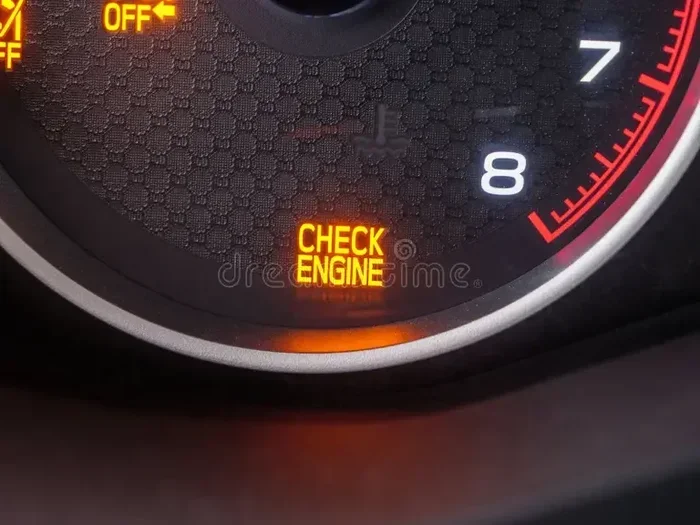
Whether you drive a sedan, SUV, or truck, understanding your electronic parking brake system is essential. Think of it like knowing how to clear a check engine light yourself — basic car knowledge that saves you time and money. Let us dive in.
Key Takeaways
- EPB stands for Electronic Parking Brake: It replaces traditional hand levers with a button-controlled system.
- An EPB reset is often all you need: Many EPB issues resolve with a simple reset procedure.
- Warning signs are easy to spot: Dashboard lights, grinding noises, and a stuck brake are clear indicators.
- You can do it yourself: Most EPB resets require no special tools and take just a few minutes.
- Ignoring EPB problems is risky: A malfunctioning parking brake compromises your vehicle safety.
- Regular maintenance helps prevent issues: Just like resetting after an oil change, EPB resets work best when done proactively.
- See a mechanic if problems persist: Some EPB faults need professional diagnostic equipment.
📑 Table of Contents
What Is an EPB System?
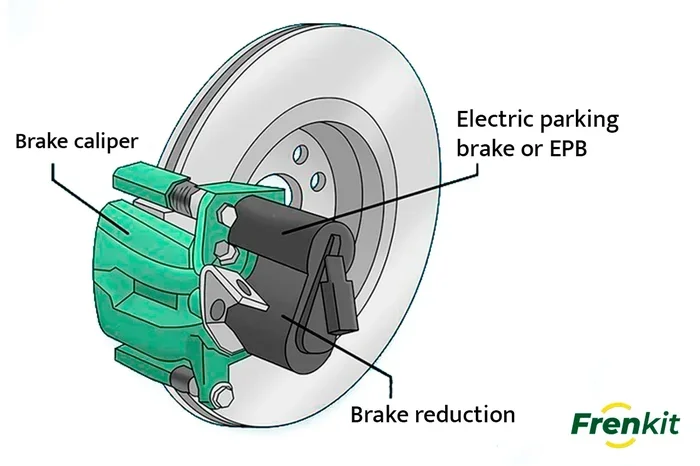
The electronic parking brake is a modern replacement for the traditional hand lever or foot pedal parking brake. Instead of pulling a lever, you press a button on your console to engage or release the parking brake. The system uses electronic controls and small motors to apply the rear brakes automatically.
Most newer vehicles come equipped with EPB. Brands like Ford, Chevrolet, BMW, Audi, and many Japanese manufacturers use electronic parking brake systems. The system integrates with your car’s computer and even works with features like auto-hold, which keeps the car stationary on hills without you pressing the brake pedal.
The EPB system has several components that work together:
- EPB switch: The button you press inside the car.
- Brake actuator: The motor that applies or releases the brake pads.
- EPB module: The control unit that manages the entire system.
- Sensors: These detect whether the brake is engaged and send signals to the car’s computer.
- Wiring and connectors: The electrical pathways that connect everything.
When any of these parts fail or send incorrect signals, the EPB light comes on. That is where the EPB reset becomes your first line of defense.
Why Does the EPB Need a Reset?
Your car’s computer constantly monitors every system. When it detects something unusual in the electronic parking brake system, it triggers a warning. Sometimes the issue is temporary — a voltage spike, a minor sensor glitch, or a software hiccup. In these cases, resetting the system clears the fault and gets everything back to normal.
Think of it like restarting your phone when it freezes. The hardware is fine, but the software needs a fresh start. An EPB reset works the same way. It tells the car’s computer to recheck all sensors and recalibrate the system.
Here are the most common reasons an EPB reset becomes necessary:
- The car battery was recently disconnected or died.
- A voltage drop affected the EPB module.
- The brake pads were replaced and the system needs recalibration.
- Moisture got into a connector and caused a temporary short.
- The system simply needs a software refresh after a long drive.
Just as you might reset your system after an oil change, the EPB sometimes needs a refresh after routine maintenance. It is a normal part of keeping your car’s electronics in sync.
Signs That Your EPB Needs a Reset
Knowing when to perform an EPB reset starts with recognizing the symptoms. Most warning signs are hard to ignore, and catching them early prevents bigger problems down the road.
Dashboard Warning Light
The most obvious sign is the EPB warning light on your dashboard. It usually looks like a “P” surrounded by a circle with parentheses. Sometimes the light is yellow, and sometimes it is red. A yellow light often means a minor issue, while a red light can signal a more serious problem. Either way, a reset is worth trying first.
Parking Brake Won’t Release
Have you ever pressed the EPB button and nothing happens? The car stays parked even though you released the brake. This is a clear sign that the electronic parking brake system needs attention. A reset often fixes this immediately.
Parking Brake Won’t Engage
On the flip side, the brake might not engage when you need it. This is dangerous, especially on hills. If the EPB button does nothing when you press it, try a reset before assuming the worst.
Unusual Noises
Grinding, clicking, or whirring sounds from the rear of your car when you press the EPB button can indicate a problem. Sometimes the actuator motor is struggling, and a reset clears the error that is causing the unusual behavior.
EPB Light Flashing
A steady EPB light usually means the system is engaged. But a flashing EPB light means something is wrong. The computer has detected a fault code, and a reset can clear it if the issue is minor.
How to Perform an EPB Reset
Performing an EPB reset is straightforward in most vehicles. You do not need expensive tools or a trip to the dealership. Here is a step-by-step guide that works for most makes and models.
Step 1: Turn Off the Engine
Start by parking your car on a flat, level surface. Engage the regular foot brake and turn off the engine. This ensures the system is in a neutral state before you begin the reset.
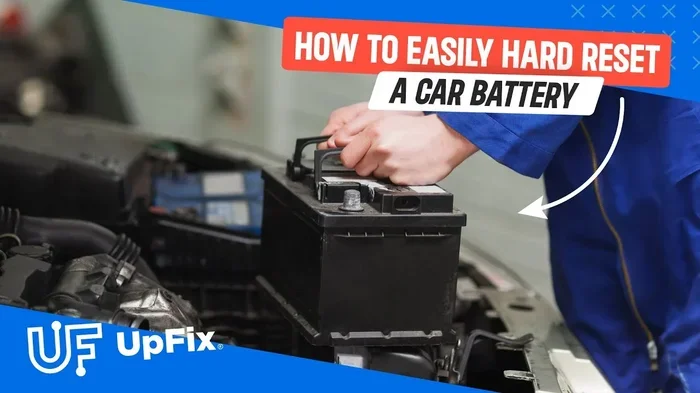
Step 2: Disconnect the Battery
Open the hood and locate the car battery. Using a wrench, disconnect the negative terminal first. Wait at least 15 minutes. This allows the car’s computer to fully power down and clear any stored fault codes.
Step 3: Reconnect the Battery
After waiting, reconnect the negative terminal. Tighten it firmly. Start the engine and let it idle for a minute. The car’s computer will begin its self-check sequence.
Step 4: Test the EPB
Press the EPB button to engage the parking brake. Then press it again to release it. Watch the dashboard. If the EPB light stays off and the brake engages and releases smoothly, the reset worked.
Step 5: Drive and Monitor
Take a short drive and pay attention to how the system behaves. If the EPB light does not return, you are good to go. If it comes back, you may need to repeat the process or investigate further.
Quick Tip: Some vehicles have a specific reset procedure in the owner’s manual. Always check your manual first. The steps above work for most models, but your car might have unique requirements.
When an EPB Reset Is Not Enough
A simple reset fixes many EPB issues, but not all of them. Some problems require more in-depth diagnosis and repair. Here is when you should stop trying to reset and call a professional.
Persistent Warning Light
If the EPB light stays on even after multiple reset attempts, there is likely a hardware problem. The brake actuator might be failing, or a sensor could be damaged. These issues need professional tools to diagnose.
Brake Fluid Leaks
EPB systems rely on the same brake fluid as your regular brakes. If you notice a leak near the rear brakes, the EPB issue is secondary to a serious safety concern. Get the car to a mechanic immediately.
Unusual Brake Pad Wear
If your brake pads are wearing unevenly or the EPB system is not releasing fully, the caliper might be stuck. A stuck caliper can damage the brake rotor and create unsafe driving conditions. A reset will not fix a mechanical problem like this.
Electrical Issues
Corroded wiring, damaged connectors, or a faulty EPB module are electrical problems that a simple reset cannot solve. These require a mechanic with diagnostic equipment to identify and repair.
Remember, just like you would not ignore a persistent check engine light, you should not ignore a persistent EPB warning. Your vehicle safety depends on the parking brake working correctly.
Preventing EPB Problems
The best way to deal with EPB issues is to prevent them in the first place. Regular maintenance and good driving habits go a long way in keeping your electronic parking brake system healthy.
- Keep your battery healthy: A weak battery causes voltage fluctuations that confuse the EPB module. Check your battery terminals regularly for corrosion.
- Drive smoothly: Aggressive driving puts extra stress on the brake system, including the EPB components.
- Do not ignore warning lights: The moment the EPB light comes on, address it. Small problems become big ones fast.
- Follow the maintenance schedule: Your car’s manual includes intervals for brake inspections. Stick to them.
- Keep brake fluid fresh: Old brake fluid absorbs moisture, which can affect the EPB system’s performance.
Taking care of your car’s electrical and brake systems is like keeping up with regular key fob battery maintenance — small efforts that prevent big headaches.
EPB Reset vs. Professional Diagnosis
It is helpful to understand when a DIY reset is appropriate and when a professional diagnosis is needed. Here is a simple comparison to guide you.
| Situation | Try EPB Reset? | See a Mechanic? |
|---|---|---|
| EPB light comes on briefly then goes off | Yes | No |
| EPB light stays on after reset | No | Yes |
| Battery was recently disconnected | Yes | No |
| Unusual noises from rear brakes | Try once | Yes if it persists |
| Brake fluid leak detected | No | Yes immediately |
| EPB button does not respond | Yes | Yes if reset fails |
Use this table as a quick reference. When in doubt, a professional inspection never hurts. Mechanics have access to car diagnostic tools that can read specific fault codes in the EPB module, giving you a clear picture of what is wrong.
EPB Reset and Vehicle Safety
Your parking brake is a critical safety feature. Whether you park on a steep hill or leave your car on a flat driveway, you need to know the brake will hold the car in place. A malfunctioning electronic parking brake puts you and others at risk.
The EPB reset is not just a convenience procedure — it is a safety procedure. When the system works correctly, you can trust that your car will stay put when parked. When it does not work, the risks range from a rolled vehicle on a hill to a failed inspection.
Make the EPB reset part of your regular car maintenance routine. Just as you check tire pressure and oil levels, check your EPB system periodically. A quick reset every few months, especially after a battery change, keeps everything running smoothly.
Many drivers do not think about their parking brake until something goes wrong. Be proactive. Understanding your EPB reset process empowers you to handle minor issues on the spot and know when to seek professional help.
Final Thoughts
The EPB reset is one of the simplest and most useful maintenance procedures you can learn. It takes just a few minutes, requires no special tools, and can save you a costly trip to the mechanic. Whether your EPB light is flashing, your parking brake is stuck, or your car just had a battery change, a reset often solves the problem completely.
Remember the key signs that your EPB needs attention: dashboard lights, unusual noises, and a brake that will not engage or release. Act quickly when you notice these symptoms. A small problem today can become a big repair tomorrow.
Stay on top of your car’s maintenance, keep your battery healthy, and do not ignore warning lights. Your vehicle will reward you with reliable performance and, most importantly, safe operation every time you drive.
Now that you know what an EPB reset is and how to do it, you are better equipped to handle this common car issue with confidence. Share this guide with a fellow driver who might need it, and keep your car running safely for miles to come.
Frequently Asked Questions
What does EPB stand for in a car?
EPB stands for Electronic Parking Brake. It is a modern system that replaces the traditional hand lever with a button-controlled electronic mechanism. The system uses motors and sensors to engage and release the parking brake automatically.
How do I know if my EPB needs a reset?
The most common sign is the EPB warning light on your dashboard. Other signs include the parking brake not engaging or releasing properly, unusual noises from the rear brakes, and the light flashing. If you notice any of these, an EPB reset is a great first step.
Can I drive with the EPB light on?
You can drive short distances with the EPB light on, but it is not recommended. The electronic parking brake may not hold the car securely, especially on hills. Have the system checked and reset as soon as possible for your safety.
How long does an EPB reset take?
A simple EPB reset takes about 10 to 15 minutes. You need to disconnect the battery, wait 15 minutes, reconnect it, and test the system. The entire process is quick and does not require any special tools.
Will an EPB reset clear all parking brake problems?
No, an EPB reset only fixes software glitches and temporary faults. If there is a hardware problem like a failed actuator, damaged sensor, or brake fluid leak, a reset will not solve it. In those cases, you need a professional diagnosis.
How often should I reset my EPB system?
You do not need to reset your EPB system on a regular schedule. Only perform a reset when you notice warning signs or after disconnecting the battery. Regular brake maintenance and battery health checks are the best ways to prevent EPB issues.